
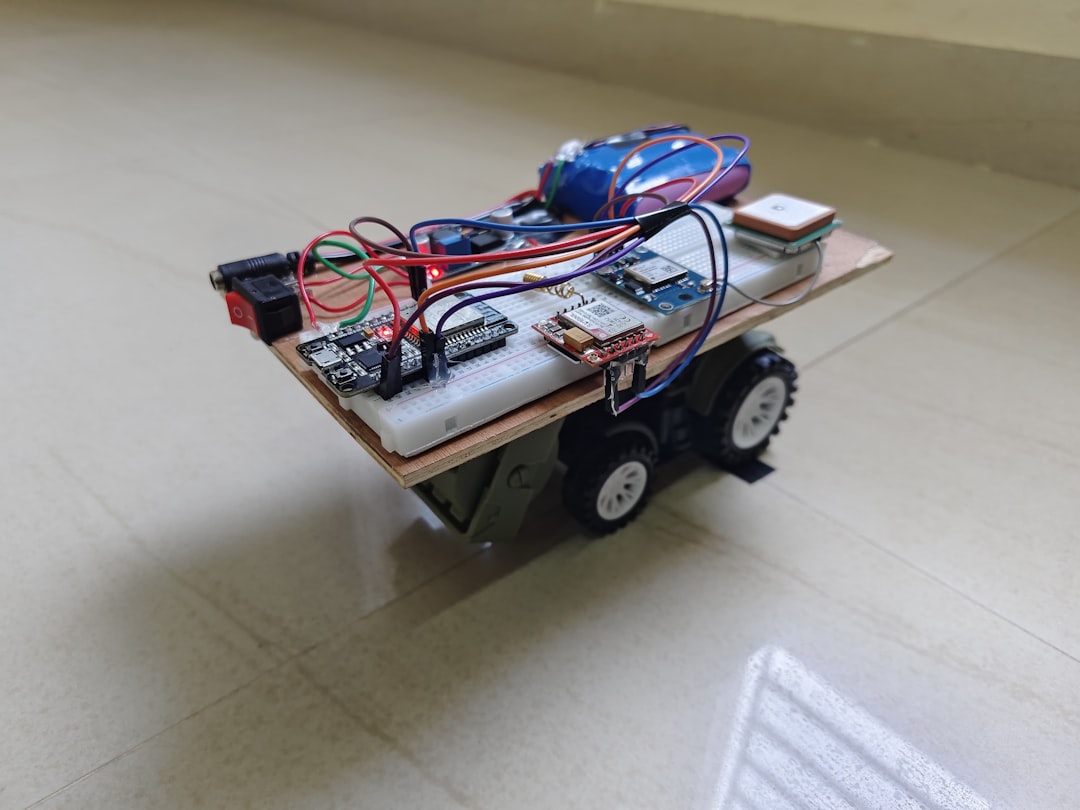
Autonomous systems represent a significant leap in technological advancement, characterised by their ability to operate independently without human intervention. These systems encompass a wide range of applications, from self-driving vehicles and drones to automated manufacturing processes and intelligent personal assistants. The development of such technologies has been propelled by advancements in artificial intelligence, machine learning, and robotics, enabling machines to perceive their environment, make decisions, and execute tasks with increasing efficiency and accuracy.
As these systems become more integrated into everyday life, understanding their implications becomes crucial for both individuals and society as a whole. The rise of autonomous systems has sparked considerable interest across various sectors, including transportation, healthcare, and defence. Their potential to enhance productivity, reduce human error, and improve safety is widely acknowledged.
However, the deployment of these technologies also raises complex questions regarding their ethical, legal, and social implications. As we navigate this new landscape, it is essential to critically examine the role of ethics in the design and implementation of autonomous systems, ensuring that they align with societal values and norms. Have you read the latest blog post on artificial intelligence?
Summary
- Autonomous systems are becoming increasingly prevalent in society, from self-driving cars to automated manufacturing processes.
- Ethical considerations play a crucial role in the development and deployment of autonomous systems, as they have the potential to impact human lives and society as a whole.
- Legal and moral responsibility in autonomous systems raises questions about who should be held accountable for the actions and decisions made by these systems.
- Accountability in autonomous systems is a complex issue that requires careful consideration of the roles and responsibilities of designers, manufacturers, and users.
- The impact of autonomous systems on society is far-reaching, with implications for employment, safety, and privacy that must be carefully managed and regulated.
The Role of Ethics in Autonomous Systems
Addressing Ethical Dilemmas
For instance, when an autonomous vehicle encounters an unavoidable accident scenario, how should it prioritise the safety of its passengers versus pedestrians? Such dilemmas highlight the need for ethical frameworks that can inform decision-making processes within these systems.
Broader Societal Concerns
Moreover, the ethical implications extend beyond individual scenarios to encompass broader societal concerns. Issues such as data privacy, surveillance, and the potential for bias in algorithmic decision-making must be carefully considered. The algorithms that drive autonomous systems are often trained on large datasets that may reflect existing societal biases. If not addressed, these biases can perpetuate inequalities and lead to unjust outcomes.
Ensuring Fairness and Inclusivity
Therefore, it is imperative for developers and stakeholders to engage in ongoing ethical discourse to ensure that autonomous systems are designed with fairness and inclusivity in mind.
Legal and Moral Responsibility

The question of legal and moral responsibility in the context of autonomous systems is complex and multifaceted. As these technologies operate independently, determining who is accountable for their actions becomes a pressing issue. In traditional scenarios involving human operators, responsibility is typically clear-cut; however, with autonomous systems, the lines become blurred.
For example, if a self-driving car is involved in an accident, should the liability fall on the manufacturer, the software developer, or the owner of the vehicle? This ambiguity necessitates a reevaluation of existing legal frameworks to accommodate the unique challenges posed by autonomous technologies. Furthermore, moral responsibility extends beyond legal accountability.
It involves considering the ethical implications of deploying autonomous systems in various contexts. Developers must grapple with the moral weight of their decisions, particularly when programming machines to make life-and-death choices. The challenge lies in creating systems that not only comply with legal standards but also align with societal values and ethical principles.
This dual responsibility underscores the importance of interdisciplinary collaboration among technologists, ethicists, and legal experts to establish comprehensive guidelines that address both legal and moral dimensions.
Accountability in Autonomous Systems
| Metrics | Data |
|---|---|
| Transparency | Percentage of autonomous system decision-making processes that are transparent to stakeholders |
| Explainability | Number of instances where autonomous systems provide clear explanations for their actions |
| Accountability Mechanisms | Frequency of accountability mechanisms being implemented and enforced in autonomous systems |
| Impact Assessment | Number of assessments conducted to measure the impact of autonomous systems on stakeholders |
Accountability in autonomous systems is a critical aspect that requires careful consideration as these technologies become more prevalent. The concept of accountability encompasses not only who is responsible for the actions of an autonomous system but also how that accountability can be enforced. In traditional settings, accountability mechanisms are well-established; however, the introduction of autonomous systems complicates this landscape.
For instance, if an autonomous drone malfunctions during a delivery operation resulting in property damage or injury, identifying the accountable party can be challenging. To address these challenges, it is essential to develop robust frameworks that delineate accountability in the context of autonomous systems. This may involve creating new regulatory standards that specify the responsibilities of manufacturers, developers, and users.
Additionally, transparency in how these systems operate is crucial for fostering trust among users and stakeholders. By ensuring that autonomous systems are designed with clear accountability mechanisms in place, we can mitigate potential risks and enhance public confidence in their deployment.
The Impact of Autonomous Systems on Society
The integration of autonomous systems into society has far-reaching implications that extend across various domains. One of the most significant impacts is on employment and the workforce. As automation becomes more prevalent in industries such as manufacturing and transportation, there is a growing concern about job displacement for workers whose roles may be rendered obsolete by machines.
While proponents argue that automation can lead to increased efficiency and economic growth, it is essential to consider the social ramifications of such changes. Moreover, autonomous systems have the potential to reshape social interactions and community dynamics. For instance, self-driving cars could alter urban planning and transportation infrastructure by reducing the need for parking spaces or changing traffic patterns.
Additionally, as people become more reliant on automated services for daily tasks, there may be shifts in how individuals engage with one another and their environments. Understanding these societal impacts requires a multidisciplinary approach that considers economic, social, and cultural factors.
Ethical Considerations in Programming and Design

The programming and design of autonomous systems are critical stages where ethical considerations must be integrated into the development process. Developers face numerous challenges when creating algorithms that govern decision-making in these systems. One key consideration is ensuring that algorithms are free from bias and discrimination.
This involves not only selecting diverse training datasets but also implementing rigorous testing protocols to identify and mitigate potential biases that may arise during operation. Additionally, ethical programming requires transparency in how decisions are made by autonomous systems. Users should have access to information about how algorithms function and the criteria used for decision-making.
This transparency fosters trust and allows users to understand the rationale behind actions taken by autonomous systems. Furthermore, incorporating ethical guidelines into design processes can help ensure that developers prioritise user safety and well-being while minimising potential harm.
The Role of Government and Regulatory Bodies
Government and regulatory bodies play a crucial role in shaping the landscape of autonomous systems through policy development and oversight. As these technologies continue to evolve rapidly, there is a pressing need for comprehensive regulations that address safety standards, liability issues, and ethical considerations. Policymakers must engage with technologists, ethicists, and industry stakeholders to create frameworks that promote innovation while safeguarding public interests.
Moreover, regulatory bodies must remain adaptable to keep pace with technological advancements. This may involve establishing dedicated agencies or task forces focused on monitoring developments in autonomous systems and assessing their societal impacts. By fostering collaboration between government entities and industry leaders, we can create an environment conducive to responsible innovation while ensuring that ethical standards are upheld.
Future Implications and Considerations
Looking ahead, the future implications of autonomous systems are vast and multifaceted. As technology continues to advance at an unprecedented rate, it is essential to remain vigilant about the ethical considerations surrounding their deployment. Ongoing dialogue among stakeholders—developers, ethicists, policymakers, and the public—will be vital in navigating the complexities associated with these technologies.
Furthermore, as autonomous systems become more integrated into daily life, there will be an increasing need for education and awareness regarding their capabilities and limitations. Public understanding of these technologies will play a crucial role in shaping perceptions and acceptance within society. By fostering informed discussions about the ethical implications of autonomous systems, we can work towards a future where technology serves as a force for good while respecting human values and rights.
In conclusion, while autonomous systems hold immense potential for transforming various aspects of society, it is imperative to approach their development with a strong ethical framework. By addressing issues related to responsibility, accountability, and societal impact from the outset, we can ensure that these technologies are designed to enhance human life rather than detract from it. The journey towards responsible innovation will require collaboration across disciplines and a commitment to upholding ethical standards as we embrace the future of autonomy.
In a recent article discussing the ethics of autonomous systems and the issue of responsibility, it is interesting to consider the implications of new technological advancements. One related article that caught my attention is about a website that can tell what you’re typing just by listening to the keystroke sound. This raises concerns about privacy and security in the digital age, highlighting the need for ethical considerations in the development and use of such technologies. As we navigate the complexities of autonomous systems, it is crucial to address these ethical dilemmas and ensure accountability for their actions.
FAQs
What are autonomous systems?
Autonomous systems are machines or devices that can perform tasks without human intervention. These systems can include robots, drones, self-driving cars, and other types of artificial intelligence.
What are the ethical considerations surrounding autonomous systems?
The ethical considerations surrounding autonomous systems include issues such as accountability, transparency, safety, privacy, and the impact on employment. These systems raise questions about who is responsible for their actions and decisions, as well as how to ensure that they are programmed to make ethical choices.
Who is responsible for the actions of autonomous systems?
Determining responsibility for the actions of autonomous systems is a complex issue. It involves considerations of the designers, manufacturers, operators, and regulators of these systems. There is ongoing debate about how to allocate responsibility in cases where autonomous systems cause harm or make unethical decisions.
What are some potential solutions for addressing the ethical challenges of autonomous systems?
Potential solutions for addressing the ethical challenges of autonomous systems include developing clear guidelines and regulations for their design and use, implementing ethical programming and decision-making processes, and establishing systems for accountability and oversight. Additionally, ongoing dialogue and collaboration between stakeholders are essential for addressing these challenges.
How do autonomous systems impact society?
Autonomous systems have the potential to significantly impact society in various ways, including changing the nature of work, transportation, healthcare, and warfare. These systems also raise concerns about privacy, security, and the distribution of power and resources. It is important to consider the broader societal implications of autonomous systems as they continue to develop and become more prevalent.


