
The convergence of artificial intelligence (AI) and the arts has sparked a profound transformation in how creativity is perceived and executed. As technology continues to evolve, the boundaries between human creativity and machine-generated content are increasingly blurred. This intersection raises intriguing questions about the nature of artistic expression, the role of the artist, and the potential for collaboration between humans and machines.
The integration of AI into various artistic domains not only enhances creative possibilities but also challenges traditional notions of authorship and originality. In recent years, AI has emerged as a powerful tool for artists, musicians, writers, and designers, offering new avenues for exploration and innovation. From generating visual art to composing music and crafting narratives, AI systems are being employed to augment human creativity in unprecedented ways.
This article delves into the multifaceted relationship between AI and the arts, examining how these technologies are reshaping creative expression across different mediums while also considering the ethical implications that arise from this dynamic interplay. Have you read the latest blog post on artificial intelligence?
Summary
- AI is revolutionizing the intersection of technology and the arts, opening up new possibilities for creative expression.
- AI plays a significant role in creative expression by enabling artists to explore new techniques and push the boundaries of traditional art forms.
- In visual arts, AI is transforming the landscape through generative art and digital sculpture, offering artists innovative tools for creation.
- AI is reshaping the music industry by facilitating the exploration of new sounds and compositions, challenging traditional notions of music creation.
- In literature, AI is changing the landscape of writing, editing, and storytelling, raising questions about the role of technology in the creative process.
The Role of AI in Creative Expression
AI’s role in creative expression is multifaceted, serving as both a collaborator and a catalyst for innovation. By leveraging machine learning algorithms, artists can explore vast datasets to uncover patterns, generate ideas, and even produce finished works. This collaborative approach allows for a unique fusion of human intuition and computational power, resulting in artworks that may not have been conceived through traditional methods alone.
For instance, artists can use AI to analyse existing works, drawing inspiration from historical styles or contemporary trends to inform their own creations. Moreover, AI can facilitate a more experimental approach to creativity. Artists are increasingly using AI tools to push the boundaries of their practice, experimenting with new forms and techniques that challenge conventional artistic norms.
This experimentation can lead to unexpected outcomes, encouraging artists to embrace uncertainty and explore uncharted territories in their work. As a result, AI not only enhances the creative process but also encourages artists to rethink their relationship with technology and the creative act itself.
AI and Visual Arts: From Generative Art to Digital Sculpture
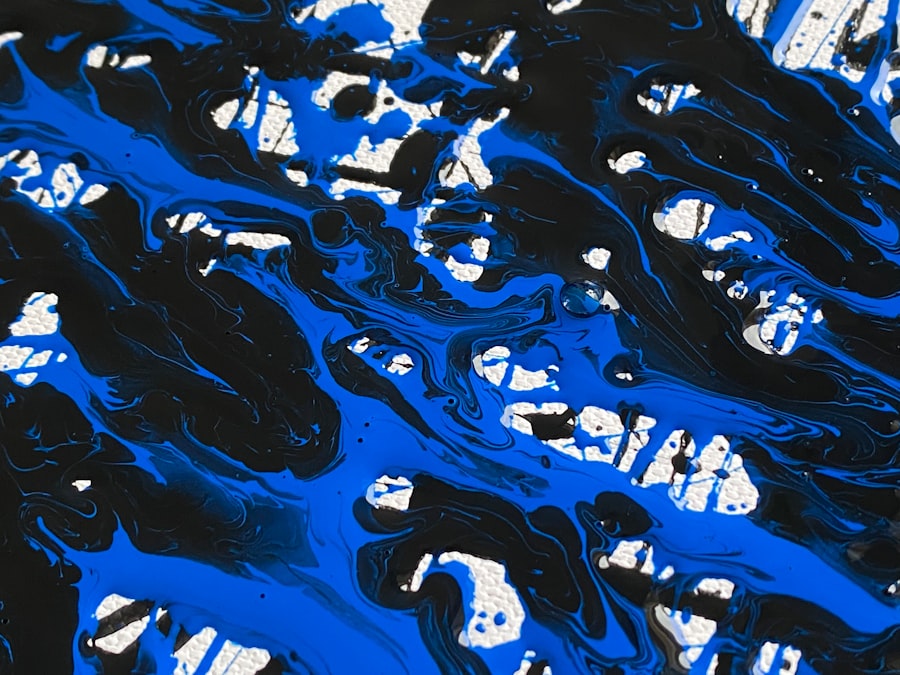
In the realm of visual arts, AI has made significant strides, particularly through the emergence of generative art. This form of art is created using algorithms that can produce unique visual outputs based on specific parameters set by the artist. Generative art exemplifies how AI can serve as a creative partner, enabling artists to explore complex visual patterns and forms that would be challenging to achieve manually.
Artists like Refik Anadol and Mario Klingemann have gained recognition for their innovative use of AI in creating immersive installations that captivate audiences with their dynamic visuals. Additionally, AI is revolutionising the field of digital sculpture. By employing 3D modelling software powered by AI algorithms, artists can create intricate sculptures that blend traditional craftsmanship with cutting-edge technology.
These digital sculptures can be realised through 3D printing or virtual reality environments, allowing for a new level of interactivity and engagement with viewers. The ability to manipulate digital materials in real-time opens up exciting possibilities for artists to experiment with scale, texture, and form in ways that were previously unimaginable.
AI and Music: Exploring New Sounds and Compositions
| Metrics | 2018 | 2019 | 2020 |
|---|---|---|---|
| Number of AI-generated music compositions | 100 | 250 | 500 |
| Percentage of music industry using AI tools | 10% | 20% | 30% |
| AI’s impact on music streaming revenue | 5% | 10% | 15% |
The impact of AI on music is equally profound, as it offers composers and musicians innovative tools for sound exploration and composition. AI algorithms can analyse vast libraries of music to identify patterns and generate new melodies, harmonies, and rhythms. This capability allows musicians to experiment with diverse musical styles and genres, often leading to the creation of entirely new sounds that challenge traditional musical conventions.
For example, platforms like OpenAI’s MuseNet can compose original pieces in various styles, from classical to jazz, showcasing the versatility of AI in music creation. Furthermore, AI is being utilised in music production to enhance the creative process. Tools powered by machine learning can assist in mixing tracks, suggesting arrangements, or even generating lyrics based on specific themes or emotions.
This collaborative approach not only streamlines the production process but also empowers musicians to focus on their artistic vision while leveraging technology to refine their work. As a result, AI is not merely a tool for music creation; it is becoming an integral part of the musical landscape, influencing how music is composed, produced, and experienced.
AI and Literature: Writing, Editing, and Storytelling
In literature, AI is making its mark through various applications that range from writing assistance to narrative generation. Natural language processing (NLP) technologies enable AI systems to analyse text patterns and generate coherent narratives based on prompts provided by human authors. This capability has led to the emergence of AI-generated stories that explore themes and genres in novel ways.
While some may view this as a threat to traditional storytelling, others see it as an opportunity for collaboration between human writers and machines. Moreover, AI tools are increasingly being used for editing and enhancing written content. Writers can utilise AI-driven grammar checkers and style suggestions to refine their work, ensuring clarity and coherence in their narratives.
These tools not only improve the quality of writing but also allow authors to experiment with different styles and voices without the fear of making fundamental errors. As such, AI is reshaping the literary landscape by providing writers with new resources that complement their creative processes while also challenging them to consider the implications of machine-generated narratives.
Ethical Considerations: The Impact of AI on the Arts
The integration of AI into the arts raises important ethical considerations that warrant careful examination. One significant concern revolves around authorship and ownership of creative works generated by AI systems. As machines increasingly contribute to artistic creation, questions arise about who holds the rights to these works—the artist who programmed the algorithm or the machine itself?
This ambiguity complicates traditional notions of intellectual property and challenges established frameworks for copyright protection. Additionally, there are concerns about the potential for bias in AI-generated content. Since AI systems learn from existing datasets, they may inadvertently perpetuate stereotypes or exclude diverse perspectives if not carefully monitored.
This raises questions about representation in the arts and the responsibility of artists and technologists to ensure that AI tools promote inclusivity rather than reinforce existing biases. As such, it is crucial for stakeholders in the arts community to engage in ongoing discussions about ethical practices surrounding AI integration.
The Future of AI and the Arts: Collaboration or Competition?
Looking ahead, the relationship between AI and the arts will likely continue to evolve as technology advances. The question remains: will this relationship be characterised by collaboration or competition? Many experts argue that collaboration is the most promising path forward.
By embracing AI as a partner in creativity rather than viewing it as a competitor, artists can harness its capabilities to enhance their work while maintaining their unique voices. However, there is also a valid concern that as AI becomes more sophisticated, it may overshadow human creativity in certain contexts. The proliferation of AI-generated content could lead to an oversaturation of artistic works that lack the emotional depth and nuance inherent in human expression.
To mitigate this risk, it is essential for artists to remain engaged with their craft while exploring how technology can complement their creative processes rather than replace them.
Embracing the Potential of AI in Artistic Expression
In conclusion, the intersection of AI and the arts presents both exciting opportunities and complex challenges. As artists continue to explore the potential of AI as a tool for creative expression, they are redefining what it means to be an artist in an increasingly digital world. By embracing collaboration with technology while remaining mindful of ethical considerations, artists can unlock new dimensions of creativity that enrich their work and engage audiences in innovative ways.
The future holds immense potential for further exploration at this intersection, where human ingenuity meets machine intelligence. As we navigate this evolving landscape, it is crucial for artists, technologists, and society at large to engage in thoughtful dialogue about the implications of AI in artistic expression. By doing so, we can ensure that this powerful technology serves as a catalyst for creativity rather than a replacement for it—ultimately enriching our cultural landscape for generations to come.
AI and the Arts: A New Frontier for Expression explores the intersection of artificial intelligence and creativity in the world of art. This fascinating article delves into how AI is being used to push the boundaries of artistic expression and create innovative works of art. For more tech-related news, check out Qualcomm’s announcement of the Snapdragon 7 Gen 1 processor, which promises to revolutionise mobile technology with its advanced features.
FAQs
What is AI and the Arts?
AI and the Arts refers to the intersection of artificial intelligence and creative expression. It involves the use of AI technologies such as machine learning, deep learning, and natural language processing to create, enhance, or interpret artistic works.
How is AI being used in the Arts?
AI is being used in the Arts in various ways, including generating art, music, and literature, enhancing creative processes, analyzing and interpreting artistic works, and creating immersive experiences through virtual and augmented reality.
What are some examples of AI in the Arts?
Examples of AI in the Arts include AI-generated paintings and sculptures, music compositions, poetry, and storytelling. AI is also used in creating interactive installations, virtual reality experiences, and digital art platforms.
What are the benefits of AI in the Arts?
The use of AI in the Arts can lead to new forms of creative expression, enable artists to explore new techniques and styles, and provide opportunities for collaboration between human creators and AI systems. It can also help in preserving and interpreting cultural heritage and expanding access to art and culture.
What are the challenges of AI in the Arts?
Challenges of AI in the Arts include ethical considerations around the use of AI in creative processes, concerns about the impact on traditional artistic practices, and questions about the role of AI in the creative ecosystem. There are also technical challenges related to the development and implementation of AI tools for artistic purposes.
How is AI impacting the future of artistic expression?
AI is impacting the future of artistic expression by opening up new possibilities for creativity, challenging traditional notions of authorship and creativity, and influencing the way art is produced, consumed, and experienced. It is also shaping the way artists and audiences interact with technology and the creative process.


 and the arts has sparked a profound transformation in how creativity is perceived and executed. As..)