

The advent of artificial intelligence (AI) has significantly transformed various sectors, with customer service being one of the most impacted areas. Over the past decade, businesses have increasingly recognised the potential of AI technologies to enhance operational efficiency and improve customer interactions. The rise of AI in customer service can be attributed to several factors, including the growing demand for 24/7 support, the need for personalised experiences, and the ability to process vast amounts of data quickly.
As consumers become more accustomed to instant responses and tailored services, companies are compelled to adopt AI solutions to remain competitive. Moreover, advancements in natural language processing (NLP) and machine learning have enabled AI systems to understand and respond to customer inquiries with remarkable accuracy. This evolution has led to the development of sophisticated tools that can analyse customer behaviour, predict needs, and provide relevant solutions in real-time.
As a result, businesses are not only able to streamline their operations but also enhance customer satisfaction by delivering timely and effective support. The integration of AI into customer service is no longer a futuristic concept; it is a present-day reality that is reshaping how organisations interact with their clientele. Have you read the latest blog post on artificial intelligence?
Summary
- AI is revolutionising customer service by providing efficient and personalised solutions to customer queries.
- Chatbots play a crucial role in transforming customer service by providing instant responses and 24/7 availability.
- AI and chatbots enhance customer experience by providing quick and accurate solutions, leading to higher customer satisfaction.
- Implementing AI and chatbots in customer service can lead to cost savings, improved efficiency, and better customer engagement.
- Overcoming challenges in adopting AI and chatbots for customer service requires careful planning, training, and monitoring to ensure seamless integration and customer satisfaction.
The Role of Chatbots in Revolutionising Customer Service
Chatbots have emerged as a pivotal component in the AI-driven transformation of customer service. These automated conversational agents are designed to simulate human interaction, providing customers with immediate assistance through text or voice interfaces. The role of chatbots in revolutionising customer service lies in their ability to handle a multitude of inquiries simultaneously, thereby alleviating the burden on human representatives.
This capability not only improves response times but also ensures that customers receive consistent information regardless of when they reach out for help. Furthermore, chatbots can be programmed to learn from previous interactions, allowing them to refine their responses over time. This continuous learning process enhances their effectiveness, enabling them to tackle increasingly complex queries.
By integrating chatbots into customer service frameworks, organisations can offer a seamless experience that combines efficiency with accessibility. As businesses continue to embrace this technology, chatbots are becoming indispensable tools for managing customer relationships and fostering loyalty.
How AI and Chatbots Enhance Customer Experience

The enhancement of customer experience through AI and chatbots is multifaceted. Firstly, these technologies enable businesses to provide instant support, which is crucial in an era where consumers expect immediate answers. By utilising AI algorithms, companies can analyse customer data to anticipate needs and offer proactive solutions.
This predictive capability not only improves satisfaction but also fosters a sense of being valued among customers, as they feel understood and catered to. Additionally, AI and chatbots facilitate personalised interactions by leveraging data analytics. By analysing past purchases, preferences, and behaviours, these systems can tailor recommendations and responses to individual customers.
This level of personalisation creates a more engaging experience, encouraging customers to return and interact with the brand again. As a result, organisations that effectively implement AI and chatbots are likely to see increased customer retention rates and enhanced brand loyalty.
The Benefits of Implementing AI and Chatbots in Customer Service
| Benefits | Metrics |
|---|---|
| Improved Customer Satisfaction | Net Promoter Score (NPS) |
| 24/7 Availability | Percentage of after-hours inquiries handled |
| Reduced Response Time | Average response time to customer queries |
| Cost Savings | Reduction in customer service operational costs |
| Personalised Customer Experience | Customer feedback on personalised interactions |
Implementing AI and chatbots in customer service offers numerous benefits that extend beyond mere operational efficiency. One significant advantage is cost reduction. By automating routine inquiries and tasks, businesses can allocate human resources to more complex issues that require emotional intelligence and critical thinking.
This not only optimises workforce productivity but also reduces overhead costs associated with hiring additional staff for peak times. Moreover, the scalability of AI solutions allows businesses to manage fluctuating demand without compromising service quality. During high-traffic periods, such as holiday seasons or promotional events, chatbots can handle increased volumes of inquiries without the need for extensive staffing adjustments.
This flexibility ensures that customers receive timely assistance regardless of external circumstances. Additionally, the data collected through AI interactions can provide valuable insights into customer preferences and trends, enabling organisations to refine their strategies and offerings continually.
Overcoming Challenges in Adopting AI and Chatbots for Customer Service
Despite the clear advantages of adopting AI and chatbots in customer service, several challenges must be addressed for successful implementation. One primary concern is the potential for miscommunication between customers and automated systems. While advancements in NLP have improved chatbot capabilities, there are still instances where misunderstandings occur due to language nuances or complex queries.
Businesses must invest in ongoing training and refinement of their AI systems to minimise these issues and ensure a smooth user experience. Another challenge lies in the integration of AI technologies with existing customer service frameworks. Many organisations may struggle with legacy systems that are not compatible with modern AI solutions.
To overcome this hurdle, companies should conduct thorough assessments of their current infrastructure and develop a clear roadmap for integration. This may involve investing in new technologies or partnering with specialised vendors who can facilitate a seamless transition. By addressing these challenges proactively, businesses can harness the full potential of AI and chatbots in their customer service operations.
The Future of Customer Service: AI and Chatbots
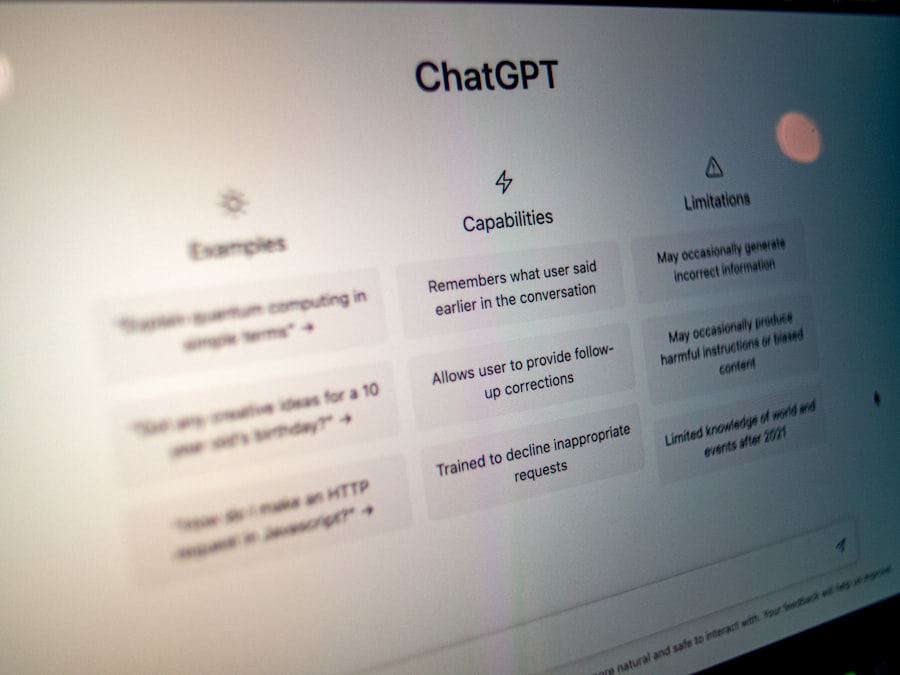
The future of customer service is poised for further transformation as AI and chatbots continue to evolve. Emerging technologies such as voice recognition and sentiment analysis are set to enhance the capabilities of these systems even further. For instance, voice-activated chatbots will allow customers to engage with brands through natural speech, making interactions more intuitive and user-friendly.
Additionally, sentiment analysis will enable chatbots to gauge customer emotions during conversations, allowing for more empathetic responses that can significantly improve the overall experience. As AI technology advances, we can also expect greater integration between chatbots and other digital channels such as social media and messaging apps. This omnichannel approach will provide customers with a cohesive experience across various platforms, ensuring that they receive consistent support regardless of how they choose to engage with a brand.
Ultimately, the future of customer service will likely see a harmonious blend of AI-driven automation and human expertise, creating an environment where both technology and personal touch coexist to meet evolving consumer expectations.
Best Practices for Integrating AI and Chatbots into Customer Service Strategies
To successfully integrate AI and chatbots into customer service strategies, organisations should adhere to several best practices. Firstly, it is essential to define clear objectives for what the implementation aims to achieve. Whether it is reducing response times, improving customer satisfaction scores, or increasing sales conversions, having specific goals will guide the development process and help measure success.
Secondly, businesses should prioritise user experience when designing chatbot interactions. This involves creating intuitive interfaces that allow customers to navigate easily through options while ensuring that responses are clear and helpful. Regular testing and feedback collection from users can provide valuable insights into areas for improvement.
Furthermore, organisations should consider implementing hybrid models where chatbots handle routine inquiries while human representatives manage more complex issues. This approach not only optimises efficiency but also maintains a personal touch that many customers still value.
The Human Touch: Balancing AI and Chatbots with Human Customer Service Representatives
While AI and chatbots offer significant advantages in customer service, it is crucial not to overlook the importance of human interaction. Many customers still prefer speaking with a live representative when dealing with complex issues or when they require empathy and understanding. Therefore, striking a balance between automated solutions and human support is essential for delivering an exceptional customer experience.
Organisations should focus on creating a seamless transition between chatbot interactions and human representatives when necessary. For instance, if a chatbot cannot resolve an issue after a certain number of attempts or if it detects frustration from the user’s responses, it should seamlessly escalate the conversation to a human agent without requiring the customer to repeat information already provided. This approach not only enhances efficiency but also demonstrates a commitment to customer satisfaction by ensuring that individuals feel heard and valued throughout their journey.
In conclusion, the rise of AI and chatbots in customer service represents a significant shift in how businesses engage with their customers. By understanding the roles these technologies play, their benefits, challenges, and best practices for integration, organisations can create effective strategies that enhance customer experiences while maintaining the essential human touch that fosters loyalty and trust. As we look towards the future, it is clear that a balanced approach will be key in navigating this evolving landscape successfully.
AI in Customer Service: Chatbots and Beyond is a fascinating topic that explores the impact of artificial intelligence on customer interactions. In a related article, a serious vulnerability in the Google Chrome browser has been discovered, allowing for the hacking of Android devices. This highlights the importance of cybersecurity in an increasingly digital world. To read more about this concerning issue, check out the article here. It serves as a reminder of the potential risks associated with technology and the need for robust security measures.
FAQs
What is AI in customer service?
AI in customer service refers to the use of artificial intelligence technologies, such as chatbots and virtual assistants, to automate and improve customer interactions. These technologies can handle customer queries, provide information, and even perform tasks without human intervention.
What are chatbots?
Chatbots are AI-powered software programs designed to simulate conversation with human users. They are commonly used in customer service to answer frequently asked questions, provide support, and assist with basic tasks.
How do chatbots work in customer service?
Chatbots work in customer service by using natural language processing and machine learning algorithms to understand and respond to customer queries. They can be integrated into messaging platforms, websites, and mobile apps to provide instant and automated support to customers.
What are the benefits of using AI in customer service?
The benefits of using AI in customer service include 24/7 availability, faster response times, cost savings, improved efficiency, and the ability to handle a large volume of customer queries simultaneously. AI technologies can also provide personalised and consistent support to customers.
What are the limitations of AI in customer service?
Some limitations of AI in customer service include the potential for misunderstandings or misinterpretations of customer queries, the inability to handle complex or emotional interactions, and the need for ongoing maintenance and updates to ensure accuracy and relevance.
What is the future of AI in customer service?
The future of AI in customer service is likely to involve further advancements in natural language processing, machine learning, and automation technologies. This may lead to more sophisticated and personalised customer interactions, as well as the integration of AI with other customer service channels, such as voice assistants and social media platforms.


 has significantly transformed various sectors, with customer service being one of the most impacted areas...)