
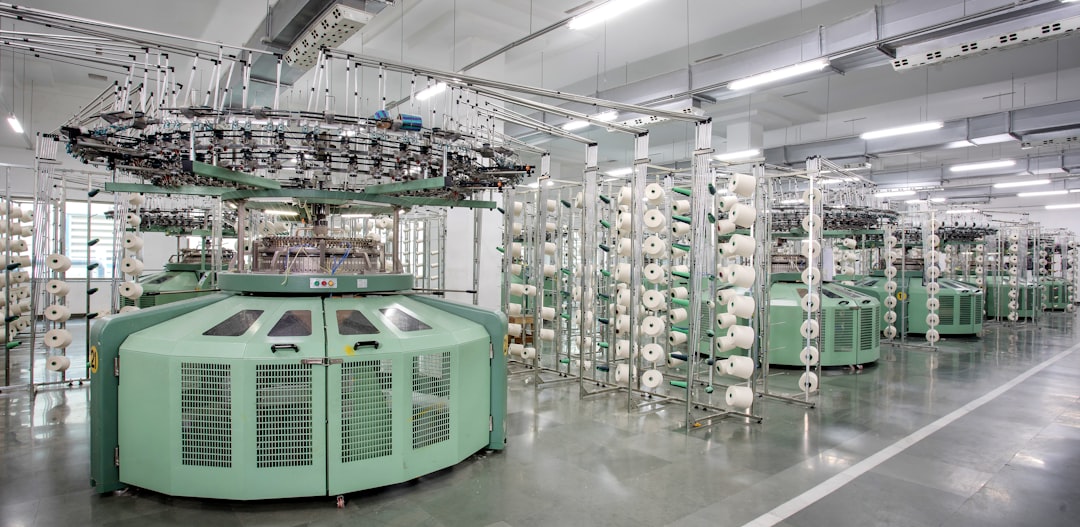
The journey of manufacturing has undergone significant transformations since the dawn of the Industrial Revolution, which marked the beginning of Industry 1.0. This era, characterised by mechanisation and the introduction of steam power, laid the groundwork for mass production. Factories began to emerge, utilising water and steam to power machinery, which drastically increased production capabilities.
The focus during this period was primarily on efficiency and output, with little regard for the environmental or social implications of industrial activities. As manufacturing processes evolved, so too did the technologies that supported them, leading to the advent of Industry 2.0. Industry 2.0 introduced electricity and assembly line production, revolutionising the way goods were manufactured.
This era saw the rise of mass production techniques, which allowed for the rapid creation of products at a scale previously unimaginable. The introduction of conveyor belts and standardised parts enabled manufacturers to produce goods more efficiently and at a lower cost. However, this period also highlighted the need for better working conditions and labour rights, as workers often faced long hours in hazardous environments.
The transition to Industry 3.0 brought about automation and computerisation, further enhancing productivity while also introducing new challenges related to workforce displacement and skill gaps. The current phase, often referred to as Industry 4.0, represents a paradigm shift towards smart manufacturing. This era is characterised by the integration of digital technologies such as the Internet of Things (IoT), big data analytics, and artificial intelligence (AI) into manufacturing processes.
These advancements enable real-time data collection and analysis, allowing for more informed decision-making and greater operational efficiency. As we move further into this new industrial age, the focus is not only on productivity but also on sustainability and adaptability in an ever-changing global market.
As we look towards the future, the concept of Manufacturing 5.0 is emerging, where human-centric approaches are integrated with advanced technologies like artificial intelligence. In this new paradigm, AI plays a pivotal role in enhancing manufacturing processes by enabling greater collaboration between humans and machines. AI systems can analyse vast amounts of data to identify patterns and trends that would be impossible for humans to discern alone.
This capability allows manufacturers to optimise their operations, reduce waste, and improve product quality. Moreover, AI facilitates predictive maintenance, which is crucial for minimising downtime and extending the lifespan of machinery. By leveraging machine learning algorithms, manufacturers can predict when equipment is likely to fail and schedule maintenance accordingly, thereby avoiding costly disruptions.
Additionally, AI-driven automation can streamline production lines, allowing for more flexible manufacturing processes that can quickly adapt to changing consumer demands. This adaptability is essential in today’s fast-paced market, where customer preferences can shift rapidly. The integration of AI into manufacturing processes also enhances supply chain management.
AI algorithms can forecast demand more accurately, enabling manufacturers to adjust their production schedules and inventory levels accordingly. This not only reduces excess stock but also ensures that products are available when customers need them. As Manufacturing 5.0 continues to evolve, the synergy between human intelligence and artificial intelligence will be crucial in driving innovation and maintaining competitiveness in the global marketplace. Have you read the latest blog post on artificial intelligence?
Summary
- Industry 1.0 marked the beginning of manufacturing with the use of water and steam power, while Industry 4.0 is characterized by the integration of digital technologies and the Internet of Things.
- Artificial Intelligence plays a crucial role in Manufacturing 5.0 by enabling predictive maintenance, quality control, and autonomous decision-making processes.
- The advantages of AI in manufacturing include increased efficiency, improved product quality, and cost savings, while challenges include data security, job displacement, and the need for skilled workers.
- AI and robotics are shaping the future of manufacturing by automating repetitive tasks, enhancing productivity, and enabling flexible production processes.
- The impact of AI on the workforce in manufacturing includes the potential for job displacement, the need for upskilling, and the creation of new job roles in AI-related fields.
The advantages of incorporating AI into manufacturing are manifold. One of the most significant benefits is increased efficiency. AI systems can process data at speeds far beyond human capabilities, allowing for real-time decision-making that optimises production processes.
This efficiency translates into cost savings, as manufacturers can reduce waste and improve resource allocation. Furthermore, AI can enhance product quality by identifying defects early in the production process, thereby minimising the risk of faulty products reaching consumers. However, the implementation of AI in manufacturing is not without its challenges.
One major concern is the potential for job displacement as automation takes over tasks traditionally performed by humans. While AI can enhance productivity, it may also lead to a reduction in the workforce required for certain roles. This shift necessitates a focus on reskilling and upskilling workers to ensure they can adapt to new technologies and remain relevant in an evolving job market.
Another challenge lies in the integration of AI systems with existing manufacturing infrastructure. Many companies may struggle with legacy systems that are not compatible with modern AI technologies. This can lead to significant upfront costs and require substantial investment in training personnel to operate new systems effectively.
Additionally, there are concerns regarding data security and privacy as manufacturers increasingly rely on interconnected devices and cloud-based solutions.
AI and Robotics: The Future of Manufacturing
The intersection of AI and robotics is poised to redefine the landscape of manufacturing in profound ways. Collaborative robots, or cobots, are designed to work alongside human operators, enhancing productivity while ensuring safety in the workplace. These robots can perform repetitive tasks with precision and speed, allowing human workers to focus on more complex and creative aspects of production.
The integration of AI into robotic systems enables them to learn from their environment and adapt their behaviour based on real-time feedback. As robotics technology continues to advance, we can expect to see an increase in autonomous systems capable of performing intricate tasks without human intervention. This shift will not only improve efficiency but also allow manufacturers to operate around the clock, maximising output while minimising labour costs.
However, this evolution raises important questions about the future role of human workers in manufacturing environments. While automation offers numerous benefits, it is essential to strike a balance between technology and human involvement. The future of manufacturing will likely involve a hybrid approach where humans and machines collaborate seamlessly.
This collaboration will require a cultural shift within organisations, emphasising continuous learning and adaptability among employees. As manufacturers embrace this new era of AI-driven robotics, they must also consider how to create an inclusive environment that values both technological innovation and human expertise.
The Impact of AI on the Workforce in Manufacturing
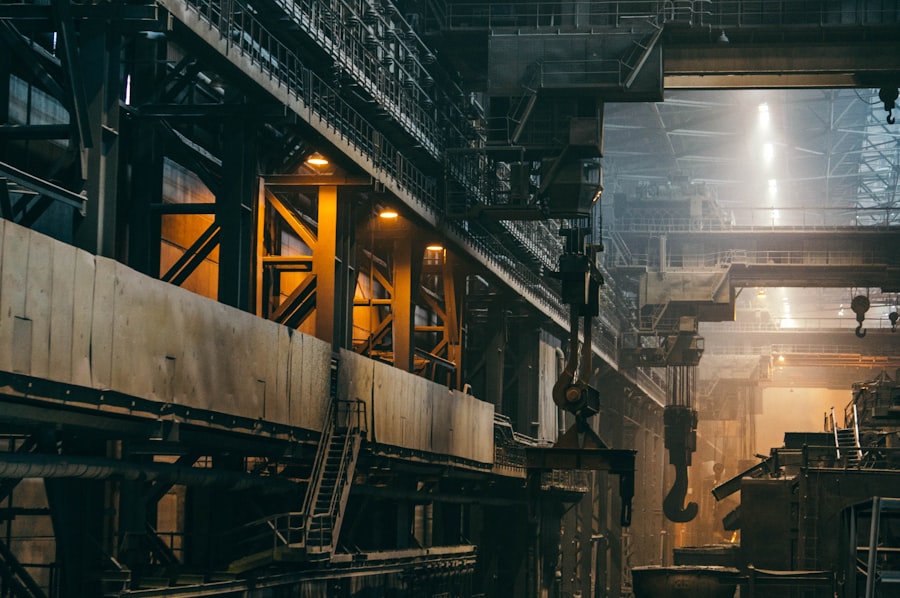
The integration of AI into manufacturing processes has significant implications for the workforce. On one hand, there is a potential for job displacement as machines take over tasks traditionally performed by humans. Roles that involve repetitive or manual tasks are particularly vulnerable to automation, leading to concerns about unemployment in certain sectors.
However, it is important to recognise that while some jobs may be lost, new opportunities will also emerge as industries evolve. As manufacturers adopt AI technologies, there will be an increasing demand for skilled workers who can operate and maintain these advanced systems. This shift necessitates a focus on education and training programmes that equip workers with the necessary skills to thrive in an AI-driven environment.
Upskilling initiatives will be crucial in helping employees transition into new roles that require a higher level of technical expertise. Moreover, the implementation of AI can lead to improved working conditions for employees by reducing their exposure to hazardous tasks and allowing them to engage in more meaningful work. By automating mundane activities, workers can focus on problem-solving, creativity, and innovation—skills that are uniquely human and cannot be easily replicated by machines.
As such, the impact of AI on the workforce should be viewed through a lens of opportunity rather than solely as a threat.
Implementing AI in Manufacturing: Best Practices and Case Studies
| Case Study | AI Implementation | Impact |
|---|---|---|
| Company A | AI-powered predictive maintenance | Reduced downtime by 30% |
| Company B | AI-driven quality control | Improved defect detection by 25% |
| Company C | AI-enabled demand forecasting | Reduced inventory costs by 20% |
Successfully implementing AI in manufacturing requires careful planning and execution. One best practice is to start with pilot projects that allow organisations to test AI technologies on a smaller scale before full-scale deployment. This approach enables manufacturers to identify potential challenges and refine their strategies based on real-world feedback.
Additionally, involving cross-functional teams in the implementation process can foster collaboration and ensure that diverse perspectives are considered. Case studies from various industries illustrate the successful integration of AI into manufacturing processes. For instance, a leading automotive manufacturer implemented AI-driven predictive maintenance systems that significantly reduced downtime by anticipating equipment failures before they occurred.
By analysing historical data from machinery sensors, the company was able to optimise maintenance schedules and improve overall operational efficiency. Another example can be found in the consumer goods sector, where a manufacturer utilised AI algorithms to enhance its supply chain management. By analysing market trends and consumer behaviour data, the company was able to forecast demand more accurately and adjust its production accordingly.
This not only reduced excess inventory but also improved customer satisfaction by ensuring products were available when needed. These case studies highlight the importance of leveraging data analytics and fostering a culture of innovation within organisations as they embark on their AI journey. By embracing best practices and learning from successful implementations, manufacturers can position themselves for success in an increasingly competitive landscape.
The Future of Manufacturing: AI and Sustainable Practices
As we look towards the future of manufacturing, sustainability will play an increasingly vital role in shaping industry practices. The integration of AI technologies offers significant opportunities for manufacturers to enhance their sustainability efforts by optimising resource usage and reducing waste throughout the production process. For instance, AI can analyse energy consumption patterns within factories and identify areas where efficiencies can be gained.
Moreover, AI-driven analytics can support circular economy initiatives by enabling manufacturers to track materials throughout their lifecycle—from sourcing to disposal—ensuring that resources are used efficiently and responsibly. By leveraging data insights, companies can make informed decisions about material selection and waste management strategies that align with sustainability goals. The future of manufacturing will also see a greater emphasis on eco-friendly practices driven by consumer demand for sustainable products.
Manufacturers that embrace AI technologies will be better equipped to respond to these demands by developing innovative solutions that minimise environmental impact while maintaining profitability.
Regulatory and Ethical Considerations in AI-driven Manufacturing

As artificial intelligence becomes increasingly integrated into manufacturing processes, regulatory and ethical considerations must be addressed to ensure responsible implementation. One key concern is data privacy; manufacturers must navigate complex regulations regarding data collection and usage while ensuring that sensitive information is protected from breaches or misuse. Additionally, ethical considerations surrounding job displacement must be taken into account as organisations adopt automation technologies.
It is essential for manufacturers to engage with stakeholders—including employees—when developing strategies for workforce transition and reskilling initiatives. Furthermore, transparency in AI decision-making processes is crucial for building trust among consumers and employees alike. Manufacturers should strive for accountability in their use of AI technologies by providing clear explanations of how decisions are made and ensuring that algorithms are free from bias.
In conclusion, while the integration of AI into manufacturing presents numerous opportunities for innovation and efficiency gains, it also raises important regulatory and ethical questions that must be addressed proactively as industries move forward into this new era.
In a recent article discussing the future of AI in manufacturing, the concept of Industry 5.0 and beyond was explored in depth. This article highlighted the potential for artificial intelligence to revolutionise the manufacturing industry, paving the way for increased efficiency and productivity. To further explore the impact of AI on different sectors, an interesting read on WhatsApp doubling the number of group chat members could provide valuable insights. Check out the article here.
FAQs
What is Industry 5.0 in the context of AI in manufacturing?
Industry 5.0 refers to the integration of artificial intelligence (AI) and advanced technologies into the manufacturing industry, with a focus on collaboration between humans and machines to improve productivity, efficiency, and innovation.
How is AI currently being used in manufacturing?
AI is being used in manufacturing for predictive maintenance, quality control, supply chain optimization, autonomous robots, and process automation. It is also being used for data analysis and decision-making to improve overall operational efficiency.
What are the potential benefits of AI in manufacturing?
The potential benefits of AI in manufacturing include increased productivity, improved product quality, reduced downtime, enhanced safety, and the ability to adapt to changing market demands more effectively.
What is the future outlook for AI in manufacturing?
The future of AI in manufacturing is expected to involve even greater integration of AI and advanced technologies, leading to more autonomous and flexible production processes, as well as further collaboration between humans and machines to drive innovation and efficiency.


