

The integration of Artificial Intelligence (AI) and the Internet of Medical Things (IoMT) is revolutionising the healthcare landscape. AI refers to the simulation of human intelligence processes by machines, particularly computer systems, which can perform tasks such as learning, reasoning, and self-correction. On the other hand, IoMT encompasses a network of connected devices that collect and transmit health data, enabling real-time monitoring and management of patients’ health conditions.
Together, these technologies are not only enhancing patient care but also streamlining operations within healthcare facilities. As healthcare systems worldwide grapple with increasing demands for efficiency and improved patient outcomes, the convergence of AI and IoMT presents a promising solution. By harnessing vast amounts of data generated by IoMT devices, AI algorithms can analyse patterns, predict outcomes, and support clinical decision-making.
This synergy is paving the way for more personalised treatment plans, proactive health management, and ultimately, a shift towards a more connected and responsive healthcare ecosystem. Have you read the latest blog post on artificial intelligence?
Summary
- AI and IoMT are revolutionizing healthcare by improving patient care, diagnosis, and treatment through advanced technology and data analysis.
- The benefits of AI and IoMT in healthcare include improved accuracy in diagnosis, personalized treatment plans, remote patient monitoring, and efficient healthcare management.
- Challenges in implementing AI and IoMT in healthcare include data privacy concerns, interoperability issues, resistance to change, and the need for extensive training and education for healthcare professionals.
- The future of connected medicine lies in the seamless integration of AI and IoMT, leading to more efficient and effective healthcare delivery and improved patient outcomes.
- Ethical considerations in AI and IoMT in healthcare include the responsible use of patient data, transparency in decision-making processes, and the potential impact on patient-doctor relationships.
The Benefits of AI and IoMT in Healthcare
The benefits of integrating AI and IoMT in healthcare are manifold, significantly enhancing both patient care and operational efficiency. One of the most notable advantages is the ability to provide real-time monitoring of patients’ health conditions. Wearable devices, such as smartwatches and health trackers, continuously collect data on vital signs, activity levels, and other health metrics.
This information can be transmitted to healthcare providers, allowing for timely interventions when abnormalities are detected. Consequently, this proactive approach can lead to improved patient outcomes and reduced hospitalisation rates. Moreover, AI algorithms can analyse the vast amounts of data generated by IoMT devices to identify trends and predict potential health issues before they escalate.
For instance, machine learning models can be trained to recognise patterns associated with chronic diseases, enabling early diagnosis and intervention. This predictive capability not only enhances patient safety but also optimises resource allocation within healthcare systems. By anticipating patient needs, healthcare providers can better manage their workloads and reduce unnecessary costs associated with emergency care.
The Challenges of Implementing AI and IoMT in Healthcare

Despite the numerous advantages offered by AI and IoMT, several challenges hinder their widespread implementation in healthcare settings. One significant barrier is the interoperability of devices and systems. Many IoMT devices are manufactured by different companies, each with its own protocols and standards for data transmission.
This lack of standardisation can lead to difficulties in integrating various devices into a cohesive system, ultimately limiting the effectiveness of AI applications that rely on comprehensive data analysis. Additionally, there are concerns regarding the accuracy and reliability of AI algorithms. While these technologies have shown promise in various applications, they are not infallible.
Misdiagnoses or incorrect predictions can have serious consequences for patient safety. Ensuring that AI systems are rigorously tested and validated before deployment is crucial to building trust among healthcare professionals and patients alike. Furthermore, ongoing monitoring and refinement of these algorithms are necessary to maintain their efficacy as new data becomes available.
The Future of Connected Medicine: AI and IoMT Integration
| Metrics | 2019 | 2020 | 2021 |
|---|---|---|---|
| Number of AI-powered medical devices | 200 | 350 | 500 |
| IoMT market size (in billion pounds) | 5 | 8 | 12 |
| Percentage of healthcare providers using AI for diagnostics | 30% | 45% | 60% |
| Number of IoMT-connected devices in hospitals | 5000 | 8000 | 12000 |
Looking ahead, the future of connected medicine appears bright with the continued integration of AI and IoMT technologies. As advancements in machine learning and data analytics progress, we can expect even more sophisticated applications that enhance patient care. For instance, AI-driven telemedicine platforms could become increasingly prevalent, allowing healthcare providers to conduct remote consultations while leveraging real-time data from IoMT devices.
This would not only improve access to care for patients in remote areas but also facilitate continuous monitoring of chronic conditions. Moreover, the potential for personalised medicine is expanding as AI systems become more adept at analysing individual patient data. By considering genetic information alongside real-time health metrics collected from IoMT devices, healthcare providers can tailor treatment plans to meet the unique needs of each patient.
This shift towards personalised care has the potential to improve treatment efficacy and patient satisfaction significantly.
Ethical Considerations in AI and IoMT in Healthcare
The integration of AI and IoMT in healthcare raises several ethical considerations that must be addressed to ensure responsible implementation. One primary concern is patient privacy and consent. The collection and transmission of sensitive health data through connected devices necessitate robust measures to protect patient information from unauthorised access or breaches.
Healthcare providers must establish clear protocols for data handling and ensure that patients are informed about how their data will be used. Additionally, there is the issue of algorithmic bias in AI systems. If the data used to train these algorithms is not representative of diverse populations, there is a risk that certain groups may receive suboptimal care or be misdiagnosed.
It is essential for developers to prioritise inclusivity in their datasets and continuously evaluate their algorithms for fairness. By addressing these ethical concerns proactively, the healthcare industry can foster trust among patients and professionals while maximising the benefits of AI and IoMT technologies.
The Role of Data Security in AI and IoMT in Healthcare
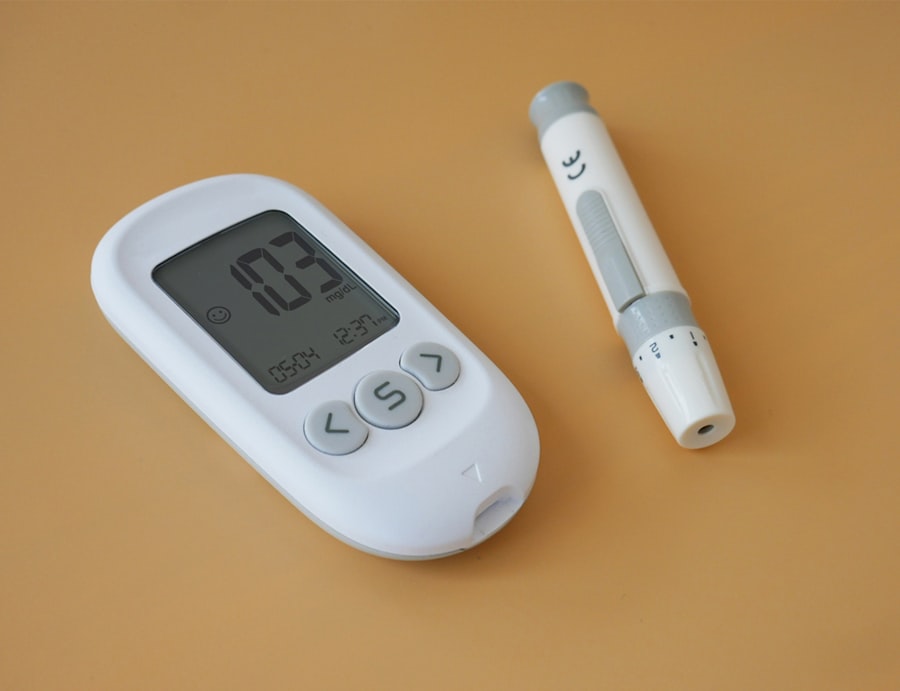
Data security plays a pivotal role in the successful implementation of AI and IoMT in healthcare. As these technologies rely heavily on the collection and analysis of sensitive health information, safeguarding this data from cyber threats is paramount. Healthcare organisations must invest in robust cybersecurity measures to protect against potential breaches that could compromise patient confidentiality or disrupt critical services.
Furthermore, regulatory frameworks governing data protection must evolve alongside technological advancements. Compliance with regulations such as the General Data Protection Regulation (GDPR) in Europe is essential for ensuring that patient data is handled responsibly. Healthcare providers should implement comprehensive training programs for staff to raise awareness about data security best practices and foster a culture of vigilance regarding potential threats.
The Impact of AI and IoMT on Healthcare Professionals
The integration of AI and IoMT technologies is transforming the roles of healthcare professionals across various disciplines. While some may view these advancements as a threat to job security, they actually present opportunities for enhanced collaboration between humans and machines. By automating routine tasks such as data entry or preliminary diagnostics, AI can free up valuable time for healthcare professionals to focus on more complex aspects of patient care.
Moreover, the use of AI-driven decision support tools can augment clinical judgement by providing evidence-based recommendations tailored to individual patients’ needs. This collaborative approach not only improves the quality of care but also empowers healthcare professionals with enhanced resources to make informed decisions. As a result, the relationship between technology and healthcare providers is evolving into one characterised by partnership rather than competition.
The Potential of AI and IoMT in Advancing Healthcare
In conclusion, the integration of AI and IoMT holds immense potential for advancing healthcare delivery worldwide. By harnessing the power of real-time data collection and advanced analytics, these technologies can significantly improve patient outcomes while optimising operational efficiency within healthcare systems. However, it is crucial to address the challenges associated with implementation, including interoperability issues, ethical considerations, and data security concerns.
As we move forward into an era characterised by connected medicine, it is essential for stakeholders across the healthcare spectrum—providers, policymakers, technologists, and patients—to collaborate in shaping a future where AI and IoMT are leveraged responsibly and effectively. By doing so, we can unlock new possibilities for personalised care, enhance patient safety, and ultimately create a more responsive healthcare ecosystem that meets the needs of all individuals. The journey towards this future may be complex, but the potential rewards are undoubtedly worth pursuing.
In a recent article discussing the impact of AI and the Internet of Medical Things (IoMT) on connected healthcare, it was highlighted how technology is revolutionising the healthcare industry. The article delves into how AI-powered devices and IoMT are transforming patient care and improving medical outcomes. For more information on the latest technological advancements, you can check out this insightful article on SEO Site Checkup.
FAQs
What is AI and the Internet of Medical Things (IoMT) in healthcare?
AI and the Internet of Medical Things (IoMT) refer to the integration of artificial intelligence and connected medical devices and systems in healthcare. This allows for the collection, analysis, and sharing of medical data to improve patient care and outcomes.
How does AI and IoMT benefit healthcare?
AI and IoMT can benefit healthcare by enabling remote patient monitoring, predictive analytics for early disease detection, personalised treatment plans, and improved operational efficiency in healthcare facilities.
What are some examples of AI and IoMT in healthcare?
Examples of AI and IoMT in healthcare include wearable devices that monitor vital signs, smart medical devices that can communicate with each other and with healthcare providers, and AI-powered diagnostic tools that can analyse medical images and data.
What are the challenges of implementing AI and IoMT in healthcare?
Challenges of implementing AI and IoMT in healthcare include data privacy and security concerns, interoperability of different medical devices and systems, regulatory compliance, and the need for healthcare professionals to adapt to new technologies.
How is AI and IoMT regulated in healthcare?
AI and IoMT in healthcare are regulated by government agencies such as the Medicines and Healthcare products Regulatory Agency (MHRA) in the UK and the Food and Drug Administration (FDA) in the US. These agencies oversee the safety, effectiveness, and quality of medical devices and AI algorithms used in healthcare.


 and the Internet of Medical Things (IoMT) is revolutionising the healthcare landscape. AI refers to..)