
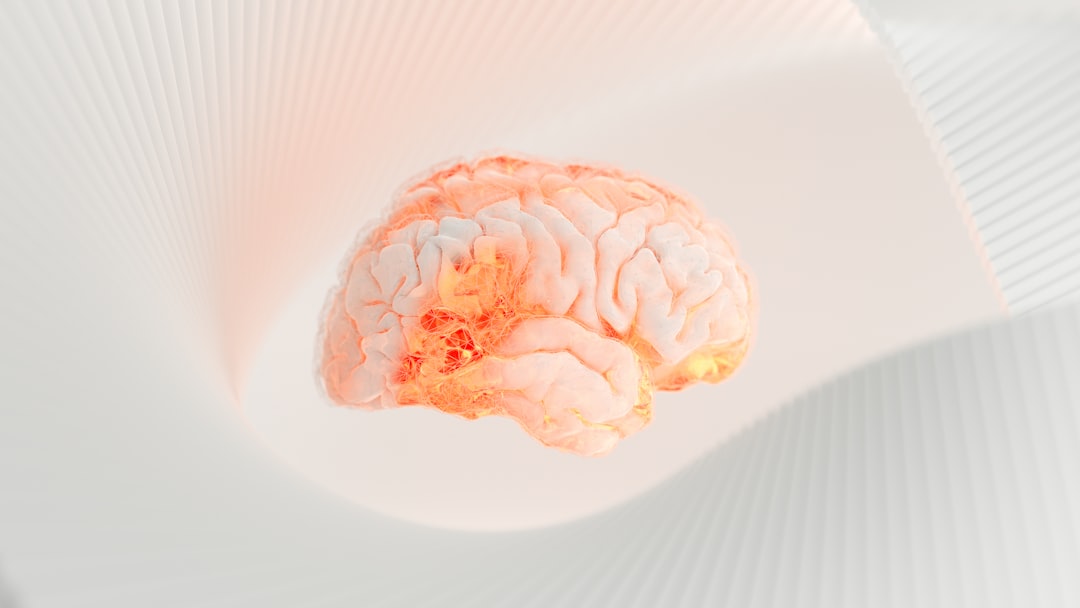
Neuromorphic computing represents a paradigm shift in the field of computer science and artificial intelligence, drawing inspiration from the architecture and functioning of the human brain. Unlike traditional computing systems that rely on a binary logic framework, neuromorphic systems emulate the neural structures and processes of biological brains, enabling them to process information in a more efficient and adaptive manner. This innovative approach aims to enhance computational capabilities while reducing energy consumption, making it particularly appealing in an era where energy efficiency is paramount.
The term “neuromorphic” was first coined in the late 1980s by Carver Mead, a pioneer in the field of VLSI (Very Large Scale Integration) design. Since then, the concept has evolved significantly, with researchers exploring various architectures and algorithms that mimic neural behaviour. Neuromorphic computing not only seeks to replicate the brain’s ability to learn and adapt but also aims to achieve real-time processing of sensory data, which is crucial for applications such as robotics, autonomous vehicles, and advanced machine learning systems.
As we delve deeper into this fascinating domain, it becomes evident that neuromorphic computing holds the potential to revolutionise how we approach complex computational tasks. Have you read the latest blog post on artificial intelligence?
Summary
- Neuromorphic computing is a branch of artificial intelligence that aims to mimic the structure and function of the human brain using electronic circuits.
- The evolution of neuromorphic computing has seen a shift towards more efficient and scalable hardware and software designs, enabling faster and more accurate processing of complex data.
- Neuromorphic computing has the potential to revolutionize various industries, including healthcare, finance, and robotics, by enabling faster and more efficient data processing and analysis.
- Despite its potential, neuromorphic computing faces challenges such as power consumption, scalability, and compatibility with existing technologies, which need to be addressed for widespread adoption.
- Advancements in neuromorphic hardware and software, such as the development of memristors and spiking neural networks, are driving the field towards more efficient and brain-like computing systems.
The Evolution of Neuromorphic Computing
The journey of neuromorphic computing can be traced back to the early explorations of artificial neural networks (ANNs) in the 1950s and 1960s. These initial models were simplistic and primarily focused on pattern recognition tasks. However, as computational power increased and our understanding of neuroscience deepened, researchers began to develop more sophisticated models that could better simulate the intricacies of human cognition.
The introduction of spiking neural networks (SNNs) marked a significant milestone in this evolution, as they allowed for more biologically realistic simulations by incorporating time as a critical factor in information processing. In recent years, advancements in materials science and nanotechnology have further propelled the development of neuromorphic hardware. The emergence of memristors—resistive devices that can store and process information—has opened new avenues for creating brain-like circuits that operate with remarkable efficiency.
These innovations have led to the construction of neuromorphic chips, such as IBM’s TrueNorth and Intel’s Loihi, which are designed to perform complex computations while consuming minimal power. As research continues to progress, the field of neuromorphic computing is poised for significant breakthroughs that could redefine our understanding of computation itself.
Applications and Potential Impact of Neuromorphic Computing

The applications of neuromorphic computing are vast and varied, spanning numerous fields including robotics, healthcare, and environmental monitoring. In robotics, for instance, neuromorphic systems can enable machines to process sensory information in real-time, allowing for more responsive and adaptive behaviours. This capability is particularly beneficial in dynamic environments where quick decision-making is essential, such as in autonomous vehicles navigating through traffic or drones performing search-and-rescue missions.
In healthcare, neuromorphic computing holds promise for advancing diagnostic tools and personalised medicine. By analysing vast amounts of patient data in real-time, these systems can identify patterns and anomalies that may elude traditional methods. Furthermore, neuromorphic chips could facilitate the development of brain-computer interfaces (BCIs), enabling direct communication between the human brain and external devices.
This could lead to revolutionary treatments for neurological disorders or even enhance cognitive functions in healthy individuals.
Challenges and Limitations of Neuromorphic Computing
| Challenges and Limitations of Neuromorphic Computing |
|---|
| 1. Energy Efficiency |
| 2. Scalability |
| 3. Programming Models |
| 4. Hardware Constraints |
| 5. Cognitive Workload |
Despite its potential, neuromorphic computing faces several challenges that must be addressed before it can achieve widespread adoption. One significant hurdle is the complexity of designing hardware that accurately mimics the brain’s architecture. While progress has been made with neuromorphic chips, creating systems that can fully replicate the brain’s capabilities remains a formidable task.
The intricate interplay between neurons, synapses, and neurotransmitters is not easily translated into silicon-based technologies. Another limitation lies in the current state of algorithms used in neuromorphic systems. While spiking neural networks offer a more biologically plausible approach to computation, they are still in their infancy compared to traditional deep learning models.
Developing efficient training methods for these networks is crucial for unlocking their full potential. Additionally, there is a need for standardisation in neuromorphic computing research to facilitate collaboration and knowledge sharing among researchers and practitioners.
Advancements in Neuromorphic Hardware and Software
Recent advancements in both hardware and software have significantly propelled the field of neuromorphic computing forward. On the hardware front, innovations such as memristors and other novel materials have enabled the creation of more efficient and compact neuromorphic chips. These chips are designed to operate at lower voltages while maintaining high performance levels, making them suitable for a range of applications from mobile devices to large-scale data centres.
In parallel, software developments have also played a crucial role in advancing neuromorphic computing. New programming frameworks and simulation tools have emerged to facilitate the design and testing of neuromorphic algorithms. For instance, platforms like NEST and Brian allow researchers to simulate spiking neural networks with greater ease, enabling them to experiment with different architectures and learning rules.
As these tools continue to evolve, they will empower researchers to push the boundaries of what is possible within neuromorphic computing.
Ethical and Societal Implications of Neuromorphic Computing

As with any emerging technology, neuromorphic computing raises important ethical and societal questions that warrant careful consideration. One primary concern is the potential for misuse or unintended consequences arising from advanced AI systems powered by neuromorphic architectures. The ability of these systems to process information rapidly and autonomously could lead to scenarios where decisions are made without human oversight, raising issues related to accountability and transparency.
Moreover, there are implications for privacy as neuromorphic systems become integrated into everyday life. The capacity for real-time data processing may enable unprecedented levels of surveillance and data collection, potentially infringing on individual rights. It is essential for policymakers, technologists, and ethicists to engage in dialogue about these issues to ensure that the development of neuromorphic computing aligns with societal values and ethical standards.
The Future of Neuromorphic Computing: Predictions and Speculations
Looking ahead, the future of neuromorphic computing appears promising yet uncertain. As research continues to advance, we may witness breakthroughs that enable neuromorphic systems to achieve levels of intelligence comparable to or even surpassing human capabilities. This could lead to transformative applications across various sectors, including education, transportation, and entertainment.
However, it is also crucial to consider the potential risks associated with such advancements. The prospect of highly intelligent systems raises questions about job displacement, security threats, and ethical dilemmas surrounding decision-making processes. As we navigate this evolving landscape, it will be imperative for stakeholders to establish frameworks that promote responsible innovation while harnessing the benefits of neuromorphic computing.
The Road Ahead for Neuromorphic Computing
In conclusion, neuromorphic computing stands at the forefront of a technological revolution that has the potential to reshape our understanding of computation and intelligence. With its roots deeply embedded in neuroscience, this innovative approach offers exciting possibilities across various domains while also presenting significant challenges that must be addressed. As advancements in hardware and software continue to unfold, it is essential for researchers, policymakers, and society at large to engage in thoughtful discussions about the implications of this technology.
The road ahead for neuromorphic computing is filled with both opportunities and uncertainties. By fostering collaboration among interdisciplinary teams and prioritising ethical considerations, we can ensure that this powerful technology is developed responsibly and equitably. As we move forward into an era defined by intelligent systems that mimic human cognition, it is our collective responsibility to guide this evolution towards a future that benefits all of humanity.
In a recent article discussing the future of neuromorphic computing, it was highlighted that advancements in technology are paving the way for more efficient and powerful computing systems. However, there are concerns about the future of Microsoft Glasses, as discussed in this related article. The article raises questions about the viability and potential setbacks of this innovative technology. It is crucial for companies like Microsoft to address these concerns in order to ensure the success and widespread adoption of their products.
FAQs
What is neuromorphic computing?
Neuromorphic computing is a branch of computing that aims to mimic the neuro-biological architecture of the human brain in order to create more efficient and powerful computer systems.
What are the potential applications of neuromorphic computing?
Neuromorphic computing has the potential to revolutionize a wide range of applications, including robotics, autonomous vehicles, medical diagnosis, and natural language processing.
How does neuromorphic computing differ from traditional computing?
Neuromorphic computing differs from traditional computing in that it is designed to process information in a way that is more similar to the human brain, using networks of artificial neurons and synapses.
What are the advantages of neuromorphic computing?
Neuromorphic computing offers several advantages, including the ability to process large amounts of data in parallel, low power consumption, and the potential for more efficient and intelligent decision-making.
What are the current challenges in neuromorphic computing?
Some of the current challenges in neuromorphic computing include developing hardware that can accurately mimic the complexity of the human brain, as well as creating software and algorithms that can effectively utilize neuromorphic hardware.
What is the future of neuromorphic computing?
The future of neuromorphic computing holds great promise, with the potential for more intelligent and efficient computer systems that can revolutionize a wide range of industries and applications. Ongoing research and development efforts are focused on overcoming current challenges and unlocking the full potential of neuromorphic computing.


