

The intersection of technology and human evolution is a fascinating subject that has garnered significant attention in recent years. As technology continues to advance at an unprecedented pace, its influence on human development—both physically and psychologically—becomes increasingly profound. From the invention of the wheel to the rise of artificial intelligence, each technological leap has not only transformed the way humans live but has also shaped our very biology and social structures.
This article aims to explore the multifaceted impact of technology on human evolution, examining how it has altered our behaviours, physical attributes, communication methods, intelligence, health, and ethical considerations. As we delve into this topic, it is essential to recognise that technology is not merely a tool; it is an integral part of the human experience. The symbiotic relationship between humans and technology has evolved over millennia, leading to significant changes in our lifestyles and interactions.
The advent of digital technology, in particular, has ushered in a new era of connectivity and information exchange, fundamentally altering the landscape of human evolution. Understanding this relationship is crucial for comprehending the trajectory of our species in an increasingly technological world. Have you read the latest blog post on artificial intelligence?
Summary
- Technology has significantly impacted human evolution, shaping behaviour, physical traits, communication, social interaction, intelligence, health, and ethical considerations.
- The role of technology in shaping human behaviour is evident in the way people interact, communicate, and consume information in the digital age.
- Technology has influenced human physical evolution through changes in posture, vision, and dexterity due to the use of digital devices and sedentary lifestyles.
- The impact of technology on human communication and social interaction has led to both positive and negative effects, altering the way people connect and form relationships.
- The evolution of human intelligence in the age of technology is marked by increased access to information, cognitive offloading, and the development of new skills and problem-solving abilities.
The Role of Technology in Shaping Human Behaviour
Influencing Social Dynamics
Technology has a profound impact on human behaviour, influencing how individuals interact with one another and their environment. The proliferation of smartphones and social media platforms has transformed social dynamics, creating new norms around communication and interaction. For instance, the ability to connect with others instantaneously has led to a shift in how relationships are formed and maintained.
The Double-Edged Sword of Online Interactions
People are now more likely to engage in online interactions rather than face-to-face conversations, which can lead to both positive and negative outcomes. While technology facilitates connections across vast distances, it can also contribute to feelings of isolation and disconnection in physical spaces. Moreover, technology shapes our behaviours through the design of digital environments.
The Power of Nudging in Digital Environments
The concept of “nudging,” where subtle design choices influence user behaviour, is prevalent in various applications and platforms. For example, social media algorithms are designed to keep users engaged by presenting content that aligns with their interests, thereby reinforcing certain behaviours and preferences. This manipulation can lead to echo chambers, where individuals are exposed primarily to viewpoints that mirror their own, potentially stifling critical thinking and open dialogue.
As technology continues to evolve, understanding its role in shaping human behaviour becomes increasingly important for fostering healthy social interactions.
The Influence of Technology on Human Physical Evolution
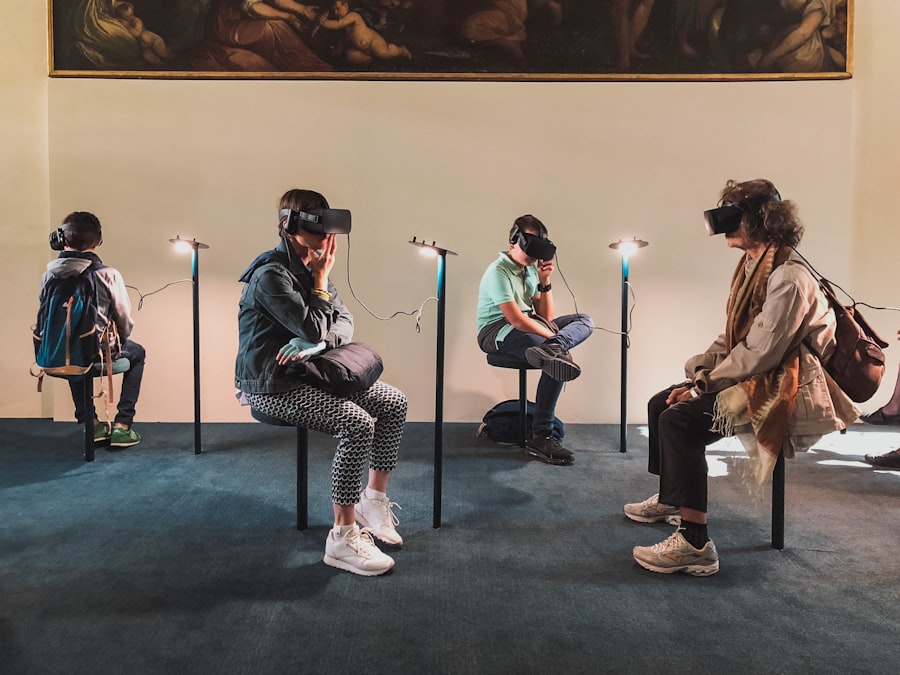
The influence of technology extends beyond behavioural changes; it also has tangible effects on human physical evolution. One notable example is the impact of modern conveniences on our physical health and fitness levels. With the advent of labour-saving devices such as washing machines, dishwashers, and cars, many individuals lead more sedentary lifestyles than previous generations.
This shift has contributed to a rise in obesity rates and related health issues, prompting researchers to consider how these changes may affect our evolutionary trajectory. Furthermore, the increasing reliance on technology for tasks that once required manual dexterity or physical strength raises questions about the future of human anatomy. As we become more dependent on devices for everyday activities, there may be a gradual decline in certain physical capabilities.
For instance, the prevalence of typing on keyboards rather than writing by hand could lead to changes in fine motor skills over generations. Additionally, the use of virtual reality and augmented reality technologies may alter our sensory experiences and perceptions, potentially influencing how our brains process information and interact with the world around us.
The Impact of Technology on Human Communication and Social Interaction
| Aspect | Impact |
|---|---|
| Instant Communication | Technology allows for instant messaging and video calls, enabling quick and efficient communication. |
| Reduced Face-to-Face Interaction | Increased reliance on technology can lead to reduced in-person interactions, affecting social skills and relationships. |
| Global Connectivity | Technology enables people to connect with others from around the world, fostering global communication and understanding. |
| Social Media Influence | Social media platforms can impact human communication by shaping perceptions, opinions, and interactions. |
| Privacy Concerns | Technology raises concerns about privacy and data security, impacting trust and openness in communication. |
Communication is a cornerstone of human interaction, and technology has revolutionised how we connect with one another. The rise of digital communication tools—such as email, instant messaging, and video conferencing—has made it easier than ever to maintain relationships across geographical boundaries. However, this convenience comes with its own set of challenges.
The nuances of face-to-face communication, including body language and tone of voice, can be lost in digital exchanges, leading to misunderstandings and a lack of emotional depth in conversations. Moreover, the omnipresence of technology in our lives has altered social norms surrounding communication. The expectation for immediate responses can create pressure and anxiety among individuals, leading to a phenomenon known as “technostress.” This constant connectivity can detract from meaningful interactions and contribute to a culture of distraction.
As people become more engrossed in their devices, there is a risk that genuine connections may be sacrificed for superficial online engagements. Understanding these dynamics is crucial for fostering healthy communication practices in an increasingly digital world.
The Evolution of Human Intelligence in the Age of Technology
The relationship between technology and human intelligence is complex and multifaceted. On one hand, technological advancements have enhanced access to information and learning opportunities, allowing individuals to expand their knowledge base more readily than ever before. Online resources such as educational platforms, e-books, and research databases have democratized learning, enabling people from diverse backgrounds to acquire new skills and knowledge.
Conversely, there are concerns that reliance on technology may lead to cognitive decline in certain areas. The phenomenon known as “digital amnesia” refers to the tendency for individuals to forget information that they can easily look up online. This reliance on external devices for memory storage raises questions about the long-term implications for cognitive development.
As we increasingly outsource our memory functions to technology, it is essential to consider how this may shape future generations’ intellectual capabilities.
The Effects of Technology on Human Health and Wellbeing

The impact of technology on human health and wellbeing is a topic of growing concern among researchers and healthcare professionals alike. On one hand, advancements in medical technology have led to significant improvements in healthcare delivery and patient outcomes. Innovations such as telemedicine, wearable health monitors, and robotic surgery have transformed how medical care is administered, making it more efficient and accessible.
However, the pervasive use of technology also presents challenges for mental health and overall wellbeing. The rise of social media has been linked to increased rates of anxiety and depression among certain demographics, particularly adolescents. The pressure to curate an idealised online persona can lead to feelings of inadequacy and low self-esteem.
Additionally, excessive screen time has been associated with various health issues, including sleep disturbances and eye strain. As society navigates these complexities, it is crucial to strike a balance between leveraging technological advancements for health benefits while mitigating their potential negative effects.
The Ethical and Moral Implications of Technological Evolution
As technology continues to evolve at a rapid pace, ethical considerations surrounding its use become increasingly pertinent. Issues such as data privacy, surveillance, artificial intelligence ethics, and the digital divide raise important questions about the implications of technological advancements for society as a whole. For instance, the collection and utilisation of personal data by tech companies have sparked debates about individual privacy rights versus corporate interests.
Moreover, the rise of artificial intelligence presents unique ethical dilemmas regarding accountability and decision-making processes. As machines become more autonomous, determining responsibility for their actions becomes complex. This raises concerns about bias in algorithms and the potential for discrimination against certain groups.
Addressing these ethical challenges requires a collaborative effort among technologists, policymakers, ethicists, and society at large to ensure that technological evolution aligns with human values.
The Future of Human Evolution in the Technological Age
Looking ahead, the future of human evolution in the technological age remains uncertain yet intriguing. As technology continues to advance rapidly—encompassing fields such as biotechnology, artificial intelligence, and virtual reality—its potential impact on humanity will likely be profound. The integration of technology into our daily lives may lead to further changes in our behaviours, physical attributes, cognitive abilities, and social structures.
One possibility is the emergence of “transhumanism,” a movement advocating for the enhancement of human capabilities through technology. This could involve genetic modifications or cybernetic enhancements that blur the lines between human and machine. While such advancements hold promise for improving quality of life and extending lifespan, they also raise ethical questions about equity and access to these technologies.
In conclusion, the interplay between technology and human evolution is a dynamic process that will continue to shape our species in myriad ways. As we navigate this complex landscape, it is essential to remain vigilant about the implications of technological advancements while embracing their potential benefits. By fostering a thoughtful dialogue around these issues, we can work towards a future where technology enhances rather than diminishes our humanity.
The article “Securing PHP” discusses the importance of implementing security measures in PHP programming to protect against potential cyber threats. This is particularly relevant in today’s digital age, where technology plays a significant role in shaping human evolution. As explored in the article “The Impact of Technology on Human Evolution,” advancements in technology have greatly influenced the way we live, work, and interact with one another. By ensuring the security of PHP code, developers can contribute to a safer and more secure online environment for users worldwide. To learn more about securing PHP, you can read the article here.
FAQs
What is the impact of technology on human evolution?
The impact of technology on human evolution refers to the ways in which advancements in technology have influenced the development and progress of the human species over time.
How has technology impacted human evolution?
Technology has impacted human evolution by shaping the way humans interact with their environment, communicate with each other, and adapt to new challenges. It has also influenced the way humans think, learn, and solve problems.
What are some examples of technology’s impact on human evolution?
Examples of technology’s impact on human evolution include the development of tools and weapons, the invention of agriculture, the industrial revolution, and the digital revolution. These advancements have changed the way humans live, work, and interact with the world around them.
Has technology influenced the physical evolution of humans?
While technology has not directly influenced the physical evolution of humans in terms of changes to our biological makeup, it has influenced the way humans use their bodies and the environments in which they live. This has led to changes in human behaviour and lifestyle.
What are the potential future impacts of technology on human evolution?
The potential future impacts of technology on human evolution include advancements in genetic engineering, artificial intelligence, and space exploration, which could lead to significant changes in the way humans live and evolve. These developments raise ethical and societal questions about the future of humanity.


