
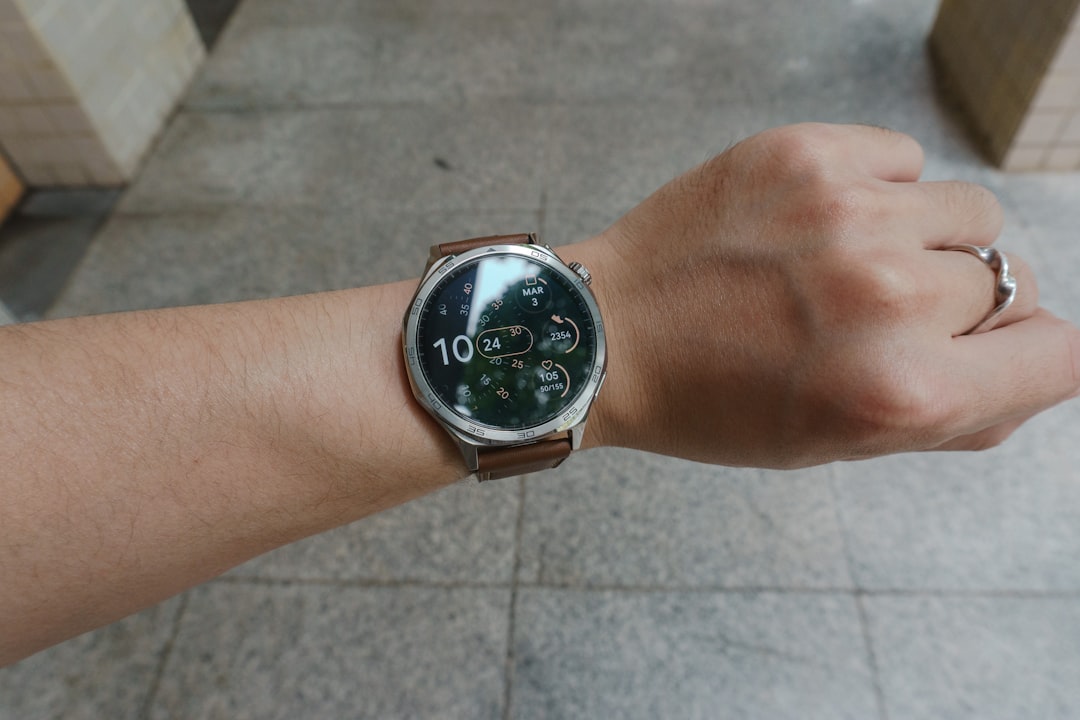
In recent years, wearable fitness technology has experienced a remarkable surge in popularity, transforming the way individuals approach their health and fitness goals. Devices such as smartwatches, fitness trackers, and heart rate monitors have become ubiquitous, appealing to a broad demographic that ranges from casual exercisers to dedicated athletes. This trend can be attributed to several factors, including the increasing awareness of health issues, the desire for convenience, and the integration of technology into everyday life.
As consumers seek more effective ways to monitor their physical activity and overall well-being, wearable technology has emerged as a practical solution. The appeal of wearable fitness technology lies not only in its functionality but also in its ability to provide real-time feedback. Users can track their steps, monitor their heart rates, and even assess their sleep patterns, all from a device worn on their wrist.
This immediate access to data empowers individuals to make informed decisions about their health and fitness routines. Furthermore, the social aspect of these devices cannot be overlooked; many wearables allow users to connect with friends and family, fostering a sense of community and accountability. As a result, the rise of wearable fitness technology has not only enhanced personal fitness journeys but has also contributed to a broader cultural shift towards health consciousness. Have you read the latest blog post on artificial intelligence?
Summary
- Wearable fitness technology has seen a significant rise in popularity, with devices like fitness trackers and smartwatches becoming essential tools for monitoring physical activity.
- Virtual personal training is emerging as the future of fitness, offering convenience and flexibility for individuals to access professional guidance and support from anywhere.
- Artificial intelligence is being utilised to create personalised workout plans, catering to individual fitness levels, goals, and preferences.
- Fitness apps and devices are enabling users to track and analyse their fitness data, providing valuable insights to improve their overall health and wellness.
- The gamification of fitness is making exercise more enjoyable and engaging, using elements of competition and rewards to motivate individuals to stay active.
Virtual Personal Training: The Future of Fitness
As technology continues to evolve, virtual personal training has emerged as a compelling alternative to traditional in-person sessions. This innovative approach allows individuals to engage with personal trainers remotely, utilising video conferencing platforms and specialised fitness apps. The convenience of virtual training appeals to those with busy schedules or those who may feel intimidated by gym environments.
By offering tailored workouts in the comfort of one’s home, virtual personal training has made fitness more accessible than ever before. Moreover, virtual personal training provides a unique opportunity for trainers to reach a wider audience. Fitness professionals can now offer their expertise to clients across geographical boundaries, breaking down barriers that previously limited access to quality training.
This shift not only benefits trainers but also enriches the client experience by providing a diverse range of training styles and philosophies. As the demand for flexible fitness solutions continues to grow, virtual personal training is poised to play a significant role in shaping the future of the fitness industry.
Utilizing Artificial Intelligence for Personalized Workouts
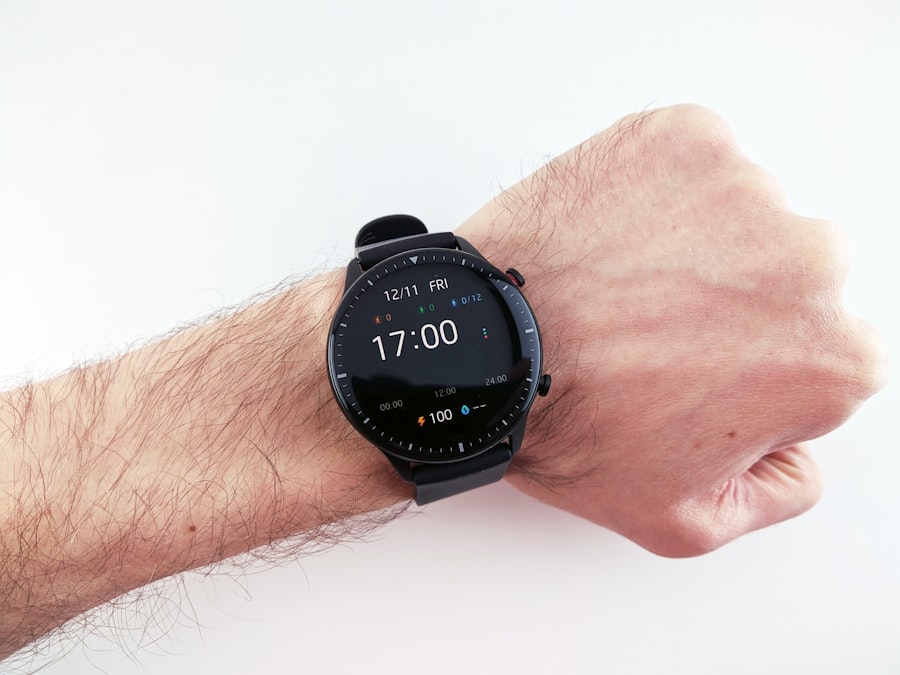
Artificial intelligence (AI) is revolutionising the fitness landscape by enabling highly personalised workout experiences. Through sophisticated algorithms and machine learning capabilities, AI can analyse an individual’s fitness level, preferences, and goals to create customised workout plans. This level of personalisation was previously unattainable in traditional fitness settings, where one-size-fits-all approaches often fell short of meeting individual needs.
AI-driven fitness applications can adapt in real-time based on user feedback and performance metrics. For instance, if a user struggles with a particular exercise or fails to meet their target heart rate, the AI can modify the workout accordingly, ensuring that it remains challenging yet achievable. This dynamic approach not only enhances user engagement but also optimises results by promoting consistent progress.
As AI technology continues to advance, its integration into fitness routines is likely to become increasingly sophisticated, offering users an unparalleled level of support in their health journeys.
Tracking and Analyzing Fitness Data with Apps and Devices
| Metrics | Apps | Devices |
|---|---|---|
| Steps Taken | Fitbit, Google Fit | Fitbit, Garmin |
| Calories Burned | MyFitnessPal, Lose It! | Apple Watch, Fitbit |
| Heart Rate | Strava, Runtastic | Apple Watch, Garmin |
| Sleep Duration | Sleep Cycle, Fitbit | Fitbit, Withings |
The proliferation of fitness apps and devices has made tracking and analysing fitness data more accessible than ever before. These tools allow users to monitor various aspects of their physical activity, including steps taken, calories burned, and workout intensity. By collecting this data over time, individuals can gain valuable insights into their habits and progress, enabling them to make informed adjustments to their routines.
Moreover, many fitness apps offer features that facilitate goal setting and progress tracking. Users can set specific targets—such as running a certain distance or achieving a particular weight—and receive notifications when they reach milestones. This gamified approach not only motivates users but also fosters a sense of accomplishment as they witness their improvements over time.
The ability to visualise progress through graphs and statistics further enhances user engagement, making it easier for individuals to stay committed to their fitness goals.
Gamification of Fitness: Making Exercise Fun and Engaging
Gamification has emerged as a powerful tool in the realm of fitness, transforming exercise from a chore into an enjoyable activity. By incorporating game-like elements such as challenges, rewards, and leaderboards into fitness routines, individuals are more likely to stay motivated and engaged. This approach appeals particularly to younger generations who are accustomed to interactive experiences in gaming and social media.
Fitness apps that utilise gamification often encourage users to compete against friends or other participants in challenges that promote physical activity. For example, users may earn points for completing workouts or achieving specific milestones, which can then be redeemed for rewards or recognition within the app’s community. This competitive aspect not only fosters camaraderie among users but also instils a sense of accountability that can drive individuals to push themselves further in their fitness journeys.
Integrating Virtual Reality into Fitness Routines

Virtual reality (VR) is making significant strides in the fitness industry by offering immersive experiences that enhance traditional workouts. By simulating real-world environments or fantastical landscapes, VR technology allows users to engage in physical activity in a way that feels both exciting and novel. This innovative approach can help alleviate the monotony often associated with conventional exercise routines.
VR fitness applications often combine elements of gaming with physical activity, encouraging users to move their bodies while navigating virtual worlds. For instance, users may find themselves boxing against opponents in a virtual arena or participating in dance-offs set against vibrant backdrops. This immersive experience not only makes exercise more enjoyable but also encourages users to push their limits without the constraints of a traditional gym setting.
As VR technology continues to advance, its potential for revolutionising fitness routines is vast and promising.
The Role of Smart Equipment in Revolutionizing Personal Fitness
Smart equipment is at the forefront of the technological revolution in personal fitness, offering users enhanced functionality and connectivity. Devices such as smart treadmills, stationary bikes, and weight machines are now equipped with sensors that track performance metrics in real-time. This data can be synced with fitness apps or wearables, providing users with comprehensive insights into their workouts.
The integration of smart equipment into home gyms has made it easier for individuals to maintain consistent exercise routines without the need for a gym membership. Many smart devices come with built-in coaching features that guide users through workouts while providing instant feedback on form and technique. This level of interactivity not only enhances safety but also ensures that users are maximising their efforts during each session.
As smart equipment continues to evolve, it is likely to play an increasingly central role in shaping personal fitness experiences.
The Impact of Technology on Monitoring and Improving Health and Wellness
The impact of technology on health and wellness extends far beyond mere fitness tracking; it encompasses a holistic approach to well-being that includes mental health, nutrition, and lifestyle choices. With the advent of telehealth services and wellness apps, individuals now have access to resources that support various aspects of their health journey. From meditation apps that promote mindfulness to nutrition trackers that help users make healthier food choices, technology is empowering individuals to take charge of their well-being.
Furthermore, wearable devices are increasingly being used for health monitoring purposes beyond fitness alone. For instance, many wearables now include features that track stress levels or monitor vital signs such as blood pressure and oxygen saturation. This comprehensive approach allows users to gain a deeper understanding of their overall health status and make proactive decisions regarding their lifestyle choices.
As technology continues to advance, its role in monitoring and improving health and wellness will undoubtedly expand, offering individuals unprecedented opportunities for self-improvement and empowerment. In conclusion, the intersection of technology and fitness is reshaping how individuals approach their health journeys. From wearable devices that track activity levels to virtual personal training sessions that provide tailored guidance, the landscape of personal fitness is evolving rapidly.
As innovations such as AI-driven workouts and gamified experiences gain traction, it is clear that technology will continue to play a pivotal role in enhancing engagement and effectiveness in fitness routines. Ultimately, this technological revolution not only promotes physical well-being but also fosters a culture of health consciousness that benefits society as a whole.
In a recent article on leaks of the shape of the iPhone 14 similar to the shape of the iPhone 4, it was discussed how advancements in technology are constantly changing the way we interact with our devices. This is particularly relevant in the realm of personalised fitness, where wearable technology and apps are revolutionising the way we track our health and fitness goals. The article highlights how the latest iPhone models are shaping up to be even more integrated with fitness tracking features, further enhancing the user experience. This demonstrates the ongoing evolution of technology in the realm of personalised fitness, offering users more tools and resources to help them achieve their health and fitness goals.
FAQs
What is personalized fitness technology?
Personalized fitness technology refers to the use of various technological tools and devices to tailor fitness and exercise routines to an individual’s specific needs, goals, and preferences. This can include wearable fitness trackers, mobile apps, virtual personal trainers, and smart exercise equipment.
How does personalized fitness technology work?
Personalized fitness technology works by collecting and analyzing data on an individual’s activity levels, heart rate, sleep patterns, and other relevant metrics. This data is then used to provide personalized workout recommendations, track progress, and offer real-time feedback and guidance.
What are the benefits of using personalized fitness technology?
Some of the benefits of using personalized fitness technology include the ability to track and monitor progress, receive tailored workout recommendations, stay motivated, and access virtual coaching and support. It can also help individuals set and achieve specific fitness goals and make more informed decisions about their health and wellness.
What are some examples of personalized fitness technology?
Examples of personalized fitness technology include wearable fitness trackers such as Fitbit and Garmin, mobile apps like MyFitnessPal and Nike Training Club, virtual personal training platforms like Future and Tonal, and smart exercise equipment with built-in tracking and guidance features.
Is personalized fitness technology suitable for everyone?
Personalized fitness technology can be suitable for people of all fitness levels and abilities. However, it’s important for individuals to choose technology that aligns with their specific goals and needs, and to consult with a healthcare professional before starting any new fitness or exercise program.


