
The advent of artificial intelligence (AI) has ushered in a transformative era for various industries, with supply chain management being one of the most significantly impacted sectors. As businesses strive to enhance efficiency, reduce costs, and improve customer satisfaction, AI technologies have emerged as pivotal tools in optimising supply chain operations. By leveraging vast amounts of data, AI can provide insights that were previously unattainable, enabling organisations to make informed decisions and respond swiftly to market changes.
In the context of supply chain optimisation, AI encompasses a range of technologies, including machine learning, predictive analytics, and natural language processing. These tools facilitate the analysis of complex datasets, allowing companies to forecast demand accurately, manage inventory effectively, and streamline logistics. As global supply chains become increasingly intricate and interconnected, the role of AI in enhancing operational efficiency and resilience cannot be overstated.
This article will explore the current applications, benefits, challenges, and future trends of AI in supply chain optimisation. Have you read the latest blog post on artificial intelligence?
Summary
- AI is revolutionizing supply chain optimization by enabling more efficient and effective decision-making processes.
- Current applications of AI in supply chain management include demand forecasting, inventory management, and route optimization.
- Potential benefits of AI in supply chain optimization include cost reduction, improved customer service, and enhanced decision-making capabilities.
- Challenges and limitations of implementing AI in supply chain management include data quality issues, resistance to change, and the need for skilled personnel.
- Emerging technologies and innovations in AI for supply chain optimization include blockchain, Internet of Things (IoT), and autonomous vehicles.
Current Applications of AI in Supply Chain Management
AI is currently being utilised across various facets of supply chain management, demonstrating its versatility and effectiveness. One prominent application is demand forecasting, where machine learning algorithms analyse historical sales data, market trends, and external factors to predict future demand patterns. This capability allows businesses to optimise inventory levels, reducing the risk of stockouts or overstock situations.
Companies like Amazon and Walmart have successfully implemented AI-driven demand forecasting systems, resulting in improved inventory turnover and enhanced customer satisfaction. Another significant application of AI in supply chain management is in logistics and transportation. AI algorithms can optimise routing and scheduling for delivery vehicles, taking into account real-time traffic conditions, weather patterns, and other variables.
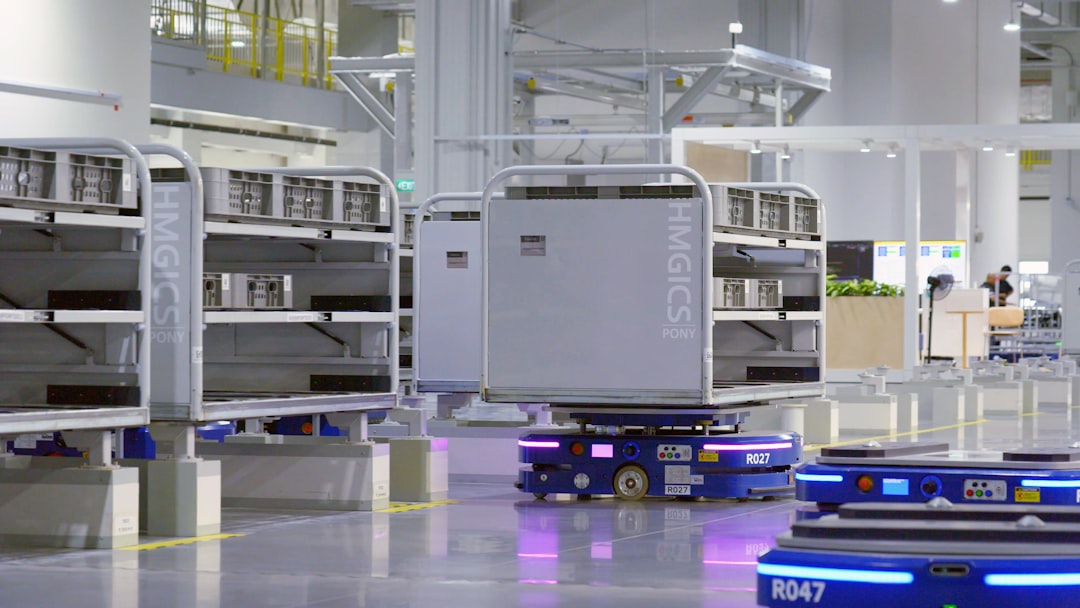
This not only reduces transportation costs but also improves delivery times, which is crucial in today’s fast-paced market environment. Additionally, AI-powered warehouse automation systems are revolutionising the way goods are stored and retrieved. Robotics and AI technologies work in tandem to streamline operations, minimise human error, and enhance overall productivity within warehouses.
Potential Benefits of AI in Supply Chain Optimization
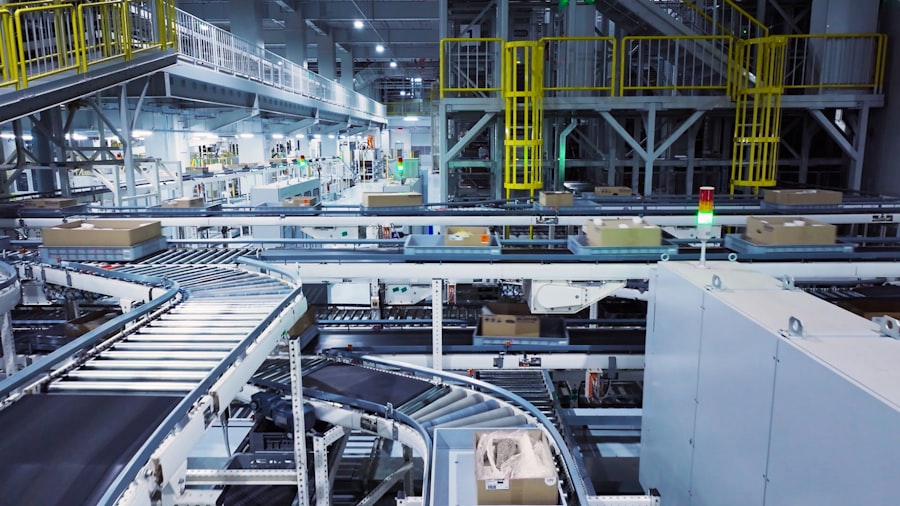
The integration of AI into supply chain optimisation offers numerous benefits that can significantly enhance operational performance. One of the most notable advantages is increased efficiency. By automating routine tasks and providing real-time insights, AI enables organisations to streamline their processes and allocate resources more effectively.
This leads to reduced lead times and improved responsiveness to customer demands, ultimately resulting in a more agile supply chain. Moreover, AI can contribute to cost savings by minimising waste and optimising resource utilisation. For instance, predictive analytics can help companies identify potential disruptions in the supply chain before they occur, allowing for proactive measures to mitigate risks.
This not only protects profit margins but also fosters a culture of continuous improvement within organisations. Furthermore, enhanced visibility across the supply chain enables better collaboration among stakeholders, leading to more informed decision-making and stronger partnerships.
Challenges and Limitations of Implementing AI in Supply Chain Management
| Challenges and Limitations of Implementing AI in Supply Chain Management |
|---|
| Lack of quality data for AI algorithms |
| Integration with existing systems and processes |
| Cost of implementing AI technology |
| Resistance to change from employees |
| Complexity of AI technology and lack of expertise |
| Ethical and legal considerations in AI decision-making |
Despite the promising benefits of AI in supply chain optimisation, several challenges and limitations must be addressed for successful implementation. One significant hurdle is the quality and availability of data. AI systems rely heavily on accurate and comprehensive datasets to function effectively.
In many cases, organisations may struggle with data silos or inconsistent data formats, which can hinder the performance of AI algorithms. Ensuring data integrity and accessibility is crucial for maximising the potential of AI technologies. Another challenge lies in the integration of AI with existing systems and processes.
Many organisations have legacy systems that may not be compatible with modern AI solutions. This can lead to significant costs and resource allocation issues during the transition phase. Additionally, there is often a skills gap within organisations when it comes to understanding and utilising AI technologies effectively.
Training employees and fostering a culture that embraces innovation are essential steps in overcoming these barriers.
Emerging Technologies and Innovations in AI for Supply Chain Optimization
As technology continues to evolve, new innovations are emerging that further enhance the capabilities of AI in supply chain optimisation. One such innovation is the use of blockchain technology in conjunction with AI. Blockchain provides a secure and transparent way to track transactions across the supply chain, while AI can analyse this data to identify trends and optimise processes.
This combination can lead to improved traceability and accountability within supply chains, which is particularly important in industries such as food safety and pharmaceuticals. Additionally, advancements in robotics and automation are transforming warehouse operations. Collaborative robots (cobots) equipped with AI capabilities can work alongside human workers to improve efficiency and safety in warehouses.
These robots can perform repetitive tasks such as picking and packing while learning from their interactions with human colleagues. This synergy not only enhances productivity but also allows human workers to focus on more complex tasks that require critical thinking and problem-solving skills.
Ethical and Social Implications of AI in Supply Chain Management

The implementation of AI in supply chain management raises important ethical and social considerations that must be addressed by organisations. One primary concern is the potential impact on employment. As automation becomes more prevalent, there is a fear that jobs may be displaced, particularly in roles that involve routine tasks.
It is essential for companies to consider how they can reskill their workforce and create new opportunities that leverage human creativity and judgement alongside AI technologies. Moreover, the use of AI raises questions about data privacy and security. With vast amounts of data being collected and analysed, organisations must ensure that they are handling this information responsibly and ethically.
Compliance with regulations such as the General Data Protection Regulation (GDPR) is crucial to maintaining customer trust and safeguarding sensitive information. Companies should establish clear policies regarding data usage and invest in robust cybersecurity measures to protect against potential breaches.
Future Trends and Predictions for AI in Supply Chain Optimization
Looking ahead, several trends are likely to shape the future of AI in supply chain optimisation. One significant trend is the increasing adoption of autonomous vehicles for transportation and delivery purposes. As technology advances, self-driving trucks and drones are expected to become more commonplace, offering enhanced efficiency and reduced operational costs for logistics companies.
Additionally, the integration of AI with Internet of Things (IoT) devices will further enhance supply chain visibility and responsiveness. IoT sensors can provide real-time data on inventory levels, equipment performance, and environmental conditions, which can be analysed by AI algorithms to optimise operations dynamically. This interconnectedness will enable organisations to respond swiftly to changes in demand or disruptions in the supply chain.
Strategies for Successful Integration of AI in Supply Chain Management
To successfully integrate AI into supply chain management, organisations should adopt a strategic approach that encompasses several key elements. First and foremost, it is essential to establish clear objectives for what the organisation aims to achieve through AI implementation. This could include improving efficiency, reducing costs, or enhancing customer satisfaction.
Next, investing in high-quality data infrastructure is crucial for supporting AI initiatives. Organisations should focus on breaking down data silos and ensuring that data is accessible across departments. Additionally, fostering a culture of innovation within the organisation will encourage employees to embrace new technologies and contribute ideas for optimising processes.
Finally, ongoing training and development are vital for equipping employees with the skills needed to work alongside AI systems effectively. By prioritising education and creating an environment that values continuous learning, organisations can maximise the benefits of AI while minimising potential challenges associated with its implementation. In conclusion, the integration of artificial intelligence into supply chain optimisation presents both opportunities and challenges for organisations across various industries.
By understanding current applications, potential benefits, limitations, emerging technologies, ethical implications, future trends, and strategies for successful integration, businesses can navigate this complex landscape effectively. As technology continues to evolve, those who embrace AI will likely gain a competitive edge in an increasingly dynamic market environment.
In a recent article on Cloudflare’s classification of Firefox as suspicious, concerns have been raised about the potential impact on web browsing and security. This issue highlights the importance of maintaining trust and transparency in the digital world, especially as technologies like AI continue to shape the future of supply chain optimization. As businesses rely more on AI-driven solutions, it is crucial to address any potential vulnerabilities and ensure that data and systems are protected from malicious threats, such as the ones discovered in over 47,000 WordPress plugins on 24,000 sites by Yoda, as reported in another recent article on malicious WordPress plugins. These incidents serve as a reminder of the ongoing challenges in maintaining cybersecurity and the need for continuous vigilance in the digital landscape.
FAQs
What is AI in supply chain optimization?
AI in supply chain optimization refers to the use of artificial intelligence technologies, such as machine learning and predictive analytics, to improve the efficiency and effectiveness of supply chain operations. This can include demand forecasting, inventory management, route optimization, and risk management.
How does AI benefit supply chain optimization?
AI can benefit supply chain optimization by providing more accurate demand forecasting, reducing inventory holding costs, improving transportation and logistics efficiency, and identifying and mitigating potential risks in the supply chain. AI can also help in automating repetitive tasks and making real-time decisions based on data analysis.
What are the potential challenges of implementing AI in supply chain optimization?
Challenges of implementing AI in supply chain optimization can include the initial investment in technology and infrastructure, data quality and availability, integration with existing systems, and the need for skilled personnel to manage and interpret AI-driven insights. Additionally, there may be concerns about data privacy and security when using AI in supply chain operations.
What are some examples of AI applications in supply chain optimization?
Some examples of AI applications in supply chain optimization include demand forecasting using machine learning algorithms, predictive maintenance for equipment and machinery, autonomous vehicles for transportation and delivery, and robotic process automation for repetitive tasks in warehouse management. AI can also be used for real-time tracking and monitoring of inventory and shipments.
What is the future outlook for AI in supply chain optimization?
The future outlook for AI in supply chain optimization is promising, with continued advancements in AI technologies enabling more sophisticated and automated supply chain operations. This includes the use of AI-powered autonomous systems, predictive analytics for risk management, and the integration of AI with other emerging technologies such as blockchain and the Internet of Things (IoT) to create more interconnected and efficient supply chains.


 has ushered in a transformative era for various industries, with supply chain management being one of the..)