
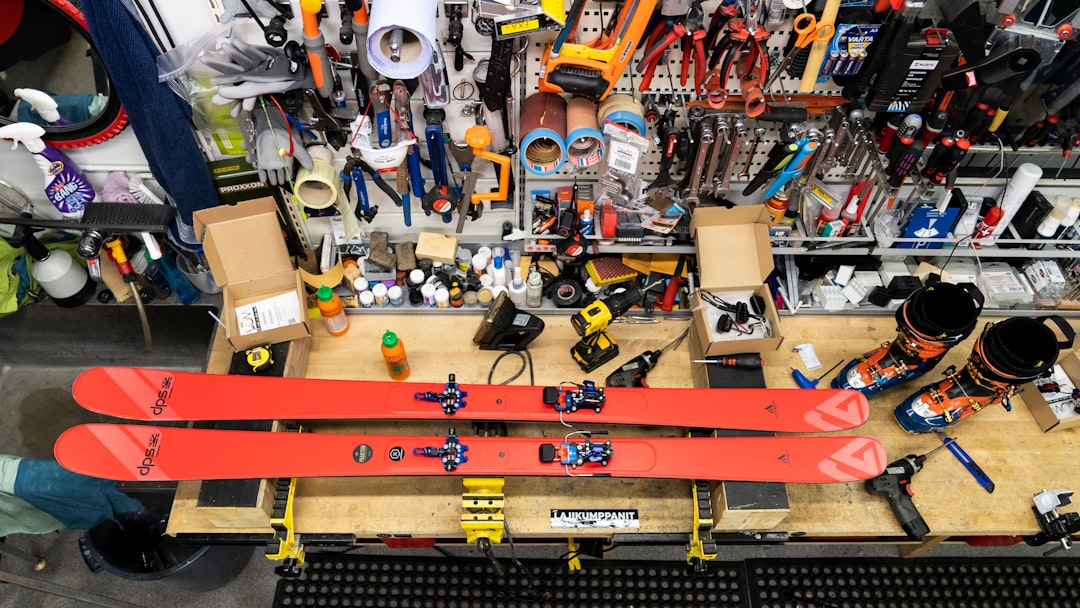
The advent of Industry 4.0 marks a significant transformation in the manufacturing sector, characterised by the integration of digital technologies into production processes. This new era is defined by the convergence of the Internet of Things (IoT), big data, cloud computing, and artificial intelligence (AI), which collectively enhance operational efficiency and productivity. Smart manufacturing, a key component of Industry 4.0, leverages these technologies to create interconnected systems that facilitate real-time data exchange and decision-making.
As a result, manufacturers can optimise their operations, reduce waste, and respond more swiftly to market demands. Smart manufacturing is not merely about automation; it encompasses a holistic approach to production that prioritises flexibility, sustainability, and customer-centricity. By harnessing advanced technologies, manufacturers can create intelligent factories that adapt to changing conditions and consumer preferences.
This shift towards smart manufacturing is not only reshaping traditional production paradigms but also fostering innovation across various sectors, ultimately leading to enhanced competitiveness in a global marketplace. Have you read the latest blog post on artificial intelligence?
Summary
- Industry 4.0 and Smart Manufacturing are revolutionizing the way products are made, using advanced technologies and data-driven processes.
- Artificial Intelligence plays a crucial role in Smart Manufacturing, enabling machines to learn, adapt, and make decisions without human intervention.
- The benefits of AI in Smart Manufacturing include improved efficiency, predictive maintenance, quality control, and cost reduction.
- Challenges and risks of implementing AI in Smart Manufacturing include data security, job displacement, and the need for skilled workforce.
- Examples of AI implementation in Smart Manufacturing include predictive maintenance, autonomous robots, and quality inspection using machine vision.
Artificial intelligence plays a pivotal role in the evolution of smart manufacturing by enabling machines and systems to learn from data and make informed decisions autonomously. AI algorithms can analyse vast amounts of data generated by connected devices, identifying patterns and trends that would be impossible for humans to discern in real-time. This capability allows manufacturers to optimise processes, predict equipment failures, and enhance product quality through continuous monitoring and adjustment.
Moreover, AI facilitates the development of predictive maintenance strategies, which are crucial for minimising downtime and maximising productivity. By employing machine learning techniques, manufacturers can forecast when machinery is likely to fail based on historical performance data and current operating conditions. This proactive approach not only reduces maintenance costs but also extends the lifespan of equipment, contributing to overall operational efficiency.
Benefits of AI in Smart Manufacturing
The integration of AI into smart manufacturing offers numerous benefits that significantly enhance operational performance. One of the most notable advantages is the improvement in efficiency and productivity. AI-driven systems can automate repetitive tasks, allowing human workers to focus on more complex and value-added activities.
This shift not only increases output but also fosters a more engaged workforce, as employees are empowered to contribute to higher-level decision-making processes. Additionally, AI enhances quality control by enabling real-time monitoring of production processes. Through advanced image recognition and data analysis techniques, AI systems can detect defects or anomalies in products as they are being manufactured.
This capability ensures that only high-quality products reach the market, thereby reducing waste and increasing customer satisfaction. Furthermore, the ability to analyse customer feedback and market trends allows manufacturers to tailor their offerings more effectively, leading to improved competitiveness.
Challenges and Risks of Implementing AI in Smart Manufacturing
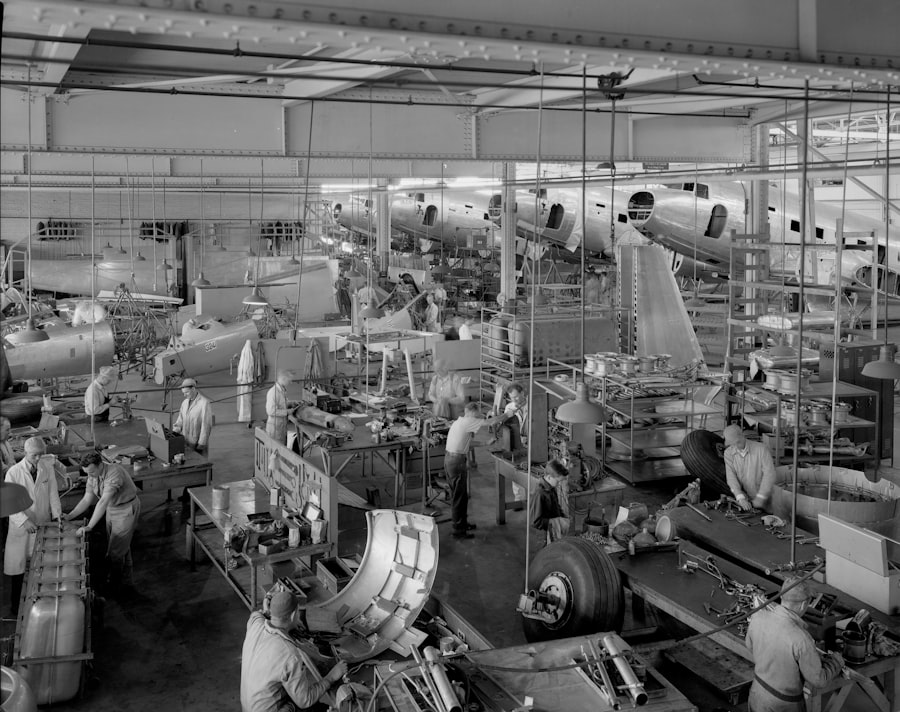
Despite the numerous advantages associated with AI in smart manufacturing, several challenges and risks must be addressed for successful implementation. One significant concern is the potential for job displacement as automation becomes more prevalent. While AI can enhance productivity, it may also lead to a reduction in the demand for certain roles within the manufacturing sector.
It is essential for organisations to consider reskilling and upskilling initiatives to ensure that their workforce remains relevant in an increasingly automated environment. Another challenge lies in the complexity of integrating AI systems with existing manufacturing infrastructure. Many organisations may struggle with legacy systems that are not designed to accommodate advanced technologies.
This integration process can be costly and time-consuming, requiring significant investment in both technology and training. Additionally, there are concerns regarding data security and privacy, as the increased connectivity of devices raises the risk of cyberattacks that could compromise sensitive information or disrupt operations.
Examples of AI Implementation in Smart Manufacturing
| AI Implementation | Benefits | Challenges |
|---|---|---|
| Predictive Maintenance | Reduced downtime, cost savings | Data integration, model accuracy |
| Quality Control | Improved product quality, waste reduction | Data variability, model training |
| Supply Chain Optimization | Inventory management, demand forecasting | Data visibility, system integration |
| Robotics and Automation | Increased productivity, safety improvements | Integration with existing systems, cost |
Several companies have successfully implemented AI technologies within their manufacturing processes, showcasing the transformative potential of smart manufacturing. For instance, Siemens has integrated AI into its production facilities to optimise supply chain management and enhance quality control. By utilising machine learning algorithms, Siemens can predict demand fluctuations and adjust production schedules accordingly, resulting in reduced lead times and improved inventory management.
Another notable example is General Electric (GE), which employs AI-driven analytics to monitor its industrial equipment remotely. By analysing data from sensors embedded in machinery, GE can identify potential issues before they escalate into costly failures. This predictive maintenance approach not only minimises downtime but also enhances overall operational efficiency across its manufacturing plants.
The Future of AI in Smart Manufacturing
Looking ahead, the future of AI in smart manufacturing appears promising as technological advancements continue to evolve. The ongoing development of more sophisticated algorithms and machine learning techniques will enable even greater levels of automation and optimisation within manufacturing processes. As AI systems become increasingly capable of handling complex tasks, manufacturers will be able to achieve unprecedented levels of efficiency and productivity.
Moreover, the integration of AI with other emerging technologies such as blockchain and augmented reality (AR) is likely to further enhance smart manufacturing capabilities. For instance, blockchain can provide secure and transparent supply chain management solutions, while AR can facilitate remote assistance and training for workers on the shop floor. The synergy between these technologies will create a more interconnected and intelligent manufacturing ecosystem that is better equipped to respond to dynamic market conditions.
Ethical and Regulatory Considerations in AI-driven Smart Manufacturing
As AI continues to permeate the manufacturing sector, ethical and regulatory considerations must be taken into account to ensure responsible implementation. One primary concern is the ethical use of data collected from connected devices. Manufacturers must establish clear guidelines regarding data privacy and security to protect sensitive information from misuse or breaches.
Transparency in how data is collected, stored, and utilised will be crucial in building trust with consumers and stakeholders. Additionally, regulatory frameworks will need to evolve to address the unique challenges posed by AI technologies in manufacturing. Policymakers must consider how to balance innovation with safety and accountability, ensuring that AI systems operate within established ethical boundaries.
This may involve developing standards for AI algorithms, establishing protocols for data sharing, and creating mechanisms for accountability in case of failures or malfunctions.
The Impact of AI on the Future of Smart Manufacturing
In conclusion, artificial intelligence is poised to have a profound impact on the future of smart manufacturing. By enhancing efficiency, improving quality control, and enabling predictive maintenance strategies, AI technologies are transforming traditional manufacturing processes into intelligent systems capable of adapting to changing market demands. However, it is essential for organisations to navigate the challenges associated with implementation while considering ethical and regulatory implications.
As manufacturers continue to embrace AI-driven solutions, they will not only improve their operational performance but also contribute to a more sustainable and innovative industry landscape. The successful integration of AI into smart manufacturing will ultimately redefine how products are designed, produced, and delivered, paving the way for a new era of manufacturing excellence that prioritises agility, quality, and customer satisfaction.
In addition to the advancements in AI in smart manufacturing discussed in the article, there is also a fascinating piece on neuromarketing and how big companies are utilising our senses to sell products. This article delves into the strategies employed by major corporations to tap into consumer psychology and behaviour. It provides valuable insights into the power of sensory marketing and its impact on consumer decision-making.
FAQs
What is AI in Smart Manufacturing?
AI in Smart Manufacturing refers to the use of artificial intelligence (AI) technologies in the manufacturing industry to improve efficiency, productivity, and decision-making processes. This includes the use of machine learning, predictive analytics, and robotics to automate and optimize manufacturing processes.
What is Industry 4.0?
Industry 4.0, also known as the fourth industrial revolution, refers to the integration of digital technologies, such as AI, IoT, and cloud computing, into the manufacturing industry. It aims to create “smart factories” that are more connected, efficient, and adaptable to changing market demands.
How is AI used in Smart Manufacturing?
AI is used in Smart Manufacturing to automate repetitive tasks, optimize production processes, predict maintenance needs, and improve quality control. It can also be used to analyse large volumes of data to identify patterns and trends that can inform decision-making and improve overall efficiency.
What are the benefits of AI in Smart Manufacturing?
The benefits of AI in Smart Manufacturing include increased productivity, improved quality control, reduced downtime, predictive maintenance, and the ability to adapt to changing market demands more quickly. It also enables manufacturers to make more informed decisions based on data-driven insights.
What are the challenges of implementing AI in Smart Manufacturing?
Challenges of implementing AI in Smart Manufacturing include the initial investment in technology and infrastructure, the need for skilled personnel to manage and interpret AI systems, and concerns about data security and privacy. Additionally, integrating AI into existing manufacturing processes and systems can be complex and require careful planning.


