
The advent of artificial intelligence (AI) has ushered in a transformative era across various sectors, with digital art and design being no exception. As technology continues to evolve, artists and designers are increasingly integrating AI into their creative processes, leading to innovative outcomes that challenge traditional notions of artistry. This intersection of technology and creativity not only enhances the capabilities of artists but also redefines the very essence of what it means to create art in the digital age.
AI’s integration into digital art and design is not merely a trend; it represents a significant shift in how creative work is conceived, developed, and executed. From generating unique visual content to automating repetitive tasks, AI tools are becoming indispensable in the toolkit of modern artists. This article explores the multifaceted role of AI in digital art and design, examining its impact on creativity, the tools available, ethical considerations, and future prospects. Have you read the latest blog post on artificial intelligence?
Summary
- AI has revolutionized the digital art and design industry, offering new possibilities and challenges.
- AI plays a crucial role in streamlining and enhancing the creative processes in digital art and design.
- Various AI tools and techniques, such as generative adversarial networks and style transfer, are being used in digital art and design.
- AI has the potential to influence creativity and innovation in digital art and design, sparking new ideas and approaches.
- The ethical and legal implications of AI in digital art and design, such as copyright and ownership issues, need to be carefully considered and addressed.
The Role of AI in Creative Processes
AI plays a pivotal role in augmenting the creative processes of artists and designers. By leveraging machine learning algorithms, AI can analyse vast datasets to identify patterns and generate new ideas that may not have been conceived by human minds alone. This capability allows artists to explore uncharted territories in their work, pushing the boundaries of creativity.
For instance, AI can assist in brainstorming sessions by providing suggestions based on existing styles or themes, thereby serving as a collaborative partner rather than a mere tool. Moreover, AI can streamline the creative workflow by automating time-consuming tasks such as image editing, colour correction, and layout design. This efficiency enables artists to focus more on the conceptual aspects of their work rather than getting bogged down by technical details.
As a result, the creative process becomes more fluid and dynamic, allowing for greater experimentation and innovation. The synergy between human creativity and AI’s analytical prowess fosters an environment where new artistic expressions can flourish.
AI Tools and Techniques in Digital Art and Design
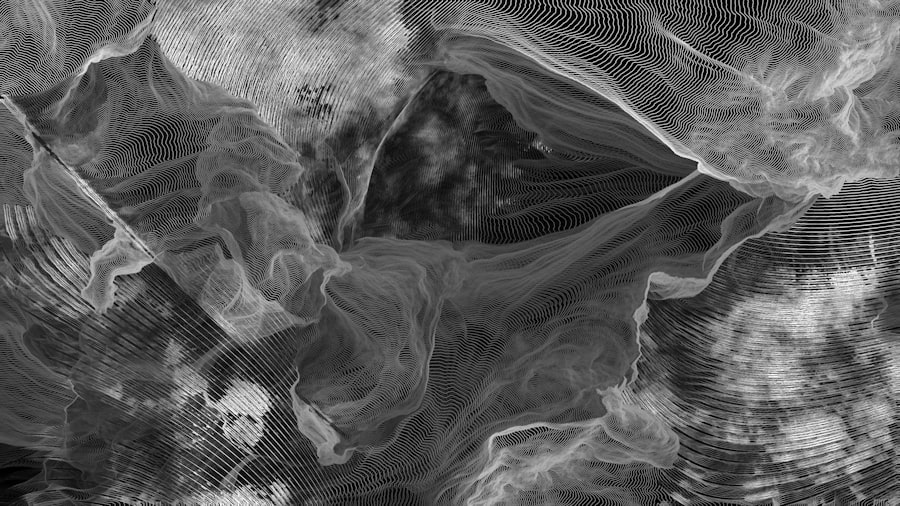
A plethora of AI tools and techniques are now available to artists and designers, each offering unique functionalities that enhance the creative process. One prominent example is generative adversarial networks (GANs), which can create realistic images by pitting two neural networks against each other. This technique has been employed to produce stunning visual art that often blurs the line between human-made and machine-generated creations.
Artists can use GANs to generate backgrounds, textures, or even entire compositions that serve as a foundation for further artistic development. In addition to GANs, other AI-driven tools such as Adobe Sensei and Runway ML provide features that simplify complex design tasks. Adobe Sensei, for instance, utilises AI to enhance image editing capabilities, allowing users to make precise adjustments with minimal effort.
Runway ML offers a platform for artists to experiment with machine learning models without requiring extensive programming knowledge. These tools empower artists to harness the potential of AI while maintaining their unique artistic voice.
The Influence of AI on Creativity and Innovation
| Metrics | Data |
|---|---|
| Number of AI-powered creative tools | Increasing |
| Percentage of businesses using AI for innovation | Rising |
| AI’s impact on creative output | Positive |
| Number of patents related to AI and creativity | Growing |
The influence of AI on creativity and innovation is profound, as it challenges conventional paradigms of artistic expression. By introducing new methodologies for creation, AI encourages artists to rethink their approaches and explore novel concepts. The collaborative nature of AI allows for a fusion of human intuition with machine intelligence, resulting in artworks that are both innovative and reflective of contemporary culture.
Furthermore, AI’s ability to analyse trends and audience preferences can inform artists about what resonates with viewers. This data-driven insight can guide creative decisions, enabling artists to tailor their work to meet the evolving tastes of their audience. However, this reliance on data also raises questions about authenticity and originality in art.
As artists navigate this landscape, they must balance the benefits of AI with their own creative instincts to ensure that their work remains genuine.
The Ethical and Legal Implications of AI in Digital Art and Design
As AI becomes increasingly integrated into digital art and design, ethical and legal implications emerge that warrant careful consideration. One significant concern is the issue of authorship. When an artwork is generated by an AI algorithm, questions arise regarding who holds the rights to that creation—the artist who input the parameters or the developers of the AI software.
This ambiguity complicates traditional notions of copyright and intellectual property, necessitating a reevaluation of existing legal frameworks. Additionally, there are ethical considerations surrounding the use of AI in art creation. The potential for bias in AI algorithms can lead to the perpetuation of stereotypes or exclusionary practices within the art world.
Artists must remain vigilant about the data they use to train their models, ensuring that it reflects diverse perspectives rather than reinforcing harmful narratives. As the dialogue around these issues continues to evolve, it is crucial for artists, technologists, and policymakers to collaborate in establishing guidelines that promote ethical practices in AI-driven art.
The Future of AI in Digital Art and Design
The Rise of Immersive Artistic Experiences
The integration of augmented reality (AR) and virtual reality (VR) with AI could lead to immersive artistic experiences that engage audiences in unprecedented ways. Artists may find themselves creating interactive installations that respond to viewer input in real-time, blurring the lines between creator and audience.
The Evolution of Machine-Generated Aesthetics
Moreover, as AI continues to learn from vast datasets, its ability to generate unique styles and techniques will likely improve. This evolution could lead to a new wave of artistic movements driven by machine-generated aesthetics.
The Importance of Human Touch in Art
However, as these developments unfold, it will be essential for artists to maintain their individuality amidst the growing influence of AI. The challenge will be to harness these advancements while preserving the human touch that defines art.
Case Studies: AI’s Impact on Digital Art and Design
Several case studies exemplify the transformative impact of AI on digital art and design. One notable example is the work of artist Refik Anadol, who utilises machine learning algorithms to create immersive installations that blend data with visual art. His projects often involve processing large datasets from various sources—such as weather patterns or social media activity—to generate dynamic visualisations that evolve over time.
Anadol’s work illustrates how AI can be harnessed not only as a tool but as a collaborator in the creative process. Another significant case is the collaboration between artist Mario Klingemann and neural networks. Klingemann has gained recognition for his innovative use of GANs to create artworks that challenge perceptions of authorship and creativity.
His pieces often provoke discussions about the role of machines in artistic expression while showcasing the potential for AI to generate visually striking compositions that captivate audiences.
Embracing the Potential of AI in Digital Art and Design
In conclusion, the integration of artificial intelligence into digital art and design presents both exciting opportunities and complex challenges. As artists embrace these technologies, they are not only enhancing their creative processes but also redefining the boundaries of artistic expression. The collaboration between human creativity and machine intelligence fosters an environment ripe for innovation, encouraging artists to explore new ideas and techniques.
However, as we navigate this evolving landscape, it is imperative to address the ethical and legal implications associated with AI in art. By fostering a dialogue among artists, technologists, and policymakers, we can establish frameworks that promote responsible practices while celebrating the potential of AI as a transformative force in the creative realm. Ultimately, embracing AI’s capabilities will enable artists to push their boundaries further than ever before, paving the way for a vibrant future in digital art and design.
In a recent article discussing the future of digital art and design with AI technology, it is fascinating to see how rapidly technology is advancing in the creative industry. This evolution is further highlighted by the recent release of the iOS 15.6 and iPadOS 15.6 update by Apple, aimed at fixing bugs and improving user experience. The integration of AI in digital art and design is not only revolutionising the way artists work but also enhancing the overall creative process. To read more about the latest technological advancements, check out the article here.
FAQs
What is AI?
AI stands for artificial intelligence, which refers to the simulation of human intelligence in machines that are programmed to think and learn like humans.
How is AI used in digital art and design?
AI is used in digital art and design to automate repetitive tasks, generate new and unique designs, enhance creative processes, and improve efficiency in the creation of digital content.
What are some examples of AI tools used in digital art and design?
Examples of AI tools used in digital art and design include Adobe Sensei, which uses AI to enhance creative workflows, and DeepDream, which uses neural networks to generate unique and surreal images.
How does AI impact the future of digital art and design?
AI is expected to revolutionize the future of digital art and design by enabling artists and designers to explore new creative possibilities, automate time-consuming tasks, and create more personalized and engaging digital experiences.
What are the potential challenges of using AI in digital art and design?
Challenges of using AI in digital art and design include ethical considerations, potential job displacement, and the need for artists and designers to adapt to new technologies and workflows.


 has ushered in a transformative era across various sectors, with digital art and design being no..)