
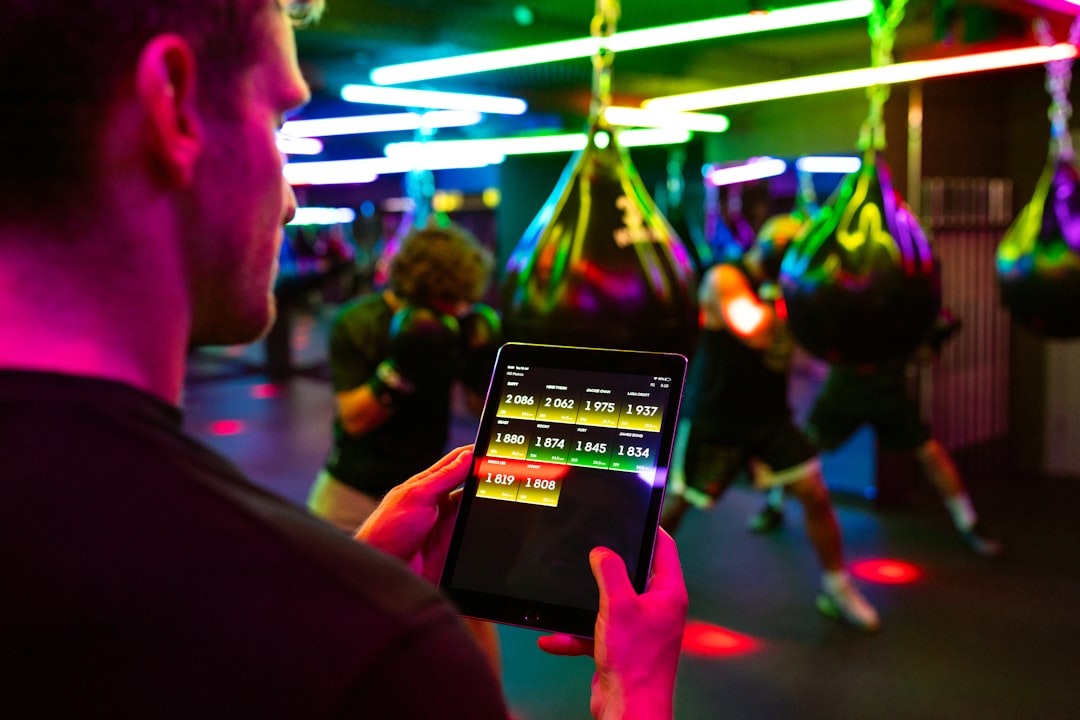
The advent of artificial intelligence (AI) has revolutionised numerous sectors, and the realm of fitness and wellness is no exception. As individuals increasingly seek tailored solutions to meet their health goals, AI has emerged as a powerful tool that can provide personalised experiences. By leveraging vast amounts of data, AI systems can analyse individual preferences, behaviours, and physiological responses, thereby crafting bespoke fitness and wellness plans.
This shift towards personalisation not only enhances user engagement but also optimises outcomes, making fitness more accessible and effective for a diverse range of individuals. In recent years, the integration of AI into fitness and wellness has gained significant traction, driven by advancements in technology and an increasing awareness of health issues. From customised workout regimens to tailored nutritional advice, AI is reshaping how people approach their health journeys.
As we delve deeper into the various applications of AI in this field, it becomes evident that its potential extends far beyond mere convenience; it promises to transform the very fabric of personal health management. Have you read the latest blog post on artificial intelligence?
Summary
- AI is revolutionizing personalized fitness and wellness by offering customized workout plans, personalized diet and meal planning, health and fitness tracking through wearable devices, and personalized stress management.
- AI plays a crucial role in creating customized workout plans by analyzing individual data and preferences, and providing tailored exercise routines to meet specific fitness goals.
- AI enables personalized nutrition and meal planning by considering individual dietary needs, preferences, and health goals, offering tailored diet plans and meal suggestions.
- AI-powered wearable devices track health and fitness data, providing real-time insights and feedback to help individuals monitor their progress and make informed decisions about their wellness.
- AI is also being used for personalized stress management, offering tailored strategies and interventions to help individuals cope with stress and improve their mental well-being.
The Role of AI in Customized Workout Plans
Personalised Workout Plans
One of the most prominent applications of artificial intelligence in fitness is the development of customised workout plans. Traditional fitness programmes often adopt a one-size-fits-all approach, which may not cater to the unique needs and goals of every individual. In contrast, AI-driven platforms can analyse a user’s fitness level, preferences, and specific objectives to create a tailored workout regimen.
Effective and Sustainable Workouts
By considering factors such as age, weight, fitness history, and even genetic predispositions, these systems can generate plans that are not only effective but also sustainable over the long term. Moreover, AI can adapt these workout plans in real-time based on user feedback and performance metrics. For instance, if an individual finds a particular exercise too challenging or experiences fatigue, the AI can modify the routine accordingly.
Enhanced User Experience and Progress Tracking
This dynamic adaptability ensures that users remain engaged and motivated while minimising the risk of injury. Additionally, by incorporating data from wearable devices, AI can track progress and provide insights that help users understand their performance trends, ultimately fostering a more informed approach to fitness.
AI and Nutrition: Personalized Diet and Meal Planning

In conjunction with customised workout plans, AI is also making significant strides in the realm of nutrition. Personalised diet and meal planning are crucial components of any effective wellness strategy, as nutrition plays a pivotal role in achieving fitness goals. AI-powered applications can analyse dietary preferences, nutritional needs, and even food allergies to create meal plans that align with an individual’s lifestyle and health objectives.
This level of personalisation not only enhances adherence to dietary recommendations but also promotes overall well-being. Furthermore, AI can assist users in making informed food choices by providing real-time nutritional information and suggestions based on their dietary habits. For example, if a user logs their meals into an AI-driven app, the system can analyse the nutritional content and offer alternatives that better meet their goals—be it weight loss, muscle gain, or improved energy levels.
This interactive approach empowers individuals to take control of their nutrition while ensuring they receive the necessary nutrients for optimal health.
AI-Powered Wearable Devices for Health and Fitness Tracking
| Metrics | Value |
|---|---|
| Heart Rate Monitoring | Yes |
| Calories Burned | Yes |
| Steps Taken | Yes |
| Sleep Tracking | Yes |
| Activity Recognition | Yes |
The proliferation of wearable devices has further augmented the role of AI in personalised fitness and wellness. These devices—ranging from smartwatches to fitness trackers—are equipped with sensors that monitor various health metrics such as heart rate, sleep patterns, and physical activity levels. By collecting and analysing this data, AI can provide users with valuable insights into their health status and fitness progress.
AI-powered wearables can also facilitate goal setting by allowing users to establish specific targets based on their current performance metrics. For instance, if a user aims to increase their daily step count or improve their sleep quality, the device can offer tailored recommendations and reminders to help them achieve these goals. Additionally, the integration of machine learning algorithms enables these devices to learn from user behaviour over time, refining their suggestions to better suit individual preferences and lifestyles.
AI in Mental Health and Wellness: Personalized Stress Management
Beyond physical fitness, AI is increasingly being utilised in the domain of mental health and wellness. Personalised stress management is a critical aspect of overall well-being, and AI technologies are emerging as valuable tools in this area. Through the analysis of user data—such as mood patterns, stress triggers, and coping mechanisms—AI can offer tailored strategies for managing stress effectively.
For instance, AI-driven applications can provide mindfulness exercises, guided meditations, or breathing techniques based on an individual’s specific stressors. By personalising these interventions, users are more likely to engage with them consistently, leading to improved mental health outcomes. Furthermore, some platforms utilise natural language processing to analyse user interactions and provide real-time support or resources when stress levels are detected to be high.
The Future of AI in Personalized Wellness Coaching
As technology continues to evolve, the future of AI in personalised wellness coaching appears promising. The potential for AI to serve as a virtual wellness coach is becoming increasingly feasible as advancements in machine learning and data analytics progress. In this capacity, AI could provide continuous support and guidance tailored to an individual’s unique journey towards health and wellness.
Looking ahead, we may see the emergence of fully integrated platforms that combine fitness training, nutrition planning, mental health support, and lifestyle coaching into a single user-friendly interface. Such platforms would not only enhance convenience but also foster a holistic approach to wellness that addresses multiple facets of health simultaneously. As AI becomes more sophisticated in understanding human behaviour and preferences, its ability to deliver personalised coaching experiences will likely improve significantly.
Ethical Considerations and Privacy Concerns in AI-Powered Fitness and Wellness
While the benefits of AI in personalised fitness and wellness are substantial, it is essential to address the ethical considerations and privacy concerns associated with its use. The collection and analysis of personal health data raise significant questions regarding data security and user consent. Individuals must be assured that their sensitive information is protected from unauthorised access or misuse.
Moreover, there is a risk that reliance on AI-driven solutions could lead to over-dependence on technology for health management. It is crucial for users to maintain a balanced approach that incorporates professional medical advice alongside AI recommendations. As the industry evolves, establishing clear guidelines for ethical practices in data handling will be paramount to ensuring user trust and safety.
The Potential Impact of AI on Personalized Fitness and Wellness
In conclusion, the integration of artificial intelligence into personalised fitness and wellness represents a transformative shift in how individuals approach their health journeys. From customised workout plans to tailored nutrition advice and mental health support, AI has the potential to enhance engagement and optimise outcomes for users across diverse demographics. As technology continues to advance, we can expect even more innovative applications that will further personalise the wellness experience.
However, it is imperative that stakeholders remain vigilant regarding ethical considerations and privacy concerns as they navigate this evolving landscape. By prioritising user safety and data security while harnessing the power of AI, we can unlock its full potential to revolutionise personalised fitness and wellness for generations to come. The future holds exciting possibilities for individuals seeking tailored solutions that empower them on their path to better health and well-being.
In a recent article discussing the future of AI in personalized fitness and wellness, the potential for technology to revolutionize the way we approach health and fitness is explored. The article delves into how AI can be used to tailor workout plans and nutrition advice to individual needs, ultimately leading to more effective and sustainable results. For more information on how technology is shaping the future of personalised fitness, check out this related article.
FAQs
What is AI in personalized fitness and wellness?
AI in personalized fitness and wellness refers to the use of artificial intelligence technology to create tailored fitness and wellness plans for individuals based on their specific needs, goals, and preferences.
How does AI contribute to personalized fitness and wellness?
AI contributes to personalized fitness and wellness by analyzing large amounts of data, such as an individual’s health metrics, exercise habits, and dietary preferences, to create customized fitness and wellness plans that are more effective and sustainable.
What are the benefits of AI in personalized fitness and wellness?
The benefits of AI in personalized fitness and wellness include more accurate and personalized recommendations, real-time feedback and adjustments, improved motivation and adherence, and the ability to track progress and make data-driven decisions.
What are some examples of AI applications in personalized fitness and wellness?
Examples of AI applications in personalized fitness and wellness include smart workout apps that adapt to individual performance, AI-powered nutrition and meal planning platforms, wearable devices that track and analyze health data, and virtual personal trainers that provide tailored guidance.
What are the potential future developments in AI for personalized fitness and wellness?
Potential future developments in AI for personalized fitness and wellness include more advanced predictive analytics for health outcomes, seamless integration of AI with wearable devices and smart home technology, and the use of AI to create virtual reality fitness experiences.


 has revolutionised numerous sectors, and the realm of fitness and wellness is no exception. As individuals..)