
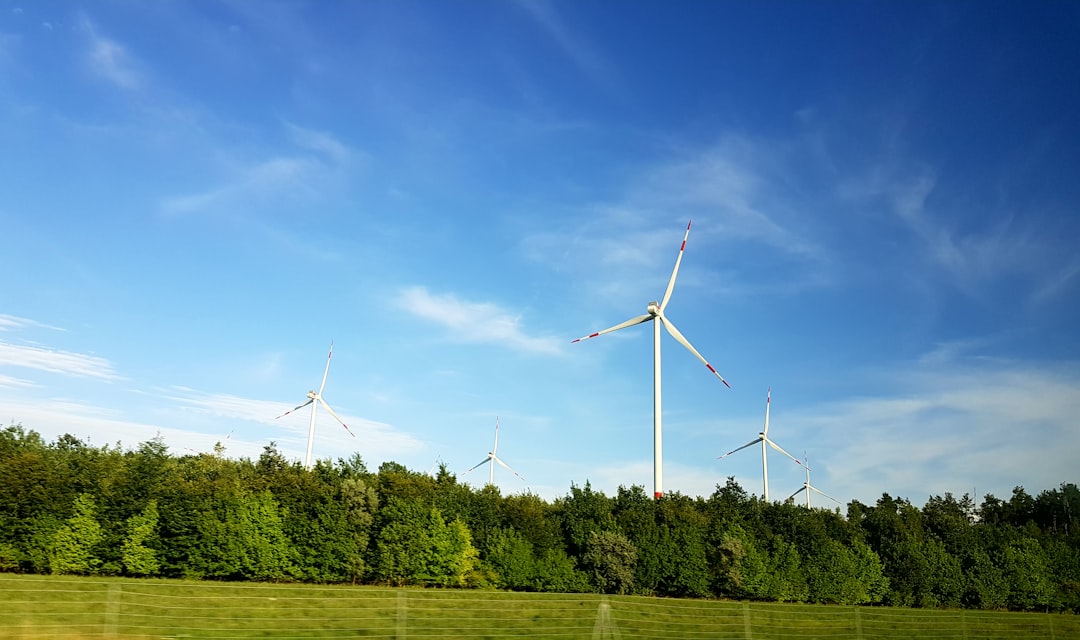
The intersection of artificial intelligence (AI) and climate change represents one of the most significant opportunities and challenges of our time. As the world grapples with the escalating impacts of climate change, from extreme weather events to rising sea levels, the need for innovative solutions has never been more pressing. AI, with its capacity for data analysis, pattern recognition, and predictive modelling, offers a powerful toolset for addressing these complex environmental issues.
By harnessing vast amounts of data, AI can help us understand climate dynamics, optimise resource use, and develop strategies for mitigation and adaptation. The urgency of climate action is underscored by scientific consensus on the need to limit global warming to 1.5 degrees Celsius above pre-industrial levels. Achieving this goal requires a multifaceted approach that integrates technology, policy, and community engagement.
AI stands out as a transformative force in this endeavour, capable of enhancing our understanding of climate systems and improving decision-making processes across various sectors. As we explore the role of AI in combating climate change, it is essential to consider both its potential benefits and the challenges that accompany its implementation. Have you read the latest blog post on artificial intelligence?
Summary
- AI has the potential to revolutionize the fight against climate change by providing innovative solutions and insights.
- AI can play a crucial role in climate change mitigation by optimizing energy usage, reducing emissions, and improving resource management.
- AI applications for renewable energy include enhancing energy production, improving grid efficiency, and enabling better energy storage solutions.
- AI can help in climate change adaptation and resilience by predicting and managing natural disasters, developing resilient infrastructure, and facilitating disaster response.
- AI can contribute to sustainable agriculture and land use by optimizing crop production, reducing waste, and promoting sustainable land management practices.
The Role of AI in Climate Change Mitigation
Informing Policy Decisions with Data Analysis
AI plays a pivotal role in climate change mitigation by enabling more efficient energy use, reducing greenhouse gas emissions, and facilitating the transition to a low-carbon economy. One of the most significant contributions of AI is its ability to analyse large datasets to identify patterns and trends that inform policy decisions. For instance, machine learning algorithms can process historical climate data alongside socio-economic indicators to predict future emissions scenarios.
Optimising Energy Consumption and Reducing Waste
This predictive capability allows governments and organisations to implement targeted interventions that can significantly reduce carbon footprints. Moreover, AI can optimise energy consumption in various sectors, including transportation, manufacturing, and building management. Smart grids powered by AI can dynamically adjust energy distribution based on real-time demand, thereby minimising waste and enhancing efficiency.
Fostering Economic Growth while Reducing Emissions
In transportation, AI-driven systems can optimise routing for logistics companies, reducing fuel consumption and emissions. By integrating AI into these critical areas, we can make substantial strides towards achieving our climate goals while also fostering economic growth.
AI Applications for Renewable Energy
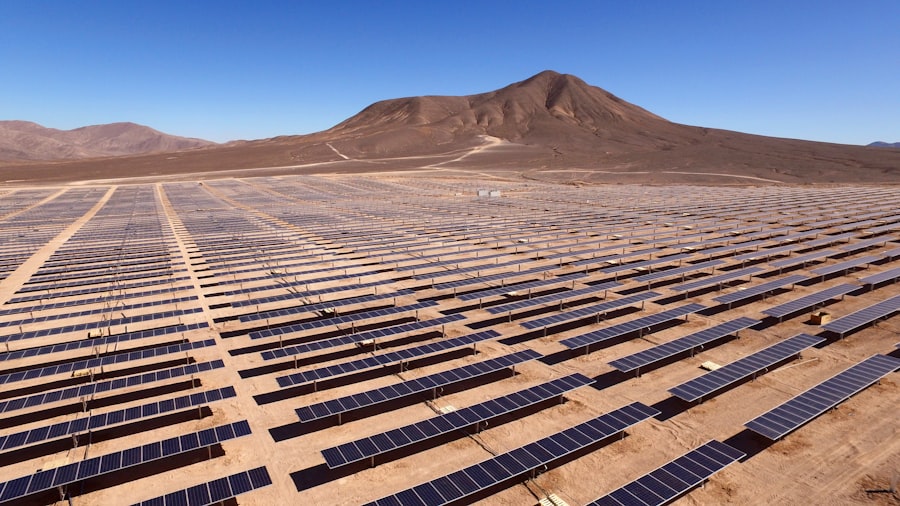
The integration of AI into renewable energy systems is revolutionising how we generate and manage clean energy. One of the most notable applications is in the optimisation of energy production from sources such as solar and wind. AI algorithms can analyse weather patterns and historical performance data to predict energy output more accurately.
This predictive capability enables better planning and integration of renewable sources into the energy grid, ensuring a more reliable supply of clean energy. Additionally, AI can enhance the efficiency of renewable energy technologies through predictive maintenance. By monitoring equipment performance in real-time, AI systems can identify potential failures before they occur, reducing downtime and maintenance costs.
This proactive approach not only improves the reliability of renewable energy systems but also contributes to their overall sustainability by extending the lifespan of critical infrastructure. As we continue to invest in renewable energy technologies, the role of AI will be crucial in maximising their potential and facilitating a smoother transition away from fossil fuels.
AI for Climate Change Adaptation and Resilience
| Metrics | Data |
|---|---|
| CO2 Emissions Reduction | 20% reduction by 2030 |
| Energy Efficiency | 30% improvement in energy efficiency |
| Climate Risk Assessment | Identified and assessed climate risks for 100 cities |
| Disaster Response Time | Reduced disaster response time by 50% |
As the impacts of climate change become increasingly evident, adaptation strategies are essential for communities worldwide. AI can significantly enhance our ability to adapt to changing environmental conditions by providing insights into vulnerabilities and potential responses. For example, machine learning models can analyse geographical data to identify areas at risk of flooding or drought, enabling local governments to implement proactive measures such as improved drainage systems or water conservation initiatives.
Furthermore, AI can support disaster response efforts by predicting the likelihood and severity of extreme weather events. By analysing historical data alongside real-time information from various sources, AI systems can provide early warnings that allow communities to prepare for impending disasters. This capability not only saves lives but also minimises economic losses by ensuring that resources are allocated efficiently during emergencies.
As we face an uncertain future shaped by climate change, leveraging AI for adaptation and resilience will be critical in safeguarding communities and ecosystems.
AI for Sustainable Agriculture and Land Use
Agriculture is one of the sectors most affected by climate change, yet it also plays a significant role in contributing to greenhouse gas emissions. AI offers innovative solutions for promoting sustainable agricultural practices that can mitigate these impacts while ensuring food security. Precision agriculture, powered by AI technologies, enables farmers to optimise resource use by analysing soil health, weather patterns, and crop performance data.
This targeted approach reduces waste and enhances productivity, ultimately leading to more sustainable farming practices. Moreover, AI can assist in land-use planning by providing insights into the ecological impacts of various development scenarios. By simulating different land-use strategies, AI models can help policymakers make informed decisions that balance economic development with environmental conservation.
This capability is particularly important as urbanisation continues to expand into natural habitats, often leading to biodiversity loss and increased carbon emissions. By integrating AI into agricultural and land-use practices, we can foster a more sustainable relationship with our environment while addressing the challenges posed by climate change.
AI for Climate Change Monitoring and Prediction

Tracking Environmental Changes
Remote sensing technologies combined with AI algorithms can analyse satellite imagery to track deforestation, land degradation, and changes in land cover over time. This information is vital for assessing the effectiveness of conservation efforts and identifying areas that require urgent attention.
Enhancing Climate Prediction Models
In addition to monitoring environmental changes, AI can improve climate prediction models by incorporating vast datasets from various sources. Traditional climate models often rely on simplified assumptions that may not capture the complexity of climate systems accurately. However, machine learning techniques can process diverse datasets—ranging from ocean temperatures to atmospheric conditions—to generate more accurate predictions about future climate scenarios.
Informing Policy Responses
These enhanced models provide valuable insights that can guide policymakers in developing effective strategies for mitigation and adaptation.
Challenges and Ethical Considerations in AI for Climate Change
Despite its potential benefits, the application of AI in addressing climate change is not without challenges and ethical considerations. One significant concern is the energy consumption associated with training large AI models. The computational power required for machine learning can lead to substantial carbon emissions if not managed properly.
As we strive for sustainability in our efforts to combat climate change, it is crucial to ensure that the deployment of AI technologies does not inadvertently contribute to the problem. Moreover, there are ethical implications related to data privacy and equity in access to technology. The use of AI often relies on vast amounts of data, which raises questions about who owns this data and how it is used.
Ensuring that vulnerable communities are not disproportionately affected by AI-driven decisions is essential for fostering equitable solutions to climate change challenges. Addressing these ethical considerations will require collaboration among stakeholders—including governments, businesses, and civil society—to establish guidelines that promote responsible AI use in the context of climate action.
The Future of AI in Tackling Climate Change
Looking ahead, the future of AI in tackling climate change appears promising yet complex. As technology continues to evolve, we can expect even more sophisticated applications that enhance our ability to mitigate and adapt to climate impacts. The integration of AI with other emerging technologies—such as blockchain for transparent supply chains or Internet of Things (IoT) devices for real-time monitoring—will create synergies that amplify our efforts towards sustainability.
However, realising this potential will require concerted action from multiple stakeholders. Policymakers must create an enabling environment that fosters innovation while ensuring ethical standards are upheld. Additionally, investment in research and development will be crucial for advancing AI capabilities tailored specifically for climate solutions.
By prioritising collaboration across sectors and disciplines, we can harness the power of AI as a transformative force in our fight against climate change. In conclusion, while challenges remain in the application of AI for climate action, its potential benefits are undeniable. From enhancing renewable energy systems to supporting sustainable agriculture practices, AI offers a multifaceted approach to addressing one of humanity’s most pressing issues.
As we navigate this complex landscape, it is imperative that we remain committed to leveraging technology responsibly and equitably in our pursuit of a sustainable future.
In a recent article discussing the role of AI in climate change mitigation and adaptation, researchers have highlighted the potential for technology to revolutionize our approach to environmental challenges. This aligns with a related article on the QCAD: The Open Source CAD System for Everyone, which explores how open-source software can democratize access to design tools for sustainable solutions. By harnessing the power of AI and innovative technologies, we can work towards a more sustainable future for our planet.
FAQs
What is the role of AI in climate change mitigation and adaptation?
AI can play a crucial role in climate change mitigation and adaptation by helping to improve the efficiency of renewable energy sources, optimize energy consumption, and enhance climate modelling and prediction.
How can AI improve the efficiency of renewable energy sources?
AI can improve the efficiency of renewable energy sources by optimizing their operation and maintenance, predicting energy production, and integrating them into the existing energy grid.
How does AI help in optimizing energy consumption?
AI can help in optimizing energy consumption by analyzing large datasets to identify patterns and trends, enabling the development of smart energy management systems and devices.
How does AI enhance climate modelling and prediction?
AI can enhance climate modelling and prediction by processing vast amounts of data to improve the accuracy of climate models, enabling better understanding and prediction of climate change impacts.
What are some examples of AI applications in climate change mitigation and adaptation?
Examples of AI applications in climate change mitigation and adaptation include smart grid management, predictive maintenance for renewable energy infrastructure, and advanced climate modelling and prediction systems.


 and climate change represents one of the most significant opportunities and challenges of our time...)