
Accessible design refers to the practice of creating products, environments, and services that are usable by all individuals, regardless of their abilities or disabilities. This concept is particularly significant in the context of technology, where the rapid advancement of digital tools and platforms has the potential to either bridge or widen the gap for people with disabilities. The integration of accessible design principles into technology not only enhances usability but also promotes inclusivity, ensuring that everyone can participate fully in society.
As we delve into this topic, it is essential to understand the foundational elements of accessible design and how they intersect with technological advancements. The importance of accessible design cannot be overstated, as it plays a crucial role in fostering equality and independence for individuals with disabilities. By prioritising accessibility, designers and technologists can create solutions that empower users rather than hinder them.
This commitment to inclusivity is not merely a legal obligation but a moral imperative that reflects a society’s values. As we explore the evolution of accessible design through technology, we will uncover how these principles have transformed over time and continue to shape the future of user experience. Have you read the latest blog post on artificial intelligence?
Summary
- Accessible design and technology aim to make digital content and technology usable for all, including people with disabilities.
- The evolution of accessible design with technology has seen advancements in assistive technologies and inclusive design principles.
- Digital accessibility in technology plays a crucial role in ensuring equal access to information and services for people with disabilities.
- Technology has improved accessibility for people with disabilities through innovations such as screen readers, voice recognition, and adaptive devices.
- Despite advancements, challenges and limitations in technology still exist in accessible design, such as compatibility issues and cost barriers.
The Evolution of Accessible Design with Technology
The journey of accessible design has been significantly influenced by technological advancements over the decades. In the early days, accessibility was often an afterthought, with minimal consideration given to the needs of individuals with disabilities. However, as awareness grew regarding the importance of inclusivity, designers began to incorporate accessibility features into their products.
The introduction of screen readers, for instance, marked a pivotal moment in making digital content more accessible to visually impaired users. These tools allowed individuals to interact with technology in ways that were previously unimaginable. As technology continued to evolve, so too did the approaches to accessible design.
The advent of the internet brought about new opportunities for accessibility, enabling a broader range of assistive technologies to emerge. Websites began to adopt standards such as the Web Content Accessibility Guidelines (WCAG), which provided a framework for creating more inclusive online experiences. This shift not only improved access for users with disabilities but also raised awareness among designers and developers about the importance of considering diverse user needs from the outset.
The evolution of accessible design has thus been characterised by a growing recognition of the need for inclusivity in all aspects of technology.
The Role of Digital Accessibility in Technology
Digital accessibility plays a fundamental role in ensuring that technology is usable by everyone, particularly those with disabilities. It encompasses a wide range of practices aimed at making digital content—such as websites, applications, and multimedia—accessible to all users. This includes considerations for individuals with visual impairments, hearing loss, cognitive disabilities, and motor challenges.
By adhering to established accessibility standards and guidelines, developers can create digital experiences that are not only functional but also equitable. Moreover, digital accessibility is increasingly seen as a critical component of user experience (UX) design. As businesses and organisations recognise the value of reaching a diverse audience, they are more inclined to invest in accessible digital solutions.
This shift is not only beneficial for users with disabilities but also enhances overall usability for all individuals. By prioritising digital accessibility, companies can foster a more inclusive environment that encourages engagement and participation from a wider demographic.
How Technology has Improved Accessibility for People with Disabilities
| Improvement | Impact |
|---|---|
| Screen readers | Allow visually impaired individuals to access digital content |
| Speech recognition software | Enables people with mobility impairments to control devices and communicate |
| Alternative input devices | Provide options for individuals with limited dexterity to interact with technology |
| Accessible websites and apps | Ensure that digital content is usable for people with various disabilities |
| Text-to-speech and speech-to-text | Assist individuals with reading and writing difficulties |
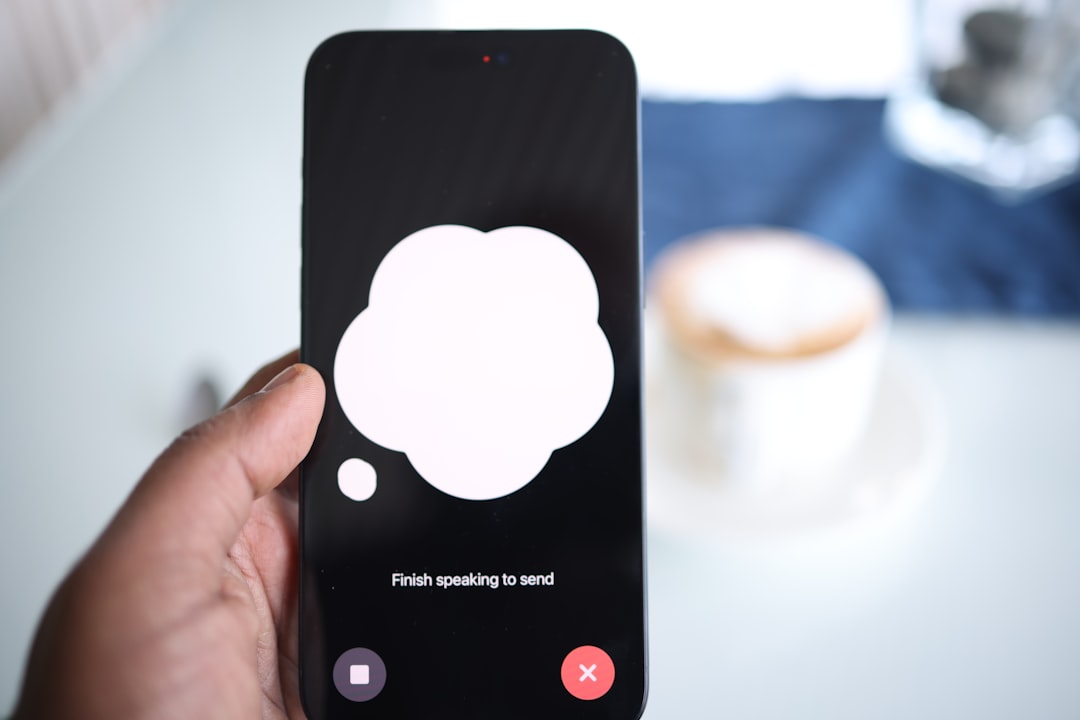
The impact of technology on accessibility for people with disabilities has been profound and transformative. Innovations such as voice recognition software, text-to-speech applications, and adaptive hardware have significantly enhanced the ability of individuals with disabilities to interact with technology. For example, voice-activated assistants like Siri and Alexa have made it easier for users with mobility impairments to access information and control their environments without needing physical interaction.
These advancements have not only improved convenience but have also fostered greater independence. In addition to these tools, advancements in mobile technology have further revolutionised accessibility. Smartphones and tablets now come equipped with built-in accessibility features that cater to various needs.
Features such as screen magnification, closed captioning, and haptic feedback allow users to customise their devices according to their preferences. This level of personalisation empowers individuals with disabilities to engage with technology on their terms, enhancing their overall experience and quality of life.
Challenges and Limitations of Technology in Accessible Design
Despite the significant progress made in accessible design through technology, challenges and limitations remain prevalent. One major issue is the inconsistency in adherence to accessibility standards across different platforms and devices. While some companies prioritise accessibility in their design processes, others may overlook these considerations, resulting in fragmented experiences for users with disabilities.
This inconsistency can lead to frustration and exclusion, undermining the very principles of accessible design. Another challenge lies in the rapid pace of technological advancement itself. As new tools and platforms emerge, there is often a lag in updating accessibility features to keep pace with these changes.
For instance, emerging technologies such as virtual reality (VR) and augmented reality (AR) present unique accessibility challenges that have yet to be fully addressed. Ensuring that these technologies are inclusive requires ongoing collaboration between designers, developers, and advocacy groups to identify barriers and develop effective solutions.
The Future of Accessible Design and Technology
Emerging Technologies: The Key to Enhanced Accessibility
Emerging technologies such as artificial intelligence (AI) and machine learning are poised to play a significant role in enhancing accessibility features. For example, AI-driven tools can analyse user behaviour and preferences to provide personalised experiences that cater to individual needs.
A More Intuitive and Accessible Future
This level of customisation could revolutionise how users interact with technology, making it more intuitive and accessible. Furthermore, as society becomes increasingly aware of the importance of diversity and inclusion, there is likely to be greater advocacy for accessible design practices across industries.
Education and Training: The Foundation for Inclusive Solutions
Educational institutions are beginning to incorporate accessibility training into their curricula for designers and developers, ensuring that future professionals are equipped with the knowledge and skills necessary to create inclusive solutions. This shift towards prioritising accessibility from the outset will be crucial in shaping a more equitable technological landscape.
Case Studies: Successful Implementation of Technology in Accessible Design
Several case studies exemplify successful implementations of technology in accessible design, showcasing innovative approaches that have made a tangible difference in people’s lives. One notable example is Microsoft’s commitment to accessibility through its products and services. The company has developed features such as the Xbox Adaptive Controller, which allows gamers with limited mobility to customise their gaming experience using various assistive devices.
This initiative not only demonstrates Microsoft’s dedication to inclusivity but also highlights how technology can be tailored to meet diverse user needs. Another compelling case study is that of Google’s efforts in enhancing accessibility across its platforms. The introduction of Live Transcribe—a real-time transcription app—has significantly improved communication for individuals who are deaf or hard of hearing.
By leveraging speech recognition technology, Live Transcribe provides instant captions during conversations, facilitating more inclusive interactions in various settings. These examples illustrate how thoughtful integration of technology can lead to meaningful advancements in accessible design.
The Ongoing Impact of Technology on Accessible Design
In conclusion, the intersection of accessible design and technology represents a dynamic field that continues to evolve as society progresses towards greater inclusivity. While significant strides have been made in improving accessibility for individuals with disabilities through technological innovations, challenges remain that require ongoing attention and collaboration among stakeholders. The future holds immense potential for further advancements driven by emerging technologies and a growing commitment to inclusivity.
As we move forward, it is essential for designers, developers, and organisations to prioritise accessible design principles in their work actively. By doing so, they can contribute to a more equitable society where everyone has the opportunity to engage fully with technology and participate in all aspects of life. The ongoing impact of technology on accessible design will undoubtedly shape our collective future, fostering an environment where diversity is celebrated and inclusivity is the norm rather than the exception.
In a recent article on Samsung Electronics launching the YouMake campaign, the focus is on personalization and connectivity opportunities for customers in their everyday lives. This article highlights the importance of technology in creating accessible design that caters to individual needs and preferences. Just like in the role of technology in accessible design, Samsung’s campaign aims to provide products and services that enhance the user experience and make technology more inclusive for all.
FAQs
What is accessible design?
Accessible design refers to the process of creating products, services, and environments that can be used by people with a wide range of abilities and disabilities. This includes ensuring that technology is usable by individuals with disabilities.
How does technology play a role in accessible design?
Technology plays a crucial role in accessible design by providing tools and solutions that can make digital content, products, and services accessible to individuals with disabilities. This can include screen readers, alternative input devices, and other assistive technologies.
What are some examples of technology used in accessible design?
Examples of technology used in accessible design include screen readers, which convert digital text into speech or braille, alternative input devices such as sip-and-puff systems or eye-tracking devices, and captioning and audio descriptions for multimedia content.
Why is it important to consider accessible design in technology?
It is important to consider accessible design in technology to ensure that digital content, products, and services are usable by all individuals, including those with disabilities. This not only promotes inclusivity but also helps businesses and organisations reach a wider audience.
What are some best practices for incorporating accessible design into technology?
Some best practices for incorporating accessible design into technology include providing alternative text for images, ensuring keyboard navigation is possible, using high contrast colours and clear typography, and testing with assistive technologies. Additionally, following accessibility guidelines such as the Web Content Accessibility Guidelines (WCAG) can help ensure that technology is accessible to all.


