

Virtual reality (VR) has emerged as a transformative technology, reshaping the way individuals interact with digital content. Initially conceived in the mid-20th century, VR has evolved significantly, driven by advancements in computing power, graphics, and user interface design. The introduction of affordable headsets, such as the Oculus Rift and HTC Vive, has made VR accessible to a broader audience, allowing users to immerse themselves in entirely virtual environments.
This accessibility has spurred interest across various sectors, including gaming, education, healthcare, and real estate, where immersive experiences can enhance engagement and understanding. The rise of VR can also be attributed to its ability to create compelling narratives and experiences that traditional media cannot replicate. By placing users in the centre of the action, VR allows for a level of interaction and emotional connection that is unparalleled.
For instance, in the gaming industry, players can step into the shoes of their characters, experiencing the game world from a first-person perspective. This shift from passive consumption to active participation has not only changed the landscape of entertainment but has also opened new avenues for storytelling and creative expression. Have you read the latest blog post on artificial intelligence?
Summary
- Virtual reality has seen a significant rise in popularity, offering immersive experiences in various industries.
- Augmented reality is becoming more integrated into everyday life, from gaming to navigation and shopping.
- 360-degree video has evolved to provide more immersive and interactive experiences for viewers.
- Immersive theatre has made a significant impact on traditional theatre, offering audiences a more engaging and interactive experience.
- Artificial intelligence plays a crucial role in creating immersive experiences, from personalising content to enhancing user interactions.
Augmented Reality in Everyday Life
Enhancing Navigation
For example, AR navigation apps can provide real-time directions by superimposing arrows and information onto a live camera feed, making it easier for users to find their way without needing to consult a map.
Revolutionising Retail
In retail, AR has revolutionised the shopping experience by allowing customers to visualise products in their own environment before making a purchase. Furniture retailers like IKEA have developed AR applications that enable users to see how a piece of furniture would look in their home through their smartphone cameras. This not only enhances customer satisfaction but also reduces the likelihood of returns, as consumers can make more informed decisions.
Transforming Education
Furthermore, AR is being utilised in educational settings, where interactive lessons can engage students by bringing complex concepts to life through visualisation and interaction.
The Evolution of 360-Degree Video
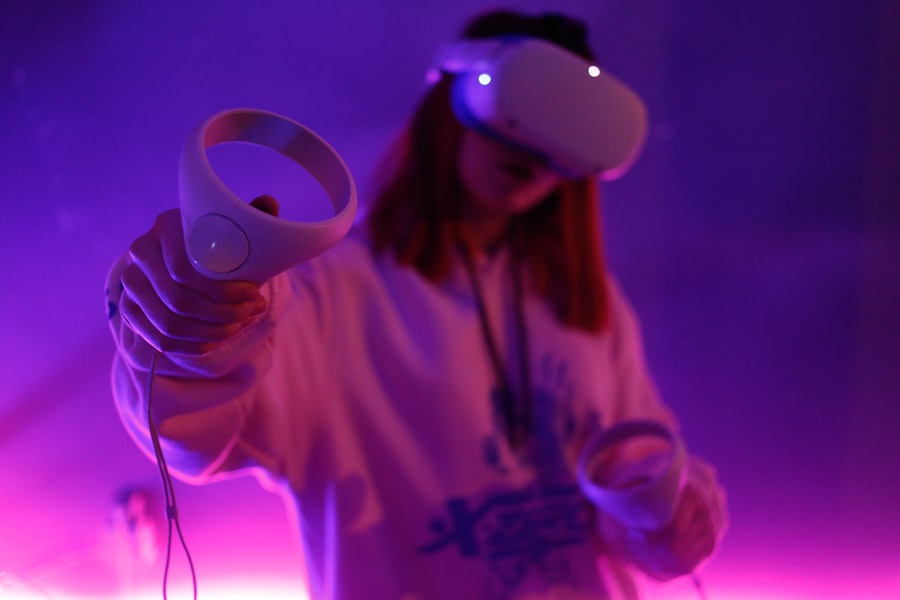
The evolution of 360-degree video has marked a significant milestone in the realm of immersive media. This format allows viewers to experience a scene from multiple angles, providing a sense of presence that traditional video cannot achieve. The technology has progressed from early experimental films to high-quality productions that are now commonplace on platforms like YouTube and Facebook.
As camera technology has improved, filmmakers have embraced 360-degree video to create immersive storytelling experiences that captivate audiences. One notable application of 360-degree video is in journalism, where it offers viewers an unprecedented perspective on events. For instance, news organisations have utilised this format to transport audiences to the front lines of conflicts or natural disasters, fostering empathy and understanding through immersive storytelling.
Additionally, the entertainment industry has begun to explore 360-degree video as a means of enhancing viewer engagement. Concerts and live events can be broadcast in this format, allowing fans to feel as though they are part of the action, regardless of their physical location.
The Impact of Immersive Theatre
| Metrics | Data |
|---|---|
| Attendance | Increasing over the years |
| Engagement | High level of audience participation |
| Revenue | Steady growth in ticket sales |
| Impact on audience | Emotional and memorable experiences |
| Critical acclaim | Positive reviews from theatre critics |
Immersive theatre represents a groundbreaking shift in the performing arts, blurring the lines between audience and performer. Unlike traditional theatre, where spectators passively observe from fixed seats, immersive theatre invites participants to engage with the performance actively. This format creates a unique atmosphere where audiences can explore the performance space and interact with actors and other participants, leading to a personalised experience that varies from one individual to another.
The impact of immersive theatre extends beyond mere entertainment; it challenges conventional storytelling methods and encourages deeper emotional connections with the narrative. Productions such as “Sleep No More” have garnered acclaim for their innovative approach, allowing audiences to navigate through intricately designed environments while piecing together the story at their own pace. This participatory model not only enhances engagement but also fosters a sense of community among participants, as they share their unique experiences and interpretations of the performance.
The Role of Artificial Intelligence in Immersive Experiences
Artificial intelligence (AI) plays a pivotal role in enhancing immersive experiences across various domains. By leveraging machine learning algorithms and data analytics, AI can create more personalised and adaptive environments that respond to user behaviour in real-time. In gaming, for instance, AI-driven characters can learn from player interactions, adapting their strategies and responses to create a more dynamic and engaging experience.
Moreover, AI is instrumental in developing intelligent virtual assistants that enhance user interaction within immersive environments. These assistants can provide guidance, answer questions, and facilitate navigation through complex virtual spaces. In educational settings, AI can tailor learning experiences based on individual student needs, ensuring that each learner receives support that aligns with their unique pace and style of learning.
As AI continues to evolve, its integration into immersive experiences will likely lead to even more sophisticated and engaging applications.
The Future of Interactive Gaming
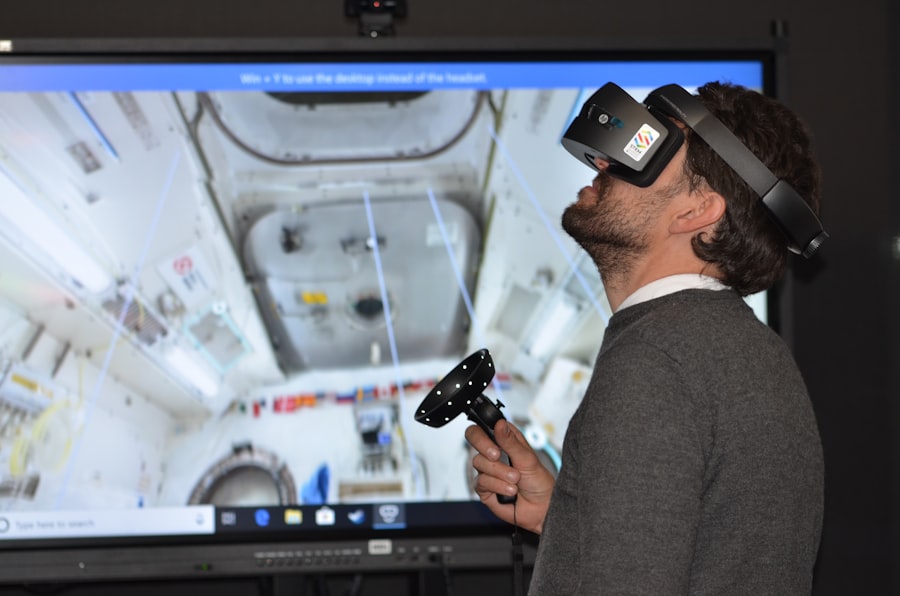
Immersive Experiences
Players are no longer confined to traditional controllers; instead, they can engage with games through motion tracking and voice commands, creating a more intuitive and engaging experience.
Cloud Gaming Revolution
Furthermore, the rise of cloud gaming services is set to revolutionise how games are accessed and played. By allowing players to stream games directly from the cloud without the need for high-end hardware, these services democratise access to gaming experiences. This shift not only broadens the potential player base but also encourages developers to create more innovative and ambitious titles that leverage the capabilities of cloud technology.
A New Era of Creativity
As interactive gaming continues to evolve, it will undoubtedly push the boundaries of creativity and engagement in ways previously unimaginable.
Immersive Education: The Classroom of Tomorrow
Immersive education is transforming traditional learning environments into dynamic spaces where students can engage with content in innovative ways. By incorporating virtual reality (VR) and augmented reality (AR) technologies into the classroom, educators can create interactive lessons that captivate students’ attention and enhance understanding. For example, history lessons can be brought to life through VR simulations that allow students to explore ancient civilisations or significant historical events firsthand.
Moreover, immersive education fosters collaboration among students by encouraging group activities that require teamwork and problem-solving skills. Through shared experiences in virtual environments, learners can develop critical thinking abilities while gaining a deeper appreciation for diverse perspectives. As educational institutions increasingly adopt these technologies, the classroom of tomorrow will likely prioritise experiential learning over rote memorisation, preparing students for a rapidly changing world.
The Integration of Immersive Experiences in Marketing and Advertising
The integration of immersive experiences into marketing and advertising strategies is reshaping how brands connect with consumers. By leveraging virtual reality (VR) and augmented reality (AR), companies can create engaging campaigns that resonate with audiences on a deeper level. For instance, brands can offer virtual try-ons for clothing or makeup products through AR applications, allowing consumers to visualise how items will look before making a purchase decision.
Additionally, immersive storytelling has become a powerful tool for brands seeking to convey their values and messages effectively. By crafting narratives that transport consumers into compelling worlds or scenarios, companies can foster emotional connections that drive brand loyalty. As consumers increasingly seek authentic experiences over traditional advertising methods, the use of immersive technologies will likely become a cornerstone of successful marketing strategies in the future.
In conclusion, the rise of immersive technologies such as virtual reality, augmented reality, and artificial intelligence is reshaping various aspects of modern life—from entertainment and education to marketing and beyond. As these technologies continue to evolve and integrate into everyday experiences, they hold the potential to transform how individuals interact with information and each other in profound ways. The future promises exciting developments that will further enhance our understanding and engagement with the world around us.
In a recent article discussing the future of immersive experiences, it was highlighted how advancements in technology are shaping the way we interact with the world around us. This aligns with a related article on the latest smartphone innovations, which further explores how cutting-edge devices are revolutionising our daily lives. As we delve deeper into the realm of virtual reality and augmented reality, it is clear that the possibilities for immersive experiences are endless. This evolution in technology is not without its challenges, as seen in articles such as the rise of ransomware attacks and the need for increased cybersecurity measures. However, with the right precautions in place, the future of immersive experiences holds great promise for transforming the way we engage with the world.
FAQs
What are immersive experiences?
Immersive experiences are interactive, multi-sensory experiences that fully engage the participant and create a feeling of being fully immersed in a virtual or physical environment.
What are some examples of immersive experiences?
Examples of immersive experiences include virtual reality (VR) gaming, augmented reality (AR) applications, 3D cinema, interactive art installations, and themed entertainment experiences such as escape rooms and immersive theatre.
How are immersive experiences changing the way we interact with technology?
Immersive experiences are changing the way we interact with technology by providing more engaging and realistic ways to experience digital content. They are also blurring the lines between the physical and virtual worlds, creating new opportunities for entertainment, education, and communication.
What is the future of immersive experiences?
The future of immersive experiences is likely to involve advancements in technology such as more realistic and immersive VR and AR experiences, as well as the integration of immersive technology into various industries such as healthcare, education, and retail.
What are some potential challenges and concerns related to immersive experiences?
Some potential challenges and concerns related to immersive experiences include issues of privacy and data security, potential negative effects on mental health and well-being, and the need for regulations and standards to ensure the responsible use of immersive technology.


 has emerged as a transformative technology, reshaping the way individuals interact with digital content. Initially conceived in..)