
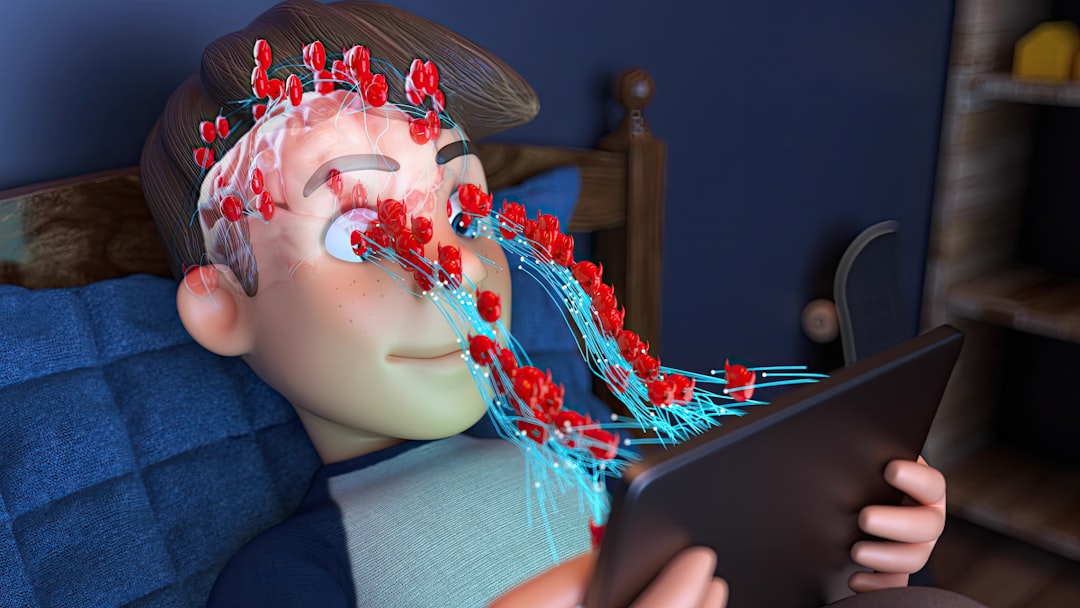
Brain-Computer Interfaces (BCIs) represent a groundbreaking intersection of neuroscience and technology, enabling direct communication between the human brain and external devices. This innovative field has garnered significant attention in recent years, driven by advancements in neuroimaging, signal processing, and machine learning. BCIs have the potential to revolutionise how individuals interact with technology, offering new avenues for communication, control, and rehabilitation.
By translating neural activity into actionable commands, BCIs can empower users to operate devices solely through thought, thereby opening up a myriad of possibilities for both medical and non-medical applications. The concept of BCIs is not merely a futuristic vision; it is a rapidly evolving reality that is beginning to reshape various aspects of human life. From assisting individuals with severe disabilities to enhancing cognitive functions in healthy individuals, the implications of this technology are profound.
As researchers continue to explore the intricacies of brain signals and their interpretation, the potential for BCIs to improve quality of life and expand human capabilities becomes increasingly tangible. This article will delve into the evolution of BCI technology, its applications, ethical considerations, future prospects, challenges, and its societal impact. Have you read the latest blog post on artificial intelligence?
Summary
- Brain-Computer Interfaces (BCIs) allow direct communication between the brain and external devices, opening up new possibilities for human-computer interaction.
- BCI technology has evolved from invasive methods to non-invasive techniques, making it more accessible and user-friendly.
- Potential applications of BCIs include assistive technologies for people with disabilities, neurofeedback for mental health, and enhancing human performance in various fields.
- Ethical and privacy considerations in BCIs revolve around issues of consent, data security, and potential misuse of brain data.
- The future of BCIs holds promise for advancements in healthcare, gaming, education, and communication, but also raises concerns about inequality and discrimination.
The Evolution of Brain-Computer Interface Technology
The journey of Brain-Computer Interface technology can be traced back several decades, with early research focusing on understanding the brain’s electrical activity. Initial experiments in the 1960s and 1970s laid the groundwork for what would eventually become sophisticated BCI systems. Pioneering studies demonstrated that it was possible to record brain signals using electrodes placed on the scalp or implanted within the brain.
These early efforts primarily aimed at understanding neurological disorders and brain function rather than developing practical applications. As technology advanced, so too did the capabilities of BCIs. The introduction of more refined signal processing techniques and machine learning algorithms in the late 20th and early 21st centuries significantly enhanced the accuracy and efficiency of brain signal interpretation.
Researchers began to develop systems that could translate specific patterns of neural activity into commands for external devices, such as computer cursors or robotic arms. This evolution marked a pivotal moment in BCI development, transitioning from theoretical exploration to practical implementation. Today, BCIs are being tested in various settings, from laboratories to clinical environments, showcasing their potential to transform lives.
Potential Applications of Brain-Computer Interfaces
The potential applications of Brain-Computer Interfaces are vast and varied, spanning numerous fields including healthcare, gaming, education, and beyond. In the medical domain, BCIs hold promise for individuals with motor impairments due to conditions such as stroke, spinal cord injury, or neurodegenerative diseases. By enabling these individuals to control assistive devices or communicate through thought alone, BCIs can significantly enhance their independence and quality of life.
For instance, individuals with locked-in syndrome can use BCIs to express their thoughts and feelings, bridging the gap between their cognitive abilities and physical limitations. Beyond healthcare, BCIs are also making strides in enhancing human-computer interaction in everyday life. In the gaming industry, developers are exploring ways to integrate BCI technology to create immersive experiences that respond to players’ mental states.
This could lead to games that adapt in real-time based on a player’s focus or emotional engagement. Furthermore, educational applications are emerging as well; BCIs could potentially be used to monitor students’ attention levels and tailor learning experiences accordingly. The versatility of BCIs suggests that their integration into various sectors could lead to innovative solutions that enhance both personal and professional experiences.
Ethical and Privacy Considerations in Brain-Computer Interfaces
| Consideration | Description |
|---|---|
| Informed Consent | Ensuring that participants fully understand the risks and benefits of using BCIs and provide their consent. |
| Privacy Protection | Implementing measures to safeguard the privacy of users’ neural data and prevent unauthorized access. |
| Neuroethics | Addressing the ethical implications of using BCIs, such as potential misuse of neural data and cognitive enhancement. |
| Transparency | Providing clear information about how neural data is collected, used, and stored by BCI systems. |
| Security | Protecting BCI systems from hacking and ensuring the integrity of neural data. |
As with any emerging technology, Brain-Computer Interfaces raise significant ethical and privacy concerns that warrant careful consideration. One of the primary issues revolves around consent and autonomy. Given that BCIs involve direct interaction with an individual’s neural activity, it is crucial to ensure that users fully understand the implications of using such technology.
Informed consent must be a cornerstone of BCI research and application, particularly when dealing with vulnerable populations such as those with disabilities or cognitive impairments. Privacy is another critical concern associated with BCIs. The data generated by brain activity can be highly sensitive, revealing not only a person’s thoughts but also their emotional states and intentions.
This raises questions about who has access to this data and how it may be used or misused. Safeguarding personal information becomes paramount as BCIs become more integrated into daily life. Establishing robust frameworks for data protection and ethical guidelines will be essential to ensure that individuals’ rights are respected while harnessing the benefits of this transformative technology.
The Future of Brain-Computer Interfaces
Looking ahead, the future of Brain-Computer Interfaces appears promising yet complex. As research continues to advance, we can expect significant improvements in the precision and usability of BCI systems. Innovations in materials science may lead to the development of more biocompatible electrodes that can be implanted with minimal risk and discomfort.
Additionally, advancements in artificial intelligence could enhance the ability of BCIs to interpret brain signals more accurately and intuitively. Moreover, as public awareness and acceptance of BCI technology grow, we may witness an increase in collaborative efforts between researchers, industry leaders, and policymakers. Such partnerships could facilitate the responsible development and deployment of BCIs across various sectors.
However, it is crucial that these advancements are accompanied by ongoing discussions about ethical implications and regulatory frameworks to ensure that the technology is used for the benefit of society as a whole.
Challenges and Limitations of Brain-Computer Interfaces
Despite the exciting potential of Brain-Computer Interfaces, several challenges and limitations remain that must be addressed for widespread adoption. One significant hurdle is the complexity of accurately interpreting brain signals. The human brain generates a vast array of electrical activity that can vary greatly between individuals and contexts.
Developing algorithms capable of reliably decoding these signals into meaningful commands is an ongoing area of research that requires further refinement. Additionally, there are practical challenges related to the implementation of BCI systems in real-world settings. Issues such as device portability, user comfort, and long-term stability of implanted electrodes pose significant obstacles.
Furthermore, ensuring that BCIs are accessible to diverse populations—including those with varying levels of technological literacy—will be essential for equitable integration into society. Addressing these challenges will require interdisciplinary collaboration among neuroscientists, engineers, ethicists, and policymakers.
The Role of Brain-Computer Interfaces in Healthcare
In healthcare, Brain-Computer Interfaces have the potential to transform patient care and rehabilitation practices significantly. For individuals recovering from strokes or traumatic brain injuries, BCIs can facilitate neuroplasticity—the brain’s ability to reorganise itself by forming new neural connections—by providing targeted feedback during rehabilitation exercises. This approach can enhance recovery outcomes by allowing patients to engage more actively in their rehabilitation process.
Moreover, BCIs can also play a crucial role in mental health treatment by providing insights into patients’ cognitive states. For instance, researchers are exploring how BCIs can be used to monitor brain activity patterns associated with conditions such as depression or anxiety. By understanding these patterns better, clinicians may develop more effective treatment strategies tailored to individual patients’ needs.
The integration of BCIs into healthcare not only holds promise for improving patient outcomes but also for advancing our understanding of complex neurological conditions.
The Impact of Brain-Computer Interfaces on Society
The societal impact of Brain-Computer Interfaces is likely to be profound as this technology continues to evolve and integrate into various aspects of daily life. On one hand, BCIs have the potential to empower individuals by providing new means of communication and control over their environments. This empowerment can lead to increased independence for those with disabilities and enhance overall quality of life.
Conversely, there are concerns about the implications of widespread BCI adoption on social dynamics and interpersonal relationships. As individuals gain new capabilities through direct brain-to-device communication, questions arise about equity and access—who will benefit from these advancements? Furthermore, there is a risk that reliance on BCI technology could alter traditional forms of communication and interaction within society.
As we navigate this uncharted territory, it will be essential for stakeholders across various sectors to engage in thoughtful dialogue about the implications of BCIs on human behaviour and societal norms. In conclusion, Brain-Computer Interfaces represent a remarkable convergence of neuroscience and technology with the potential to reshape our interactions with machines and each other profoundly. While challenges remain in terms of technical development and ethical considerations, the future holds promise for innovative applications across multiple domains.
As we continue to explore this frontier, it is imperative that we approach BCI technology with a balanced perspective—recognising both its transformative potential and the responsibilities it entails for individuals and society at large.
In a recent article on Xiaomi’s upcoming launch of the Xiaomi Mi Band 7, the focus on technological advancements is evident. This aligns with the discussion on the future of brain-computer interfaces, as both topics delve into the realm of innovation and progress in the tech industry. The article highlights the anticipation surrounding the new wearable device, showcasing how technology continues to evolve and shape our daily lives. It is fascinating to see how different aspects of technology, such as wearables and brain-computer interfaces, are interconnected and driving the future forward.
FAQs
What is a brain-computer interface (BCI)?
A brain-computer interface (BCI) is a technology that allows for direct communication between the brain and an external device, such as a computer or prosthetic limb, without the need for physical movement.
How does a brain-computer interface work?
BCIs work by detecting and interpreting brain signals, such as electrical activity or blood flow, and translating them into commands that can be used to control external devices.
What are the potential applications of brain-computer interfaces?
BCIs have the potential to be used in a wide range of applications, including assistive technologies for individuals with disabilities, neurorehabilitation, gaming, and even enhancing cognitive abilities.
What are the current challenges in developing brain-computer interfaces?
Challenges in developing BCIs include improving the accuracy and reliability of signal detection, miniaturizing and optimizing hardware for practical use, and addressing ethical and privacy concerns related to accessing and interpreting brain data.
What are the future prospects for brain-computer interfaces?
The future of BCIs holds promise for advancements in medical treatments, communication technologies, and human-computer interaction, with potential for enhancing quality of life for individuals with disabilities and opening up new possibilities for human augmentation.


 represent a groundbreaking intersection of neuroscience and technology, enabling direct communication between the..)