
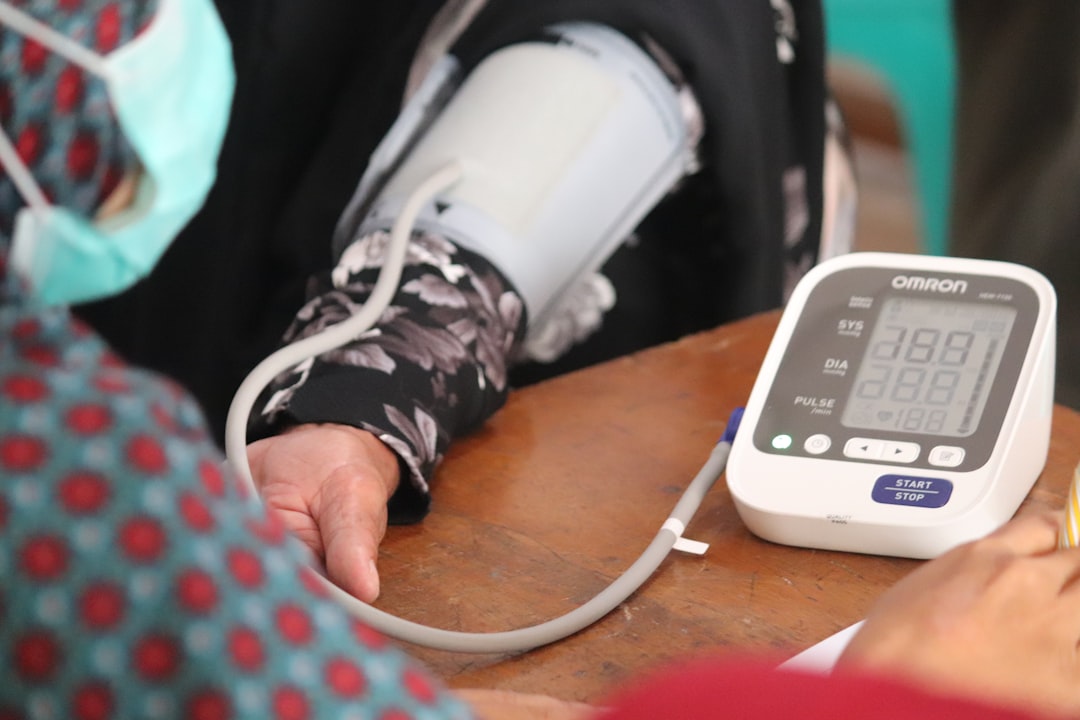
The intersection of technology and human lifespan has become an increasingly pertinent topic in contemporary society. As advancements in various fields continue to evolve at an unprecedented pace, they have begun to reshape our understanding of health, longevity, and the very nature of aging. The integration of technology into healthcare, lifestyle, and daily routines has not only enhanced the quality of life for many individuals but has also contributed to an increase in life expectancy across the globe.
This article aims to explore the multifaceted relationship between technology and human lifespan, examining both the positive impacts and the challenges that arise from this dynamic interplay. In recent decades, the world has witnessed remarkable progress in medical technology, digital health solutions, and innovations aimed at improving elderly care. These advancements have not only transformed how we approach health and wellness but have also raised important questions about the implications of technology on our lives.
As we delve into the various aspects of this relationship, it becomes evident that while technology holds great promise for enhancing longevity, it also presents a range of ethical, social, and health-related challenges that must be addressed to ensure a balanced approach to human lifespan enhancement. Have you read the latest blog post on artificial intelligence?
Summary
- Technology has become an integral part of human lifespan, impacting various aspects of healthcare and daily living.
- Medical technology has significantly contributed to the increase in life expectancy, allowing for better diagnosis, treatment, and management of diseases.
- Digital health plays a crucial role in prolonging human lifespan by enabling remote monitoring, telemedicine, and personalised healthcare solutions.
- Technological advancements have influenced the aging population by addressing age-related health issues and improving quality of life for the elderly.
- Innovations in elderly care and longevity, such as assistive devices and smart home technologies, are enhancing the well-being of older individuals.
Impact of Medical Technology on Life Expectancy
Medical technology has played a pivotal role in increasing life expectancy over the past century. Innovations such as advanced diagnostic tools, minimally invasive surgical techniques, and sophisticated treatment modalities have revolutionised healthcare delivery. For instance, the development of imaging technologies like MRI and CT scans has significantly improved early detection of diseases, allowing for timely interventions that can save lives.
Furthermore, breakthroughs in pharmaceuticals and biotechnology have led to the creation of life-saving medications that manage chronic conditions and improve overall health outcomes. The impact of medical technology extends beyond individual treatments; it encompasses public health initiatives that leverage data analytics and telemedicine to enhance healthcare accessibility. Vaccination programmes, for example, have been instrumental in eradicating or controlling infectious diseases that once posed significant threats to life expectancy.
The ability to monitor health remotely through wearable devices and mobile applications has also empowered individuals to take charge of their health, leading to better management of chronic diseases and a proactive approach to wellness.
The Role of Digital Health in Prolonging Human Lifespan

Digital health represents a transformative shift in how healthcare is delivered and experienced. The proliferation of health-related applications and wearable devices has enabled individuals to track their health metrics in real-time, fostering a culture of self-monitoring and accountability. This shift towards personalised health management has been shown to encourage healthier lifestyle choices, ultimately contributing to longer lifespans.
For instance, fitness trackers can motivate users to engage in regular physical activity, while dietary apps can assist in maintaining balanced nutrition. Moreover, digital health platforms facilitate greater access to healthcare services, particularly for those in remote or underserved areas. Telehealth services have gained prominence, allowing patients to consult with healthcare professionals without the need for physical visits.
This not only reduces barriers to care but also ensures that individuals receive timely medical advice and support. As digital health continues to evolve, its potential to enhance life expectancy through improved access to information and services becomes increasingly evident.
Influence of Technological Advancements on Aging Population
| Metrics | Data |
|---|---|
| Life Expectancy | Increased due to medical technology |
| Healthcare Costs | Rising due to advanced treatments and care |
| Quality of Life | Improved with assistive devices and smart home technology |
| Workforce Participation | Extended due to technological advancements |
| Social Isolation | Reduced with communication technology |
As the global population ages, technological advancements are playing a crucial role in addressing the unique challenges faced by older adults. Innovations in assistive technologies, such as smart home devices and mobility aids, have significantly improved the quality of life for seniors. These technologies enable older individuals to maintain their independence while ensuring their safety and well-being.
For example, smart sensors can detect falls or emergencies, alerting caregivers or emergency services when necessary. Furthermore, advancements in robotics and artificial intelligence are beginning to transform elderly care. Robotic companions can provide social interaction and support for seniors who may experience loneliness or isolation.
AI-driven systems can assist with medication management and health monitoring, ensuring that older adults adhere to their treatment plans. By harnessing these technologies, society can better support its aging population, ultimately contributing to longer and healthier lives.
Technological Innovations in Elderly Care and Longevity
The field of elderly care has witnessed a surge in technological innovations aimed at enhancing the lives of older adults. Telehealth services have become increasingly popular, allowing seniors to receive medical consultations from the comfort of their homes. This is particularly beneficial for those with mobility issues or chronic conditions that make travel difficult.
Additionally, remote monitoring technologies enable healthcare providers to track patients’ vital signs and health metrics in real-time, facilitating timely interventions when necessary. Moreover, advancements in artificial intelligence are paving the way for personalised care plans tailored to individual needs. AI algorithms can analyse vast amounts of data to identify patterns and predict health outcomes, enabling healthcare professionals to make informed decisions about treatment options.
These innovations not only improve the quality of care but also empower older adults to take an active role in managing their health, thereby promoting longevity.
Effects of Sedentary Lifestyle and Screen Time on Human Lifespan

The Rise of Sedentary Behaviour
The rise of digital devices has led to a significant shift in how individuals engage with their environment, often resulting in prolonged periods of inactivity. Sedentary behaviour is associated with various health risks, including obesity, cardiovascular disease, and diabetes—all of which can negatively impact life expectancy.
The Dark Side of Excessive Screen Time
Furthermore, excessive screen time can contribute to mental health issues such as anxiety and depression. The constant connectivity afforded by technology can lead to information overload and social isolation, counteracting some of the positive effects that digital health solutions aim to achieve.
Striking a Balance
It is essential for individuals to strike a balance between utilising technology for health benefits while remaining mindful of its potential drawbacks on physical activity and mental well-being.
Ethical and Social Implications of Technology on Human Lifespan
The integration of technology into healthcare raises important ethical and social considerations that must be addressed as we navigate its impact on human lifespan. Issues related to data privacy and security are paramount; as individuals increasingly share their health information through digital platforms, concerns about who has access to this data and how it is used become critical. Ensuring robust protections for personal health information is essential to maintain trust in digital health solutions.
Additionally, there is a risk that technological advancements may exacerbate existing inequalities in healthcare access. While some individuals benefit from cutting-edge technologies, others may lack the resources or knowledge to utilise these tools effectively. Addressing these disparities is crucial for ensuring that the benefits of technology are equitably distributed across all segments of society.
Future Prospects and Challenges in Harnessing Technology for Longevity
Looking ahead, the potential for technology to enhance human lifespan is vast; however, several challenges must be navigated to fully realise this potential. Continued investment in research and development is essential for driving innovation in medical technology and digital health solutions. As we explore new frontiers such as gene editing and regenerative medicine, ethical considerations will play a critical role in guiding these advancements.
Moreover, fostering public awareness about the importance of maintaining a balanced lifestyle amidst technological advancements will be vital for promoting longevity. Encouraging physical activity, social engagement, and mental well-being alongside the use of technology will help mitigate some of the negative effects associated with sedentary behaviour and excessive screen time. In conclusion, while technology holds great promise for enhancing human lifespan through improved healthcare delivery and lifestyle management, it is imperative that we approach its integration thoughtfully.
By addressing ethical concerns, promoting equitable access, and encouraging healthy behaviours alongside technological advancements, society can harness the full potential of technology to support longer and healthier lives for all individuals.
The impact of technology on human longevity is a fascinating topic that has been explored in depth in a recent article titled Protect Your Privacy with Simple Steps: How to Delete Your Personal Information from Google Search Results. This article delves into the ways in which technology can both enhance and potentially compromise our privacy and security online. It is crucial to understand the implications of our digital footprint in order to protect ourselves in the digital age.
FAQs
What is the impact of technology on human longevity?
Technology has had a significant impact on human longevity by improving healthcare, providing better access to medical information, and enabling the development of life-saving medical treatments and procedures.
How has technology improved healthcare?
Technology has improved healthcare by enabling the development of advanced medical equipment, such as MRI machines and robotic surgery systems, as well as the creation of electronic health records and telemedicine services, which have improved patient care and outcomes.
What role does access to medical information play in human longevity?
Access to medical information through the internet and digital health platforms has empowered individuals to take control of their health, make informed decisions, and seek timely medical intervention, ultimately contributing to increased longevity.
How has technology contributed to the development of life-saving medical treatments and procedures?
Advancements in technology have led to the development of life-saving medical treatments and procedures, such as organ transplants, gene therapy, and precision medicine, which have significantly extended the lifespan of individuals with previously incurable conditions.
What are some examples of technology impacting human longevity?
Examples of technology impacting human longevity include the development of vaccines, the use of artificial intelligence in disease diagnosis and treatment, and the creation of wearable health monitoring devices that enable early detection of health issues.


