
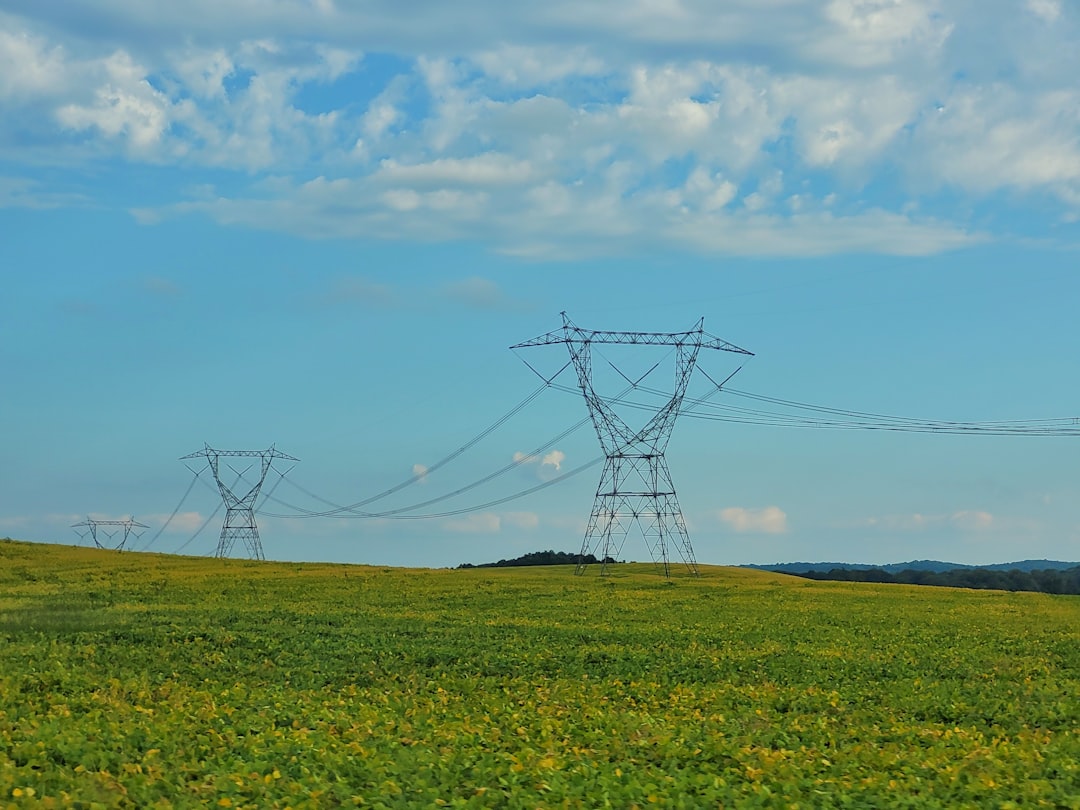
The concept of smart grids represents a significant evolution in the way electricity is generated, distributed, and consumed. Unlike traditional power grids, which rely on a one-way flow of electricity from producers to consumers, smart grids facilitate a two-way communication system that enhances the efficiency and reliability of energy management. This modern infrastructure integrates advanced technologies, such as digital communication, automation, and data analytics, to create a more responsive and resilient energy network.
As the global demand for electricity continues to rise, the transition to smart grids is becoming increasingly essential for ensuring sustainable energy practices. Smart grids not only improve the operational efficiency of energy systems but also empower consumers by providing them with real-time information about their energy usage. This transparency enables individuals and businesses to make informed decisions regarding their energy consumption, ultimately leading to reduced costs and lower carbon footprints.
Furthermore, smart grids play a crucial role in addressing the challenges posed by climate change and the need for a more sustainable energy future. By facilitating the integration of renewable energy sources and enhancing energy efficiency, smart grids are poised to transform the landscape of energy management in the 21st century. Have you read the latest blog post on artificial intelligence?
Summary
- Smart grids are modern electricity networks that use digital technology to monitor and manage the transport of electricity from all generation sources to meet the varying electricity demands of end-users.
- Advancements in smart grid technology include the use of advanced metering infrastructure, distribution automation, and demand response systems to improve the efficiency and reliability of electricity supply.
- The integration of renewable energy sources such as solar and wind power into smart grids is essential for reducing carbon emissions and achieving a more sustainable energy future.
- Smart grids play a crucial role in improving energy efficiency by enabling real-time monitoring and control of electricity consumption, as well as facilitating the integration of energy storage systems.
- Artificial intelligence is increasingly being used in smart grids to optimise energy distribution, predict demand patterns, and enhance grid resilience, reliability, and security.
Advancements in Smart Grid Technology
Advanced Metering Infrastructure (AMI)
One of the most notable developments is the implementation of advanced metering infrastructure (AMI), which allows for real-time monitoring and management of electricity consumption. Smart meters provide consumers with detailed insights into their energy usage patterns, enabling them to adjust their consumption habits accordingly.
Internet of Things (IoT) Integration
In addition to AMI, the integration of Internet of Things (IoT) devices has revolutionised the way utilities monitor and manage their infrastructure. IoT sensors can be deployed throughout the grid to collect data on various parameters, such as voltage levels, equipment health, and environmental conditions.
Enhanced Communication Technologies
This wealth of information allows for predictive maintenance, reducing downtime and improving overall system reliability. Moreover, advancements in communication technologies, such as 5G networks, are further enhancing the speed and efficiency of data transmission within smart grids, enabling quicker responses to potential issues and facilitating better decision-making processes.
Integration of Renewable Energy Sources

The integration of renewable energy sources into smart grids is a pivotal aspect of modern energy management. As the world shifts towards cleaner energy alternatives, smart grids provide the necessary framework for accommodating diverse energy sources such as solar, wind, and hydroelectric power. These renewable sources are often intermittent in nature, which poses challenges for traditional grid systems.
However, smart grids are designed to handle these fluctuations by employing advanced forecasting techniques and real-time data analytics. By incorporating renewable energy into the grid, smart grids not only reduce reliance on fossil fuels but also contribute to lower greenhouse gas emissions. The ability to manage distributed energy resources (DERs) effectively is crucial for maximising the potential of renewables.
Smart grids facilitate this by enabling consumers to generate their own electricity through solar panels or wind turbines and sell excess power back to the grid. This decentralised approach not only empowers consumers but also enhances grid resilience by diversifying energy sources and reducing vulnerability to supply disruptions.
Smart Grids and Energy Efficiency
| Metrics | Data |
|---|---|
| Electricity Consumption | 10,000 MWh |
| Renewable Energy Integration | 30% |
| Peak Demand Reduction | 15% |
| Grid Reliability | 99.9% |
Energy efficiency is a critical component of sustainable development, and smart grids play a vital role in promoting it. By leveraging advanced technologies, smart grids enable utilities and consumers to optimise their energy usage effectively. For instance, demand response programmes allow consumers to adjust their electricity consumption during peak periods in response to price signals or incentives from utilities.
This not only helps in balancing supply and demand but also reduces the need for additional power generation capacity. Moreover, smart grids facilitate the implementation of energy management systems that provide real-time insights into consumption patterns. These systems can identify inefficiencies and suggest actionable measures for improvement.
For example, businesses can monitor their energy usage across different departments and identify areas where energy waste occurs. By addressing these inefficiencies, organisations can significantly reduce their operational costs while contributing to broader sustainability goals.
The Role of Artificial Intelligence in Smart Grids
Artificial intelligence (AI) is increasingly becoming an integral part of smart grid technology, enhancing its capabilities in various ways. AI algorithms can analyse vast amounts of data generated by smart meters, IoT devices, and other sources to identify patterns and trends that may not be immediately apparent to human operators. This data-driven approach enables utilities to make more informed decisions regarding grid management, maintenance schedules, and resource allocation.
Furthermore, AI can enhance predictive analytics within smart grids by forecasting demand fluctuations and identifying potential outages before they occur. Machine learning models can be trained on historical data to improve their accuracy over time, allowing for more proactive management of grid resources. Additionally, AI-driven optimisation techniques can help balance supply and demand in real-time, ensuring that energy is distributed efficiently across the network while minimising waste.
Cybersecurity in Smart Grids
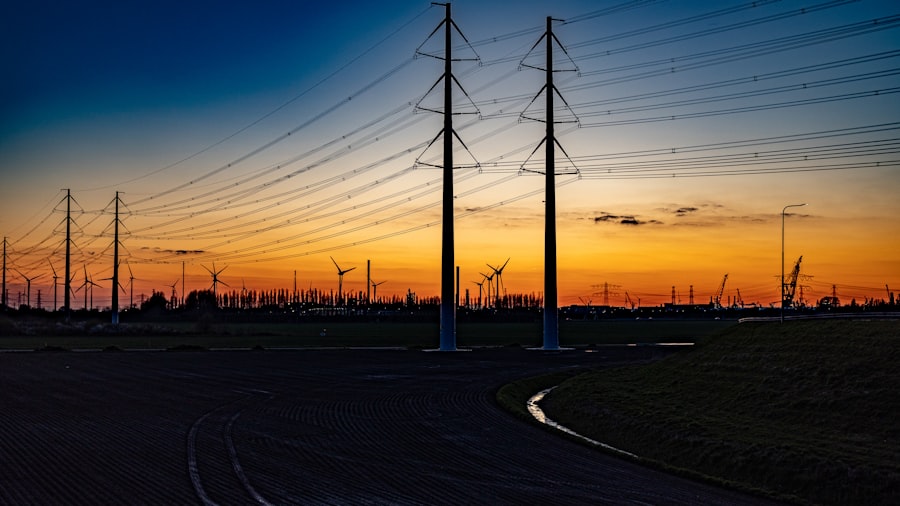
As smart grids become increasingly interconnected and reliant on digital technologies, cybersecurity has emerged as a critical concern. The integration of IoT devices and advanced communication systems exposes these networks to potential cyber threats that could disrupt operations or compromise sensitive data. Ensuring the security of smart grids is paramount for maintaining public trust and safeguarding critical infrastructure.
To address these challenges, utilities must implement robust cybersecurity measures that encompass both physical and digital security protocols. This includes regular vulnerability assessments, employee training on cybersecurity best practices, and the adoption of advanced encryption techniques to protect data transmission. Additionally, collaboration between government agencies, industry stakeholders, and cybersecurity experts is essential for developing comprehensive strategies that can effectively mitigate risks associated with cyberattacks on smart grids.
Smart Grids and Electric Vehicles
The rise of electric vehicles (EVs) presents both opportunities and challenges for smart grids. As more consumers transition to electric mobility, the demand for charging infrastructure will increase significantly. Smart grids are well-equipped to manage this demand by integrating EV charging stations into the existing network while optimising energy distribution based on real-time data.
Moreover, smart grids can facilitate vehicle-to-grid (V2G) technology, which allows EVs to not only draw power from the grid but also return excess energy back to it when needed. This bidirectional flow of electricity can help stabilise the grid during peak demand periods while providing EV owners with financial incentives for participating in such programmes. By leveraging the capabilities of smart grids, cities can create a more sustainable transportation ecosystem that supports both electric mobility and renewable energy integration.
The Future of Smart Grids: Challenges and Opportunities
Looking ahead, the future of smart grids is filled with both challenges and opportunities that will shape the energy landscape for years to come. One significant challenge lies in the need for substantial investment in infrastructure upgrades and technology deployment. Many existing power systems require modernisation to accommodate smart grid functionalities effectively.
Governments and private sector stakeholders must collaborate to secure funding and develop policies that encourage innovation in this space. On the other hand, the opportunities presented by smart grids are vast. As technology continues to advance, there is potential for even greater integration of renewable energy sources, enhanced energy efficiency measures, and improved consumer engagement through innovative applications.
The ongoing development of AI and machine learning will further optimise grid operations while addressing emerging challenges such as climate change and urbanisation. In conclusion, smart grids represent a transformative shift in how we manage electricity systems globally. By embracing advancements in technology and fostering collaboration among stakeholders, we can harness the full potential of smart grids to create a more sustainable, efficient, and resilient energy future.
In a recent article on Wi-Fi on the Moon, scientists at NASA have unveiled their innovative approach to providing internet access on the lunar surface. This groundbreaking technology could revolutionise communication capabilities in space and pave the way for future lunar missions. The development of such advanced networking solutions could have significant implications for the future of smart grids, enabling seamless connectivity and data transfer between various components of the grid system. As we continue to push the boundaries of technology, it is clear that the possibilities for enhancing the efficiency and reliability of smart grids are endless.
FAQs
What is a smart grid?
A smart grid is an electricity network that uses digital technology to monitor and manage the flow of electricity more efficiently. It allows for two-way communication between the utility and its customers, enabling better control and optimization of the grid.
What are the benefits of smart grids?
Smart grids offer several benefits, including improved reliability and resilience, better integration of renewable energy sources, reduced energy consumption, and lower operational costs for utilities.
How do smart grids integrate renewable energy sources?
Smart grids can integrate renewable energy sources, such as solar and wind power, by using advanced monitoring and control systems to manage the variability and unpredictability of these sources. This allows for a more stable and efficient integration of renewable energy into the grid.
What role does digital technology play in smart grids?
Digital technology enables smart grids to collect and analyze data in real time, allowing for better monitoring, control, and decision-making. It also facilitates the integration of advanced communication and automation systems within the grid.
How will smart grids impact consumers?
Smart grids will empower consumers to have more control over their energy usage, with features such as real-time energy consumption data, time-of-use pricing, and demand response programs. This can lead to cost savings and a more sustainable energy consumption behaviour.
What are the challenges facing the future of smart grids?
Challenges facing the future of smart grids include cybersecurity risks, the need for significant infrastructure investment, regulatory barriers, and the integration of new technologies and standards.


