

The advent of technology has fundamentally transformed human behaviour, shaping the way individuals interact, communicate, and perceive the world around them. From the invention of the printing press to the rise of smartphones, each technological advancement has left an indelible mark on society. As we navigate through the complexities of modern life, it becomes increasingly important to understand how these changes influence our daily interactions and overall mental well-being.
The relationship between technology and human behaviour is multifaceted, encompassing both positive and negative aspects that warrant careful examination. In this exploration, we will trace the evolution of technology from its early beginnings to its current state, highlighting key milestones that have significantly altered human behaviour. By analysing historical contexts and contemporary trends, we can gain insights into how technology continues to shape our lives and what implications this holds for future generations.
As we delve into this topic, it is essential to consider not only the technological advancements themselves but also the societal shifts that accompany them, ultimately leading to a deeper understanding of our tech-driven world. Have you read the latest blog post on artificial intelligence?
Summary
- Tech has had a significant impact on human behaviour, shaping the way we interact, communicate, and live our lives.
- The early years of tech saw the rise of industrialization and the introduction of telecommunication, changing the way people worked and connected with each other.
- The late 20th century brought personal computing and the internet, revolutionizing how information was accessed and shared on a global scale.
- The 21st century saw the mobile revolution, with smartphones becoming an essential part of daily life and changing how people consume media and communicate.
- Social media has had a profound influence on human behaviour, shaping how we form relationships, consume information, and present ourselves to the world.
The Early Years: 19th Century to Mid-20th Century
The 19th century marked a pivotal period in the development of technology, characterised by rapid industrialisation and significant advancements in communication. The invention of the telegraph in the 1830s revolutionised long-distance communication, allowing messages to be transmitted almost instantaneously. This innovation not only transformed business practices but also altered social interactions, as people could now connect with one another across vast distances.
The impact of such technology was profound, fostering a sense of global interconnectedness that had previously been unattainable. As we moved into the mid-20th century, further advancements in technology continued to shape human behaviour. The introduction of the radio and later television brought about new forms of entertainment and information dissemination.
These mediums not only influenced public opinion but also changed the way individuals engaged with one another. Families began to gather around the television set, creating shared experiences that transcended geographical boundaries. However, this shift also led to a decline in face-to-face interactions, as people became more absorbed in their screens than in their immediate surroundings.
The early years of technological advancement thus laid the groundwork for a complex relationship between technology and human behaviour, one that would continue to evolve in the decades to come.
The Rise of Personal Computing and the Internet: Late 20th Century

The late 20th century heralded a new era with the rise of personal computing and the internet, fundamentally altering how individuals accessed information and communicated with one another. The introduction of personal computers in the 1980s made technology more accessible to the general public, enabling people to perform tasks that were once reserved for large institutions. This democratization of technology fostered creativity and innovation, allowing individuals to express themselves in ways that were previously unimaginable.
The internet’s emergence in the 1990s further accelerated this transformation, connecting millions of people across the globe. With access to vast amounts of information at their fingertips, individuals began to engage with content in unprecedented ways. Online forums and email communication facilitated new forms of social interaction, enabling people to form communities based on shared interests rather than geographical proximity.
However, this shift also raised concerns about the quality of interpersonal relationships, as online interactions often lacked the depth and nuance of face-to-face communication. The late 20th century thus marked a significant turning point in human behaviour, as technology began to redefine not only how we communicate but also how we relate to one another.
The Mobile Revolution: 21st Century
| Year | Mobile Subscriptions (in billions) | Mobile Internet Users (in billions) | Mobile Data Traffic (in exabytes per month) |
|---|---|---|---|
| 2010 | 5.3 | 0.8 | 0.6 |
| 2015 | 7.3 | 2.5 | 3.7 |
| 2020 | 8.8 | 4.2 | 30.6 |
The 21st century has witnessed a mobile revolution that has further transformed human behaviour in profound ways. The proliferation of smartphones has made technology an integral part of daily life, allowing individuals to stay connected at all times. This constant connectivity has reshaped social norms and expectations, as people increasingly rely on their devices for communication, information, and entertainment.
The convenience of mobile technology has undoubtedly enhanced productivity and accessibility; however, it has also led to a blurring of boundaries between work and personal life. Moreover, the mobile revolution has given rise to new forms of social interaction that are heavily mediated by technology. Instant messaging apps and social networking platforms have become primary means of communication for many individuals, often replacing traditional face-to-face interactions.
While these platforms offer opportunities for connection and community-building, they can also contribute to feelings of isolation and disconnection from one’s immediate environment. As we navigate this mobile-centric world, it is crucial to consider both the benefits and drawbacks of such pervasive technology on human behaviour.
Social Media and its Influence on Human Behaviour
Social media has emerged as one of the most significant technological developments of the 21st century, profoundly influencing human behaviour across various dimensions. Platforms such as Facebook, Twitter, Instagram, and TikTok have transformed how individuals share their lives and connect with others. These platforms enable users to curate their identities and present themselves in ways that may not reflect their true selves, leading to a phenomenon known as “social media personas.” This curated reality can impact self-esteem and body image, particularly among younger users who may compare themselves unfavourably to others.
Additionally, social media has reshaped how information is disseminated and consumed. The rapid spread of news through social media channels has altered public discourse and influenced political engagement. While these platforms can empower individuals by providing a voice and fostering activism, they can also contribute to misinformation and polarisation within society.
The influence of social media on human behaviour is thus complex; it offers both opportunities for connection and challenges related to mental health and societal cohesion.
Tech Addiction and Mental Health
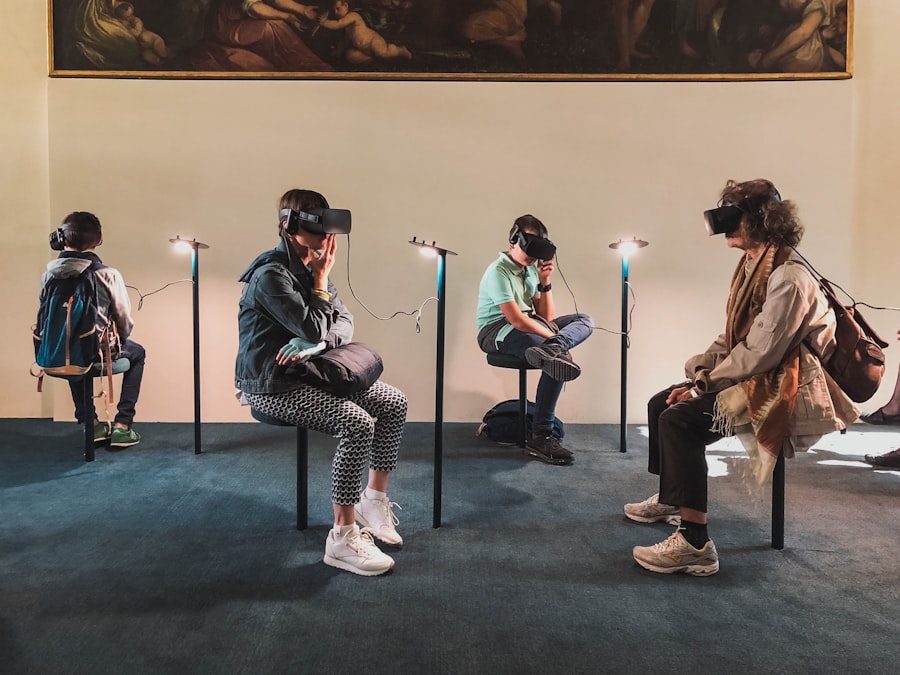
The Impact on Mental Health
Research indicates that excessive screen time can disrupt sleep patterns and contribute to feelings of loneliness, particularly among adolescents who may struggle with balancing online interactions with real-life relationships.
The Role of Digital Platforms
Moreover, the design of many digital platforms often encourages addictive behaviours through features such as notifications and infinite scrolling. These mechanisms can create a cycle of dependency where users feel compelled to check their devices frequently, leading to decreased attention spans and diminished productivity.
A Multifaceted Solution
Addressing tech addiction requires a multifaceted approach that includes promoting digital literacy, encouraging healthy usage habits, and fostering environments that prioritise face-to-face interactions over screen time.
The Future of Tech’s Impact on Human Behaviour
Looking ahead, the future of technology’s impact on human behaviour is likely to be shaped by ongoing advancements in artificial intelligence (AI), virtual reality (VR), and other emerging technologies. AI has the potential to personalise user experiences in ways that could enhance learning and productivity; however, it also raises ethical concerns regarding privacy and data security. As AI systems become more integrated into daily life, individuals may need to navigate complex relationships with machines that can influence decision-making processes.
Virtual reality presents another frontier for human interaction, offering immersive experiences that could redefine social engagement. While VR has potential applications in education and therapy, it also poses questions about escapism and its effects on real-world relationships. As we embrace these technological innovations, it is essential to remain vigilant about their implications for human behaviour and mental health.
Adapting to a Tech-Driven World
In conclusion, the impact of technology on human behaviour is profound and multifaceted, encompassing both positive advancements and significant challenges. As we have explored throughout this article, each era of technological development has shaped our interactions and perceptions in unique ways. From the early days of industrialisation to the current mobile revolution, technology continues to redefine what it means to be human in an increasingly interconnected world.
As we move forward into an ever-evolving tech landscape, it is crucial for individuals and society as a whole to adapt thoughtfully. Embracing digital literacy, fostering healthy relationships with technology, and prioritising mental well-being will be essential in navigating this tech-driven world. By understanding the complexities of our relationship with technology, we can harness its potential while mitigating its risks, ultimately leading to a more balanced approach to living in an age defined by rapid technological change.
In a recent article on how to use Ace Editor with Livewire, the discussion of technology’s impact on human behaviour is further explored. The evolution of human behaviour in response to technological advancements is a fascinating topic that continues to be studied and analysed. As highlighted in the article, the integration of tools like Ace Editor with Livewire showcases how technology can shape the way we interact with information and data. This evolution in behaviour is a testament to the ever-changing landscape of technology and its influence on our daily lives.
FAQs
What is the relationship between technology and the evolution of human behavior?
Technology has played a significant role in shaping human behavior throughout history. The development and adoption of new technologies have influenced how humans communicate, interact, and solve problems, leading to changes in social structures and cultural practices.
How has technology impacted human communication and social interaction?
The advent of technologies such as the internet, social media, and mobile devices has transformed the way humans communicate and interact with one another. These technologies have facilitated instant communication, expanded social networks, and created new forms of virtual interaction.
What role has technology played in shaping cultural practices and traditions?
Technology has influenced cultural practices and traditions by providing new tools for artistic expression, preserving cultural heritage, and facilitating the exchange of ideas and customs across different societies. Additionally, the widespread availability of digital media has led to the globalization of popular culture.
How has technology influenced problem-solving and decision-making processes in humans?
The development of technologies such as artificial intelligence, data analytics, and automation has revolutionized problem-solving and decision-making processes in various fields. These technologies have enabled humans to process and analyze large amounts of data, leading to more informed and efficient decision-making.
What are some potential future implications of technology on human behavior?
As technology continues to advance, it is likely to further impact human behavior in areas such as work, education, healthcare, and leisure. The integration of emerging technologies like virtual reality, augmented reality, and biotechnology may lead to new ways of experiencing the world and interacting with others.


