
Precision farming, often referred to as precision agriculture, has emerged as a transformative approach within the agricultural sector. This methodology leverages advanced technologies to enhance crop yields, optimise resource use, and improve overall farm management. The rise of precision farming can be attributed to several factors, including the increasing global population, the demand for higher food production, and the necessity for sustainable agricultural practices.
As farmers face the dual challenge of feeding more people while conserving natural resources, precision farming offers a viable solution that aligns with these pressing needs. The concept of precision farming is not entirely new; however, its adoption has accelerated significantly in recent years. The integration of technologies such as GPS, remote sensing, and data analytics has revolutionised traditional farming practices.
Farmers are now able to monitor and manage their fields with unprecedented accuracy, allowing for tailored interventions that can lead to improved productivity. This shift towards data-driven decision-making marks a significant evolution in agriculture, moving away from one-size-fits-all approaches to more customised strategies that consider the unique characteristics of each field. Have you read the latest blog post on artificial intelligence?
Summary
- Precision farming has seen a significant rise due to advancements in technology and data analytics.
- Technology has revolutionised agriculture, making precision farming a game changer in the industry.
- Precision farming offers benefits such as increased efficiency, reduced environmental impact, and improved crop yields.
- Challenges and limitations of precision farming include high initial investment, data management, and the need for skilled personnel.
- Data and analytics play a crucial role in precision farming, providing insights for better decision-making and resource management.
Technology in Agriculture: A Game Changer
Enhanced Crop Monitoring
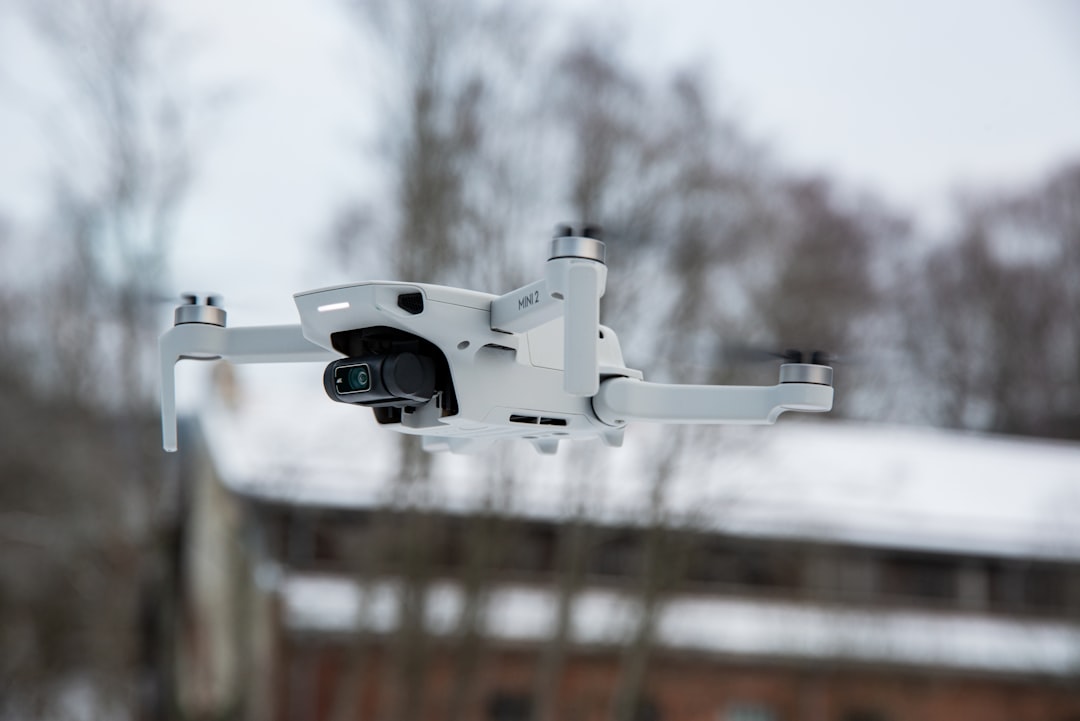
Drones, for instance, provide aerial views of crops, enabling farmers to assess plant health and identify issues such as pest infestations or nutrient deficiencies from above. This aerial perspective allows for timely interventions that can prevent crop loss and enhance yield potential.
Data-Driven Decision Making
Moreover, the integration of IoT devices into farming practices has facilitated real-time monitoring of various parameters such as soil moisture levels, temperature, and humidity. These devices collect vast amounts of data that can be analysed to inform irrigation schedules and fertilisation plans.
Towards a More Sustainable Future
By harnessing this technology, farmers can make informed decisions that not only improve efficiency but also reduce waste and environmental impact. The convergence of these technologies signifies a paradigm shift in agriculture, where data and automation play pivotal roles in driving productivity and sustainability.
The Benefits of Precision Farming

The benefits of precision farming are manifold and extend beyond mere increases in crop yields. One of the most significant advantages is the efficient use of resources. By applying inputs such as water, fertilisers, and pesticides only where needed, farmers can minimise waste and reduce costs.
This targeted approach not only enhances profitability but also contributes to environmental conservation by decreasing the runoff of chemicals into surrounding ecosystems. Additionally, precision farming promotes better crop management practices. With access to detailed data about soil conditions and crop health, farmers can implement more effective strategies tailored to their specific circumstances.
This level of insight allows for proactive measures rather than reactive ones, ultimately leading to healthier crops and improved resilience against pests and diseases. Furthermore, the ability to monitor fields continuously enables farmers to adapt quickly to changing conditions, ensuring that they remain competitive in an ever-evolving market.
Challenges and Limitations of Precision Farming
| Challenges and Limitations of Precision Farming |
|---|
| Lack of technical knowledge among farmers |
| High initial investment in technology |
| Complexity of data interpretation |
| Reliance on stable internet connectivity |
| Environmental factors affecting sensor accuracy |
Despite its numerous advantages, precision farming is not without challenges and limitations. One significant barrier to widespread adoption is the initial cost associated with implementing advanced technologies. For many smallholder farmers, the investment required for equipment such as drones or soil sensors may be prohibitive.
This financial hurdle can create disparities in access to precision farming techniques, potentially widening the gap between large agribusinesses and smaller farms. Moreover, the reliance on technology raises concerns about data privacy and security. As farmers increasingly depend on digital platforms for managing their operations, the risk of data breaches becomes a pressing issue.
Ensuring that sensitive information remains secure while still allowing for effective data sharing is a challenge that must be addressed as precision farming continues to evolve. Additionally, there is a need for ongoing education and training for farmers to effectively utilise these technologies, which can be a barrier in regions with limited access to resources or support.
The Role of Data and Analytics in Precision Farming
Data and analytics are at the heart of precision farming, driving its effectiveness and efficiency. The collection of data from various sources—such as soil sensors, weather stations, and satellite imagery—provides farmers with a comprehensive understanding of their fields. This wealth of information enables them to make informed decisions regarding planting schedules, irrigation practices, and nutrient management.
Advanced analytics tools further enhance this process by transforming raw data into actionable insights. For instance, predictive analytics can forecast crop yields based on historical data and current conditions, allowing farmers to plan accordingly. Additionally, machine learning algorithms can identify patterns in data that may not be immediately apparent to human analysts.
By harnessing these analytical capabilities, farmers can optimise their operations and respond proactively to potential challenges.
Sustainability and Precision Farming
Sustainability is a critical consideration in modern agriculture, and precision farming plays a vital role in promoting environmentally friendly practices. By optimising resource use—such as water and fertilisers—precision farming reduces the environmental footprint of agricultural activities. This approach not only conserves natural resources but also mitigates the impact of farming on ecosystems.
Furthermore, precision farming supports biodiversity by enabling farmers to implement practices that protect beneficial organisms within their fields. For example, targeted pest management strategies can reduce reliance on chemical pesticides while preserving natural predators that contribute to pest control. This holistic approach fosters a healthier ecosystem and promotes long-term sustainability in agricultural practices.
The Future of Precision Farming: Innovations and Trends
The future of precision farming is poised for continued innovation as technology advances at an unprecedented pace. Emerging trends include the integration of artificial intelligence (AI) and machine learning into agricultural practices. These technologies have the potential to revolutionise decision-making processes by providing predictive insights based on vast datasets.
Additionally, advancements in biotechnology are likely to play a significant role in precision farming’s evolution. Genetically modified crops designed for specific environmental conditions or pest resistance can complement precision techniques by enhancing overall productivity. As these innovations continue to develop, they will further empower farmers to meet the challenges posed by climate change and resource scarcity.
Implementing Precision Farming: Tips for Farmers
For farmers looking to implement precision farming techniques, several key considerations can facilitate a successful transition. First and foremost, it is essential to assess the specific needs and characteristics of their operations. Understanding the unique challenges faced by their farms will help identify which technologies will provide the most significant benefits.
Investing in training and education is also crucial for maximising the potential of precision farming tools. Farmers should seek out resources that offer guidance on using technology effectively and interpreting data accurately. Collaborating with agricultural extension services or local universities can provide valuable support in this regard.
Finally, building a network with other farmers who have adopted precision farming practices can foster knowledge sharing and collaboration. By exchanging experiences and insights, farmers can learn from one another’s successes and challenges, ultimately enhancing their own operations. In conclusion, precision farming represents a significant advancement in agricultural practices that harnesses technology to improve efficiency, sustainability, and productivity.
While challenges remain in its widespread adoption, the benefits it offers are undeniable. As the agricultural landscape continues to evolve, embracing precision farming will be essential for meeting global food demands while safeguarding our environment for future generations.
Precision farming is revolutionising the agricultural industry, with technology playing a crucial role in increasing efficiency and productivity. One related article that highlights the importance of technology in agriculture is Apple may release a new MacBook Air today at WWDC 2022. This article discusses how Apple’s latest technology could potentially enhance the capabilities of farmers and further improve precision farming techniques. With the continuous advancements in technology, the future of agriculture looks promising as farmers continue to embrace innovative solutions to meet the growing demands of the industry.
FAQs
What is precision farming?
Precision farming, also known as precision agriculture, is a farming management concept that uses technology to optimize crop yields and reduce input costs. It involves the use of GPS, sensors, drones, and other advanced equipment to monitor and manage crop production in a more precise and efficient manner.
What are the benefits of precision farming?
Precision farming offers several benefits, including improved crop yields, reduced use of water, fertilizers, and pesticides, lower production costs, and better environmental sustainability. It also allows farmers to make data-driven decisions and optimize their farming practices.
What technologies are used in precision farming?
Technologies used in precision farming include GPS guidance systems, drones, sensors, automated machinery, variable rate technology (VRT), and geographic information systems (GIS). These technologies enable farmers to monitor and manage their crops, soil, and inputs with greater precision.
How does precision farming contribute to sustainability?
Precision farming contributes to sustainability by reducing the environmental impact of agriculture. It allows farmers to use resources more efficiently, minimize waste, and adopt practices that are more environmentally friendly. This can help to conserve water, reduce greenhouse gas emissions, and protect biodiversity.
What are some examples of precision farming applications?
Examples of precision farming applications include yield mapping, soil sampling and analysis, variable rate fertilization, automated irrigation systems, crop scouting with drones, and predictive analytics for pest and disease management. These applications help farmers to optimize their production and make informed decisions.
What is the future of technology in agriculture beyond precision farming?
The future of technology in agriculture is likely to involve further advancements in automation, robotics, artificial intelligence, and data analytics. These technologies could revolutionize farming practices, leading to more sustainable and efficient food production. Additionally, there may be increased focus on digital connectivity and smart farming systems.


