
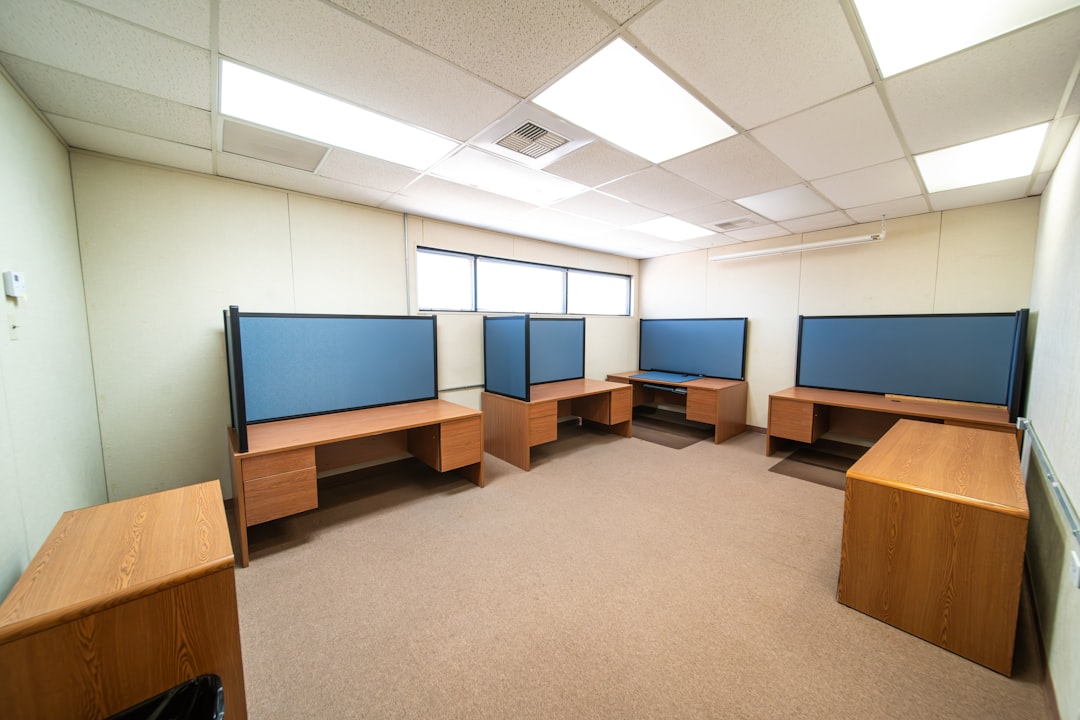
The concept of remote work has gained significant traction over the past few years, particularly accelerated by the global pandemic that began in 2020. Prior to this shift, working from home was often viewed as a privilege reserved for a select few, typically those in higher management or specific tech roles. However, as organisations were compelled to adapt to lockdown measures and social distancing protocols, remote work transitioned from an exception to the norm for millions of employees worldwide.
This sudden and widespread adoption has fundamentally altered perceptions of productivity, collaboration, and the traditional office environment. As businesses navigated the challenges of remote work, many discovered that employees could maintain, and in some cases even enhance, their productivity outside the confines of a physical office. This realisation has prompted a reevaluation of workplace policies and practices.
Companies have begun to recognise the potential benefits of remote work, including reduced overhead costs, access to a broader talent pool, and increased employee satisfaction. The shift has also sparked discussions about the future of work, with many organisations now considering long-term remote or flexible work arrangements as a viable option moving forward. Have you read the latest blog post on artificial intelligence?
Summary
- Remote work has seen a significant rise, with more people working from home than ever before.
- The hybrid work model is gaining popularity as companies seek to balance office and remote work for their employees.
- Technology is shaping the future of work, with advancements in communication and collaboration tools changing the way we work.
- Flexibility and work-life balance are becoming increasingly important in the modern workplace, with employees seeking a better integration of their personal and professional lives.
- Company culture plays a crucial role in remote and hybrid work environments, influencing employee satisfaction and productivity.
The Hybrid Work Model: Balancing Office and Remote Work
In response to the evolving landscape of work, the hybrid model has emerged as a popular solution that seeks to combine the best aspects of both remote and in-office environments. This model allows employees to split their time between working from home and attending the office, providing a level of flexibility that caters to individual preferences and needs. The hybrid approach not only accommodates diverse working styles but also fosters a sense of autonomy among employees, which can lead to increased job satisfaction and engagement.
Implementing a hybrid work model requires careful planning and consideration from organisations. It is essential to establish clear guidelines regarding when employees are expected to be in the office versus when they can work remotely. Additionally, companies must invest in technology and infrastructure that facilitate seamless communication and collaboration between remote and in-office teams.
By doing so, organisations can create an inclusive environment that promotes teamwork while allowing employees the freedom to choose their preferred working conditions.
The Impact of Technology on the Future of Work

Technology has played a pivotal role in shaping the future of work, particularly in the context of remote and hybrid arrangements. The rapid advancement of digital tools and platforms has enabled organisations to maintain productivity and connectivity despite physical distances. Video conferencing software, project management applications, and cloud-based collaboration tools have become essential components of daily operations, allowing teams to communicate effectively and share resources in real time.
Moreover, emerging technologies such as artificial intelligence (AI) and automation are poised to further transform the workplace. These innovations can streamline processes, enhance decision-making, and free up employees from repetitive tasks, allowing them to focus on more strategic initiatives. As organisations continue to embrace these technological advancements, it is crucial for employees to develop new skills that align with the evolving demands of the workforce.
Continuous learning and adaptability will be key factors in ensuring long-term success in an increasingly technology-driven environment.
Flexibility and Work-Life Balance in the Modern Workplace
| Metrics | Flexibility and Work-Life Balance |
|---|---|
| Employee Satisfaction | High levels of flexibility and work-life balance lead to increased employee satisfaction. |
| Productivity | Flexible work arrangements can lead to higher productivity as employees can work during their most productive hours. |
| Retention Rates | Companies with flexible work policies tend to have higher retention rates as employees feel valued and supported. |
| Health and Well-being | Work-life balance contributes to improved physical and mental health among employees. |
| Cost Savings | Flexible work arrangements can lead to cost savings for both employees and employers, such as reduced commuting expenses and office space. |
One of the most significant advantages of remote and hybrid work models is the flexibility they offer employees in managing their work-life balance. The ability to tailor working hours and environments can lead to improved mental health and overall well-being. Employees can better accommodate personal commitments, such as childcare or health-related needs, without sacrificing their professional responsibilities.
This newfound flexibility has been linked to higher levels of job satisfaction and retention rates within organisations. However, it is essential for both employers and employees to establish boundaries to prevent work from encroaching on personal time. The blurring of lines between work and home life can lead to burnout if not managed effectively.
Companies should encourage open communication about workload expectations and promote a culture that values downtime and self-care. By prioritising work-life balance, organisations can foster a healthier workplace that ultimately benefits both employees and the organisation as a whole.
The Role of Company Culture in Remote and Hybrid Work Environments
Company culture plays a crucial role in shaping employee experiences within remote and hybrid work settings. A strong organisational culture can help bridge the gap between remote teams and foster a sense of belonging among employees who may feel isolated when working from home. Leaders must actively cultivate a culture that emphasises trust, collaboration, and inclusivity, ensuring that all employees feel valued regardless of their physical location.
To reinforce company culture in a remote or hybrid environment, organisations can implement regular team-building activities, virtual social events, and opportunities for professional development. Encouraging informal interactions among team members can also help strengthen relationships and promote camaraderie. By prioritising company culture, organisations can create an environment where employees feel connected and engaged, ultimately leading to improved performance and morale.
Addressing Challenges and Opportunities in Remote and Hybrid Work

While remote and hybrid work models present numerous advantages, they also come with their own set of challenges that organisations must address proactively. One significant concern is the potential for communication breakdowns among team members who are not physically present in the same space. Misunderstandings can arise more easily when relying solely on digital communication channels, making it essential for organisations to establish clear communication protocols.
Additionally, maintaining team cohesion can be difficult when employees are dispersed across various locations. To combat this challenge, organisations should invest in tools that facilitate collaboration and encourage regular check-ins among team members. By fostering an environment where open dialogue is encouraged, companies can mitigate feelings of isolation and ensure that all employees remain aligned with organisational goals.
Conversely, these challenges also present opportunities for innovation and growth. Organisations that successfully navigate the complexities of remote and hybrid work can position themselves as leaders in their industries. By embracing flexibility and adaptability, companies can attract top talent who value these modern working arrangements.
Furthermore, organisations that prioritise employee well-being and engagement are likely to see increased productivity and loyalty from their workforce.
The Evolution of Leadership and Management in Remote and Hybrid Work Settings
The shift towards remote and hybrid work has necessitated a transformation in leadership styles and management practices. Traditional approaches that relied heavily on micromanagement are becoming less effective in environments where employees are not physically present. Instead, leaders must adopt a more empowering approach that focuses on trust, autonomy, and results-oriented performance.
Effective leaders in remote settings prioritise clear communication and set explicit expectations for their teams. They must also be adept at leveraging technology to facilitate collaboration while remaining accessible to their employees for support and guidance. Additionally, leaders should actively seek feedback from their teams to understand their needs better and adapt their management strategies accordingly.
By fostering an environment of transparency and open dialogue, leaders can build strong relationships with their teams that transcend physical boundaries.
Predictions for the Future of Work: What to Expect in the Coming Years
As we look ahead to the future of work, several trends are likely to shape the landscape in the coming years. The hybrid work model is expected to become increasingly mainstream as organisations recognise its benefits for both employees and business outcomes. Companies may adopt more flexible policies that allow for greater autonomy in choosing where and how individuals work.
Furthermore, advancements in technology will continue to influence how we approach work. The integration of AI into various industries will likely lead to new job roles focused on managing these technologies while also necessitating upskilling for existing employees. As remote work becomes more entrenched in organisational cultures, there will be an increased emphasis on mental health support and employee well-being initiatives.
In conclusion, the evolution towards remote and hybrid work models presents both challenges and opportunities for organisations worldwide. By embracing flexibility, fostering strong company cultures, adapting leadership styles, and leveraging technology effectively, businesses can position themselves for success in this new era of work. As we move forward, it will be essential for organisations to remain agile and responsive to the changing needs of their workforce while prioritising employee engagement and satisfaction.
In a recent article by Meta Investigates, the exploitation of Facebook resources over several years has been brought to light. This investigation sheds light on the unethical practices that have been taking place within the social media giant, raising concerns about data privacy and user security. The findings of this report are particularly relevant in the context of discussions around the future of work, as remote and hybrid work models rely heavily on digital platforms like Facebook for communication and collaboration. To read more about this investigation, visit Meta Investigates.
FAQs
What is the future of work?
The future of work refers to the changes and trends in how work is conducted, including shifts towards remote work, hybrid work models, and the use of technology to facilitate work processes.
What is remote work?
Remote work, also known as telecommuting, refers to working from a location outside of the traditional office environment, often from home or another remote location. This can be facilitated through the use of technology such as video conferencing and cloud-based collaboration tools.
What is a hybrid work model?
A hybrid work model combines elements of remote work and in-person work, allowing employees to split their time between working from home and working in a physical office space.
What are the benefits of remote work?
Remote work can offer benefits such as increased flexibility, reduced commuting time, and the ability to create a more comfortable and personalised work environment.
What are the challenges of remote work?
Challenges of remote work can include feelings of isolation, difficulties with communication and collaboration, and the need for strong self-discipline and time management skills.
How is technology shaping the future of work?
Technology is shaping the future of work by enabling remote collaboration, automating repetitive tasks, and providing tools for flexible and efficient work processes.
What are some potential future trends in the way we work?
Potential future trends in the way we work include the continued growth of remote and hybrid work models, the increasing use of artificial intelligence and automation, and a focus on employee well-being and work-life balance.


