
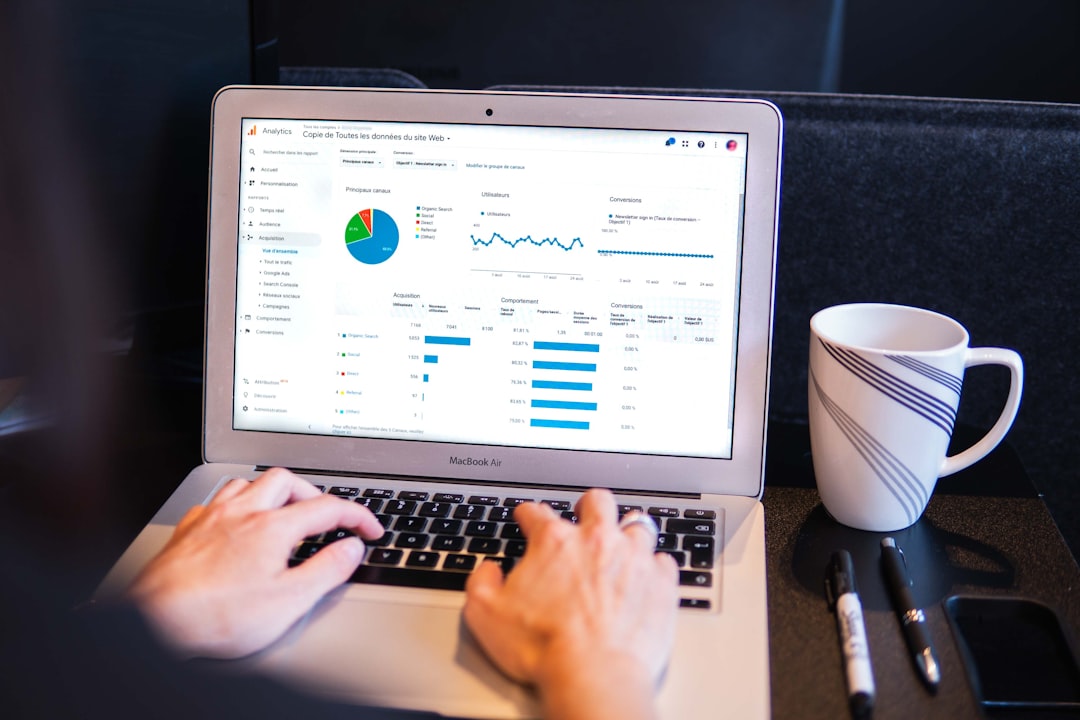
Artificial Intelligence (AI) and predictive analytics are two of the most transformative technologies shaping the modern landscape of data analysis and decision-making. AI refers to the simulation of human intelligence processes by machines, particularly computer systems, which can perform tasks such as learning, reasoning, and problem-solving. Predictive analytics, on the other hand, involves the use of statistical algorithms and machine learning techniques to identify the likelihood of future outcomes based on historical data.
Together, these technologies enable organisations to make informed decisions by forecasting trends, behaviours, and events with a degree of accuracy that was previously unattainable. The convergence of AI and predictive analytics has revolutionised how businesses operate across various sectors. By harnessing vast amounts of data, organisations can uncover insights that drive strategic initiatives, optimise operations, and enhance customer experiences.
This synergy not only improves efficiency but also empowers companies to anticipate market changes and respond proactively. As we delve deeper into the advancements and implications of AI in predictive analytics, it becomes evident that this integration is not merely a trend but a fundamental shift in how data is leveraged for decision-making. Artificial intelligence is revolutionizing the way we interact with technology.
Summary
- AI and predictive analytics have revolutionized the way businesses make decisions by using data and algorithms to forecast future outcomes.
- Advancements in AI have enabled predictive analytics to become more accurate and efficient, allowing businesses to make better-informed decisions.
- Despite its benefits, AI in predictive analytics faces challenges such as data quality, interpretability, and scalability, which can limit its effectiveness.
- Ethical considerations and bias in AI-powered predictive analytics are important factors to consider, as they can impact the fairness and reliability of the predictions.
- AI and predictive analytics have been integrated into various industries, including healthcare, finance, and marketing, to improve decision-making and drive innovation.
Advancements in Predictive Analytics with AI
The advancements in predictive analytics driven by AI are profound and multifaceted. One significant development is the enhancement of machine learning algorithms, which have become increasingly sophisticated in their ability to process large datasets. Traditional predictive models often relied on linear assumptions and limited variables; however, AI-powered models can analyse complex, non-linear relationships within data.
This capability allows for more accurate predictions and a deeper understanding of underlying patterns that may not be immediately apparent. Moreover, the advent of deep learning—a subset of machine learning—has further propelled the capabilities of predictive analytics. Deep learning algorithms can automatically extract features from raw data without the need for manual feature engineering, making them particularly effective in handling unstructured data such as images, text, and audio.
This has opened new avenues for predictive analytics in fields like healthcare, where patient records can be analysed to predict disease outbreaks or treatment outcomes. The ability to process diverse data types enhances the richness of insights derived from predictive models, ultimately leading to more informed decision-making.
Challenges and Limitations of AI in Predictive Analytics
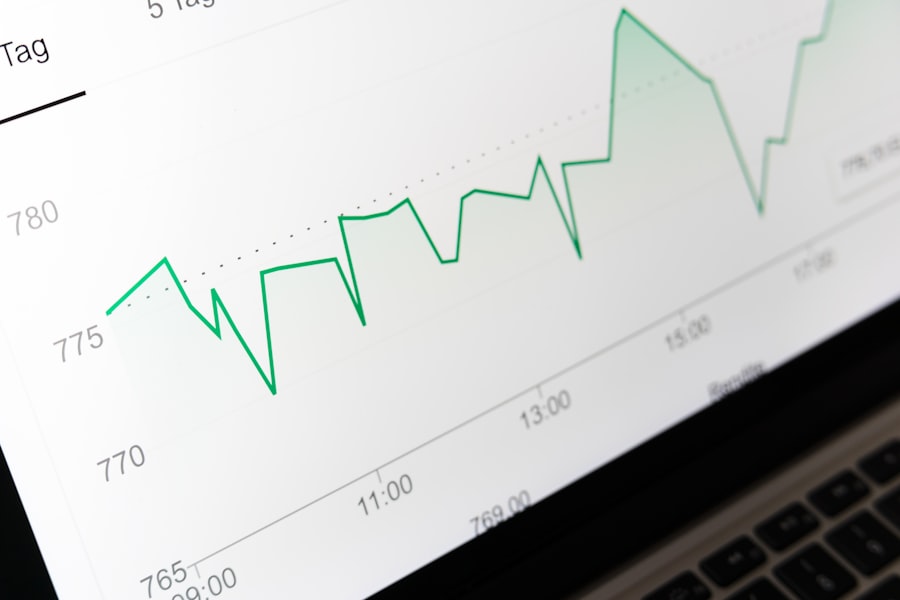
Despite the remarkable advancements in AI-driven predictive analytics, several challenges and limitations persist. One primary concern is the quality and availability of data. Predictive models are only as good as the data they are trained on; thus, poor-quality or biased data can lead to inaccurate predictions.
In many cases, organisations struggle with data silos, where information is fragmented across different departments or systems, hindering comprehensive analysis. Additionally, the sheer volume of data can overwhelm traditional processing capabilities, necessitating robust infrastructure and resources to manage and analyse it effectively. Another significant challenge lies in the interpretability of AI models.
While complex algorithms may yield high accuracy rates, they often operate as “black boxes,” making it difficult for users to understand how decisions are made. This lack of transparency can lead to mistrust among stakeholders and complicate regulatory compliance efforts. Furthermore, as predictive analytics becomes more integrated into critical decision-making processes, ensuring that these models are reliable and explainable is paramount to fostering confidence in their outcomes.
Ethical Considerations and Bias in AI-Powered Predictive Analytics
| Ethical Considerations and Bias in AI-Powered Predictive Analytics |
|---|
| 1. Data Privacy |
| 2. Fairness and Accountability |
| 3. Transparency and Explainability |
| 4. Bias Detection and Mitigation |
| 5. Impact on Society and Individuals |
The integration of AI in predictive analytics raises important ethical considerations, particularly concerning bias and fairness. AI systems are trained on historical data that may reflect societal biases or inequalities. If these biases are not addressed, they can perpetuate discrimination in decision-making processes.
For instance, predictive models used in hiring practices or loan approvals may inadvertently favour certain demographic groups over others, leading to unfair outcomes. It is crucial for organisations to implement strategies that mitigate bias in their models to ensure equitable treatment for all individuals. Moreover, ethical considerations extend beyond bias; they also encompass issues related to privacy and consent.
As predictive analytics often relies on personal data to generate insights, organisations must navigate the delicate balance between leveraging data for business advantage and respecting individuals’ rights to privacy. Establishing clear guidelines for data usage and ensuring transparency about how personal information is collected and utilised is essential for maintaining public trust in AI-powered systems.
Integration of AI and Predictive Analytics in Different Industries
The integration of AI and predictive analytics has permeated various industries, each reaping unique benefits tailored to their specific needs. In healthcare, for example, predictive analytics powered by AI is transforming patient care by enabling early diagnosis and personalised treatment plans. By analysing patient histories alongside vast datasets from clinical studies, healthcare providers can predict disease progression and recommend preventative measures tailored to individual patients.
In the financial sector, AI-driven predictive analytics is enhancing risk management and fraud detection. Financial institutions utilise these technologies to analyse transaction patterns in real-time, identifying anomalies that may indicate fraudulent activity. Additionally, predictive models help assess credit risk by evaluating a borrower’s likelihood of default based on historical behaviour and economic indicators.
This proactive approach not only safeguards assets but also improves customer satisfaction by streamlining approval processes.
Future Trends and Opportunities in AI-Powered Predictive Analytics

Looking ahead, several trends are poised to shape the future of AI-powered predictive analytics. One notable trend is the increasing adoption of automated machine learning (AutoML) tools that simplify the model-building process for non-experts. These tools enable users to create predictive models without extensive programming knowledge, democratizing access to advanced analytics capabilities across organisations.
As a result, businesses can harness insights more readily, fostering a culture of data-driven decision-making. Another emerging opportunity lies in the integration of real-time analytics with predictive capabilities. As organisations seek to respond swiftly to changing market conditions or customer behaviours, the ability to analyse data as it is generated will become increasingly vital.
This shift towards real-time predictive analytics will empower businesses to make immediate adjustments based on current trends rather than relying solely on historical data. Consequently, organisations that embrace this trend will likely gain a competitive edge in their respective markets.
The Role of Data Privacy and Security in AI-Powered Predictive Analytics
As AI-powered predictive analytics continues to evolve, the importance of data privacy and security cannot be overstated. With increasing scrutiny from regulators and heightened public awareness regarding data protection, organisations must prioritise robust security measures to safeguard sensitive information. Implementing encryption protocols, access controls, and regular audits are essential steps in ensuring that data remains secure throughout its lifecycle.
Furthermore, compliance with regulations such as the General Data Protection Regulation (GDPR) is critical for organisations operating within jurisdictions that mandate strict data protection standards. Adhering to these regulations not only mitigates legal risks but also enhances consumer trust by demonstrating a commitment to ethical data practices. As businesses increasingly rely on AI-driven insights for strategic decisions, maintaining a strong focus on data privacy will be paramount for sustainable growth.
The Potential Impact of AI on the Future of Predictive Analytics
In conclusion, the integration of AI into predictive analytics holds immense potential for transforming how organisations leverage data for decision-making. The advancements in machine learning algorithms have significantly enhanced the accuracy and depth of insights derived from predictive models. However, challenges such as data quality, interpretability, and ethical considerations must be addressed to fully realise this potential.
As industries continue to adopt AI-powered predictive analytics, opportunities for innovation will abound. The future landscape will likely be characterised by greater accessibility to advanced analytical tools and a shift towards real-time insights that empower organisations to respond dynamically to emerging trends. Ultimately, by prioritising ethical practices and robust data security measures, businesses can harness the power of AI while fostering trust among stakeholders.
The journey towards fully integrating AI into predictive analytics is ongoing; however, its impact on future decision-making processes is poised to be profound. As organisations navigate this evolving landscape, those that embrace these technologies responsibly will undoubtedly lead the way in shaping a more informed and efficient future.
In a recent article on Nvidia GeForce RTX 40 Series release rumours, the impact of artificial intelligence on predictive analytics was further explored. The article delves into how advancements in AI technology, particularly in the realm of graphics processing units, are revolutionising the way predictive analytics is conducted. With the potential for faster processing speeds and more accurate predictions, the integration of AI into predictive analytics tools is set to transform the way businesses make decisions based on data.
FAQs
What is AI?
AI stands for artificial intelligence, which refers to the simulation of human intelligence in machines that are programmed to think and learn like humans.
What is Predictive Analytics?
Predictive analytics is the use of data, statistical algorithms, and machine learning techniques to identify the likelihood of future outcomes based on historical data.
How does AI contribute to Predictive Analytics?
AI contributes to predictive analytics by using advanced algorithms and machine learning techniques to analyze large datasets and identify patterns, trends, and relationships that can be used to make predictions about future events or outcomes.
What are the benefits of using AI in Predictive Analytics?
The benefits of using AI in predictive analytics include improved accuracy in predictions, faster and more efficient analysis of large datasets, and the ability to identify complex patterns and relationships that may not be apparent to human analysts.
What are some common applications of AI in Predictive Analytics?
Common applications of AI in predictive analytics include forecasting sales and demand, predicting customer behaviour, identifying potential risks and opportunities in financial markets, and optimizing supply chain and inventory management.
What are some potential challenges or limitations of using AI in Predictive Analytics?
Some potential challenges or limitations of using AI in predictive analytics include the need for high-quality and relevant data, the potential for bias in the algorithms, and the requirement for skilled data scientists and analysts to interpret the results and make informed decisions based on the predictions.


 and predictive analytics are two of the most transformative technologies shaping the modern landscape of data analysis..)