
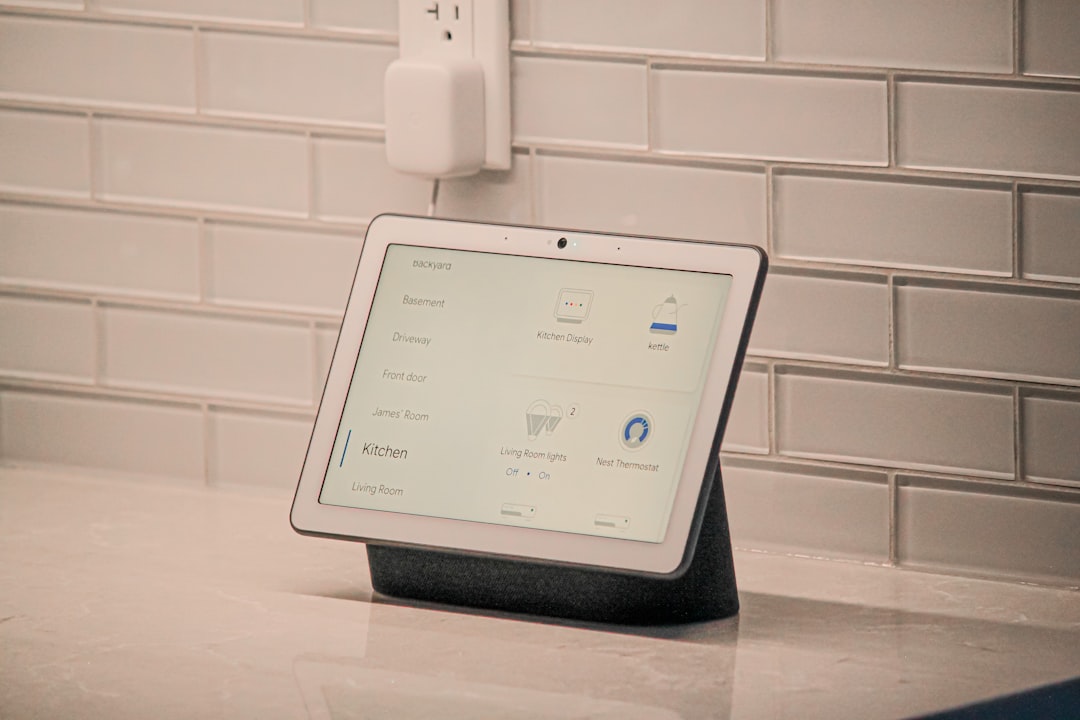
The integration of artificial intelligence (AI) into smart homes has witnessed a remarkable surge in recent years. As technology continues to advance, the concept of a smart home has evolved from a futuristic dream to a tangible reality. This transformation is largely driven by the increasing availability of AI-powered devices that enhance the functionality and convenience of home environments.
From smart thermostats that learn user preferences to intelligent lighting systems that adjust based on occupancy, AI is redefining how we interact with our living spaces. The rise of AI in smart homes can be attributed to several factors, including the proliferation of the Internet of Things (IoT) and the growing demand for energy efficiency and convenience. Homeowners are increasingly seeking solutions that not only simplify their daily routines but also contribute to sustainability efforts.
As a result, manufacturers are investing heavily in developing AI technologies that can seamlessly integrate with various home systems, creating an ecosystem that is both responsive and intuitive. This shift towards smarter living is not merely a trend; it represents a fundamental change in how we perceive and utilise our homes. Have you read the latest blog post on artificial intelligence?
Summary
- AI is becoming increasingly prevalent in smart homes, allowing for greater automation and control over various devices and systems.
- AI is revolutionizing home automation by enabling devices to learn and adapt to user preferences, ultimately making homes more efficient and convenient.
- The benefits of AI in smart homes include energy savings, improved security, and enhanced convenience through voice control and predictive maintenance.
- Voice assistants play a crucial role in smart homes, allowing users to control various devices and access information through natural language commands.
- Security and privacy concerns with AI in smart homes are a significant issue, as the technology collects and processes sensitive personal data, requiring robust safeguards and regulations.
- The future of AI in smart homes is likely to involve even more seamless integration with IoT devices, enabling a more interconnected and intelligent home environment.
- Integrating AI with IoT devices in smart homes can make homes smarter by enabling devices to communicate and work together to provide a more cohesive and efficient living experience.
How AI is Revolutionizing Home Automation
Personalised Comfort and Energy Efficiency
For instance, smart heating systems can learn when occupants are typically at home and adjust temperatures accordingly, ensuring comfort while optimising energy consumption.
Enhanced Interoperability and Automation
Moreover, AI enhances the interoperability of various devices within a smart home ecosystem. Through advanced data analytics, AI can facilitate communication between disparate devices, enabling them to work together harmoniously. This interconnectedness allows for complex automation scenarios, such as setting the lights to dim when a movie starts or adjusting the thermostat based on the time of day and occupancy levels.
A New Era of Convenience and Efficiency
As a result, homeowners can enjoy a level of convenience and efficiency that was previously unattainable, making daily life more enjoyable and less burdensome.
The Benefits of AI in Smart Homes
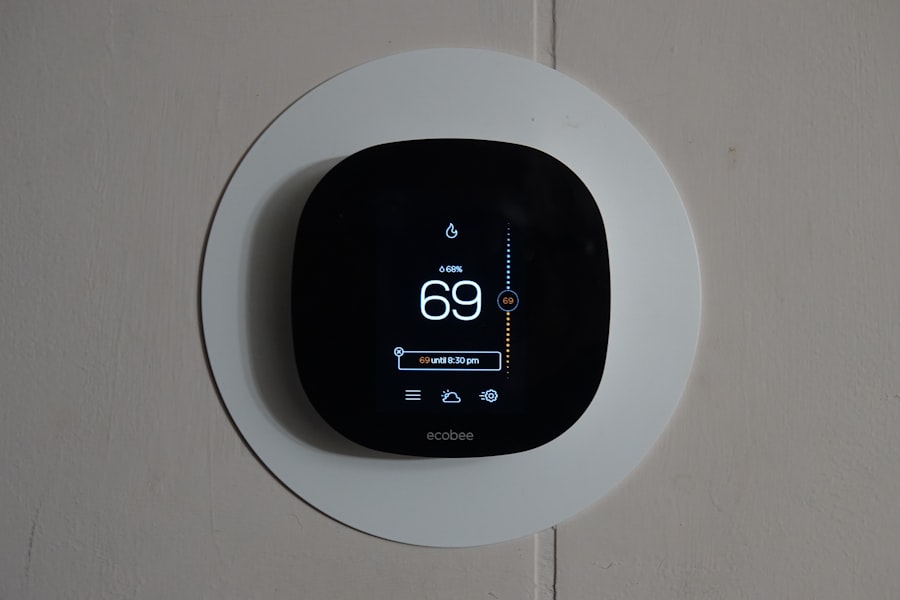
The benefits of incorporating AI into smart homes are manifold, extending beyond mere convenience to encompass energy efficiency, enhanced security, and improved quality of life. One of the most significant advantages is the potential for energy savings. AI systems can analyse usage patterns and make real-time adjustments to energy-consuming devices, such as heating, cooling, and lighting systems.
This not only reduces utility bills but also contributes to environmental sustainability by minimising energy waste. In addition to energy efficiency, AI enhances security measures within smart homes. Advanced surveillance systems equipped with AI capabilities can detect unusual activity and send alerts to homeowners in real-time.
Facial recognition technology can identify familiar faces and differentiate them from potential intruders, providing an added layer of protection. Furthermore, AI can integrate with alarm systems to automate responses during security breaches, such as locking doors or notifying authorities. These features collectively foster a sense of safety and peace of mind for residents.
The Role of Voice Assistants in Smart Homes
| Metrics | Data |
|---|---|
| Number of households with voice assistants | 45% |
| Percentage of smart home device control via voice | 60% |
| Customer satisfaction with voice assistant integration | 85% |
| Energy savings due to voice-controlled smart devices | 10-15% |
Voice assistants have emerged as pivotal components in the realm of smart homes, serving as the primary interface through which users interact with their devices. Powered by sophisticated AI algorithms, these assistants—such as Amazon’s Alexa, Google Assistant, and Apple’s Siri—enable hands-free control over various home functions. Users can issue voice commands to adjust lighting, control appliances, or even manage security systems without needing to physically interact with devices or interfaces.
The convenience offered by voice assistants extends beyond simple commands; they also facilitate complex interactions and routines. For example, users can create custom routines that trigger multiple actions with a single command, such as “Goodnight,” which could turn off lights, lock doors, and adjust the thermostat simultaneously. This level of integration not only enhances user experience but also encourages greater adoption of smart home technologies among individuals who may be less tech-savvy.
As voice recognition technology continues to improve, the role of voice assistants in smart homes is likely to expand further, making home automation even more accessible.
Security and Privacy Concerns with AI in Smart Homes
Despite the numerous advantages associated with AI in smart homes, there are significant security and privacy concerns that warrant careful consideration. The interconnected nature of smart devices creates potential vulnerabilities that could be exploited by malicious actors. For instance, if one device within a network is compromised, it could potentially grant access to other connected devices, leading to broader security breaches.
This risk underscores the importance of robust cybersecurity measures in protecting smart home ecosystems. Privacy concerns also arise from the data collection practices inherent in many AI-driven smart home devices. These devices often gather extensive information about user habits and preferences to function effectively.
While this data collection is essential for personalisation, it raises questions about how this information is stored, used, and shared. Homeowners must be vigilant about understanding the privacy policies associated with their devices and take proactive steps to safeguard their personal information. Ensuring that devices are regularly updated with the latest security patches and employing strong passwords are critical measures in mitigating these risks.
The Future of AI in Smart Homes
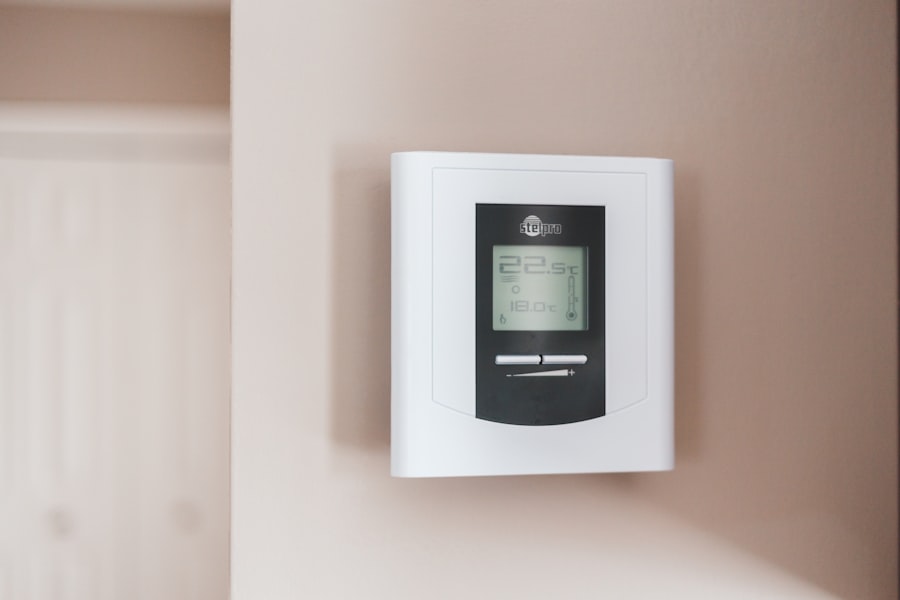
Looking ahead, the future of AI in smart homes appears promising, with ongoing advancements poised to further enhance functionality and user experience. As machine learning algorithms become more sophisticated, we can expect even greater levels of personalisation and automation within home environments. Future AI systems may be able to predict user needs with remarkable accuracy, anticipating actions before they are even requested.
For example, an AI system could learn an individual’s daily routine so well that it automatically adjusts lighting and temperature based on time of day without any input from the user. Additionally, the integration of AI with emerging technologies such as augmented reality (AR) and virtual reality (VR) could transform how we interact with our homes. Imagine being able to visualise changes in your living space through AR before making physical alterations or using VR to simulate different home environments for optimal comfort.
These innovations could redefine our relationship with our living spaces, making them not only smarter but also more adaptable to our evolving lifestyles.
Integrating AI with IoT Devices in Smart Homes
The seamless integration of AI with IoT devices is crucial for realising the full potential of smart homes. IoT devices serve as the backbone of smart home ecosystems, collecting data from various sensors and enabling communication between devices. When combined with AI capabilities, these devices can analyse data in real-time and make informed decisions that enhance overall functionality.
For instance, a smart refrigerator equipped with AI could monitor food inventory levels and suggest recipes based on available ingredients while also alerting users when items are nearing expiration. Moreover, integrating AI with IoT devices allows for enhanced predictive maintenance capabilities. Smart appliances can monitor their own performance and alert homeowners when maintenance is required or when they are operating inefficiently.
This proactive approach not only extends the lifespan of appliances but also ensures that they operate at optimal efficiency, further contributing to energy savings. As more IoT devices enter the market and become commonplace in households, the synergy between AI and IoT will play a pivotal role in shaping the future landscape of smart homes.
Making Your Home Smarter with AI Technology
For homeowners looking to embrace the benefits of AI technology in their living spaces, there are several practical steps that can be taken to create a smarter home environment. First and foremost, investing in a central hub or platform that supports various smart devices is essential for ensuring compatibility and ease of use. Many platforms offer integration capabilities across different brands and device types, allowing homeowners to create a cohesive ecosystem tailored to their needs.
Additionally, selecting devices that feature advanced AI capabilities can significantly enhance the overall smart home experience. For example, choosing smart thermostats that learn user preferences or security cameras equipped with facial recognition technology can provide added convenience and peace of mind. Homeowners should also consider implementing automation routines that align with their daily schedules—such as setting lights to turn on at sunset or programming appliances to operate during off-peak energy hours—to maximise efficiency.
In conclusion, the rise of AI in smart homes represents a transformative shift in how we interact with our living environments. As technology continues to evolve, embracing these advancements will not only enhance convenience but also contribute to energy efficiency and security. By understanding both the benefits and challenges associated with AI integration, homeowners can make informed decisions that lead to smarter living spaces tailored to their unique lifestyles.
In a recent article on TikTok facing a lawsuit after the deaths of girls in the Mantle Challenge, concerns have been raised about the potential dangers of social media challenges. This is particularly relevant in the context of AI in smart homes, as the integration of technology into our living spaces raises questions about privacy, safety, and the impact on our daily lives. As we automate more and more aspects of our homes, it is important to consider the potential risks and ensure that appropriate safeguards are in place.
FAQs
What is AI in smart homes?
AI in smart homes refers to the use of artificial intelligence technology to automate and control various aspects of a home, such as lighting, heating, security, and entertainment systems.
How does AI in smart homes work?
AI in smart homes works by using sensors, cameras, and other devices to collect data about the home environment. This data is then processed by AI algorithms to make decisions and take actions, such as adjusting the thermostat or turning off lights.
What are the benefits of AI in smart homes?
Some benefits of AI in smart homes include increased energy efficiency, improved security, convenience, and the ability to customize and personalize the home environment to suit the needs and preferences of the occupants.
What are some examples of AI in smart homes?
Examples of AI in smart homes include smart thermostats that learn and adapt to the occupants’ heating and cooling preferences, smart lighting systems that adjust based on occupancy and natural light levels, and AI-powered security cameras that can detect and alert homeowners to potential threats.
Are there any privacy concerns with AI in smart homes?
Yes, there are privacy concerns with AI in smart homes, as the technology involves collecting and processing data about the occupants and their activities within the home. It is important for homeowners to be aware of these concerns and take steps to protect their privacy, such as using secure and encrypted devices and being mindful of the data collected by AI systems.


 into smart homes has witnessed a remarkable surge in recent years. As technology continues to..)