
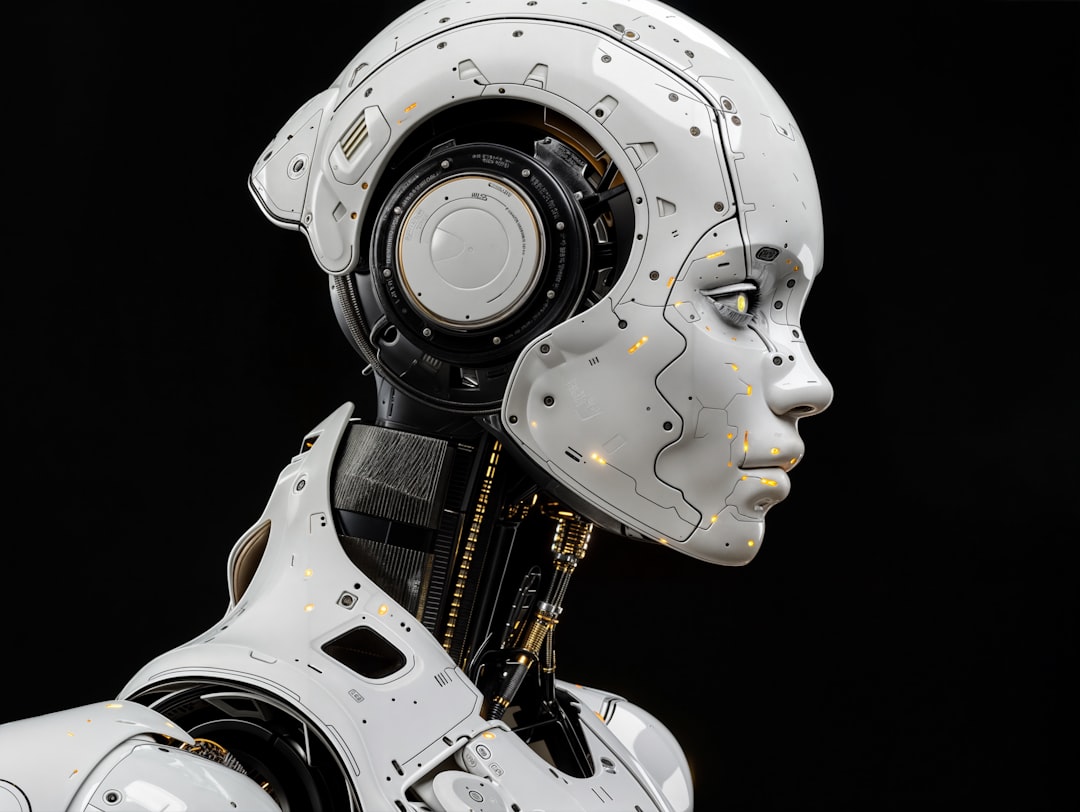
Artificial Intelligence (AI) has emerged as a transformative force in various sectors, and its integration into robotics is particularly noteworthy. The convergence of AI and robotics has led to the development of machines that can perform tasks with a level of autonomy and intelligence previously thought to be the realm of science fiction. This synergy not only enhances the capabilities of robots but also expands their applications across diverse fields, from manufacturing to healthcare.
As robots become increasingly sophisticated, the role of AI in enabling them to learn, adapt, and make decisions is becoming more pronounced. The significance of AI in robotics lies in its ability to process vast amounts of data and derive insights that inform decision-making. This capability allows robots to operate in dynamic environments, respond to unforeseen challenges, and improve their performance over time through machine learning.
As we delve deeper into the evolution and applications of AI in robotics, it becomes evident that this technology is not merely an enhancement but a fundamental component that shapes the future of robotic systems. Have you read the latest blog post on artificial intelligence?
Summary
- AI in robotics refers to the use of artificial intelligence to control and automate robotic systems, enabling them to perform tasks with greater efficiency and autonomy.
- The evolution of AI in robotics has seen advancements in machine learning, computer vision, and natural language processing, leading to more sophisticated and capable robots.
- AI plays a crucial role in the development of autonomous vehicles, enabling them to perceive and navigate their environment, make decisions, and adapt to changing conditions.
- In healthcare robotics, AI is used for tasks such as surgical assistance, patient monitoring, and drug discovery, improving the accuracy and efficiency of medical procedures.
- Personal assistance robots utilise AI to understand and respond to human commands, perform household tasks, and provide companionship and support to individuals.
The Evolution of AI in Robotics
The journey of AI in robotics can be traced back to the mid-20th century when early pioneers began exploring the potential of machines to mimic human behaviour. Initial efforts were rudimentary, focusing on basic programming and rule-based systems that lacked the flexibility and adaptability seen in modern robots. However, as computational power increased and algorithms became more sophisticated, the landscape of robotics began to change dramatically.
The introduction of machine learning techniques in the late 20th century marked a significant turning point, enabling robots to learn from experience rather than relying solely on pre-programmed instructions. In recent years, advancements in deep learning and neural networks have further propelled the evolution of AI in robotics. These technologies allow robots to process complex data inputs, such as visual and auditory information, enabling them to navigate their environments with greater precision.
The integration of AI has led to the development of robots capable of performing intricate tasks, such as assembling products in manufacturing plants or assisting in surgical procedures. This evolution reflects a broader trend towards creating machines that not only execute tasks but also understand and adapt to their surroundings.
The Role of AI in Autonomous Vehicles
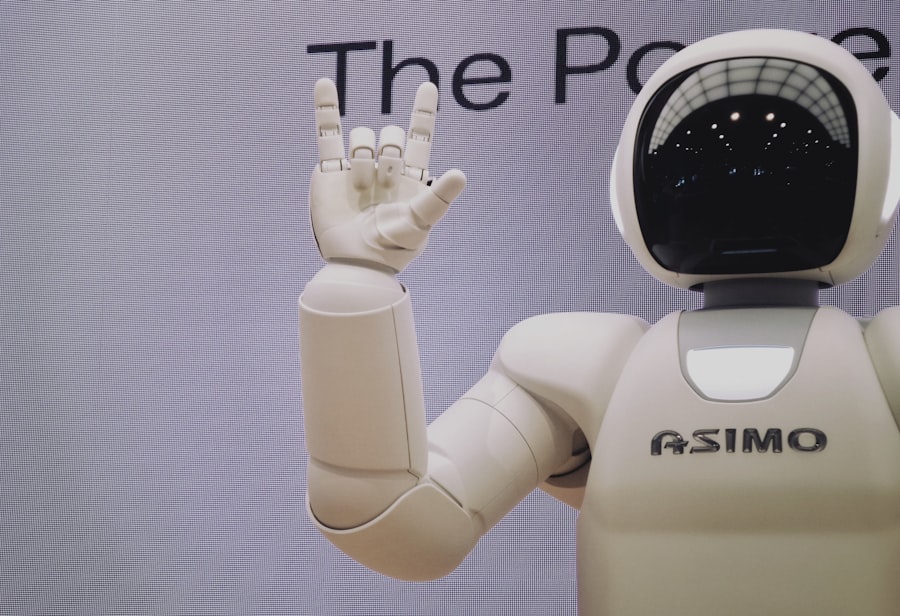
One of the most prominent applications of AI in robotics is within the realm of autonomous vehicles. These vehicles leverage advanced algorithms and sensor technologies to navigate roads without human intervention. The role of AI is crucial in processing data from various sensors, including cameras, radar, and LIDAR, allowing the vehicle to perceive its environment accurately.
This perception is essential for making real-time decisions, such as when to stop, accelerate, or change lanes. Moreover, AI enhances the safety and efficiency of autonomous vehicles by enabling them to learn from vast datasets collected from previous driving experiences. Through machine learning, these vehicles can identify patterns and improve their decision-making processes over time.
For instance, they can learn to recognise pedestrians’ behaviours or anticipate the actions of other drivers, significantly reducing the likelihood of accidents. As research and development continue in this field, the potential for AI-driven autonomous vehicles to revolutionise transportation becomes increasingly apparent.
AI in Healthcare Robotics
| Metrics | Value |
|---|---|
| Number of AI-powered surgical robots | 50 |
| Percentage of hospitals using AI for diagnostics | 75% |
| Reduction in surgical errors due to AI | 30% |
| AI-powered medical imaging accuracy | 95% |
The integration of AI into healthcare robotics represents a significant advancement in medical technology. Robots equipped with AI capabilities are being utilised for various applications, including surgery, rehabilitation, and patient care. Surgical robots, for example, can perform complex procedures with high precision, minimising invasiveness and improving patient outcomes.
The incorporation of AI allows these robots to analyse real-time data during surgery, providing surgeons with critical insights that enhance decision-making. In addition to surgical applications, AI-powered robots are also making strides in rehabilitation settings. These robots can assist patients recovering from injuries by providing tailored exercises and monitoring progress through data analysis.
Furthermore, AI-driven personal care robots are being developed to support elderly individuals or those with disabilities by assisting with daily activities and ensuring their safety at home. The impact of AI in healthcare robotics is profound, as it not only improves efficiency but also enhances the quality of care provided to patients.
AI in Personal Assistance Robots
Personal assistance robots are another area where AI has made significant contributions. These robots are designed to assist individuals with daily tasks, ranging from household chores to companionship for the elderly. The integration of AI enables these robots to understand natural language commands, recognise faces, and learn user preferences over time.
This adaptability makes them more effective in providing personalised assistance. For instance, smart home assistants equipped with AI can manage household devices, schedule appointments, and even provide reminders for medication. As these robots become more intuitive and responsive to user needs, they have the potential to significantly improve the quality of life for many individuals.
Additionally, advancements in social robotics are leading to the development of companions that can engage users in conversation and provide emotional support, further highlighting the diverse applications of AI in personal assistance.
The Impact of AI in Agriculture Robotics
The agricultural sector is experiencing a technological revolution driven by the integration of AI into robotics. Agricultural robots equipped with AI capabilities are transforming traditional farming practices by enhancing efficiency and productivity. These robots can perform tasks such as planting seeds, monitoring crop health, and harvesting produce with remarkable precision.
By utilising data analytics and machine learning algorithms, these machines can optimise resource use and improve yield outcomes. AI-driven agricultural robots also play a crucial role in precision farming, where data collected from sensors is analysed to make informed decisions about irrigation, fertilisation, and pest control. This targeted approach not only maximises crop production but also minimises environmental impact by reducing waste and chemical usage.
As the global population continues to grow, the demand for sustainable agricultural practices will only increase, making the role of AI in agriculture robotics essential for future food security.
Ethical Considerations in AI-Driven Robotics
As the capabilities of AI-driven robotics expand, so too do the ethical considerations surrounding their use. One major concern is the potential for job displacement as robots take over tasks traditionally performed by humans. While automation can lead to increased efficiency and lower costs for businesses, it raises questions about the future workforce and the need for reskilling workers whose jobs may be at risk.
Additionally, there are ethical implications related to privacy and data security. Many AI-driven robots collect vast amounts of data to function effectively; however, this data collection raises concerns about how personal information is used and protected. Ensuring that ethical guidelines are established and adhered to is crucial as we navigate this rapidly evolving landscape.
Furthermore, considerations around accountability must be addressed—particularly in scenarios where autonomous systems make decisions that could lead to harm or unintended consequences.
The Future of AI in Robotics
Looking ahead, the future of AI in robotics appears promising yet complex. As technology continues to advance at an unprecedented pace, we can expect even greater integration between AI systems and robotic platforms across various industries. Innovations such as collaborative robots (cobots) that work alongside humans are likely to become more prevalent, enhancing productivity while maintaining a human touch in workplaces.
Moreover, ongoing research into generalised AI could lead to robots that possess a higher level of cognitive function and adaptability than current systems allow. This evolution may enable robots to tackle more complex tasks across diverse environments without extensive reprogramming. However, as we embrace these advancements, it is imperative that we remain vigilant about ethical considerations and societal impacts.
Balancing innovation with responsibility will be key to ensuring that the future of AI in robotics benefits humanity as a whole. In conclusion, the integration of AI into robotics has already begun reshaping numerous sectors and holds immense potential for future developments. From autonomous vehicles revolutionising transportation to healthcare robots enhancing patient care, the applications are vast and varied.
As we continue to explore this intersection of technology, it is essential to address ethical concerns while fostering innovation that serves society’s best interests. The journey ahead promises exciting possibilities that could redefine our relationship with machines and reshape our world for generations to come.
In a recent article on what is a web developer and who is a web developer, the role of technology in shaping the future is further explored. Just as AI is revolutionising robotics beyond industrial automation, web developers are at the forefront of creating innovative solutions for the digital world. The article delves into the skills and expertise required to thrive in this dynamic field, highlighting the importance of staying ahead of the curve in an ever-evolving industry. As AI continues to push the boundaries of what is possible, web developers play a crucial role in harnessing its potential for the benefit of society.
FAQs
What is AI in robotics?
AI in robotics refers to the integration of artificial intelligence (AI) technologies into robotic systems, enabling them to perform tasks autonomously, make decisions, and adapt to changing environments.
How is AI currently used in robotics?
AI is currently used in robotics for various applications, including industrial automation, autonomous vehicles, healthcare, agriculture, and consumer electronics. In industrial automation, AI-powered robots can perform complex tasks such as assembly, packaging, and quality control.
What are the future prospects of AI in robotics?
The future prospects of AI in robotics are vast, with potential applications in areas such as disaster response, space exploration, personal assistance, and entertainment. AI-powered robots are expected to become more intelligent, versatile, and capable of interacting with humans in a natural and intuitive manner.
What are the challenges in the future of AI in robotics?
Challenges in the future of AI in robotics include ethical considerations, safety and security concerns, regulatory issues, and the potential impact on the job market. Ensuring the responsible and ethical use of AI in robotics will be crucial for its successful integration into various industries and everyday life.


 has emerged as a transformative force in various sectors, and its integration into robotics is particularly noteworthy...)