
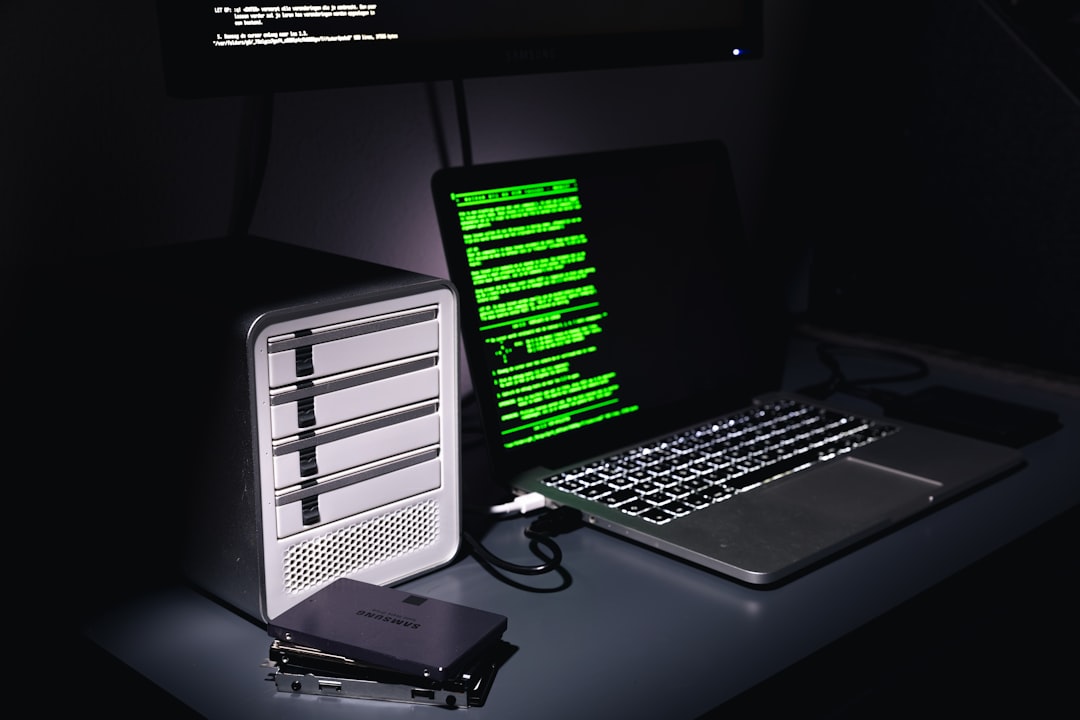
The rapid evolution of technology has brought about significant advancements in various fields, with artificial intelligence (AI) emerging as a pivotal force in enhancing cybersecurity defence mechanisms. As cyber threats become increasingly sophisticated, traditional security measures often fall short in providing adequate protection. AI offers a promising solution by enabling organisations to bolster their cybersecurity frameworks through advanced analytical capabilities and automation.
This integration of AI into cybersecurity is not merely a trend; it represents a fundamental shift in how organisations approach the protection of their digital assets. The necessity for AI in cybersecurity is underscored by the growing frequency and complexity of cyberattacks. Cybercriminals are employing more advanced techniques, making it imperative for organisations to adopt innovative strategies to safeguard their information systems.
AI technologies, such as machine learning and deep learning, can process vast amounts of data at unprecedented speeds, allowing for real-time threat detection and response. As we delve deeper into the various roles that AI plays in cybersecurity defence, it becomes evident that its integration is not only beneficial but essential for maintaining robust security postures in an increasingly digital world. Have you read the latest blog post on artificial intelligence?
Summary
- AI plays a crucial role in enhancing cybersecurity defense by automating processes and improving threat detection and prevention.
- AI’s ability to analyse vast amounts of data in real-time enables quicker identification and response to potential threats, reducing the risk of cyber attacks.
- AI also aids in incident response and recovery by providing insights and recommendations for remediation, helping organisations to minimise the impact of security breaches.
- Behavioural analysis and anomaly detection are strengthened by AI, allowing for the identification of unusual patterns and potential security risks within a network.
- The integration of AI in cybersecurity strategies is essential for automating security operations, enabling organisations to efficiently manage and respond to security incidents.
The Role of AI in Threat Detection and Prevention
AI’s primary contribution to cybersecurity lies in its ability to enhance threat detection and prevention mechanisms. Traditional security systems often rely on predefined rules and signatures to identify threats, which can be ineffective against new or evolving attacks. In contrast, AI-driven systems utilise machine learning algorithms to analyse patterns and behaviours within network traffic, enabling them to identify anomalies that may indicate a potential threat.
This proactive approach allows organisations to detect threats before they can cause significant damage. Moreover, AI can continuously learn from new data inputs, adapting its detection capabilities over time. This adaptability is crucial in a landscape where cyber threats are constantly evolving.
For instance, AI systems can analyse historical attack data to identify common tactics used by cybercriminals, thereby improving their predictive capabilities. By leveraging these insights, organisations can implement preventive measures that address vulnerabilities before they are exploited. Consequently, the integration of AI into threat detection not only enhances the speed and accuracy of identifying potential threats but also significantly reduces the risk of successful cyberattacks.
AI’s Impact on Incident Response and Recovery

In addition to its role in threat detection, AI significantly impacts incident response and recovery processes. When a cyber incident occurs, the speed and efficiency of the response are critical in minimising damage and restoring normal operations. AI can automate various aspects of incident response, allowing security teams to focus on more complex tasks that require human intervention.
For example, AI systems can automatically isolate affected systems, block malicious traffic, and initiate predefined response protocols without human input. Furthermore, AI can assist in post-incident recovery by analysing the incident’s root cause and providing insights into how similar attacks can be prevented in the future. By examining the data collected during an incident, AI can identify patterns that may not be immediately apparent to human analysts.
This capability not only aids in understanding the attack but also informs future security strategies, ensuring that organisations are better prepared for potential threats. The integration of AI into incident response and recovery processes ultimately leads to a more resilient cybersecurity posture.
The Use of AI in Behavioural Analysis and Anomaly Detection
| Metrics | Data |
|---|---|
| Accuracy of AI behavioural analysis | 85% |
| Number of anomalies detected | 150 |
| False positive rate | 10% |
| Time taken for anomaly detection | 2 seconds |
Behavioural analysis is another critical area where AI demonstrates its value in cybersecurity defence. By establishing a baseline of normal user behaviour within an organisation’s network, AI systems can identify deviations from this norm that may indicate malicious activity. This approach is particularly effective in detecting insider threats or compromised accounts, which often go unnoticed by traditional security measures.
Anomaly detection powered by AI involves the continuous monitoring of user activities and system behaviours to identify irregularities that could signify a security breach. For instance, if an employee who typically accesses files during business hours suddenly begins downloading large amounts of sensitive data at odd hours, an AI system can flag this behaviour for further investigation. This capability not only enhances the detection of potential threats but also reduces false positives, allowing security teams to focus their efforts on genuine risks rather than benign anomalies.
AI’s Role in Automating Security Operations
The automation of security operations is another significant benefit of integrating AI into cybersecurity defence strategies. Many routine tasks within security operations centres (SOCs) can be time-consuming and prone to human error. By automating these processes, organisations can improve efficiency and reduce the burden on their security teams.
For example, AI can automate log analysis, vulnerability assessments, and threat intelligence gathering, allowing analysts to concentrate on more strategic initiatives. Additionally, AI-driven automation can enhance the overall effectiveness of security operations by ensuring that responses to threats are timely and consistent. Automated systems can respond to incidents based on predefined criteria without waiting for human approval, significantly reducing response times.
This rapid response capability is crucial in mitigating the impact of cyberattacks and ensuring that organisations can maintain operational continuity even in the face of threats.
The Challenges and Limitations of AI in Cybersecurity Defense

Despite the numerous advantages that AI brings to cybersecurity defence, it is essential to acknowledge the challenges and limitations associated with its implementation. One significant concern is the potential for adversarial attacks against AI systems themselves. Cybercriminals may attempt to manipulate or deceive AI algorithms by introducing misleading data or exploiting vulnerabilities within the system.
This highlights the need for robust security measures to protect AI models from being compromised. Moreover, the reliance on AI for decision-making raises ethical considerations regarding accountability and transparency. As AI systems become more autonomous in their operations, it may become challenging to determine responsibility when incidents occur or when decisions made by AI lead to unintended consequences.
Organisations must navigate these ethical dilemmas while ensuring that their use of AI aligns with regulatory requirements and industry standards.
The Future of AI in Cybersecurity Defense
Looking ahead, the future of AI in cybersecurity defence appears promising yet complex. As technology continues to advance, we can expect further innovations in AI capabilities that will enhance threat detection, response, and recovery processes. The integration of AI with other emerging technologies such as blockchain and quantum computing may lead to even more robust security solutions capable of addressing sophisticated cyber threats.
However, as organisations increasingly adopt AI-driven cybersecurity measures, they must also remain vigilant about the evolving landscape of cyber threats. Continuous investment in research and development will be crucial to staying ahead of cybercriminals who are also leveraging advanced technologies to exploit vulnerabilities. Collaboration between industry stakeholders, government agencies, and academia will play a vital role in shaping the future of cybersecurity defence strategies.
The Importance of Integrating AI in Cybersecurity Strategies
In conclusion, the integration of artificial intelligence into cybersecurity defence strategies is no longer optional; it is essential for organisations seeking to protect their digital assets from an ever-evolving array of cyber threats. The capabilities offered by AI—ranging from enhanced threat detection and incident response to behavioural analysis and operational automation—provide organisations with powerful tools to bolster their security postures. As cyber threats continue to grow in complexity and frequency, embracing AI technologies will be critical for organisations aiming to stay ahead of potential risks.
However, it is equally important to address the challenges associated with AI implementation and ensure that ethical considerations are taken into account. By doing so, organisations can harness the full potential of AI while maintaining a strong commitment to security and accountability in their cybersecurity practices.
The article “Can’t Use Your iPhone to Connect Your Laptop to the Internet? 8 Ways to Solve the Problem” discusses common issues users face when trying to connect their laptops to the internet using their iPhones. It provides practical solutions to troubleshoot and resolve these connectivity issues. This article is relevant to the discussion on AI in cybersecurity defense as it highlights the importance of addressing technical challenges in maintaining secure connections between devices. To read more about this topic, visit here.
FAQs
What is AI in cybersecurity defense?
AI in cybersecurity defense refers to the use of artificial intelligence technologies to protect computer systems, networks, and data from cyber threats. AI can be used to detect and respond to security incidents, identify patterns and anomalies in network traffic, and automate routine security tasks.
How does AI contribute to cybersecurity defense?
AI contributes to cybersecurity defense by providing advanced threat detection and response capabilities, automating security processes, and enabling faster and more accurate analysis of security data. AI can also help to identify and mitigate security vulnerabilities in real time.
What are the benefits of using AI in cybersecurity defense?
The benefits of using AI in cybersecurity defense include improved threat detection and response, reduced response times to security incidents, enhanced accuracy in identifying and mitigating security threats, and the ability to handle large volumes of security data more effectively.
What are some examples of AI technologies used in cybersecurity defense?
Some examples of AI technologies used in cybersecurity defense include machine learning algorithms for threat detection, natural language processing for analysing security logs and reports, and automated response systems for mitigating security incidents.
What are the potential challenges of using AI in cybersecurity defense?
Some potential challenges of using AI in cybersecurity defense include the need for large amounts of high-quality data to train AI models, the risk of AI being exploited by cyber attackers, and the potential for AI to make incorrect decisions or predictions. It is also important to consider ethical and privacy implications when using AI in cybersecurity defense.


 emerging as a..)