
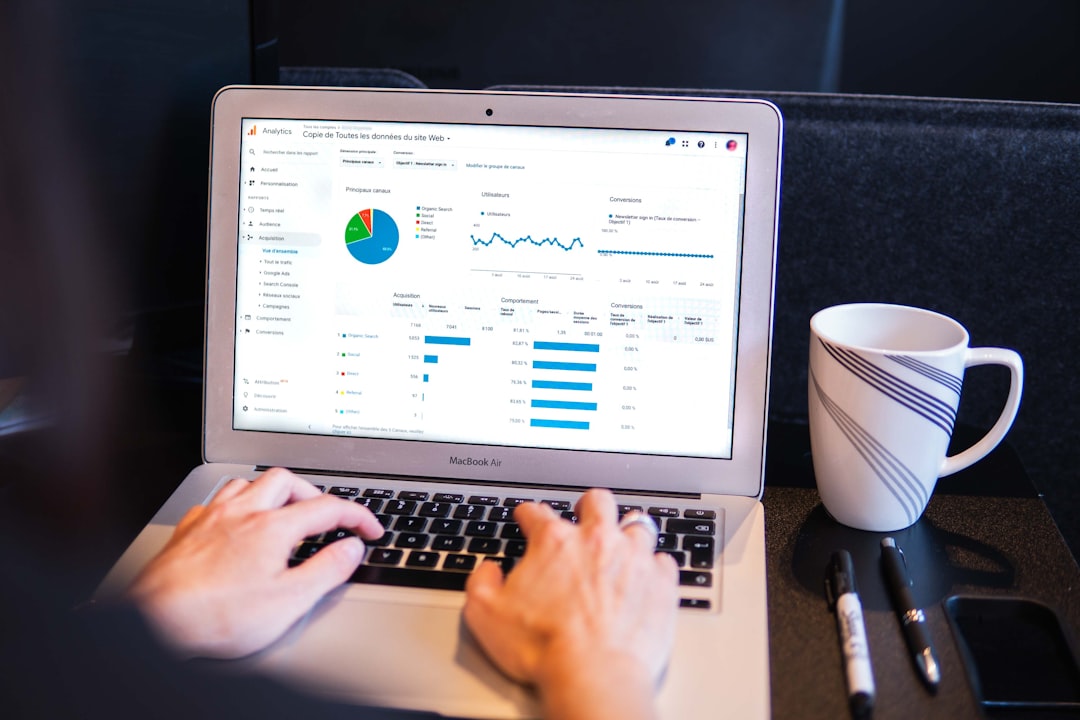
In recent years, the landscape of business operations has been dramatically transformed by the advent of artificial intelligence (AI). Among the various applications of AI, analysis tools have emerged as pivotal resources for organizations seeking to enhance efficiency and accuracy in their processes. These tools leverage advanced algorithms and machine learning techniques to analyze vast amounts of data, providing insights that were previously unattainable through traditional methods.
As we delve into the world of AI analysis tools, we find ourselves at the intersection of technology and business strategy, where the potential for innovation is boundless. The integration of AI analysis tools into our workflows is not merely a trend; it represents a fundamental shift in how we approach tasks such as contract management. By automating the analysis of contracts, these tools enable us to streamline operations, reduce human error, and ultimately save time and resources.
As we explore the benefits, functionalities, and future trends of AI analysis tools, we will uncover how they can revolutionize our approach to contract management and other critical business processes.
Key Takeaways
- AI analysis tools are revolutionizing the way contracts are managed and analyzed, providing numerous benefits to businesses.
- Streamlining contracts with AI can lead to increased efficiency, cost savings, and improved risk management.
- AI analysis tools work by using natural language processing and machine learning algorithms to extract and analyze key contract data.
- When choosing AI analysis tools, it’s important to look for features such as customizable templates, integration with existing systems, and advanced search capabilities.
- Case studies of successful implementation demonstrate how AI analysis tools have helped organizations streamline their contract management processes and achieve significant results.
Benefits of Streamlining Contracts with AI
One of the most significant advantages of utilizing AI analysis tools in contract management is the remarkable efficiency they bring to the table. Traditionally, reviewing contracts has been a labor-intensive process, often requiring legal teams to sift through lengthy documents manually. With AI, we can automate this process, allowing us to quickly identify key clauses, obligations, and potential risks.
This not only accelerates the review process but also frees up valuable time for our teams to focus on more strategic tasks that require human insight and creativity. Moreover, AI analysis tools enhance accuracy in contract management. Human error is an inevitable part of manual processes, and even the most diligent professionals can overlook critical details.
By employing AI algorithms that are designed to recognize patterns and anomalies, we can significantly reduce the likelihood of mistakes. This increased accuracy not only protects our organizations from potential legal pitfalls but also fosters greater trust among stakeholders, as they can rely on the integrity of our contract management processes.
How AI Analysis Tools Work

At the core of AI analysis tools lies sophisticated technology that enables them to process and interpret data in ways that mimic human cognition. These tools utilize natural language processing (NLP) to understand the context and meaning of contractual language. By breaking down contracts into their constituent parts, AI can analyze terms, conditions, and clauses with remarkable precision.
This capability allows us to extract relevant information quickly and efficiently, transforming what was once a tedious task into a streamlined process. Furthermore, machine learning algorithms play a crucial role in enhancing the functionality of AI analysis tools. As these tools are exposed to more data over time, they learn from past analyses and improve their accuracy and efficiency.
This iterative learning process means that the more we use these tools, the better they become at identifying patterns and making predictions about potential risks or opportunities within contracts. By harnessing this technology, we position ourselves to make informed decisions based on data-driven insights rather than relying solely on intuition or experience.
Features to Look for in AI Analysis Tools
| Feature | Description |
|---|---|
| Data Integration | The ability to integrate data from various sources for comprehensive analysis. |
| Machine Learning Algorithms | Inclusion of a variety of machine learning algorithms for accurate analysis. |
| Real-time Analysis | Capability to analyze data in real-time for immediate insights. |
| Scalability | The ability to handle large volumes of data and scale as needed. |
| Visualization Tools | Tools for visualizing data and results for better understanding. |
| Customization | Ability to customize analysis tools to fit specific business needs. |
When evaluating AI analysis tools for contract management, there are several key features we should prioritize to ensure we select the right solution for our needs. First and foremost, user-friendliness is essential. The tool should have an intuitive interface that allows our teams to navigate its functionalities with ease.
A steep learning curve can hinder adoption and limit the tool’s effectiveness, so we must choose a solution that empowers our users rather than complicates their workflows. Another critical feature is robust data security. Given the sensitive nature of contractual information, we must ensure that any AI analysis tool we consider adheres to stringent security protocols.
Case Studies of Successful Implementation
To illustrate the transformative power of AI analysis tools in contract management, we can look at several case studies from organizations that have successfully implemented these solutions. For instance, a leading multinational corporation in the technology sector adopted an AI-driven contract analysis tool to streamline its procurement process. By automating the review of supplier contracts, the company reduced its average review time from weeks to mere days.
This not only accelerated their procurement cycle but also allowed them to negotiate better terms with suppliers based on insights derived from previous contracts. Another compelling example comes from a financial services firm that faced challenges in managing its extensive portfolio of client contracts. By integrating an AI analysis tool into their operations, they were able to identify inconsistencies and compliance issues across their contracts more effectively than ever before.
The tool’s ability to flag potential risks enabled the firm to take proactive measures, ultimately leading to improved client satisfaction and reduced legal exposure. These case studies highlight how AI analysis tools can drive significant improvements in efficiency and risk management across various industries.
Best Practices for Using AI Analysis Tools
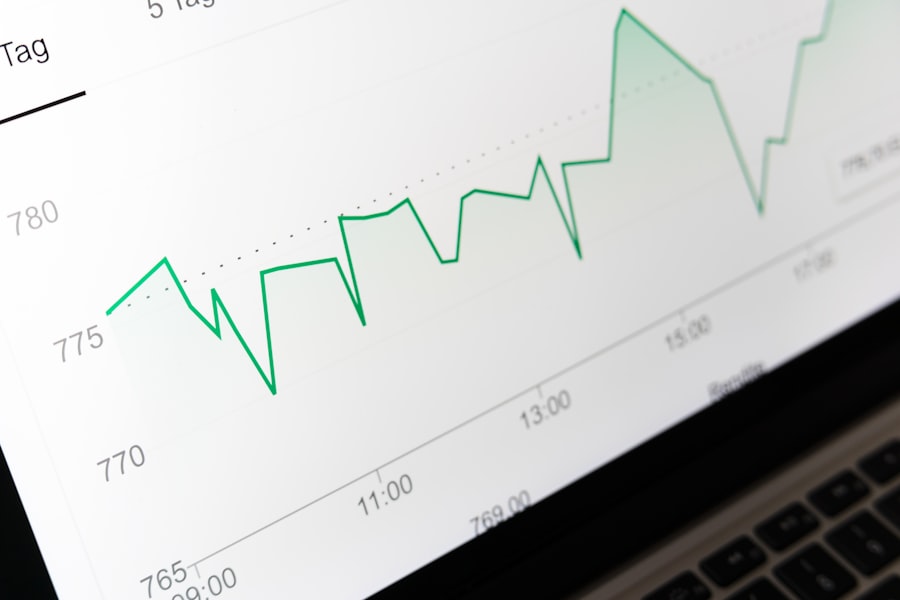
As we embark on our journey with AI analysis tools, it is essential to adopt best practices that maximize their effectiveness. One such practice is to establish clear objectives for what we hope to achieve with these tools. Whether it’s reducing review times, improving accuracy, or enhancing compliance monitoring, having defined goals will guide our implementation strategy and help us measure success over time.
Additionally, fostering collaboration between legal teams and IT departments is crucial for successful implementation. By working together, we can ensure that the chosen AI analysis tool aligns with our existing systems and workflows. Regular training sessions for users will also enhance adoption rates and empower our teams to leverage the full capabilities of the tool.
By creating a culture of continuous learning and adaptation, we position ourselves for long-term success with AI analysis tools.
Potential Challenges and Solutions
While the benefits of AI analysis tools are substantial, we must also acknowledge potential challenges that may arise during implementation. One common concern is resistance to change among team members who may be accustomed to traditional methods of contract management. To address this challenge, we can emphasize the advantages of AI tools through training sessions that showcase their capabilities and demonstrate how they can alleviate burdensome tasks.
For AI analysis tools to function effectively, they require access to high-quality data. If our existing contract databases are disorganized or incomplete, it may hinder the tool’s performance.
To mitigate this issue, we should conduct a thorough audit of our data before implementation and invest time in cleaning and organizing it. By ensuring that our data is accurate and well-structured, we set a solid foundation for successful AI integration.
Future Trends in AI Analysis Tools for Contract Streamlining
As we look ahead to the future of AI analysis tools in contract management, several trends are poised to shape their evolution. One notable trend is the increasing integration of predictive analytics capabilities within these tools. By harnessing historical data and advanced algorithms, future AI solutions will be able to forecast potential outcomes based on contract terms and market conditions.
This predictive power will enable us to make more informed decisions and proactively manage risks. Additionally, we anticipate a growing emphasis on collaboration features within AI analysis tools. As remote work becomes more prevalent, having tools that facilitate seamless collaboration among team members will be essential.
Future solutions may incorporate real-time editing capabilities and communication features that allow teams to work together more effectively on contract reviews. In conclusion, as we navigate the ever-evolving landscape of business operations, embracing AI analysis tools for contract management presents an opportunity for us to enhance efficiency, accuracy, and strategic decision-making. By understanding their benefits, functionalities, and best practices while remaining mindful of potential challenges, we can position ourselves at the forefront of innovation in our respective industries.
The future holds exciting possibilities for AI analysis tools, and by leveraging these advancements, we can streamline our contract management processes like never before.
There is an interesting article discussing how Apple is seeking to develop iPads to provide a closer experience to laptops, which could potentially impact the use of AI contract analysis tools. To read more about this development, check out the article here.
FAQs
What are AI contract analysis tools?
AI contract analysis tools are software applications that use artificial intelligence and machine learning algorithms to analyze and review legal contracts. These tools can extract key information, identify potential risks, and provide insights to help legal professionals make informed decisions.
How do AI contract analysis tools work?
AI contract analysis tools work by using natural language processing and machine learning algorithms to read and understand the content of legal contracts. They can identify clauses, provisions, and key terms, and then categorize and analyze the information to provide valuable insights and recommendations.
What are the benefits of using AI contract analysis tools?
Some of the benefits of using AI contract analysis tools include increased efficiency in contract review and analysis, improved accuracy in identifying potential risks and opportunities, and the ability to quickly extract and organize key information from large volumes of contracts.
Are AI contract analysis tools accurate?
AI contract analysis tools are designed to be highly accurate in identifying and analyzing key information within legal contracts. However, like any technology, their accuracy may vary depending on the specific tool and the quality of the data being analyzed.
How are AI contract analysis tools used in the legal industry?
AI contract analysis tools are used in the legal industry to streamline contract review processes, improve risk management, and enhance decision-making. They can be used by in-house legal teams, law firms, and corporate legal departments to analyze contracts for due diligence, compliance, and contract management purposes.


. Among the..)