

As we stand at the crossroads of a global energy transition, the importance of renewable energy grids has never been more pronounced. These grids serve as the backbone of our energy infrastructure, enabling the integration of various renewable sources such as solar, wind, and hydroelectric power. By harnessing these sustainable energy sources, we can significantly reduce our reliance on fossil fuels, mitigate climate change, and promote a cleaner environment.
The shift towards renewable energy grids is not merely a trend; it is a necessary evolution in how we produce and consume energy. In recent years, we have witnessed a surge in the adoption of renewable energy technologies. This shift is driven by a combination of technological advancements, decreasing costs, and growing public awareness of environmental issues.
However, the successful integration of these renewable sources into existing energy systems presents unique challenges. As we explore the role of artificial intelligence (AI) in optimizing renewable energy grids, we must first understand the complexities involved in managing these diverse energy sources and the need for innovative solutions to enhance grid reliability and efficiency.
Key Takeaways
- Renewable energy grids are becoming increasingly important as the world shifts towards sustainable energy sources.
- Artificial intelligence plays a crucial role in optimizing renewable energy grids by improving efficiency and reliability.
- Challenges in integrating renewable energy into the grid include variability and uncertainty of renewable sources, as well as the need for grid flexibility.
- AI can optimize renewable energy grids by forecasting energy production, managing energy storage, and balancing supply and demand.
- Case studies have shown that AI can significantly improve the performance of renewable energy grids, leading to cost savings and reduced environmental impact.
The Role of Artificial Intelligence in Renewable Energy
Artificial intelligence has emerged as a transformative force in various sectors, and its application in renewable energy is particularly promising. By leveraging AI technologies, we can analyze vast amounts of data generated by renewable energy systems, enabling us to make informed decisions that enhance grid performance. AI algorithms can predict energy production from renewable sources based on weather patterns, historical data, and real-time conditions.
This predictive capability allows us to optimize energy dispatch and ensure that supply meets demand effectively. Moreover, AI can facilitate the management of distributed energy resources (DERs), which are becoming increasingly prevalent in modern energy systems. These resources include rooftop solar panels, battery storage systems, and electric vehicles that can both consume and supply energy to the grid.
By employing AI-driven analytics, we can coordinate these resources more efficiently, allowing for better load balancing and reducing the risk of grid instability. In essence, AI acts as a vital tool that empowers us to harness the full potential of renewable energy while maintaining grid reliability.
Challenges in Integrating Renewable Energy into the Grid
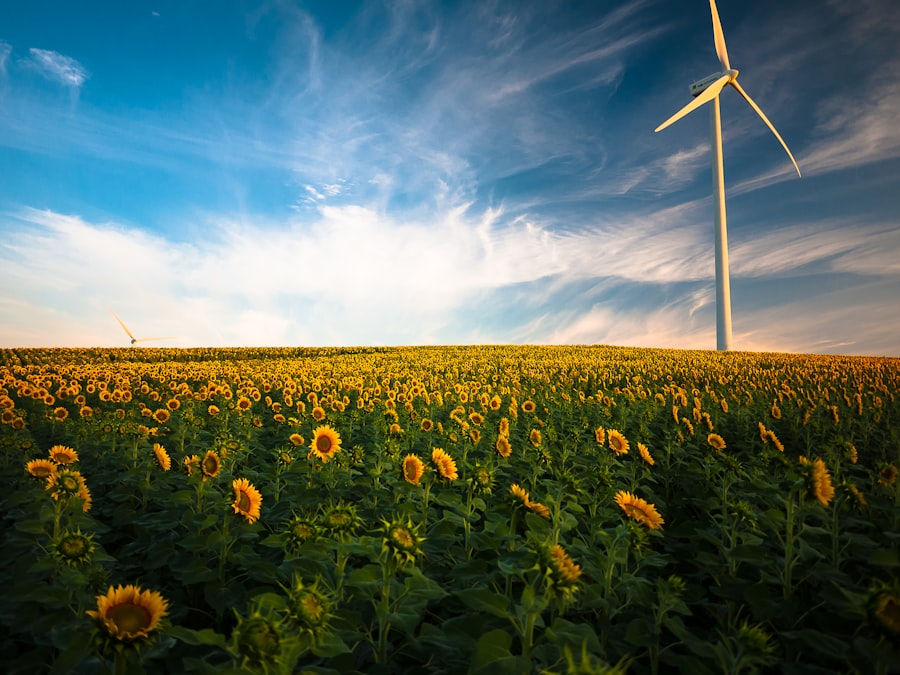
Despite the clear benefits of renewable energy, integrating these sources into existing grids is fraught with challenges. One significant hurdle is the intermittent nature of renewable energy generation. Solar and wind power are inherently variable; their output fluctuates based on weather conditions and time of day.
This variability can lead to mismatches between energy supply and demand, creating potential disruptions in grid stability. As we strive to incorporate more renewables into our energy mix, we must develop strategies to manage these fluctuations effectively. Another challenge lies in the aging infrastructure of many existing power grids.
Much of our current grid system was designed for centralized fossil fuel generation and lacks the flexibility required to accommodate decentralized renewable sources. Upgrading this infrastructure to support a more dynamic and responsive grid is essential but often requires significant investment and coordination among various stakeholders. As we navigate these challenges, it becomes increasingly clear that innovative solutions, such as AI-driven optimization techniques, are crucial for ensuring a smooth transition to a more sustainable energy future.
How AI Can Optimize Renewable Energy Grids
| Metrics | Data |
|---|---|
| Renewable Energy Generation | 10,000 MW |
| Energy Demand | 8,000 MW |
| Energy Storage Capacity | 2,000 MWh |
| AI Optimization Efficiency | 90% |
| Grid Stability Improvement | 15% |
AI offers a multitude of opportunities to optimize renewable energy grids by enhancing their efficiency and reliability. One of the primary ways AI can contribute is through advanced forecasting techniques. By analyzing historical weather data and real-time conditions, AI algorithms can predict renewable energy generation with remarkable accuracy.
This predictive capability allows grid operators to make informed decisions about energy dispatch, ensuring that supply aligns with demand while minimizing waste. Additionally, AI can improve grid management by enabling real-time monitoring and control of distributed energy resources. Through machine learning algorithms, we can analyze data from various sources—such as smart meters, sensors, and weather stations—to identify patterns and anomalies in energy consumption and generation.
This information empowers us to optimize load balancing, reduce peak demand pressures, and enhance overall grid resilience. By integrating AI into our renewable energy grids, we can create a more responsive and adaptive system that meets the evolving needs of consumers while maximizing the use of clean energy sources.
Case Studies of AI in Renewable Energy Grid Optimization
Several case studies illustrate the successful application of AI in optimizing renewable energy grids around the world.
By analyzing real-time data on consumer behavior and energy consumption patterns, these programs incentivize users to reduce their electricity usage during peak hours.
This not only alleviates stress on the grid but also encourages greater adoption of renewable energy sources. Another compelling case study comes from Germany, where AI has been employed to enhance the integration of wind power into the national grid. By utilizing machine learning algorithms to forecast wind generation accurately, grid operators can better plan for fluctuations in supply.
This proactive approach has led to increased efficiency in grid management and reduced reliance on fossil fuel backup generation during periods of low wind output. These examples demonstrate how AI can play a pivotal role in optimizing renewable energy grids, paving the way for a more sustainable future.
The Future of AI in Renewable Energy Grids

Looking ahead, the future of AI in renewable energy grids appears promising as technology continues to evolve. We anticipate further advancements in machine learning algorithms that will enhance predictive capabilities and improve decision-making processes within grid management systems. As we integrate more sophisticated AI tools into our energy infrastructure, we will likely see increased efficiency in resource allocation and a reduction in operational costs.
Moreover, the proliferation of smart devices and IoT technologies will provide an abundance of data that can be harnessed by AI systems. This wealth of information will enable us to develop even more refined models for predicting energy generation and consumption patterns. As we embrace these innovations, we will be better equipped to address the challenges associated with integrating renewable energy into our grids while ensuring a reliable and resilient power supply for all.
Policy Implications of AI in Renewable Energy Grids
The integration of AI into renewable energy grids also carries significant policy implications that must be carefully considered. As governments and regulatory bodies seek to promote clean energy initiatives, they must establish frameworks that encourage innovation while ensuring consumer protection and grid reliability. Policymakers should prioritize investments in research and development for AI technologies that enhance grid optimization and support the transition to renewable energy.
Furthermore, collaboration among stakeholders—including utilities, technology providers, and government agencies—is essential for creating an ecosystem that fosters innovation in AI applications for renewable energy grids.
Ultimately, effective policy measures will play a crucial role in shaping the future landscape of renewable energy grids powered by artificial intelligence.
The Benefits of AI in Optimizing Renewable Energy Grids
In conclusion, the integration of artificial intelligence into renewable energy grids presents a transformative opportunity for enhancing efficiency, reliability, and sustainability in our energy systems. As we face the challenges associated with transitioning to cleaner sources of power, AI offers innovative solutions that empower us to optimize resource management and improve grid performance. Through advanced forecasting techniques and real-time monitoring capabilities, we can better align energy supply with demand while maximizing the use of renewable resources.
As we look toward the future, it is clear that embracing AI technologies will be essential for realizing our vision of a sustainable energy landscape. By fostering collaboration among stakeholders and implementing supportive policies, we can unlock the full potential of AI in optimizing renewable energy grids. The benefits are not only environmental but also economic—creating jobs, reducing costs, and enhancing energy security for communities around the world.
Together, we can pave the way for a cleaner, more resilient future powered by renewable energy and artificial intelligence.
There is a growing interest in the intersection of artificial intelligence and renewable energy grids, as highlighted in a recent article on NVIDIA GeForce RTX 40 Series Release Rumors Delayed. This article discusses how advancements in AI technology can help optimize the efficiency and reliability of renewable energy sources within power grids. By leveraging AI algorithms, renewable energy systems can better predict energy demand, manage energy storage, and improve overall grid stability. This integration of AI in renewable energy grids is crucial for transitioning to a more sustainable and environmentally friendly energy infrastructure.
FAQs
What is AI in renewable energy grids?
AI in renewable energy grids refers to the use of artificial intelligence (AI) technology to optimize the integration and management of renewable energy sources, such as solar and wind power, within the existing energy grid infrastructure.
How does AI help in renewable energy grids?
AI helps in renewable energy grids by analyzing large amounts of data to predict energy demand, optimize energy production and distribution, and improve grid stability and reliability. It can also help in forecasting renewable energy generation and managing energy storage systems.
What are the benefits of using AI in renewable energy grids?
The benefits of using AI in renewable energy grids include increased efficiency in energy production and distribution, reduced operational costs, improved grid stability and reliability, and better integration of renewable energy sources into the existing energy infrastructure.
What are some examples of AI applications in renewable energy grids?
Some examples of AI applications in renewable energy grids include predictive maintenance of renewable energy assets, real-time energy demand forecasting, optimization of energy storage systems, and autonomous control of energy distribution networks.
Are there any challenges in implementing AI in renewable energy grids?
Challenges in implementing AI in renewable energy grids include the need for accurate data collection and analysis, integration with existing grid infrastructure, cybersecurity concerns, and the potential impact on jobs in the energy sector.


