

As we navigate the complexities of our modern world, the increasing frequency and intensity of natural disasters have become a pressing concern for communities globally. In this context, the integration of artificial intelligence (AI) into disaster response strategies has emerged as a transformative force. We, the B6G.NET Team, recognize that AI offers unprecedented opportunities to enhance our preparedness, response, and recovery efforts during emergencies.
By harnessing the power of AI, we can improve our ability to save lives, minimize damage, and facilitate a more efficient recovery process. The application of AI in disaster response is not merely a technological advancement; it represents a paradigm shift in how we approach emergency management. From predicting disasters before they occur to coordinating relief efforts in real-time, AI has the potential to revolutionize our response capabilities.
As we delve deeper into this topic, we will explore the various ways AI is being utilized in disaster scenarios, highlighting its significance and the transformative impact it can have on our collective resilience.
Key Takeaways
- AI plays a crucial role in disaster response by predicting, monitoring, and assessing damages, as well as coordinating communication and resource allocation.
- AI technologies such as machine learning and data analytics are used to predict and monitor disasters, providing early warnings and real-time updates to aid in disaster preparedness and response.
- AI enables quick and accurate damage assessment through image recognition, remote sensing, and data analysis, helping emergency responders prioritize areas for intervention and allocate resources effectively.
- AI-powered communication and coordination tools facilitate efficient information sharing and decision-making among emergency responders, improving response time and effectiveness in emergency situations.
- Leveraging AI for resource allocation and logistics optimization helps in efficiently managing and distributing resources, such as medical supplies and personnel, to affected areas during disasters.
The Role of AI in Predicting and Monitoring Disasters
One of the most critical applications of AI in disaster response lies in its ability to predict and monitor potential threats. By analyzing vast amounts of data from various sources, including satellite imagery, weather patterns, and historical data, AI algorithms can identify trends and patterns that may indicate an impending disaster. This predictive capability allows us to take proactive measures, potentially saving countless lives and reducing the overall impact of disasters.
For instance, machine learning models can analyze seismic data to predict earthquakes with greater accuracy than traditional methods. Similarly, AI can process meteorological data to forecast hurricanes or floods, providing early warnings that enable communities to evacuate or prepare accordingly. By leveraging these advanced technologies, we can enhance our situational awareness and make informed decisions that prioritize safety and preparedness.
AI Technologies for Quick and Accurate Damage Assessment
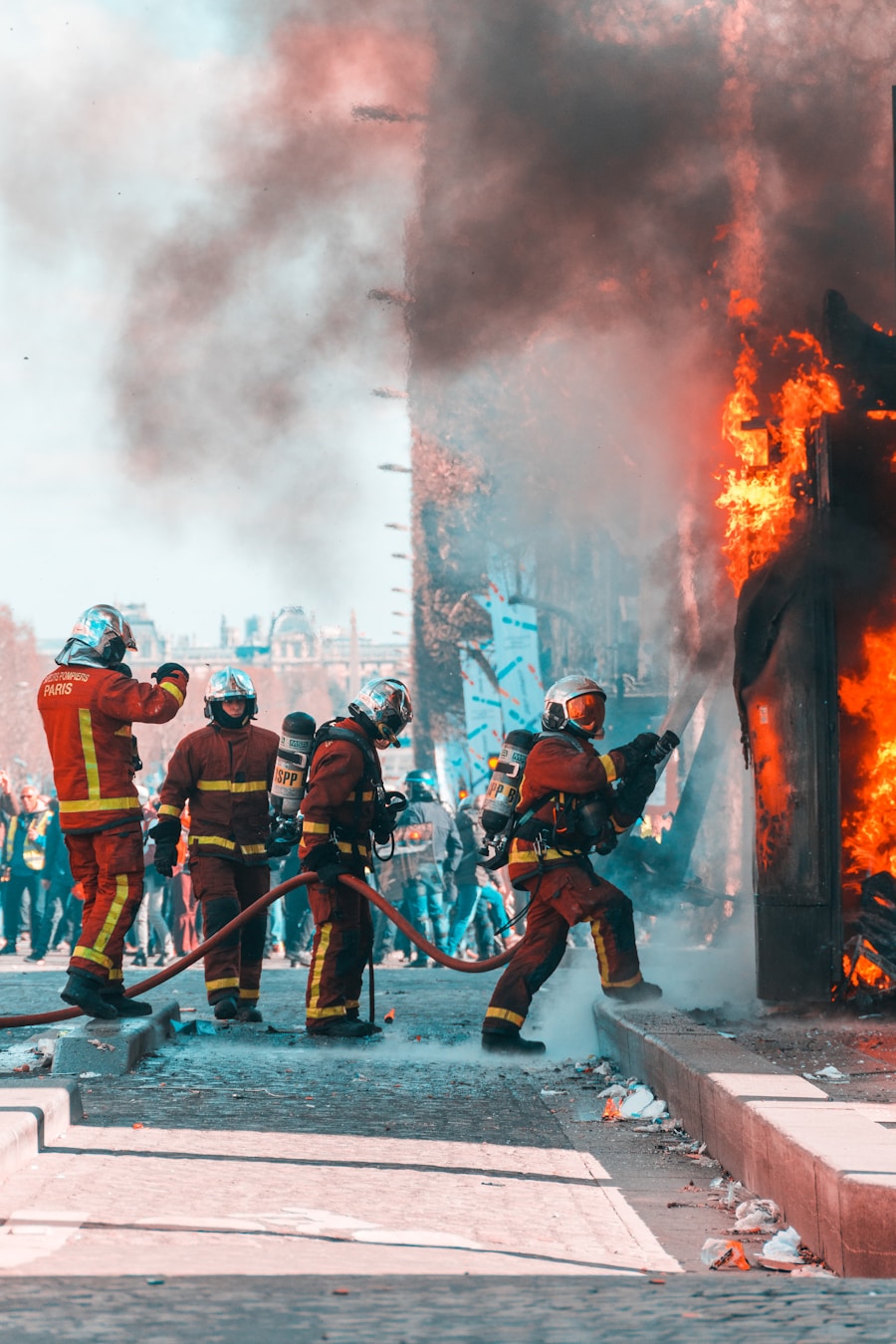
In the aftermath of a disaster, rapid and accurate damage assessment is crucial for effective response and recovery efforts. Here, AI technologies play a vital role by enabling us to assess the extent of damage quickly and efficiently. Drones equipped with AI-powered imaging systems can survey affected areas, capturing high-resolution images that are then analyzed using computer vision algorithms.
This allows us to identify damaged infrastructure, assess the needs of affected populations, and prioritize response efforts based on real-time data. Moreover, AI can facilitate the analysis of social media feeds and other online platforms to gauge public sentiment and identify areas in need of immediate assistance. By synthesizing information from multiple sources, we can create a comprehensive picture of the situation on the ground, enabling us to allocate resources effectively and respond to the most pressing needs.
AI-Powered Communication and Coordination in Emergency Situations
Effective communication and coordination are paramount during emergencies, where every second counts. AI technologies can streamline communication channels among various stakeholders involved in disaster response, including government agencies, non-profit organizations, and community groups. By utilizing AI-driven platforms, we can facilitate real-time information sharing, ensuring that all parties are informed and aligned in their efforts.
For example, chatbots powered by natural language processing can provide instant responses to inquiries from the public or first responders, directing them to relevant resources or information. Additionally, AI can analyze communication patterns to identify bottlenecks or gaps in information flow, allowing us to address these issues proactively.
Leveraging AI for Efficient Resource Allocation and Logistics
In disaster response scenarios, efficient resource allocation is critical to ensuring that aid reaches those in need promptly. AI can optimize logistics by analyzing data related to resource availability, transportation routes, and demand forecasts. By employing predictive analytics, we can anticipate where resources will be needed most and allocate them accordingly.
For instance, AI algorithms can evaluate traffic patterns and road conditions to determine the fastest routes for delivering supplies. This not only reduces delays but also minimizes costs associated with transportation. Furthermore, AI can assist in inventory management by tracking supplies in real-time, ensuring that we maintain adequate stock levels while avoiding waste.
By leveraging AI for resource allocation and logistics, we can enhance our operational efficiency and improve the overall effectiveness of our disaster response efforts.
The Ethical and Privacy Considerations of AI in Disaster Response
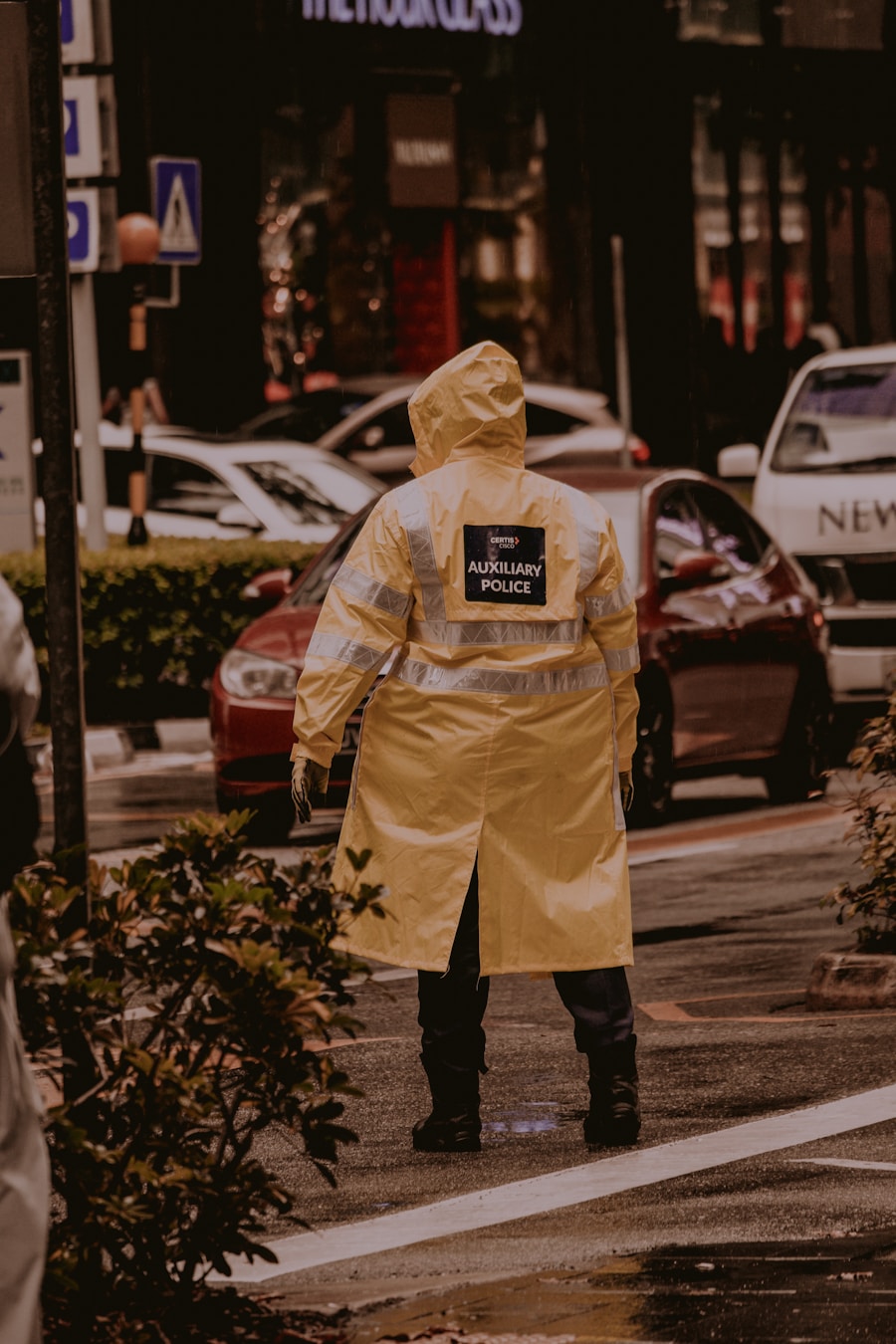
While the benefits of AI in disaster response are significant, it is essential to address the ethical and privacy considerations that accompany its use. As we collect and analyze vast amounts of data during emergencies, we must ensure that we do so responsibly and transparently. The potential for misuse of personal data raises concerns about privacy violations and the ethical implications of surveillance technologies.
We must establish clear guidelines and frameworks that govern the use of AI in disaster response while prioritizing individual rights and community trust. Engaging with stakeholders—including affected communities—can help us navigate these challenges and foster a collaborative approach to ethical decision-making. By prioritizing ethical considerations alongside technological advancements, we can build a disaster response framework that respects individual rights while maximizing the benefits of AI.
Challenges and Limitations of AI in Emergency Management
Despite its potential advantages, the integration of AI into disaster response is not without challenges. One significant limitation is the reliance on high-quality data for training AI models. In many cases, data may be incomplete or biased, leading to inaccurate predictions or assessments.
Additionally, the dynamic nature of disasters means that models must be continuously updated to remain relevant—a task that requires ongoing investment in technology and expertise. Moreover, there is a risk of over-reliance on technology at the expense of human judgment. While AI can provide valuable insights, it cannot replace the intuition and experience of trained professionals who understand the complexities of emergency management.
Striking a balance between leveraging technology and maintaining human oversight is crucial for effective disaster response.
The Future of AI in Disaster Response: Opportunities and Innovations
Looking ahead, the future of AI in disaster response holds immense promise as we continue to innovate and refine our approaches. Emerging technologies such as machine learning, natural language processing, and robotics are poised to further enhance our capabilities in predicting disasters, assessing damage, and coordinating responses. As we invest in research and development, we can unlock new opportunities for collaboration between technology developers and emergency management professionals.
Furthermore, as communities become more resilient through the integration of AI into their disaster preparedness plans, we can foster a culture of proactive engagement that prioritizes safety and sustainability. By embracing these innovations while addressing ethical considerations and challenges head-on, we can create a future where AI serves as a powerful ally in our collective efforts to respond to disasters effectively. In conclusion, as members of the B6G.NET Team, we believe that the integration of artificial intelligence into disaster response represents a significant leap forward in our ability to protect lives and communities during emergencies.
By harnessing the power of AI across various facets of disaster management—from prediction to resource allocation—we can enhance our resilience and ensure that we are better prepared for whatever challenges lie ahead. The journey toward a more effective disaster response system is ongoing, but with continued innovation and collaboration, we are optimistic about the future possibilities that await us.
AI in Disaster Response: Improving Emergency Management is crucial for efficient and effective disaster relief efforts. In a related article, Over the Last Two Years, Sidewinder Hackers Have Launched Over 1000 Cyber Attacks, the importance of cybersecurity in the face of increasing threats is highlighted. This article emphasizes the need for advanced technologies, such as AI, to not only respond to natural disasters but also to protect critical infrastructure from cyber attacks. By incorporating AI into emergency management systems, organizations can better prepare for and respond to disasters while also safeguarding against malicious cyber activities.
FAQs
What is AI in disaster response?
AI in disaster response refers to the use of artificial intelligence technologies to improve emergency management and response efforts during natural disasters, such as hurricanes, earthquakes, and wildfires. AI can help in predicting disasters, coordinating rescue efforts, and assessing damage.
How does AI improve emergency management?
AI improves emergency management by analyzing large amounts of data to predict disasters, identify high-risk areas, and optimize resource allocation. It can also assist in real-time decision-making, such as identifying the best evacuation routes and coordinating rescue operations.
What are some examples of AI applications in disaster response?
Some examples of AI applications in disaster response include using machine learning algorithms to analyze satellite imagery for damage assessment, developing predictive models for early warning systems, and using natural language processing to analyze social media data for real-time situational awareness.
What are the benefits of using AI in disaster response?
The benefits of using AI in disaster response include improved accuracy in predicting and assessing disasters, faster response times, better resource allocation, and enhanced situational awareness. AI can also help in reducing human error and improving overall coordination during emergency situations.
What are the challenges of implementing AI in disaster response?
Challenges of implementing AI in disaster response include the need for reliable data, ethical considerations in using AI for decision-making, and the potential for technological failures during high-stress situations. Additionally, there may be concerns about privacy and data security when using AI in disaster response.


