
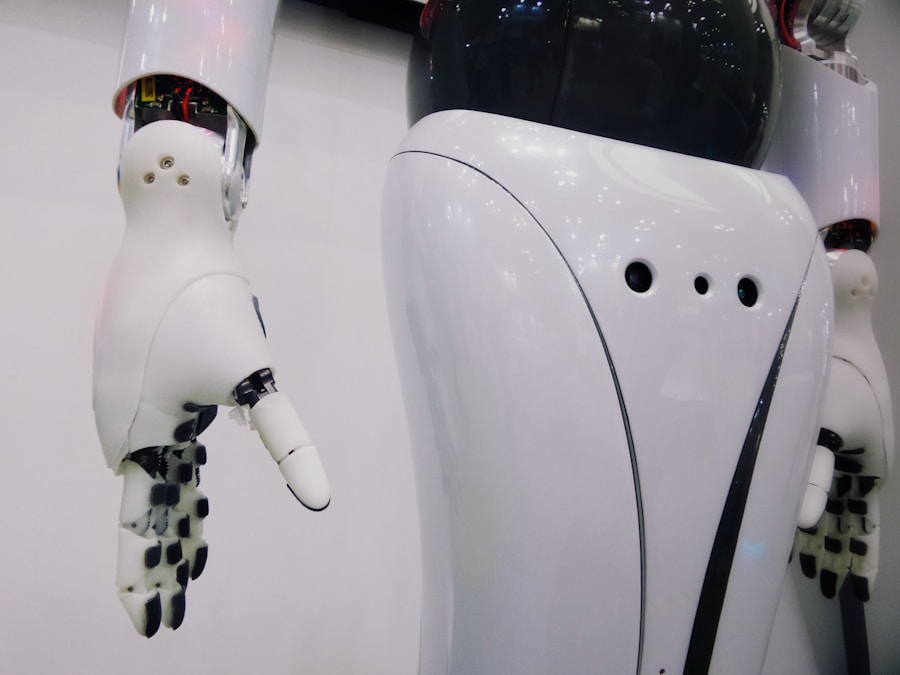
As we delve into the realm of modern industry, we find ourselves at the forefront of a transformative wave known as smart manufacturing. This innovative approach integrates advanced technologies, such as the Internet of Things (IoT), artificial intelligence (AI), and big data analytics, to create a more efficient, flexible, and responsive manufacturing environment. By harnessing these technologies, we can optimize production processes, reduce waste, and enhance overall productivity.
The shift towards smart manufacturing is not merely a trend; it represents a fundamental change in how we conceive and execute manufacturing operations. In this new landscape, traditional manufacturing methods are being redefined. We are witnessing a convergence of physical and digital systems that allows for real-time data collection and analysis.
This integration enables us to make informed decisions quickly, adapt to changing market demands, and improve product quality. As we explore the various facets of smart manufacturing, it becomes evident that AI plays a pivotal role in driving this evolution. By understanding the implications of AI in this context, we can better appreciate its potential to revolutionize the manufacturing sector.
Key Takeaways
- Smart manufacturing integrates advanced technologies to optimize production processes and improve efficiency.
- AI plays a crucial role in smart manufacturing by enabling predictive maintenance, quality control, supply chain management, and production planning.
- AI-driven predictive maintenance uses machine learning algorithms to predict equipment failures and schedule maintenance before breakdowns occur.
- AI-enabled quality control uses computer vision and machine learning to identify defects and ensure product quality.
- AI-powered supply chain management optimizes inventory, logistics, and demand forecasting to improve efficiency and reduce costs.
The Role of AI in Smart Manufacturing
Unlocking Hidden Insights
By employing machine learning algorithms and advanced analytics, we can uncover patterns and insights that were previously hidden within the noise of data. This capability allows us to enhance decision-making processes, streamline operations, and ultimately drive innovation within our organizations.
Predictive Capabilities
Moreover, AI’s ability to learn from historical data enables us to predict future trends and behaviors. This predictive capability is invaluable in a manufacturing environment where efficiency and responsiveness are paramount. By leveraging AI, we can optimize production schedules, manage inventory levels more effectively, and reduce downtime.
Fostering a Culture of Innovation
As we continue to integrate AI into our manufacturing processes, we are not only improving operational efficiency but also fostering a culture of continuous improvement and innovation.
AI-Driven Predictive Maintenance
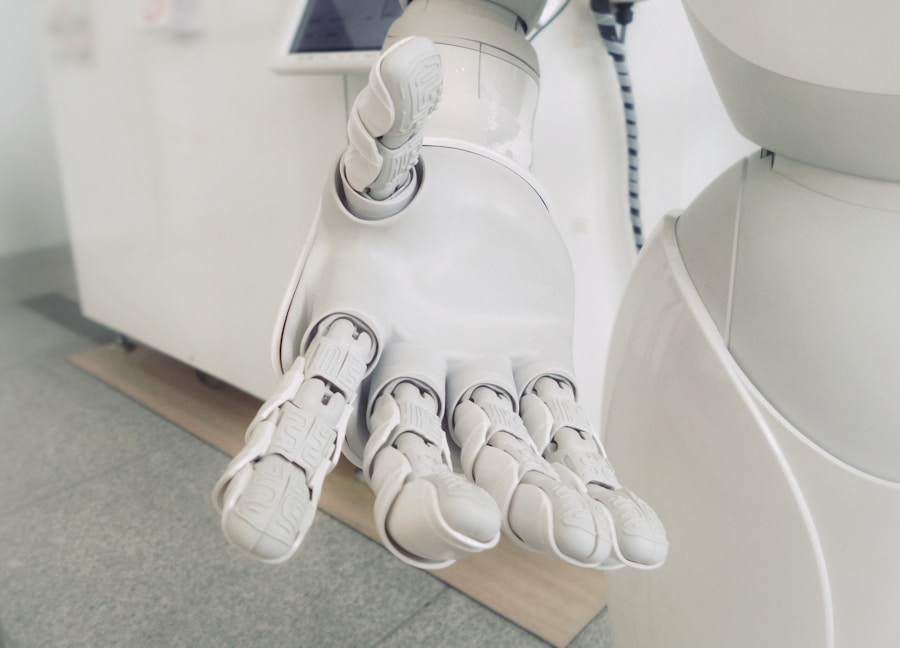
One of the most significant applications of AI in smart manufacturing is predictive maintenance. Traditional maintenance practices often rely on scheduled inspections or reactive measures following equipment failures. However, with AI-driven predictive maintenance, we can shift from a reactive to a proactive approach.
By analyzing data from sensors embedded in machinery, AI algorithms can identify patterns that indicate potential failures before they occur. This predictive capability allows us to schedule maintenance activities at optimal times, minimizing disruptions to production while extending the lifespan of our equipment. By reducing unplanned downtime, we can significantly enhance productivity and lower operational costs.
Furthermore, the insights gained from predictive maintenance can inform our overall maintenance strategies, enabling us to allocate resources more effectively and prioritize critical equipment.
AI-Enabled Quality Control
Quality control is another area where AI is making a profound impact in smart manufacturing. Traditionally, quality assurance processes have relied heavily on manual inspections and subjective assessments. However, with the advent of AI technologies, we can automate and enhance these processes to ensure consistent product quality.
By utilizing computer vision systems powered by AI, we can conduct real-time inspections of products as they move through the production line. These AI-enabled systems can detect defects with a level of precision that surpasses human capabilities. By analyzing images and data from various stages of production, we can identify anomalies and deviations from quality standards almost instantaneously.
As a result, we can maintain high-quality standards while minimizing waste and rework.
AI-Powered Supply Chain Management
In the realm of supply chain management, AI is proving to be an invaluable asset for manufacturers seeking to optimize their operations. The complexity of modern supply chains requires sophisticated tools to manage inventory levels, forecast demand, and coordinate logistics effectively. By leveraging AI algorithms, we can analyze historical data and market trends to make more accurate predictions about future demand.
This predictive capability enables us to optimize inventory levels, ensuring that we have the right amount of materials on hand without overstocking or understocking. Additionally, AI can enhance our logistics operations by identifying the most efficient routes for transportation and predicting potential disruptions in the supply chain. By streamlining these processes, we can reduce costs and improve customer satisfaction through timely deliveries.
AI-Enhanced Production Planning and Scheduling
Effective production planning and scheduling are critical components of successful manufacturing operations. With the integration of AI technologies, we can enhance these processes significantly. Traditional planning methods often struggle to account for variability in demand and production capacity.
However, AI-driven solutions can analyze real-time data from various sources to create dynamic production schedules that adapt to changing conditions. By utilizing machine learning algorithms, we can optimize resource allocation and minimize bottlenecks in the production process. This flexibility allows us to respond quickly to fluctuations in demand while maintaining high levels of efficiency.
Furthermore, AI-enhanced production planning enables us to simulate different scenarios and assess their impact on overall performance, empowering us to make informed decisions that drive continuous improvement.
AI-Integrated Human-Machine Collaboration
As we embrace smart manufacturing, it is essential to recognize the importance of human-machine collaboration. While AI technologies offer remarkable capabilities, they are most effective when integrated with human expertise and creativity. By fostering a collaborative environment where humans and machines work together seamlessly, we can unlock new levels of innovation and productivity.
AI can assist workers by providing real-time insights and recommendations based on data analysis. For instance, operators can receive alerts about potential issues or suggestions for optimizing their tasks based on historical performance data. This collaboration not only enhances operational efficiency but also empowers our workforce by allowing them to focus on higher-value tasks that require critical thinking and problem-solving skills.
The Future of AI in Smart Manufacturing
Looking ahead, the future of AI in smart manufacturing appears promising. As technology continues to evolve, we anticipate even greater advancements in AI capabilities that will further transform our industry. The integration of advanced robotics, machine learning algorithms, and IoT devices will enable us to create fully autonomous manufacturing environments where machines can operate independently while continuously learning from their experiences.
Moreover, as we gather more data from interconnected systems, the potential for AI-driven insights will expand exponentially. We envision a future where predictive analytics not only informs our operational decisions but also drives strategic initiatives across our organizations. By embracing these advancements, we can position ourselves at the forefront of innovation in manufacturing.
In conclusion, smart manufacturing represents a paradigm shift in how we approach production processes. With AI as a driving force behind this transformation, we have the opportunity to enhance efficiency, improve quality control, optimize supply chains, and foster collaboration between humans and machines. As we continue to explore the possibilities that lie ahead, it is clear that embracing AI will be essential for manufacturers seeking to thrive in an increasingly competitive landscape.
The B6G.NET Team is excited about the journey ahead as we navigate this evolving landscape together.
In a related article discussing cybersecurity threats, attackers are exploiting new Zoom flaws to hack victims simply by sending them a message. This highlights the importance of implementing robust security measures in smart manufacturing systems that utilize AI technology. To read more about this concerning trend, check out the article here. It serves as a reminder of the potential risks associated with integrating advanced technologies into manufacturing processes.
FAQs
What is smart manufacturing?
Smart manufacturing refers to the use of advanced technology, such as artificial intelligence, machine learning, and the Internet of Things, to improve the efficiency, productivity, and flexibility of manufacturing processes.
How does AI contribute to smart manufacturing?
AI contributes to smart manufacturing by enabling predictive maintenance, quality control, supply chain optimization, and autonomous decision-making. AI algorithms can analyze large volumes of data to identify patterns and make real-time adjustments to production processes.
What are the benefits of AI in smart manufacturing?
The benefits of AI in smart manufacturing include improved production efficiency, reduced downtime, better product quality, optimized supply chain management, and increased flexibility to adapt to changing market demands.
What are some examples of AI applications in smart manufacturing?
Some examples of AI applications in smart manufacturing include predictive maintenance to anticipate equipment failures, computer vision systems for quality inspection, autonomous robots for material handling, and AI-powered demand forecasting for inventory management.
What are the challenges of implementing AI in smart manufacturing?
Challenges of implementing AI in smart manufacturing include the need for skilled personnel to develop and maintain AI systems, concerns about data security and privacy, and the integration of AI technologies with existing manufacturing infrastructure.


