

As we navigate the complexities of the modern world, the intersection of artificial intelligence (AI) and mental health has emerged as a significant area of interest and exploration. The rapid advancements in technology have opened new avenues for understanding and addressing mental health issues, which affect millions globally. We find ourselves at a pivotal moment where AI can potentially transform how we approach mental health care, offering innovative solutions that were once thought to be the realm of science fiction.
By harnessing the power of AI, we can enhance our understanding of mental health conditions, improve therapeutic interventions, and provide support to those in need. In recent years, mental health awareness has gained momentum, leading to a greater demand for accessible and effective treatment options. Traditional methods of therapy, while valuable, often face limitations in terms of availability, cost, and stigma.
As a result, we are increasingly turning to AI-driven tools and applications that promise to bridge these gaps. By integrating AI into mental health care, we can create a more personalized and responsive approach to treatment, ultimately improving outcomes for individuals struggling with mental health challenges. This article will explore the multifaceted role of AI in mental health therapy, examining its innovations, ethical considerations, and future potential.
Key Takeaways
- AI has the potential to revolutionize mental health therapy and support by providing innovative solutions and personalized interventions.
- AI can play a significant role in mental health therapy by providing virtual support, monitoring symptoms, and offering personalized treatment plans.
- Innovations in AI-powered mental health support include chatbots, virtual therapists, and predictive analytics for early intervention.
- Ethical considerations in AI and mental health include privacy concerns, bias in algorithms, and the need for human oversight in decision-making.
- The future of AI in mental health treatment holds promise for improved access to care, personalized interventions, and more efficient resource allocation.
The Role of AI in Mental Health Therapy
Data Analysis and Pattern Identification
One of the most significant contributions of AI is its ability to analyze vast amounts of data quickly and accurately. By leveraging machine learning algorithms, we can identify patterns in patient behavior and symptoms that may not be immediately apparent to human practitioners.
Personalized Treatment and Real-time Monitoring
This data-driven approach allows for more accurate diagnoses and tailored treatment plans, ensuring that individuals receive the most appropriate care for their unique circumstances. Moreover, AI can facilitate real-time monitoring of patients’ mental health status through wearable devices and mobile applications. These tools can track mood fluctuations, sleep patterns, and other relevant metrics, providing valuable insights for both patients and therapists.
Dynamic Therapeutic Process and Empowerment
By continuously gathering data, we can create a more dynamic therapeutic process that adapts to the individual’s needs over time. This level of personalization is particularly beneficial in mental health care, where one-size-fits-all solutions often fall short. As we embrace AI in therapy, we are not only enhancing the quality of care but also empowering individuals to take an active role in their mental health journey.
Innovations in AI-Powered Mental Health Support
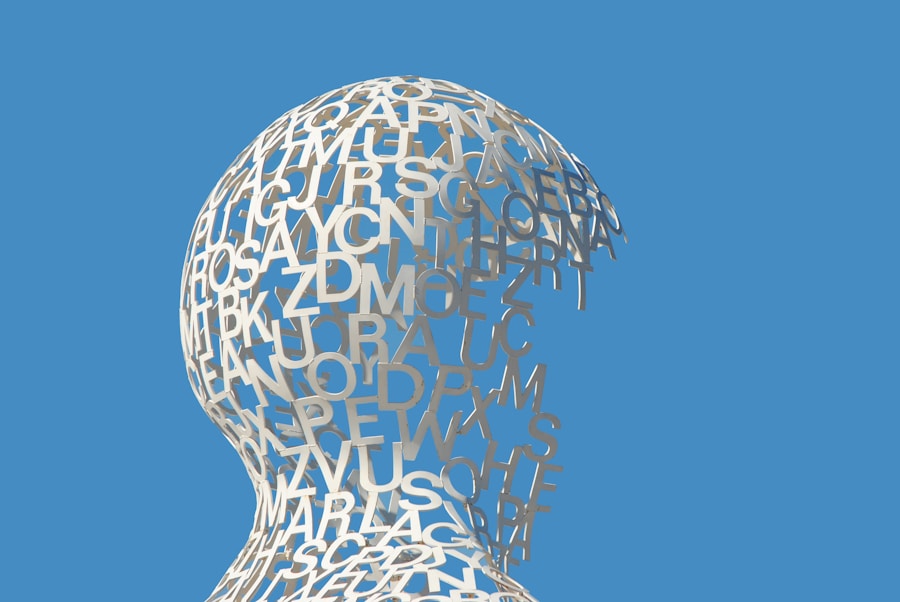
The landscape of mental health support is rapidly evolving thanks to innovative AI technologies. One notable advancement is the development of chatbots and virtual therapists that provide immediate assistance to individuals seeking help. These AI-driven platforms can engage users in conversation, offering coping strategies, resources, and even therapeutic exercises tailored to their specific needs.
By providing 24/7 access to support, we can reduce barriers to care and ensure that individuals receive timely assistance when they need it most. Additionally, AI is being utilized to enhance traditional therapeutic practices through tools like predictive analytics. By analyzing historical data from various sources, AI can help therapists anticipate potential crises or relapses in their patients.
This proactive approach allows for timely interventions that can prevent deterioration in mental health. Furthermore, AI can assist therapists in identifying effective treatment modalities based on similar cases, thereby streamlining the therapeutic process and improving overall efficacy.
Ethical Considerations in AI and Mental Health
As we delve deeper into the integration of AI in mental health care, it is crucial to address the ethical considerations that accompany these advancements. One primary concern revolves around data privacy and security. Given the sensitive nature of mental health information, we must ensure that robust measures are in place to protect patient data from unauthorized access or misuse.
Transparency in how data is collected, stored, and utilized is essential to building trust between patients and AI systems. Another ethical consideration is the potential for bias in AI algorithms. If the data used to train these systems is not representative of diverse populations, there is a risk that certain groups may receive suboptimal care or be misdiagnosed.
We must strive for inclusivity in our data sets and continuously evaluate AI systems for fairness and accuracy. Additionally, as we rely more on AI for mental health support, we must consider the implications for human therapists. While AI can augment therapeutic practices, it should not replace the human connection that is often vital in mental health treatment.
The Future of AI in Mental Health Treatment
Looking ahead, the future of AI in mental health treatment appears promising yet complex. As technology continues to advance, we anticipate even more sophisticated tools that can provide personalized support at scale.
This evolution could enhance the therapeutic experience by making it feel more human-like while still benefiting from the efficiency of AI. Moreover, as we gather more data on the effectiveness of AI-driven interventions, we can refine our approaches to mental health care further. The integration of AI with other emerging technologies, such as virtual reality (VR) and augmented reality (AR), could create immersive therapeutic experiences that engage patients in new ways.
These innovations hold the potential to revolutionize exposure therapy for anxiety disorders or phobias by providing controlled environments for patients to confront their fears safely.
Case Studies: Successful Implementation of AI in Mental Health

To illustrate the impact of AI on mental health care, we can look at several case studies that highlight successful implementations of these technologies. One notable example is Woebot, an AI-powered chatbot designed to provide cognitive-behavioral therapy (CBT) techniques through text-based interactions. Users report feeling supported and understood by Woebot’s empathetic responses, which have led to improved mood and coping strategies.
This case demonstrates how AI can effectively supplement traditional therapy by providing immediate support when human therapists may not be available. Another compelling case is the use of machine learning algorithms by researchers at Stanford University to predict suicide risk among patients based on electronic health records. By analyzing patterns in patient data, the researchers were able to identify individuals at high risk for suicide with remarkable accuracy.
This predictive capability allows for timely interventions that could save lives and underscores the potential of AI to enhance clinical decision-making in mental health care.
Challenges and Limitations of AI in Mental Health
Despite the promising advancements in AI for mental health support, several challenges and limitations remain.
Without rigorous testing and evaluation, there is a risk that these technologies may not deliver the intended benefits or could inadvertently cause harm.
Additionally, there is a concern about over-reliance on technology at the expense of human interaction. While AI can provide valuable support, it cannot replicate the empathy and understanding that human therapists offer. Striking a balance between leveraging technology and maintaining meaningful human connections will be crucial as we move forward in integrating AI into mental health care.
The Potential Impact of AI on Mental Health Therapy and Support
In conclusion, the integration of artificial intelligence into mental health therapy holds immense potential to transform how we understand and address mental health challenges. From enhancing diagnostic accuracy to providing immediate support through innovative tools, AI offers a new paradigm for mental health care that prioritizes accessibility and personalization. However, as we embrace these advancements, we must remain vigilant about ethical considerations and ensure that technology complements rather than replaces human connection.
As we look toward the future, it is clear that AI will play an increasingly vital role in shaping mental health treatment and support systems. By continuing to explore its capabilities while addressing its limitations, we can harness the power of technology to create a more compassionate and effective mental health care landscape for all individuals. The journey ahead may be complex, but with collaboration between technologists, clinicians, and patients alike, we can pave the way for a brighter future in mental health care powered by artificial intelligence.
There is a fascinating article on IoT advancements in Latin America, where 35% of companies are planning to invest in the next 18 months. This shows the growing interest and potential for technological innovations in the region. To read more about this topic, check out the article here. This aligns with the advancements in AI and mental health, as technology continues to play a crucial role in providing therapy and support to individuals in need.
FAQs
What is AI and Mental Health?
AI and Mental Health refers to the use of artificial intelligence (AI) technology to provide innovative therapy and support for individuals with mental health issues. This can include AI-powered chatbots, virtual therapists, and other digital tools designed to assist in managing mental health conditions.
How does AI support mental health?
AI supports mental health by providing accessible and personalized therapy and support to individuals. AI-powered tools can offer 24/7 assistance, personalized treatment plans, and real-time monitoring of mental health symptoms, ultimately improving access to care and reducing the stigma associated with seeking help.
What are some examples of AI innovations in mental health?
Examples of AI innovations in mental health include chatbots that provide immediate support and guidance, virtual reality therapy for treating phobias and PTSD, and machine learning algorithms that analyze patterns in behavior to predict and prevent mental health crises.
What are the benefits of using AI in mental health treatment?
The benefits of using AI in mental health treatment include increased accessibility to care, personalized treatment plans, reduced wait times for therapy, and the ability to reach individuals who may not have access to traditional mental health services. AI can also help in early detection and intervention for mental health issues.
Are there any concerns about using AI in mental health?
Some concerns about using AI in mental health include privacy and data security, the potential for over-reliance on technology over human interaction, and the need to ensure that AI tools are culturally sensitive and inclusive of diverse populations. It is important to carefully consider the ethical implications of using AI in mental health treatment.


 and mental health has emerged as a significant..)