

Smart infrastructure represents a transformative approach to the design, construction, and management of urban environments and essential services. It encompasses a wide array of technologies and systems that enhance the efficiency, sustainability, and resilience of infrastructure. This concept integrates advanced technologies into traditional infrastructure, such as roads, bridges, and utilities, to create interconnected systems that can respond dynamically to changing conditions.
The evolution of smart infrastructure is driven by the need to address urbanisation challenges, environmental concerns, and the demand for improved quality of life in cities. As urban populations continue to swell, the pressure on existing infrastructure intensifies. Smart infrastructure aims to alleviate these pressures by leveraging technology to optimise resource use and improve service delivery.
This approach not only enhances operational efficiency but also fosters a more sustainable future by reducing waste and minimising environmental impact. By integrating various technological advancements, smart infrastructure seeks to create a cohesive ecosystem that supports economic growth while prioritising the well-being of communities. Have you read the latest blog post on artificial intelligence?
Summary
- Smart infrastructure is the integration of technology and data analytics to improve the efficiency and sustainability of urban systems.
- Technology plays a crucial role in smart infrastructure by enabling real-time monitoring, predictive maintenance, and automated systems for better resource management.
- Data analytics is essential in smart infrastructure for making informed decisions, identifying patterns, and predicting future needs for maintenance and upgrades.
- The integration of Internet of Things (IoT) in smart infrastructure allows for interconnected devices and sensors to collect and exchange data, enabling better decision-making and resource management.
- Artificial Intelligence (AI) has a significant impact on smart infrastructure by enabling predictive maintenance, autonomous systems, and advanced analytics for better decision-making and resource management.
The Importance of Technology in Smart Infrastructure
Enhancing Efficiency and Functionality
These technologies facilitate real-time monitoring and management of resources, allowing for proactive maintenance and timely responses to issues as they arise.
Smart Traffic Management
For instance, smart traffic management systems utilise sensors and cameras to monitor traffic flow, adjusting signals in real-time to alleviate congestion and improve safety.
Fostering Collaboration and Community Engagement
Moreover, technology plays a pivotal role in fostering collaboration among stakeholders involved in infrastructure development and management. By utilising digital platforms and tools, various entities—including government agencies, private companies, and citizens—can share information and insights more effectively. This collaborative approach not only enhances decision-making processes but also ensures that infrastructure projects are aligned with community needs and priorities. As a result, technology not only improves operational efficiency but also strengthens the social fabric of urban environments.
The Role of Data Analytics in Smart Infrastructure
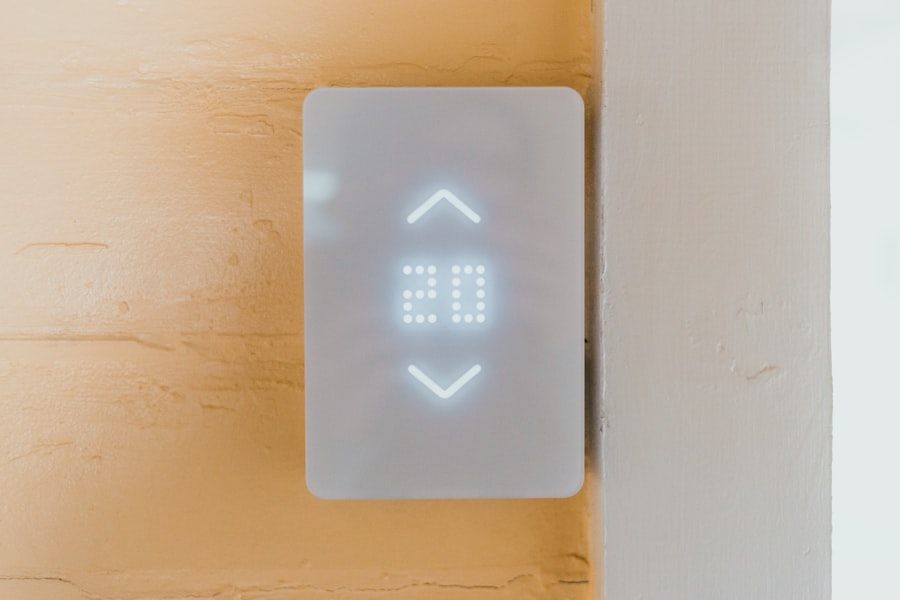
Data analytics is a critical component of smart infrastructure, providing the insights necessary for informed decision-making and strategic planning. By collecting and analysing vast amounts of data generated by various systems—such as transportation networks, energy grids, and public services—stakeholders can identify patterns, trends, and anomalies that inform operational improvements. For example, data analytics can reveal peak usage times for public transport systems, enabling operators to adjust schedules and capacity accordingly.
Furthermore, predictive analytics can enhance the maintenance of infrastructure by forecasting potential failures before they occur. By analysing historical data and current performance metrics, organisations can implement preventative measures that extend the lifespan of assets and reduce downtime. This proactive approach not only saves costs but also enhances service reliability for users.
In essence, data analytics transforms raw data into actionable insights that drive continuous improvement in smart infrastructure.
The Integration of Internet of Things (IoT) in Smart Infrastructure
| Metrics | Data |
|---|---|
| Number of IoT devices in smart infrastructure | 10 million |
| Percentage of energy savings due to IoT integration | 25% |
| Reduction in maintenance costs | 30% |
| Improvement in operational efficiency | 40% |
The Internet of Things (IoT) is a cornerstone of smart infrastructure, facilitating the interconnectivity of devices and systems across urban environments. IoT devices—ranging from smart meters to environmental sensors—collect real-time data that can be used to optimise various aspects of infrastructure management. For instance, smart water management systems utilise IoT sensors to monitor water quality and detect leaks in real-time, significantly reducing water waste and improving service delivery.
Moreover, the integration of IoT enhances the responsiveness of infrastructure systems to changing conditions. For example, smart street lighting can adjust brightness based on pedestrian activity or ambient light levels, thereby conserving energy while ensuring safety. This level of adaptability not only improves operational efficiency but also contributes to a more sustainable urban environment.
As IoT technology continues to evolve, its potential applications within smart infrastructure will expand, offering new opportunities for innovation and improvement.
The Impact of Artificial Intelligence in Smart Infrastructure
Artificial Intelligence (AI) is revolutionising the landscape of smart infrastructure by enabling advanced data processing capabilities and automating complex decision-making processes. AI algorithms can analyse vast datasets far more quickly than human operators, identifying patterns and insights that may otherwise go unnoticed. This capability is particularly beneficial in areas such as traffic management, where AI can optimise traffic flow by predicting congestion based on historical data and real-time conditions.
Additionally, AI enhances predictive maintenance strategies within smart infrastructure. By analysing data from sensors embedded in physical assets—such as bridges or railways—AI can predict when maintenance is required, thereby preventing costly failures and ensuring safety. This shift from reactive to proactive maintenance not only extends the lifespan of infrastructure but also reduces operational costs significantly.
As AI technology continues to advance, its integration into smart infrastructure will likely lead to even greater efficiencies and innovations.
The Role of Renewable Energy in Smart Infrastructure
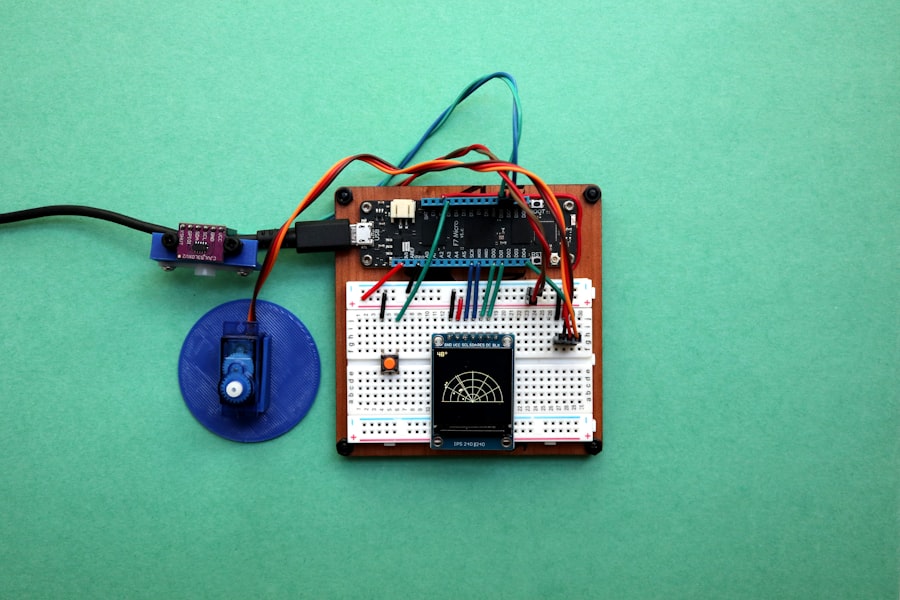
Renewable energy sources are integral to the development of sustainable smart infrastructure. As cities strive to reduce their carbon footprints and reliance on fossil fuels, integrating renewable energy solutions—such as solar panels and wind turbines—into urban planning becomes essential. Smart grids that incorporate renewable energy sources allow for more efficient energy distribution and consumption, adapting to fluctuations in supply and demand while minimising waste.
Moreover, renewable energy technologies can be combined with smart infrastructure systems to enhance resilience against climate change impacts. For instance, solar-powered streetlights not only reduce energy costs but also provide reliable lighting during power outages caused by extreme weather events. By prioritising renewable energy in smart infrastructure initiatives, cities can create a more sustainable future while simultaneously addressing pressing environmental challenges.
The Implementation of 5G Technology in Smart Infrastructure
The rollout of 5G technology is poised to significantly enhance the capabilities of smart infrastructure by providing faster data transmission speeds and lower latency. This next-generation mobile network enables real-time communication between devices and systems, facilitating seamless integration across various applications. For example, 5G connectivity can support autonomous vehicles by allowing them to communicate with traffic signals and other vehicles instantaneously, improving safety and efficiency on the roads.
Additionally, 5G technology enhances the performance of IoT devices within smart infrastructure ecosystems. With increased bandwidth and reduced latency, IoT sensors can transmit data more efficiently, enabling quicker responses to changing conditions. This capability is particularly beneficial in critical areas such as emergency response systems or public health monitoring.
As 5G technology continues to be implemented globally, its impact on smart infrastructure will be profound, unlocking new possibilities for innovation and connectivity.
The Future of Technology in Smart Infrastructure
Looking ahead, the future of technology in smart infrastructure appears promising as advancements continue to emerge at a rapid pace. The convergence of various technologies—such as AI, IoT, big data analytics, and renewable energy—will create increasingly sophisticated systems capable of addressing complex urban challenges. As cities become more interconnected through these technologies, the potential for enhanced efficiency, sustainability, and quality of life will expand significantly.
Moreover, the ongoing development of policies and frameworks that support smart infrastructure initiatives will be crucial in shaping its future trajectory. Governments and stakeholders must collaborate to establish standards that promote interoperability among different systems while ensuring data privacy and security. As these efforts progress, the vision of fully integrated smart cities will become increasingly attainable, paving the way for a more resilient and sustainable urban future.
In conclusion, smart infrastructure represents a paradigm shift in how we approach urban development and management. By harnessing the power of technology—ranging from data analytics to renewable energy—cities can create environments that are not only efficient but also responsive to the needs of their inhabitants. As we move forward into an era defined by rapid technological advancement, the potential for innovation within smart infrastructure remains boundless.
In a recent article discussing the role of technology in smart infrastructure, it was highlighted how advancements in technology are revolutionising the way we build and maintain our cities. One related article that caught my attention was about the Sony Bravia W830K, a 32-inch HDR smart TV with Dolby Audio support. This article showcases how technology is not only transforming our physical infrastructure but also our entertainment systems at home. It is fascinating to see how innovations in technology are impacting various aspects of our daily lives. To read more about this exciting smart TV, check out the article here.
FAQs
What is smart infrastructure?
Smart infrastructure refers to the integration of technology into traditional infrastructure systems, such as transportation, energy, water, and buildings, to improve efficiency, sustainability, and overall performance.
What role does technology play in smart infrastructure?
Technology plays a crucial role in smart infrastructure by enabling the collection and analysis of data, automation of processes, and the implementation of advanced monitoring and control systems to optimize the performance of infrastructure systems.
What are some examples of technology used in smart infrastructure?
Examples of technology used in smart infrastructure include sensors for monitoring and collecting data, Internet of Things (IoT) devices for connectivity and communication, advanced analytics for data analysis, and automation systems for control and optimization.
How does technology benefit smart infrastructure?
Technology benefits smart infrastructure by improving operational efficiency, reducing maintenance costs, enhancing safety and security, enabling real-time monitoring and control, and supporting sustainable and environmentally friendly practices.
What are the challenges of integrating technology into smart infrastructure?
Challenges of integrating technology into smart infrastructure include the high initial investment, interoperability of different technologies, cybersecurity risks, data privacy concerns, and the need for skilled professionals to manage and maintain the technology.


