

In recent years, the concept of decentralized intelligence has gained significant traction, driven by advancements in technology and a growing demand for transparency and security. Decentralized intelligence refers to the distribution of decision-making processes across a network rather than relying on a central authority. This paradigm shift is largely facilitated by the emergence of blockchain technology and artificial intelligence (AI), which together create a robust framework for data management and analysis.
As organisations and individuals increasingly seek to harness the power of these technologies, the potential for decentralised intelligence to transform various sectors becomes more apparent. The rise of decentralised intelligence is not merely a technological trend; it represents a fundamental change in how we approach data governance and decision-making. Traditional systems often suffer from issues such as centralised control, lack of transparency, and vulnerability to manipulation.
In contrast, decentralised intelligence offers a more democratic approach, where stakeholders can participate in the decision-making process. This shift is particularly relevant in an era where data breaches and privacy concerns are prevalent, prompting a reevaluation of how information is stored, shared, and utilised. As we delve deeper into the intricacies of blockchain and AI, it becomes clear that their convergence is pivotal in shaping the future of decentralised intelligence. Have you read the latest blog post on artificial intelligence?
Summary
- Decentralized intelligence is on the rise, with the combination of blockchain and artificial intelligence leading the way in revolutionising various industries.
- Understanding blockchain and artificial intelligence is crucial for grasping the potential of decentralized intelligence and its impact on society.
- The benefits of combining AI and blockchain include increased security, transparency, and efficiency in data management and decision-making processes.
- Challenges and limitations of decentralized intelligence include scalability issues, regulatory concerns, and potential biases in AI algorithms.
- Use cases and applications of AI and blockchain integration range from supply chain management and healthcare to finance and voting systems, showcasing the diverse potential of decentralized intelligence.
Understanding Blockchain and Artificial Intelligence
Blockchain Technology
Blockchain is a distributed ledger technology that enables secure, transparent, and tamper-proof record-keeping. Each transaction or piece of data is stored in a block, which is linked to previous blocks, creating an immutable chain.
Artificial Intelligence
On the other hand, artificial intelligence encompasses a range of technologies that enable machines to perform tasks that typically require human intelligence. This includes learning from data, recognising patterns, and making decisions based on complex algorithms. AI can process vast amounts of information at unprecedented speeds, making it an invaluable tool for analysing data trends and generating insights.
The Synergy of Blockchain and AI
When combined with blockchain, AI can leverage the secure and transparent nature of decentralised networks to enhance its capabilities further. This synergy not only improves data integrity but also fosters innovation across various industries.
The Benefits of Combining AI and Blockchain
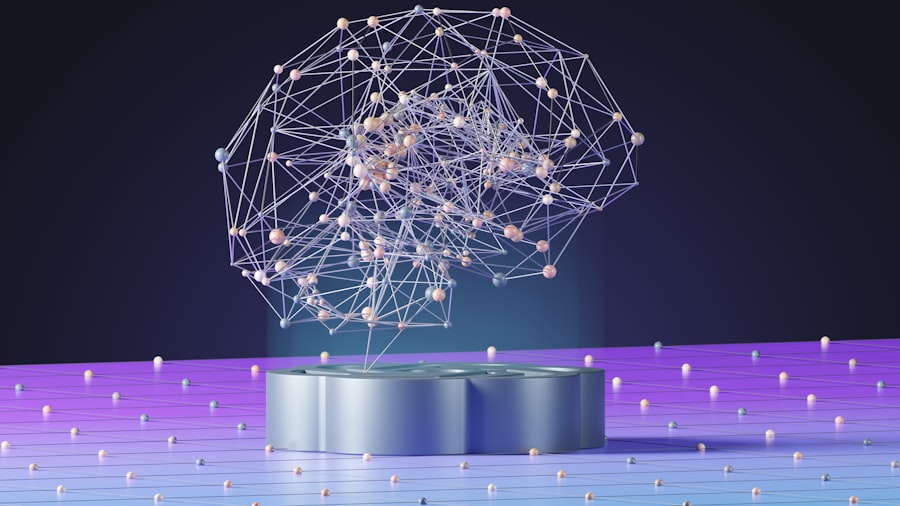
The integration of AI and blockchain presents numerous advantages that can significantly enhance operational efficiency and decision-making processes. One of the primary benefits is improved data security. Blockchain’s inherent characteristics ensure that data remains secure and unaltered, which is crucial for AI systems that rely on accurate information for training and decision-making.
By utilising blockchain to store data securely, organisations can mitigate risks associated with data breaches and ensure that their AI models are built on trustworthy datasets. Moreover, the combination of these technologies promotes transparency and accountability. In traditional systems, data manipulation can occur without detection, leading to biased outcomes and eroded trust.
However, with blockchain’s transparent ledger, all transactions are recorded and can be audited by stakeholders. This level of transparency not only enhances trust in AI-driven decisions but also allows for greater collaboration among participants in a network. As organisations increasingly adopt this integrated approach, they can unlock new levels of efficiency and innovation while fostering a culture of trust.
Challenges and Limitations of Decentralized Intelligence
| Challenges and Limitations of Decentralized Intelligence |
|---|
| Lack of Centralized Control |
| Scalability Issues |
| Data Privacy and Security Concerns |
| Interoperability Challenges |
| Regulatory and Compliance Issues |
| Difficulty in Consensus Building |
Despite the promising potential of decentralised intelligence, several challenges and limitations must be addressed to fully realise its benefits. One significant hurdle is the scalability of blockchain technology. While blockchain offers enhanced security and transparency, its current infrastructure may struggle to handle large volumes of transactions efficiently.
This limitation can hinder the widespread adoption of decentralised systems, particularly in industries that require rapid processing times. Additionally, there are concerns regarding the interoperability of different blockchain platforms. As various organisations develop their own blockchain solutions, ensuring seamless communication between these systems becomes increasingly complex.
Without standardisation, the potential for fragmentation arises, which could undermine the effectiveness of decentralised intelligence initiatives. Furthermore, integrating AI with blockchain requires a high level of technical expertise, which may not be readily available in all organisations. Addressing these challenges will be crucial for unlocking the full potential of decentralised intelligence.
Use Cases and Applications of AI and Blockchain Integration
The integration of AI and blockchain has already begun to yield innovative use cases across various sectors. In finance, for instance, smart contracts—self-executing contracts with the terms directly written into code—can automate transactions while ensuring compliance with regulatory requirements. By incorporating AI algorithms into these smart contracts, financial institutions can enhance risk assessment processes and improve fraud detection capabilities.
In healthcare, the combination of AI and blockchain holds promise for improving patient data management. Blockchain can securely store patient records while allowing authorised healthcare providers to access this information seamlessly. AI can then analyse this data to identify trends in patient health, predict potential outbreaks, or recommend personalised treatment plans based on historical data.
Such applications not only enhance patient care but also streamline administrative processes within healthcare systems.
The Future of Decentralized Intelligence
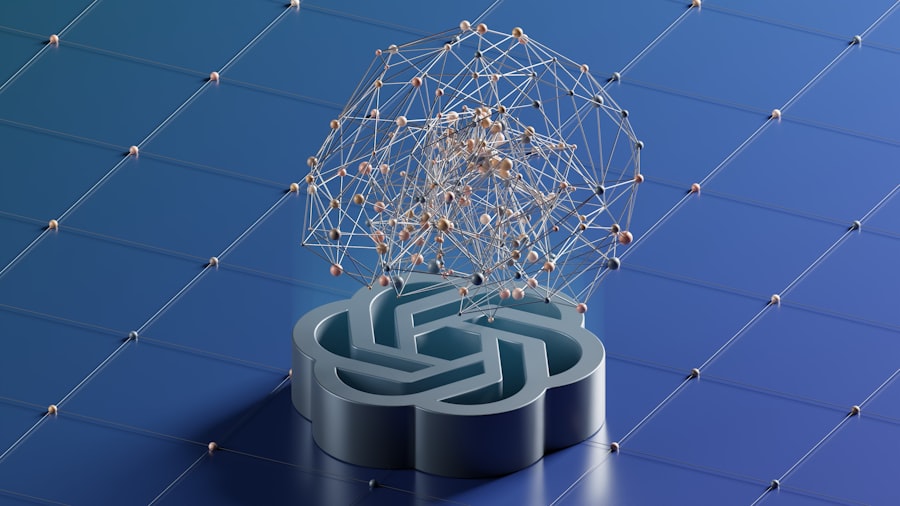
Looking ahead, the future of decentralised intelligence appears promising as both blockchain and AI technologies continue to evolve. As scalability solutions for blockchain are developed—such as layer-two protocols—organisations will be better equipped to handle larger datasets without compromising security or efficiency. This advancement will likely accelerate the adoption of decentralised systems across various industries.
Moreover, as regulatory frameworks surrounding blockchain technology become more defined, businesses will gain greater confidence in implementing these solutions. The convergence of AI and blockchain will likely lead to new business models that prioritise decentralisation and collaboration over traditional hierarchical structures. As organisations embrace this shift, we may witness a transformation in how industries operate, fostering innovation while enhancing trust among stakeholders.
Ethical Considerations in AI and Blockchain
As with any technological advancement, the integration of AI and blockchain raises important ethical considerations that must be addressed proactively. One primary concern is data privacy; while blockchain offers enhanced security features, it also raises questions about how personal data is stored and accessed. Ensuring that individuals retain control over their data while benefiting from AI-driven insights will be crucial in maintaining public trust.
Additionally, there are concerns regarding algorithmic bias in AI systems. If not carefully managed, AI models may inadvertently perpetuate existing biases present in training data, leading to unfair outcomes. The transparency provided by blockchain can help mitigate this risk by allowing stakeholders to audit AI algorithms and their decision-making processes.
However, it is essential for organisations to prioritise ethical considerations throughout the development and implementation phases to ensure that decentralised intelligence serves the greater good.
The Impact of Decentralized Intelligence on Society
In conclusion, the rise of decentralised intelligence represents a significant shift in how we approach data management and decision-making across various sectors. The integration of blockchain technology with artificial intelligence offers numerous benefits, including enhanced security, transparency, and operational efficiency. However, challenges such as scalability and interoperability must be addressed to fully realise the potential of these technologies.
As we move forward into an era characterised by decentralisation, it is imperative that ethical considerations remain at the forefront of discussions surrounding AI and blockchain integration. By prioritising transparency and accountability while fostering innovation, we can harness the power of decentralised intelligence to create a more equitable society. Ultimately, the impact of these technologies will extend far beyond individual organisations; they have the potential to reshape industries and redefine our relationship with data in profound ways.
In a recent article titled The Intersection of AI and Blockchain: Decentralized Intelligence, the discussion on the integration of artificial intelligence and blockchain technology is explored in depth. This article delves into how these two cutting-edge technologies can work together to create decentralized intelligence, revolutionizing various industries. It highlights the potential benefits and challenges of this intersection, shedding light on the future possibilities it holds.
FAQs
What is AI?
AI stands for artificial intelligence, which refers to the simulation of human intelligence in machines that are programmed to think and learn like humans.
What is Blockchain?
Blockchain is a distributed ledger technology that securely records and verifies transactions across a network of computers. It is the underlying technology behind cryptocurrencies like Bitcoin.
What is the intersection of AI and Blockchain?
The intersection of AI and Blockchain refers to the integration of artificial intelligence and blockchain technology to create decentralized intelligence. This combination allows for the development of AI algorithms and models that are secure, transparent, and resistant to tampering.
How does AI benefit from Blockchain?
AI benefits from Blockchain by gaining access to secure and transparent data sources. Blockchain provides a tamper-proof and auditable record of data, which can be used to train AI models and improve their accuracy and reliability.
How does Blockchain benefit from AI?
Blockchain benefits from AI by leveraging machine learning algorithms to enhance its security and efficiency. AI can be used to detect and prevent fraudulent activities, optimize consensus mechanisms, and improve the overall performance of blockchain networks.
What are some use cases of the intersection of AI and Blockchain?
Some use cases of the intersection of AI and Blockchain include decentralized AI marketplaces, AI-powered smart contracts, secure and transparent data marketplaces, and AI-driven consensus mechanisms for blockchain networks.
What are the challenges of integrating AI and Blockchain?
Challenges of integrating AI and Blockchain include scalability issues, interoperability between different AI and blockchain platforms, regulatory concerns, and the need for robust security measures to protect sensitive AI and blockchain data.


