

Urban resilience refers to the capacity of cities to absorb, recover from, and adapt to various shocks and stresses, whether they stem from natural disasters, economic fluctuations, or social upheavals. As urban areas continue to grow and evolve, the need for resilience becomes increasingly critical. The integration of technology into urban resilience strategies has emerged as a pivotal factor in enhancing the ability of cities to withstand and recover from adverse events.
This intersection of urban resilience and technology not only facilitates immediate responses to crises but also fosters long-term sustainability and adaptability. The role of technology in urban resilience encompasses a wide array of tools and systems, ranging from data collection and analysis to the implementation of smart infrastructure. By leveraging advancements in technology, cities can improve their preparedness for emergencies, streamline recovery processes, and promote sustainable development.
As urban populations swell and climate change intensifies, the urgency for innovative solutions becomes paramount. This article will explore the historical context of technology’s role in urban resilience, examine case studies of successful technological innovations, and discuss the challenges and opportunities that arise from integrating technology into urban resilience strategies. Have you read the latest blog post on artificial intelligence?
Summary
- Urban resilience and technology go hand in hand, with technological innovations playing a crucial role in enhancing the ability of cities to withstand and recover from various challenges and disruptions.
- Throughout history, technology has been instrumental in improving urban resilience, from the development of early warning systems to the use of advanced materials in infrastructure.
- Case studies of technological innovations in urban resilience, such as the use of sensor networks for early detection of natural disasters, demonstrate the tangible benefits of integrating technology into city planning and management.
- Digitalisation and the concept of smart cities have significantly impacted urban resilience, offering opportunities for more efficient resource management and improved emergency response.
- While integrating technology into urban resilience strategies presents challenges, such as data privacy concerns and digital divide issues, it also offers opportunities for collaboration, innovation, and improved decision-making processes.
Historical Perspective on the Role of Technology in Urban Resilience
Communication Technologies and Emergency Response
In the 20th century, the advent of communication technologies transformed how cities respond to crises. The establishment of emergency response systems, such as radio communication networks, allowed for quicker dissemination of information during disasters. As cities faced increasing threats from natural disasters, such as hurricanes and earthquakes, the integration of technology into urban planning became more pronounced.
Computer Modelling and Simulation Tools
The development of computer modelling and simulation tools enabled urban planners to assess vulnerabilities and devise strategies to enhance resilience. This allowed for a more proactive approach to urban planning, rather than simply reacting to crises as they occurred.
A Historical Trajectory of Innovation
This historical trajectory underscores the evolving relationship between technology and urban resilience, highlighting how past innovations have laid the groundwork for contemporary approaches. By understanding the role of technology in shaping urban environments, cities can continue to develop and implement innovative solutions to enhance their resilience against environmental and social challenges.
Case Studies of Technological Innovations in Urban Resilience
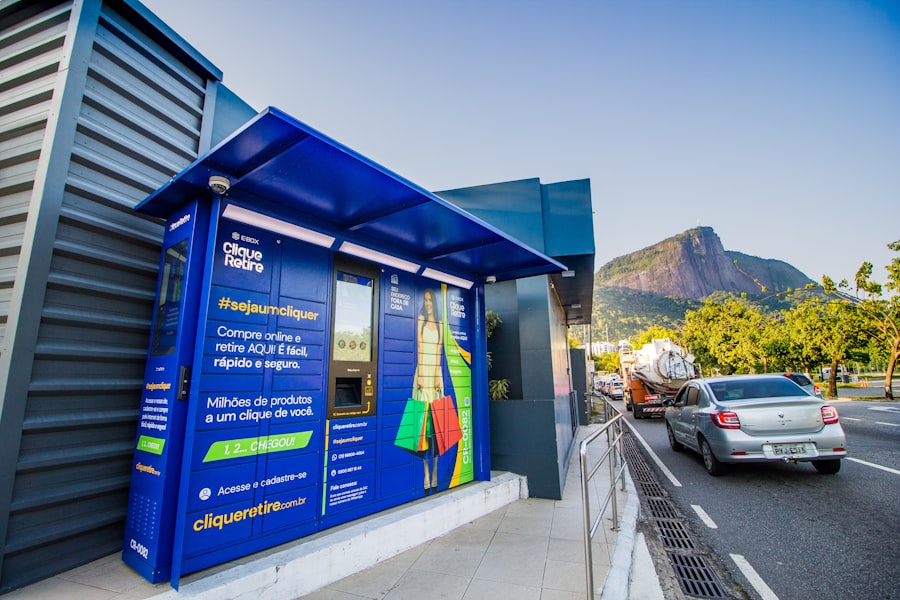
Several cities around the world have successfully implemented technological innovations to bolster their resilience against various challenges. One notable example is Rotterdam in the Netherlands, which has embraced a comprehensive approach to flood management through advanced engineering solutions and smart technologies. The city has developed a series of innovative water management systems, including floating buildings and green roofs that absorb rainwater.
These initiatives not only mitigate flooding risks but also enhance urban biodiversity and improve residents’ quality of life. Another compelling case is Singapore, which has integrated technology into its urban planning through the Smart Nation initiative. This programme leverages data analytics and Internet of Things (IoT) devices to monitor environmental conditions and optimise resource management.
For instance, Singapore’s extensive network of sensors collects real-time data on air quality, traffic patterns, and energy consumption. This information enables city officials to make informed decisions that enhance resilience while promoting sustainability. By fostering a culture of innovation and collaboration among stakeholders, Singapore exemplifies how technological advancements can be harnessed to create resilient urban environments.
The Impact of Digitalisation and Smart Cities on Urban Resilience
| Metrics | Data |
|---|---|
| Percentage of urban population with access to digital services | 75% |
| Number of smart city initiatives implemented | 50 |
| Reduction in energy consumption due to smart city technologies | 20% |
| Improvement in emergency response time with digitalisation | 30% |
| Percentage increase in citizen engagement through digital platforms | 40% |
The rise of digitalisation has fundamentally transformed the landscape of urban resilience. Smart cities, characterised by their use of digital technologies to enhance urban living, are at the forefront of this transformation. By integrating data-driven solutions into city management, smart cities can respond more effectively to challenges such as climate change, population growth, and resource scarcity.
The utilisation of sensors, data analytics, and machine learning algorithms allows for real-time monitoring and predictive modelling, enabling cities to anticipate potential crises before they escalate. Moreover, digitalisation fosters greater citizen engagement in urban resilience efforts. Through mobile applications and online platforms, residents can report issues, access information about emergency services, and participate in decision-making processes.
This participatory approach not only empowers citizens but also enhances the overall effectiveness of resilience strategies. As cities continue to embrace digitalisation, the potential for improved collaboration between government agencies, private sector stakeholders, and local communities becomes increasingly evident.
Challenges and Opportunities in Integrating Technology into Urban Resilience Strategies
While the integration of technology into urban resilience strategies presents numerous opportunities, it also poses significant challenges that must be addressed. One major concern is the digital divide; disparities in access to technology can exacerbate existing inequalities within urban populations. Vulnerable communities may lack the resources or skills necessary to engage with digital tools effectively, leading to exclusion from critical resilience initiatives.
Ensuring equitable access to technology is essential for fostering inclusive urban resilience. Additionally, the rapid pace of technological advancement can create difficulties in keeping up with emerging trends and innovations. Cities may struggle to implement new technologies effectively due to budget constraints or a lack of technical expertise among staff.
Furthermore, concerns regarding data privacy and security must be carefully managed as cities increasingly rely on data-driven solutions. Striking a balance between leveraging technology for resilience while safeguarding citizens’ rights is crucial for building trust in these initiatives.
The Role of Data Analytics and Predictive Modelling in Urban Resilience

Enhancing Urban Planning
Predictive modelling allows urban planners to simulate different scenarios and assess potential impacts on infrastructure, public health, and social dynamics.
Proactive Measures
For example, cities can use predictive analytics to forecast the effects of extreme weather events on transportation systems or public services. This information enables proactive measures to be taken, such as reinforcing infrastructure or implementing evacuation plans ahead of time. Moreover, data analytics can facilitate better resource allocation during emergencies by identifying areas most at risk or in need of assistance.
Improved Decision-Making
As cities continue to embrace data-driven approaches, the potential for enhanced decision-making and improved outcomes in urban resilience becomes increasingly apparent.
Future Trends and Developments in Technology for Urban Resilience
Looking ahead, several trends are likely to shape the future of technology in urban resilience. One significant development is the increasing emphasis on sustainability and climate adaptation within urban planning frameworks. As cities grapple with the impacts of climate change, technologies that promote energy efficiency, waste reduction, and sustainable transportation will become essential components of resilience strategies.
Additionally, advancements in artificial intelligence (AI) and machine learning are expected to revolutionise how cities approach resilience planning. These technologies can analyse complex datasets more efficiently than traditional methods, providing deeper insights into urban dynamics and enabling more accurate predictions of future challenges. Furthermore, as public awareness of climate issues grows, there will likely be greater demand for transparency in how cities utilise technology for resilience purposes.
Collaboration among stakeholders will also play a crucial role in shaping future developments in this field. Partnerships between government agencies, private companies, academic institutions, and community organisations will be vital for fostering innovation and ensuring that technological solutions are tailored to meet local needs.
The Importance of Technology in Building Resilient Cities
In conclusion, technology plays an indispensable role in enhancing urban resilience by providing innovative solutions that address complex challenges faced by cities today. From historical advancements that laid the groundwork for modern infrastructure to contemporary applications that leverage data analytics and smart technologies, the evolution of technology has significantly shaped how cities prepare for and respond to crises. As urban areas continue to grow amidst increasing uncertainties related to climate change and socio-economic pressures, the integration of technology into resilience strategies will be paramount.
While challenges such as equity concerns and data privacy must be navigated carefully, the opportunities presented by technological advancements are vast. By embracing a collaborative approach that prioritises inclusivity and sustainability, cities can harness technology’s potential to build resilient communities capable of thriving in an ever-changing world.
In a recent article on hackers exploiting VMware Horizon to target South Korea with Nukesped backdoor, the importance of cybersecurity in the digital age is highlighted. This article sheds light on the vulnerabilities that exist in technology systems and the potential risks they pose to urban resilience. As cities become more reliant on technology for their infrastructure and services, it is crucial to address these security concerns to ensure the safety and resilience of urban environments. The role of technology in urban resilience cannot be understated, but it must be accompanied by robust cybersecurity measures to protect against potential threats.
FAQs
What is urban resilience?
Urban resilience refers to the ability of a city to withstand and recover from various shocks and stresses, such as natural disasters, economic downturns, and social unrest. It involves the capacity of a city to adapt and transform in the face of challenges, while maintaining essential functions and services for its residents.
How does technology contribute to urban resilience?
Technology plays a crucial role in enhancing urban resilience by providing tools and solutions for better disaster preparedness, response, and recovery. It enables cities to improve infrastructure, communication, data analysis, and decision-making processes, ultimately increasing their ability to withstand and bounce back from disruptions.
What are some examples of technology used for urban resilience?
Examples of technology used for urban resilience include early warning systems for natural disasters, smart infrastructure for energy and water management, data analytics for risk assessment and planning, communication platforms for emergency response, and innovative building materials for increased resilience to extreme weather events.
How can technology help in building more sustainable and resilient cities?
Technology can help in building more sustainable and resilient cities by promoting efficient resource management, reducing environmental impact, enhancing public safety and security, and fostering community engagement and collaboration. It can also support the development of smart and interconnected urban systems that are better equipped to withstand and recover from various challenges.


