
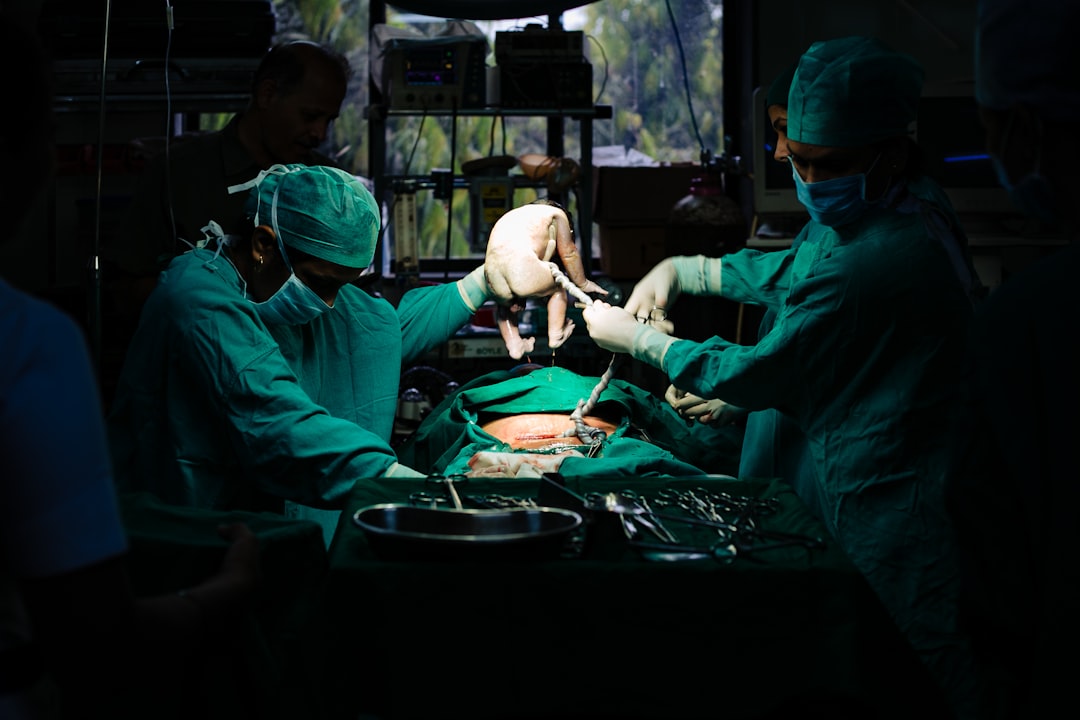
The field of medicine has witnessed remarkable transformations over the past few decades, with advanced robotics emerging as a pivotal force in enhancing patient care and surgical precision. Advanced robotics in medicine encompasses a range of technologies that integrate mechanical systems, artificial intelligence, and sophisticated software to assist healthcare professionals in various capacities. This integration not only improves the efficiency of medical procedures but also enhances the overall quality of care provided to patients.
As the healthcare landscape continues to evolve, the role of robotics is becoming increasingly significant, offering innovative solutions to complex medical challenges. The advent of advanced robotics has been driven by the need for improved accuracy, reduced recovery times, and enhanced patient outcomes. From robotic-assisted surgeries to rehabilitation devices, these technologies are reshaping traditional medical practices.
The ongoing research and development in this field promise to revolutionise how healthcare is delivered, making it imperative for medical professionals and institutions to stay abreast of these advancements. As we delve deeper into the current applications and future prospects of robotics in medicine, it becomes evident that this technology is not merely a trend but a fundamental shift in the approach to healthcare. Have you read the latest blog post on artificial intelligence?
Summary
- Advanced robotics in medicine is revolutionizing the way healthcare is delivered, offering precision, efficiency, and improved patient outcomes.
- Current applications of advanced robotics in medicine include surgical procedures, minimally invasive interventions, and rehabilitation and physical therapy.
- Advancements in surgical robotics have led to increased precision, reduced invasiveness, and shorter recovery times for patients.
- Robotics plays a crucial role in minimally invasive procedures, allowing for smaller incisions, less trauma to the body, and faster recovery.
- Robotics in rehabilitation and physical therapy are enhancing patient recovery through tailored exercises, real-time feedback, and improved mobility.
Current Applications of Advanced Robotics in Medicine
Advanced robotics is currently employed across various domains within the medical field, demonstrating its versatility and effectiveness. One of the most prominent applications is in surgical procedures, where robotic systems assist surgeons in performing complex operations with enhanced precision. For instance, robotic surgical systems such as the da Vinci Surgical System allow for minimally invasive surgeries, enabling surgeons to operate through small incisions with greater control and dexterity.
This not only reduces the risk of complications but also shortens recovery times for patients, leading to improved overall outcomes. In addition to surgical applications, robotics is also making significant strides in diagnostics and patient monitoring. Robotic systems equipped with advanced imaging technologies can assist in the early detection of diseases by providing high-resolution images and analyses that are often beyond human capability.
Furthermore, robotic devices are being utilised in rehabilitation settings, where they aid in the recovery process for patients with mobility impairments. These applications highlight the multifaceted role of robotics in medicine, showcasing its potential to enhance both clinical practices and patient experiences.
Advancements in Surgical Robotics
The field of surgical robotics has seen substantial advancements that have transformed the landscape of surgical procedures. One notable development is the evolution of robotic arms that offer unparalleled precision and flexibility. These robotic systems are designed to mimic the movements of a surgeon’s hands while eliminating tremors and enhancing stability during operations.
This level of precision is particularly beneficial in delicate procedures such as neurosurgery or cardiac surgery, where even the slightest error can have significant consequences. Moreover, advancements in haptic feedback technology have further improved the capabilities of surgical robots. Surgeons can now receive tactile sensations through robotic instruments, allowing them to feel the texture and resistance of tissues during surgery.
This feedback mechanism enhances their ability to make informed decisions in real-time, ultimately leading to better surgical outcomes. As research continues to push the boundaries of what is possible with surgical robotics, we can expect even more innovative solutions that will redefine surgical practices and improve patient safety.
The Role of Robotics in Minimally Invasive Procedures
| Metrics | Data |
|---|---|
| Reduction in incision size | Up to 90% smaller incisions compared to traditional surgery |
| Accuracy of procedures | Robotic systems offer precision within millimetres |
| Recovery time | Shorter recovery time for patients |
| Length of hospital stay | Shorter hospital stays for patients undergoing robotic procedures |
| Cost-effectiveness | Potential cost savings due to reduced hospital stays and faster recovery |
Minimally invasive procedures have gained popularity due to their numerous advantages over traditional open surgeries. Robotics plays a crucial role in facilitating these procedures by providing surgeons with enhanced tools that allow for greater precision and control. Robotic-assisted systems enable surgeons to perform complex tasks through small incisions, significantly reducing trauma to surrounding tissues and organs.
This approach not only minimises postoperative pain but also leads to shorter hospital stays and quicker recoveries for patients. The benefits of minimally invasive robotic surgery extend beyond physical recovery; they also contribute to improved patient satisfaction. Patients often experience less scarring and a lower risk of infection compared to conventional surgeries.
Additionally, the ability to perform surgeries with greater accuracy can lead to better long-term outcomes, as complications are less likely to arise. As technology continues to advance, we can anticipate further enhancements in robotic systems that will expand the possibilities for minimally invasive procedures across various medical specialties.
Robotics in Rehabilitation and Physical Therapy
The integration of robotics into rehabilitation and physical therapy has opened new avenues for patient recovery and rehabilitation outcomes. Robotic exoskeletons and assistive devices are being developed to aid individuals with mobility impairments, providing them with support during their rehabilitation journey. These devices can assist patients in regaining strength and coordination while allowing therapists to monitor progress more effectively.
Furthermore, robotic systems can offer personalised therapy regimens tailored to individual patient needs. By utilising data analytics and machine learning algorithms, these systems can adapt exercises based on a patient’s performance and progress, ensuring that therapy remains challenging yet achievable. This level of customisation not only enhances patient engagement but also optimises recovery times.
As research continues to explore the potential of robotics in rehabilitation, we can expect significant advancements that will further improve the quality of care for patients recovering from injuries or surgeries.
The Integration of Artificial Intelligence in Medical Robotics

Enhanced Surgical Capabilities
For instance, AI can assist surgeons by providing real-time analytics on patient vitals or suggesting optimal surgical approaches based on historical data.
Improved Diagnostic Accuracy
Moreover, AI-powered robotic systems can enhance diagnostic accuracy by analysing vast amounts of medical data and identifying patterns that may not be immediately apparent to human practitioners. This capability is particularly valuable in fields such as radiology, where AI algorithms can assist radiologists in detecting anomalies in imaging studies with remarkable precision.
Towards Better Patient Outcomes
The synergy between AI and robotics is paving the way for more efficient and effective healthcare delivery, ultimately leading to better patient outcomes.
Ethical and Regulatory Considerations in Advanced Robotics in Medicine
As advanced robotics continues to permeate the medical field, ethical and regulatory considerations become paramount. The deployment of robotic systems raises questions about accountability, particularly when it comes to surgical errors or complications arising from robotic-assisted procedures. Determining liability in such cases can be complex, necessitating clear guidelines that delineate the responsibilities of healthcare providers and manufacturers.
Additionally, patient privacy concerns must be addressed as robotic systems increasingly collect and analyse sensitive health data. Ensuring that robust data protection measures are in place is essential to maintain patient trust and comply with regulatory standards. Furthermore, as AI becomes more integrated into medical robotics, ethical considerations surrounding algorithmic bias and transparency must be carefully examined.
Establishing comprehensive regulatory frameworks will be crucial in guiding the responsible development and implementation of advanced robotics in medicine.
Future Prospects and Challenges in the Field of Medical Robotics
The future of medical robotics holds immense promise, with ongoing research poised to unlock new possibilities for patient care and treatment methodologies. Innovations such as soft robotics, which utilise flexible materials to create adaptable devices, could revolutionise how surgeries are performed by allowing for greater manoeuvrability within the human body. Additionally, advancements in telemedicine combined with robotic technologies may enable remote surgeries, expanding access to specialised care for patients in underserved areas.
However, challenges remain that must be addressed for the successful integration of robotics into mainstream medical practice. High costs associated with robotic systems can limit accessibility for many healthcare facilities, particularly those operating on tight budgets. Furthermore, ongoing training and education for healthcare professionals are essential to ensure they are equipped to utilise these advanced technologies effectively.
In conclusion, while advanced robotics presents exciting opportunities for enhancing medical practices and improving patient outcomes, it is imperative that stakeholders work collaboratively to navigate the associated challenges. By fostering innovation while prioritising ethical considerations and regulatory compliance, the medical community can harness the full potential of robotics to transform healthcare delivery for future generations.
The article “Nvidia Announces New DGX Superpod: The First Cloud-Native Multi-Client Supercomputer” discusses the latest advancements in computing technology that could potentially revolutionize the field of robotics in medicine. With the development of powerful supercomputers like the DGX Superpod, researchers and engineers will have access to unprecedented computing power to further enhance the capabilities of advanced robotics in healthcare. This article highlights the importance of cutting-edge technology in driving innovation and progress in the medical field. To read more about this exciting development, click here.
FAQs
What is advanced robotics in medicine?
Advanced robotics in medicine refers to the use of highly sophisticated robotic systems and technology in the field of healthcare and medicine. These systems are designed to assist in surgical procedures, rehabilitation, patient care, and other medical applications.
How are advanced robotics used in medicine?
Advanced robotics are used in medicine for a variety of purposes, including minimally invasive surgery, precision-guided procedures, rehabilitation therapy, and telemedicine. These robotic systems are designed to improve the accuracy, efficiency, and outcomes of medical treatments.
What are the benefits of advanced robotics in medicine?
The use of advanced robotics in medicine offers several benefits, including improved precision in surgical procedures, reduced recovery times for patients, enhanced dexterity and control for surgeons, and the ability to perform complex tasks that may be challenging for human hands.
What are some examples of advanced robotics in medicine?
Examples of advanced robotics in medicine include surgical robots, exoskeletons for rehabilitation, robotic prosthetics, telemedicine robots for remote patient care, and robotic systems for drug delivery and laboratory automation.
What is the future of advanced robotics in medicine?
The future of advanced robotics in medicine is expected to involve further advancements in robotic technology, including the development of more intelligent and autonomous systems, enhanced integration with artificial intelligence and machine learning, and the expansion of robotic applications in areas such as diagnostics, personalised medicine, and home healthcare.


