
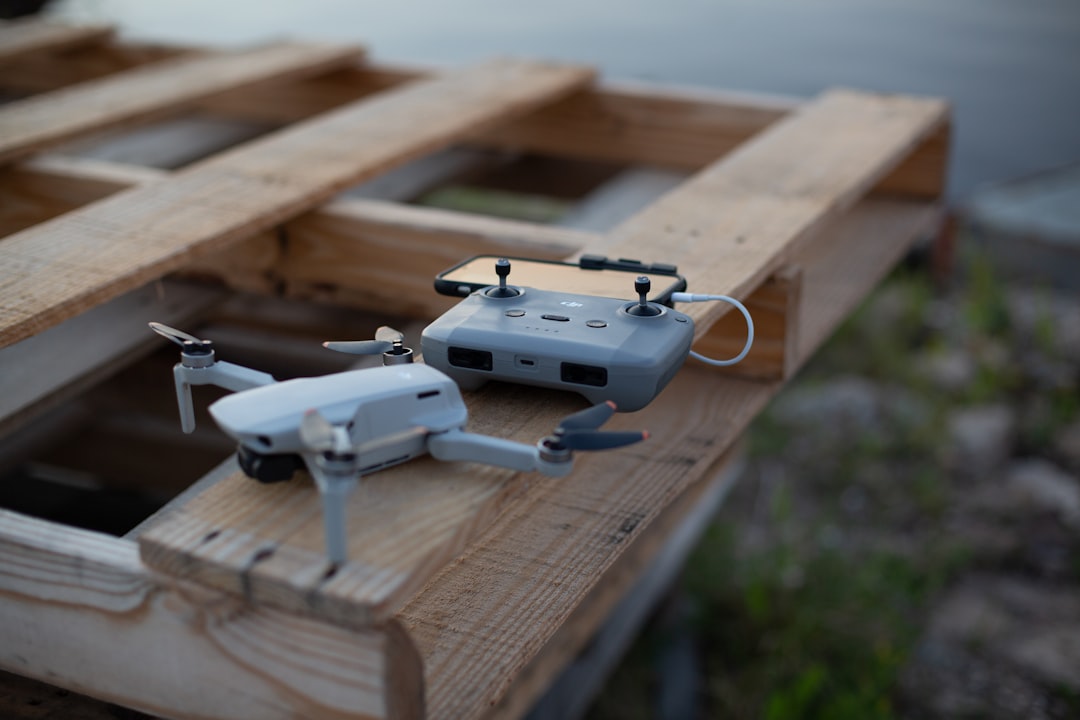
Precision agriculture has emerged as a transformative approach within the farming sector, driven by the need for increased efficiency and sustainability. This method leverages advanced technologies to monitor and manage field variability in crops, allowing farmers to optimise their inputs and maximise yields. The rise of precision agriculture can be attributed to several factors, including the growing global population, which necessitates higher food production, and the increasing pressure on natural resources.
Farmers are now more than ever required to produce more with less, making precision agriculture an attractive solution. The adoption of precision agriculture techniques has been facilitated by the availability of sophisticated tools such as GPS technology, remote sensing, and data analytics. These innovations enable farmers to gather detailed information about their fields, including soil health, moisture levels, and crop conditions.
By analysing this data, farmers can make informed decisions regarding planting schedules, fertilisation, and irrigation practices. As a result, precision agriculture not only enhances productivity but also contributes to environmental sustainability by minimising waste and reducing the overuse of chemicals. Have you read the latest blog post on artificial intelligence?
Summary
- Precision agriculture is on the rise, allowing farmers to make data-driven decisions and optimize their resources.
- Drones have revolutionized farming by providing real-time aerial imagery for crop monitoring and management.
- Artificial intelligence plays a crucial role in crop management, from predicting yields to identifying plant diseases.
- Advancements in farm machinery and robotics have increased efficiency and productivity in agricultural practices.
- Big data is influencing agricultural practices by providing valuable insights for better decision-making and resource management.
The Impact of Drones in Farming
Drones have revolutionised the agricultural landscape by providing farmers with unprecedented aerial insights into their fields. Equipped with high-resolution cameras and sensors, these unmanned aerial vehicles (UAVs) can capture detailed images and data that are invaluable for crop monitoring and management. The ability to survey large areas quickly and efficiently allows farmers to identify issues such as pest infestations, nutrient deficiencies, and water stress before they escalate into significant problems.
Moreover, drones facilitate precision agriculture by enabling targeted interventions. For instance, farmers can use drone technology to apply pesticides or fertilisers precisely where needed, rather than uniformly across an entire field. This targeted approach not only reduces input costs but also mitigates the environmental impact associated with chemical applications.
As drone technology continues to advance, its integration into farming practices is expected to become even more sophisticated, further enhancing productivity and sustainability in agriculture.
The Role of Artificial Intelligence in Crop Management
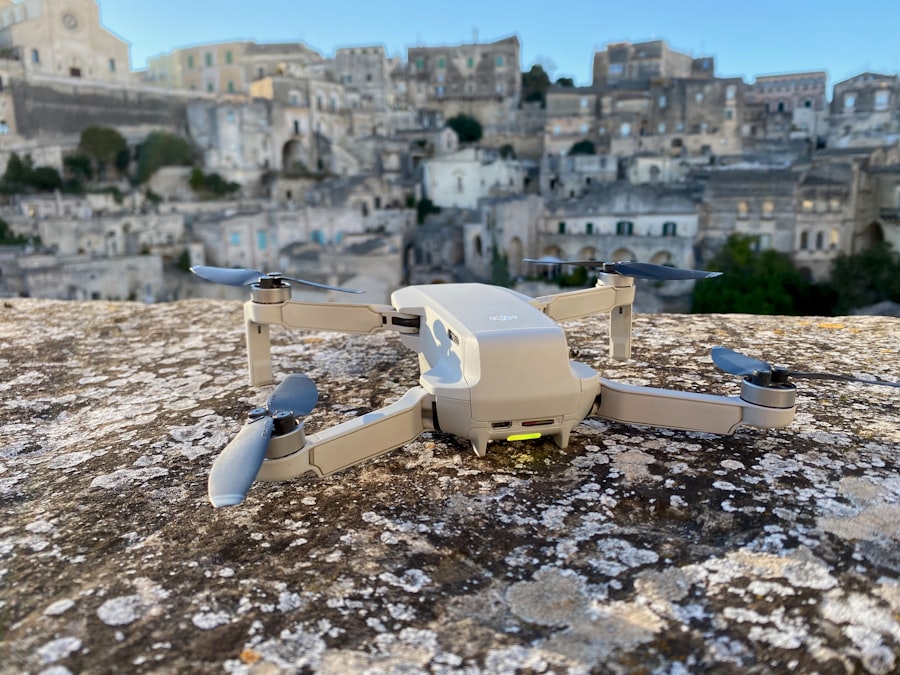
Artificial intelligence (AI) is playing an increasingly pivotal role in crop management, offering farmers innovative solutions to complex agricultural challenges. By harnessing machine learning algorithms and predictive analytics, AI can process vast amounts of data from various sources, including weather patterns, soil conditions, and crop health indicators. This capability allows for more accurate forecasting and decision-making, ultimately leading to improved crop yields and resource management.
AI-driven tools can assist farmers in various aspects of crop management, from planting to harvesting. For example, AI can analyse historical data to recommend optimal planting times and crop varieties based on specific environmental conditions. Additionally, AI systems can monitor crops in real-time, providing alerts for potential diseases or pest outbreaks.
By integrating AI into their operations, farmers can enhance their productivity while also reducing waste and minimising their environmental footprint.
Advancements in Farm Machinery and Robotics
| Advancements | Farm Machinery | Robotics |
|---|---|---|
| Increased Efficiency | Improved fuel consumption | Autonomous operation |
| Precision Agriculture | GPS-guided equipment | Smart sensors for data collection |
| Sustainability | Reduced environmental impact | Optimised resource usage |
| Labour Saving | Automated planting and harvesting | Robotic weed control |
The evolution of farm machinery and robotics has significantly transformed agricultural practices, making them more efficient and less labour-intensive. Modern tractors and harvesters are now equipped with advanced technologies that enable them to perform tasks with remarkable precision. Features such as automated steering systems and variable rate application capabilities allow for more efficient use of resources while reducing operational costs.
Robotics is also making strides in agriculture through the development of autonomous machines capable of performing various tasks such as planting, weeding, and harvesting. These robots can operate around the clock, increasing productivity while alleviating the labour shortages that many farms face today. Furthermore, advancements in robotic technology are enabling the development of smaller, more agile machines that can navigate fields with minimal disruption to crops.
As these technologies continue to advance, they promise to reshape the future of farming by enhancing efficiency and sustainability.
The Influence of Big Data in Agricultural Practices
Big data has become a cornerstone of modern agricultural practices, providing farmers with insights that were previously unattainable. The collection and analysis of large datasets from various sources—such as weather stations, satellite imagery, and soil sensors—allow farmers to make data-driven decisions that enhance productivity and sustainability. By leveraging big data analytics, farmers can identify trends and patterns that inform their strategies for crop management.
The influence of big data extends beyond individual farms; it also plays a crucial role in shaping agricultural policies and practices on a broader scale. Governments and agricultural organisations can utilise aggregated data to develop strategies that address food security challenges and promote sustainable farming practices. As the agricultural sector continues to embrace big data technologies, the potential for improved efficiency and environmental stewardship will only increase.
The Integration of IoT in Farming
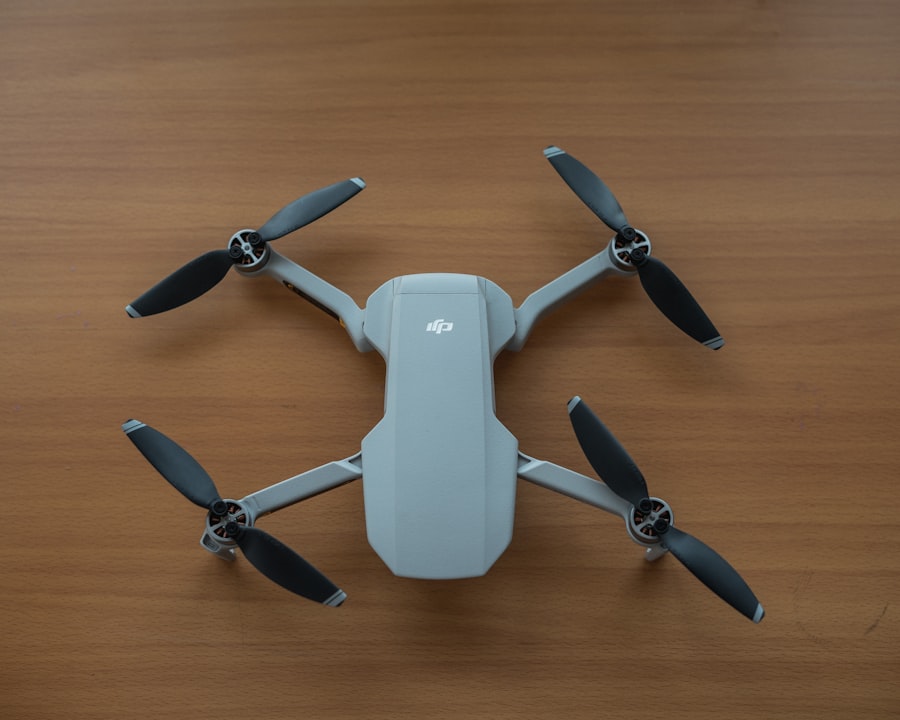
The Internet of Things (IoT) is revolutionising agriculture by connecting devices and systems that facilitate real-time monitoring and management of farming operations. IoT-enabled sensors can be deployed throughout fields to collect data on soil moisture levels, temperature, humidity, and other critical factors affecting crop growth. This connectivity allows farmers to access valuable information remotely, enabling them to make timely decisions that optimise resource use.
Furthermore, IoT technology enhances precision agriculture by enabling automated irrigation systems that adjust water delivery based on real-time soil moisture readings. This not only conserves water but also ensures that crops receive the optimal amount of moisture for growth. As IoT continues to evolve, its integration into farming practices is expected to expand further, leading to smarter and more efficient agricultural systems.
The Future of Vertical Farming
Vertical farming represents a promising solution to the challenges posed by urbanisation and limited arable land. By growing crops in vertically stacked layers within controlled environments, vertical farms can produce food in urban areas where traditional farming is not feasible. This innovative approach not only maximises space but also reduces the need for pesticides and herbicides due to the controlled conditions in which crops are grown.
The future of vertical farming is bright as advancements in technology continue to enhance its viability. Innovations such as LED lighting systems that mimic natural sunlight and hydroponic or aeroponic growing methods are making it possible to cultivate a wide variety of crops year-round. As urban populations continue to grow, vertical farming could play a crucial role in ensuring food security while minimising the environmental impact associated with traditional agriculture.
Sustainable Agriculture through Technology
The integration of technology into agricultural practices is paving the way for a more sustainable future in farming. By utilising precision agriculture techniques, drones, AI, big data analytics, IoT devices, and advanced machinery, farmers can optimise their operations while minimising their environmental footprint. These technologies enable more efficient use of resources such as water and fertilisers, reducing waste and promoting sustainable practices.
Moreover, technology facilitates better monitoring of environmental impacts associated with farming activities. For instance, data collected from various sources can help farmers understand how their practices affect soil health and biodiversity. This awareness allows for more informed decision-making that prioritises sustainability alongside productivity.
As the agricultural sector continues to embrace technological advancements, the potential for achieving sustainable agriculture will only grow stronger, ensuring that future generations have access to healthy food produced in harmony with the environment.
In a recent article on smart agriculture technology, the importance of data security in the agricultural sector was highlighted. The article discusses the need for farmers to change their cPanel passwords regularly to protect sensitive information and prevent cyber attacks. To learn more about securing data in agriculture, you can read the full article here.
FAQs
What is smart agriculture?
Smart agriculture, also known as precision agriculture, refers to the use of technology to improve the efficiency and sustainability of agricultural practices. This includes the use of sensors, drones, GPS technology, and data analytics to monitor and manage crops, livestock, and other aspects of farming.
What are the benefits of technology in smart agriculture?
Technology in smart agriculture can lead to increased productivity, reduced resource usage, improved decision-making, and better environmental sustainability. It can also help farmers to monitor and manage their operations more effectively, leading to higher yields and better quality produce.
What are some examples of technology used in smart agriculture?
Examples of technology used in smart agriculture include precision irrigation systems, automated machinery, satellite imaging, weather monitoring systems, and livestock monitoring sensors. These technologies can help farmers to monitor and manage their operations more effectively, leading to higher yields and better quality produce.
How does technology in smart agriculture contribute to sustainability?
Technology in smart agriculture can contribute to sustainability by enabling farmers to use resources more efficiently, reduce waste, and minimise the environmental impact of their operations. For example, precision irrigation systems can help to conserve water, while data analytics can help farmers to optimise their use of fertilisers and pesticides.
What are the challenges of implementing technology in smart agriculture?
Challenges of implementing technology in smart agriculture include the high initial cost of investment, the need for technical expertise, and the potential for data privacy and security concerns. Additionally, some farmers may face challenges in accessing reliable internet connectivity in rural areas.


