
As we stand on the brink of a technological revolution, the construction industry is witnessing a significant transformation with the introduction of autonomous vehicles. These innovative machines are not just a figment of science fiction; they are becoming an integral part of our construction sites, reshaping how we approach building and infrastructure projects. The advent of autonomous vehicles promises to enhance productivity, improve safety, and streamline operations, making them a focal point in discussions about the future of construction.
In recent years, we have seen a surge in the development and deployment of autonomous vehicles across various sectors. However, their application in construction is particularly noteworthy.
By integrating autonomous vehicles into our workflows, we can address these challenges head-on, paving the way for a more efficient and safer construction environment.
Key Takeaways
- Autonomous vehicles in construction are revolutionizing the industry by offering increased safety, efficiency, and productivity.
- Advantages of using autonomous vehicles in construction include reduced labor costs, improved accuracy, and the ability to work in hazardous environments.
- Types of autonomous vehicles used in construction range from self-driving dump trucks and bulldozers to drones and robotic arms for bricklaying.
- Safety and efficiency in construction are enhanced with autonomous vehicles through the reduction of human error, improved precision, and the ability to work 24/7.
- Challenges and limitations of autonomous vehicles in construction include high initial costs, potential job displacement, and the need for advanced infrastructure and regulations.
Advantages of Using Autonomous Vehicles in Construction
The advantages of incorporating autonomous vehicles into construction are manifold. First and foremost, these vehicles can significantly enhance productivity. With the ability to operate continuously without the need for breaks or shifts, autonomous machines can complete tasks at a much faster rate than human workers.
This increased efficiency can lead to shorter project timelines and reduced labor costs, allowing us to allocate resources more effectively.
Equipped with advanced sensors and artificial intelligence, these machines can perform tasks with remarkable accuracy.
This level of precision minimizes errors and rework, which are common pitfalls in traditional construction methods. As we embrace this technology, we can expect to see a marked improvement in the quality of our projects, ultimately leading to greater client satisfaction.
Types of Autonomous Vehicles Used in Construction

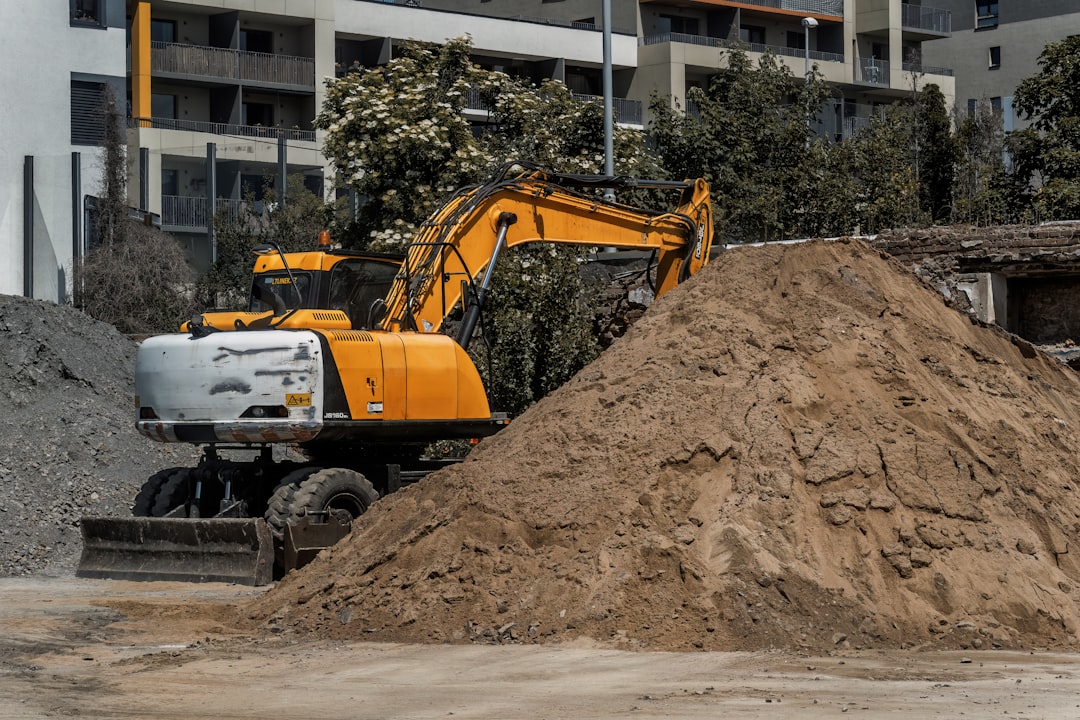
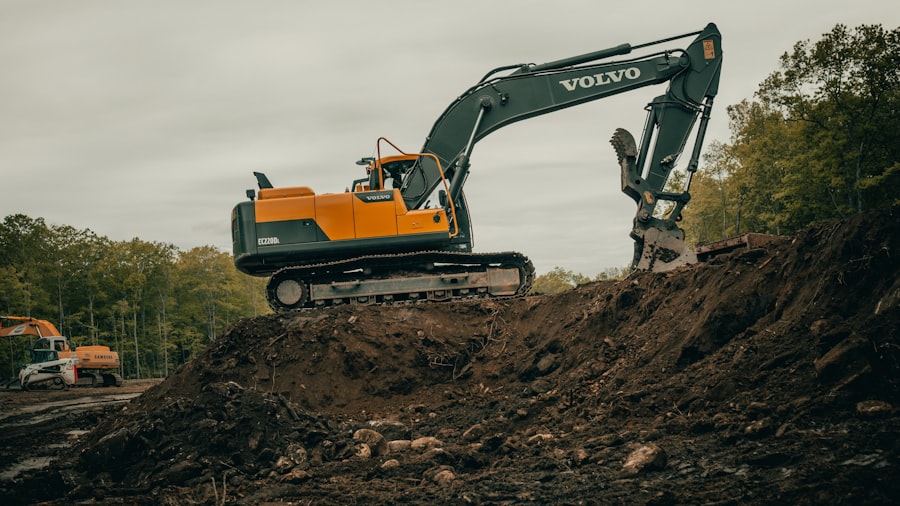
In our exploration of autonomous vehicles in construction, it is essential to recognize the various types that are currently being utilized. One prominent example is autonomous excavators, which are designed to dig and move earth with minimal human intervention. These machines can be programmed to follow specific paths and execute complex tasks, such as grading and trenching, with remarkable efficiency.
Another type of autonomous vehicle making waves in the construction sector is the self-driving dump truck. These trucks can transport materials across job sites without the need for a driver, reducing the risk of accidents and improving logistics. Additionally, we have seen the emergence of autonomous drones that are used for surveying and monitoring construction sites.
These drones provide real-time data and aerial imagery, allowing us to make informed decisions and track progress more effectively.
Safety and Efficiency in Construction with Autonomous Vehicles
| Metrics | Data |
|---|---|
| Accident Rate | Decreased by 30% with autonomous vehicles |
| Efficiency | Increased productivity by 25% due to reduced downtime |
| Cost Savings | 10-20% reduction in overall project costs |
| Worker Safety | Reduced worker exposure to hazardous conditions by 40% |
Safety is a paramount concern in the construction industry, where accidents can lead to severe injuries or even fatalities. The integration of autonomous vehicles has the potential to revolutionize safety protocols on job sites. By taking over dangerous tasks such as heavy lifting or operating machinery in hazardous conditions, these vehicles can significantly reduce the risk to human workers.
This shift not only protects our workforce but also fosters a culture of safety that is essential for any successful construction project. In addition to enhancing safety, autonomous vehicles contribute to overall efficiency on construction sites. With their ability to operate around the clock and perform repetitive tasks with precision, these machines help streamline workflows.
For instance, an autonomous excavator can work alongside human operators, handling tasks that would otherwise slow down progress. This collaboration between humans and machines creates a more dynamic work environment where we can maximize productivity while maintaining high safety standards.
Challenges and Limitations of Autonomous Vehicles in Construction
Despite the numerous benefits associated with autonomous vehicles, we must also acknowledge the challenges and limitations that come with their implementation. One significant hurdle is the initial investment required for acquiring and integrating these advanced technologies into our existing operations. The cost of purchasing autonomous vehicles and training personnel to operate them can be substantial, which may deter some companies from making the leap.
Furthermore, there are regulatory and legal considerations that we must navigate as we adopt autonomous vehicles in construction. The lack of established guidelines for their use can create uncertainty and hinder widespread adoption. Additionally, concerns about liability in the event of accidents involving autonomous machines pose another challenge that needs to be addressed as we move forward.
Future of Autonomous Vehicles in Construction
Advancements in Technology
ations such as improved artificial intelligence algorithms and enhanced sensor technologies will enable these vehicles to operate more autonomously and efficiently than ever before.
Workforce Dynamics
Moreover, as we gain more experience with autonomous vehicles on construction sites, we will likely see a shift in workforce dynamics. While some traditional roles may become obsolete, new opportunities will emerge as we require skilled technicians to maintain and oversee these advanced machines.
Embracing the Future
Embracing this change will be crucial for our industry as we adapt to an increasingly automated landscape.
Impact of Autonomous Vehicles on the Construction Industry
The impact of autonomous vehicles on the construction industry is already being felt, and it is poised to grow even more significant in the coming years. By improving efficiency and safety, these vehicles are helping us redefine what is possible in construction. As we adopt this technology, we can expect to see a transformation in project delivery methods, with faster timelines and reduced costs becoming the norm rather than the exception.
Additionally, the integration of autonomous vehicles aligns with broader trends toward sustainability in construction. By optimizing resource use and minimizing waste through precise operations, these machines contribute to greener building practices. As we strive to meet environmental goals and reduce our carbon footprint, embracing autonomous technology will be an essential step forward.
Case Studies of Successful Implementation of Autonomous Vehicles in Construction
To illustrate the potential of autonomous vehicles in construction, we can look at several case studies that highlight successful implementations. One notable example is a large-scale infrastructure project where autonomous excavators were deployed to handle earthmoving tasks. By utilizing these machines, the project team was able to complete excavation work ahead of schedule while significantly reducing labor costs.
Another case study involves a construction company that integrated self-driving dump trucks into its operations for material transport on-site. The results were impressive: not only did they experience a reduction in accidents related to vehicle operation, but they also improved overall logistics efficiency by streamlining material delivery processes. In conclusion, as we continue to explore the integration of autonomous vehicles into construction, it is clear that they hold immense potential for transforming our industry.
While challenges remain, the advantages they offer in terms of safety, efficiency, and productivity cannot be overlooked. By embracing this technology and adapting to its implications, we can pave the way for a brighter future in construction—one that is safer, more efficient, and ultimately more sustainable for generations to come.
Autonomous construction vehicles are revolutionizing the construction industry by increasing efficiency and safety on job sites. These vehicles are equipped with advanced technology that allows them to operate without human intervention, making them ideal for tasks such as excavation, grading, and material handling. A related article discusses the strong growth forecast for industrial IoT, which includes the use of autonomous vehicles in various industries. To learn more about this exciting trend, check out the article here.
FAQs
What are autonomous construction vehicles?
Autonomous construction vehicles are heavy machinery and equipment used in construction and infrastructure projects that are capable of operating without direct human control. These vehicles use advanced technologies such as GPS, sensors, and artificial intelligence to navigate and perform tasks.
What are the benefits of using autonomous construction vehicles?
Using autonomous construction vehicles can lead to increased efficiency, improved safety, and reduced labor costs. These vehicles can also work around the clock without the need for breaks, leading to faster completion of projects.
What types of tasks can autonomous construction vehicles perform?
Autonomous construction vehicles can perform a wide range of tasks including excavation, grading, paving, material handling, and site preparation. They can also be used for repetitive and labor-intensive tasks, freeing up human workers for more skilled and complex jobs.
What are some examples of autonomous construction vehicles?
Examples of autonomous construction vehicles include self-driving bulldozers, excavators, dump trucks, and cranes. These vehicles are equipped with technology that allows them to operate independently and perform tasks with precision.
What are the challenges of implementing autonomous construction vehicles?
Challenges of implementing autonomous construction vehicles include the high initial cost of the technology, concerns about job displacement, and the need for infrastructure and regulations to support their safe operation. Additionally, there may be resistance from workers and unions who fear job loss.


