

The integration of artificial intelligence (AI) into military operations marks a significant evolution in the landscape of warfare. As nations increasingly adopt advanced technologies, AI has emerged as a pivotal tool that enhances decision-making, improves operational efficiency, and transforms traditional combat strategies. From autonomous drones to sophisticated data analysis systems, AI is reshaping how conflicts are conducted and managed.
This technological advancement promises to revolutionise military capabilities, offering unprecedented advantages in terms of speed, precision, and resource allocation. However, the deployment of AI in warfare also raises complex questions about its implications for international security and ethical standards. The potential for AI to operate independently in combat scenarios introduces a new dimension to the concept of warfare, challenging existing frameworks of accountability and responsibility.
As military forces around the globe explore the capabilities of AI, it becomes imperative to examine not only the benefits but also the risks associated with its use in armed conflict. This article aims to delve into the multifaceted relationship between AI and warfare, exploring ethical considerations, the impact on civilian safety, and the regulatory landscape that governs these technologies. Have you read the latest blog post on artificial intelligence?
Summary
- AI is increasingly being used in warfare for various purposes, including autonomous weapons and decision-making processes.
- Ethical considerations in the use of AI in warfare are crucial, as they raise questions about responsibility and the impact on civilian casualties.
- Autonomous weapons raise concerns about the concept of responsibility, as it becomes unclear who is accountable for their actions.
- AI has the potential to impact civilian casualties and collateral damage in warfare, raising questions about the ethical implications of its use.
- Transparency and accountability are essential in AI warfare to ensure that decisions and actions are justified and accountable.
Ethical Considerations in the Use of AI in Warfare
The ethical implications of employing AI in warfare are profound and multifaceted. One of the primary concerns revolves around the moral responsibility associated with decisions made by autonomous systems. Unlike human soldiers, AI lacks the capacity for moral judgement and empathy, raising questions about the appropriateness of delegating life-and-death decisions to machines.
The potential for AI to misinterpret data or make erroneous decisions could lead to catastrophic outcomes, including unintended escalation of conflicts or targeting of non-combatants. Moreover, the use of AI in warfare may exacerbate existing ethical dilemmas surrounding just war theory, which emphasises the moral justification for engaging in war and the conduct of warfare itself. The principle of proportionality, which seeks to limit collateral damage and protect civilian lives, becomes increasingly complex when machines are tasked with making tactical decisions.
As military strategies evolve to incorporate AI, it is essential to establish ethical guidelines that govern its use, ensuring that human oversight remains a fundamental component of military operations.
Autonomous Weapons and the Concept of Responsibility
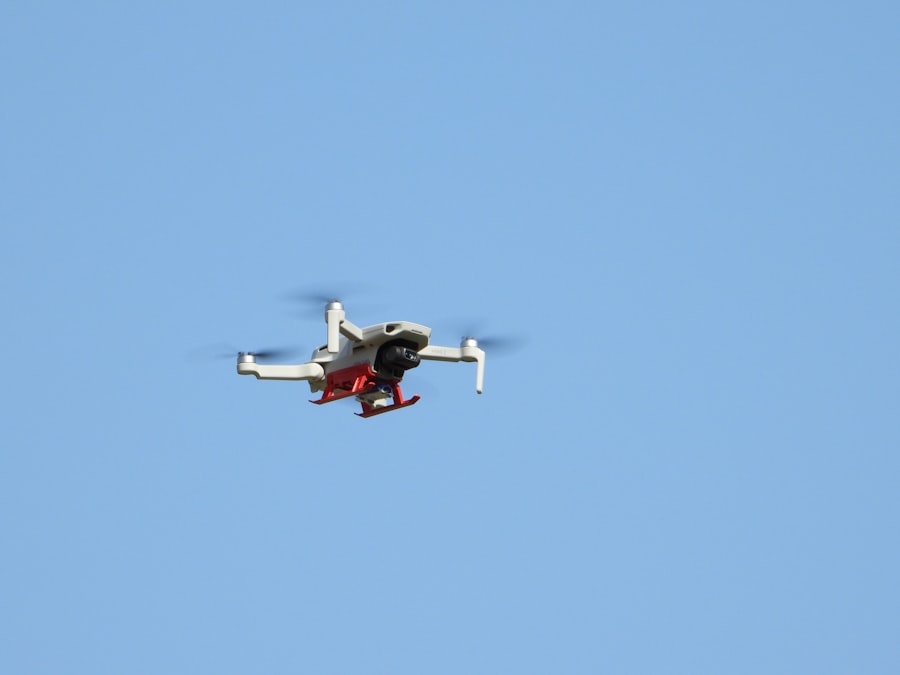
The advent of autonomous weapons systems (AWS) introduces a significant challenge to the traditional understanding of accountability in warfare. These systems are designed to operate without direct human intervention, making decisions based on algorithms and pre-programmed criteria. This shift raises critical questions about who bears responsibility for actions taken by these machines.
In scenarios where an AWS causes harm or violates international law, determining liability becomes a contentious issue. The concept of responsibility in warfare has historically rested with human commanders and soldiers who are accountable for their actions. However, as machines take on more decision-making roles, there is a risk that accountability may become diluted.
This ambiguity could lead to a lack of transparency in military operations and undermine public trust in armed forces. To address these concerns, it is crucial to establish clear legal frameworks that delineate the responsibilities of operators and developers of autonomous systems, ensuring that accountability remains intact even as technology evolves.
The Impact of AI on Civilian Casualties and Collateral Damage
| Year | Civilian Casualties | Collateral Damage |
|---|---|---|
| 2015 | 8,920 | 2,310 |
| 2016 | 7,540 | 1,980 |
| 2017 | 6,210 | 1,450 |
| 2018 | 5,320 | 1,200 |
| 2019 | 4,890 | 1,050 |
One of the most pressing concerns regarding the use of AI in warfare is its potential impact on civilian casualties and collateral damage. While proponents argue that AI can enhance precision targeting and reduce unintended harm, there is also a significant risk that reliance on automated systems may lead to increased civilian suffering. The complexity of urban warfare and the challenges of distinguishing between combatants and non-combatants can overwhelm even the most advanced algorithms.
Furthermore, the speed at which AI systems operate may outpace human judgement, leading to hasty decisions that overlook critical contextual factors. Instances where AI misidentifies targets or fails to account for civilian presence can result in devastating consequences. As such, it is imperative for military planners to carefully consider the implications of integrating AI into combat operations, ensuring that robust safeguards are in place to protect civilian lives and uphold humanitarian principles.
Transparency and Accountability in AI Warfare
Transparency and accountability are essential components of any ethical military operation, particularly when it involves advanced technologies like AI. The opaque nature of many AI algorithms poses challenges for understanding how decisions are made within autonomous systems. This lack of clarity can hinder efforts to hold military actors accountable for their actions, especially in cases where civilian harm occurs.
To foster trust and ensure responsible use of AI in warfare, it is vital to implement measures that enhance transparency. This could involve developing standards for documenting decision-making processes within AI systems or establishing independent oversight bodies to review military operations involving autonomous technologies. By promoting transparency, militaries can not only improve accountability but also facilitate public discourse on the ethical implications of AI in warfare.
The Role of International Law in Regulating AI in Warfare
International law plays a crucial role in shaping the norms and regulations governing the use of AI in warfare. Existing legal frameworks, such as the Geneva Conventions and various arms control treaties, provide a foundation for addressing issues related to armed conflict. However, these laws were primarily developed before the advent of modern AI technologies, necessitating a reevaluation of their applicability in contemporary contexts.
As nations grapple with the challenges posed by autonomous weapons and AI-driven military strategies, there is an urgent need for international dialogue aimed at establishing new legal standards. This could involve creating specific treaties that address the unique characteristics of AI in warfare or updating existing laws to encompass emerging technologies. By fostering collaboration among states and engaging with civil society stakeholders, it is possible to develop a regulatory framework that balances innovation with humanitarian considerations.
The Potential for AI to Reduce Human Suffering in Warfare
Despite the numerous challenges associated with AI in warfare, there exists a compelling argument for its potential to mitigate human suffering during armed conflicts. When employed responsibly, AI can enhance situational awareness and improve decision-making processes, ultimately leading to more effective humanitarian interventions. For instance, AI-driven analytics can assist in identifying areas most affected by conflict, enabling targeted aid delivery and resource allocation.
Moreover, advancements in predictive modelling can help military planners anticipate potential escalations or humanitarian crises before they occur. By leveraging data-driven insights, armed forces can adopt proactive measures aimed at preventing violence and protecting vulnerable populations. In this sense, while AI presents significant risks, it also holds promise as a tool for promoting peace and stability in conflict-affected regions.
Balancing the Benefits and Risks of AI in Warfare
The integration of artificial intelligence into warfare presents a complex interplay of benefits and risks that must be carefully navigated by military leaders, policymakers, and society at large. While AI has the potential to enhance operational efficiency and reduce human suffering during conflicts, it also raises critical ethical questions regarding accountability and civilian safety. As nations continue to develop and deploy these technologies, it is essential to establish robust regulatory frameworks that prioritise transparency and uphold humanitarian principles.
Ultimately, striking a balance between harnessing the advantages of AI while mitigating its risks will require ongoing dialogue among stakeholders at all levels. By fostering collaboration between governments, international organisations, and civil society, it is possible to create an environment where technological innovation aligns with ethical considerations and international law. In doing so, we can work towards a future where AI serves as a force for good in warfare rather than a catalyst for further conflict and suffering.
In a recent article discussing the ethics of AI in warfare, the implications of using artificial intelligence in military operations are explored. The article raises important questions about the potential consequences of relying on AI technology in conflict situations. For further reading on the topic of technology collaboration, a fascinating piece on Panasonic and Leica collaborating to develop cameras and lenses sheds light on the innovative partnerships shaping the future of tech industries.
FAQs
What is AI in warfare?
AI in warfare refers to the use of artificial intelligence technology in military operations, including autonomous weapons systems, unmanned vehicles, and decision-making support tools.
What are the ethical concerns surrounding AI in warfare?
Ethical concerns surrounding AI in warfare include the potential for autonomous weapons to make life-and-death decisions without human intervention, the risk of civilian casualties, the lack of accountability for AI’s actions, and the potential for AI to be used in ways that violate international humanitarian law.
What are some of the key principles of ethics in AI warfare?
Some key principles of ethics in AI warfare include the need for human control and accountability over AI systems, the requirement for AI to comply with international humanitarian law and human rights standards, and the importance of transparency and public oversight in the development and use of AI in warfare.
What are some international efforts to address the ethics of AI in warfare?
International efforts to address the ethics of AI in warfare include discussions and debates within the United Nations, the development of guidelines and principles by non-governmental organizations and academic institutions, and calls for a ban or moratorium on the development and use of autonomous weapons systems.
What are some potential benefits of AI in warfare?
Potential benefits of AI in warfare include the ability to enhance military capabilities, improve decision-making processes, reduce the risk to human soldiers, and enable more precise and targeted military operations.


 into military operations marks a significant evolution in the landscape of warfare. As nations..)