

The integration of artificial intelligence (AI) and robotics into the healthcare sector has ushered in a transformative era, fundamentally altering how medical professionals deliver care and how patients experience treatment. The impact of these technologies is profound, as they not only enhance operational efficiency but also improve patient outcomes. AI systems can analyse vast amounts of data at unprecedented speeds, enabling healthcare providers to make informed decisions based on real-time information.
Robotics, on the other hand, offers precision and consistency in procedures that were once reliant on human dexterity alone. Moreover, the adoption of AI and robotics has the potential to alleviate some of the pressing challenges faced by healthcare systems worldwide. With an ageing population and a growing prevalence of chronic diseases, the demand for healthcare services is escalating.
AI-driven tools can assist in managing patient loads, predicting disease outbreaks, and optimising resource allocation. Robotics can take on repetitive tasks, allowing healthcare professionals to focus on more complex aspects of patient care. This synergy between human expertise and technological innovation is paving the way for a more sustainable healthcare model. Have you read the latest blog post on artificial intelligence?
Summary
- AI and robotics have a significant impact on healthcare, revolutionising the way medical services are delivered.
- Patient care is being improved through the use of AI and robotics, leading to better outcomes and experiences for individuals.
- AI and robotics play a crucial role in diagnosis and treatment, aiding healthcare professionals in making accurate and timely decisions.
- Advancements in surgery and medical procedures are being made possible through the integration of AI and robotics, leading to safer and more precise interventions.
- Efficiency and accuracy in healthcare are being enhanced through the use of AI and robotics, leading to better resource allocation and patient outcomes.
Improving Patient Care with AI and Robotics
AI and robotics are significantly enhancing patient care by personalising treatment plans and improving the overall patient experience. Machine learning algorithms can analyse individual patient data, including genetic information, lifestyle choices, and medical history, to tailor treatments that are more effective for specific conditions. This personalised approach not only increases the likelihood of successful outcomes but also fosters a sense of trust between patients and healthcare providers.
In addition to personalised treatment, robotics is revolutionising patient interaction through the use of telepresence robots and virtual health assistants. These technologies enable healthcare professionals to connect with patients remotely, providing consultations and follow-ups without the need for physical visits. This is particularly beneficial for patients in rural or underserved areas, where access to specialised care may be limited.
By bridging geographical gaps, AI and robotics are ensuring that high-quality healthcare is accessible to a broader population.
The Role of AI and Robotics in Diagnosis and Treatment

The role of AI in diagnosis is becoming increasingly prominent, as machine learning algorithms are capable of identifying patterns in medical imaging that may elude even the most experienced radiologists. For instance, AI systems can analyse X-rays, MRIs, and CT scans to detect anomalies such as tumours or fractures with remarkable accuracy. This not only speeds up the diagnostic process but also reduces the likelihood of human error, leading to earlier interventions and improved patient outcomes.
In terms of treatment, robotics is making significant strides in areas such as rehabilitation and medication administration. Robotic exoskeletons are being used to assist patients with mobility impairments, enabling them to regain independence and improve their quality of life. Furthermore, automated medication dispensing systems ensure that patients receive the correct dosages at the right times, minimising the risk of medication errors.
The combination of AI’s analytical capabilities and robotics’ physical precision is creating a more effective treatment landscape.
Advancements in Surgery and Medical Procedures
| Advancements | Impact |
|---|---|
| Minimally Invasive Surgery | Reduced scarring, faster recovery |
| Robot-assisted Surgery | Precision, less invasive, shorter hospital stays |
| 3D Printing in Medicine | Custom implants, prosthetics, and surgical models |
| Telemedicine | Remote consultations, improved access to care |
Surgical procedures have been revolutionised by advancements in robotic technology, which allows for minimally invasive techniques that reduce recovery times and improve surgical outcomes. Robotic-assisted surgeries enable surgeons to perform complex procedures with enhanced precision and control. For example, robotic systems can facilitate delicate operations such as prostatectomies or cardiac surgeries through small incisions, resulting in less trauma to the patient’s body.
Additionally, AI is playing a crucial role in preoperative planning and intraoperative navigation. By analysing patient data and surgical histories, AI can assist surgeons in developing tailored surgical strategies that account for individual anatomical variations. During surgery, AI-powered navigation systems can provide real-time feedback, ensuring that procedures are executed with optimal accuracy.
These advancements not only enhance surgical efficacy but also contribute to shorter hospital stays and quicker recoveries for patients.
Enhancing Efficiency and Accuracy in Healthcare
The efficiency of healthcare delivery is being significantly enhanced through the implementation of AI and robotics. Administrative tasks such as scheduling appointments, managing patient records, and billing processes can be automated using AI-driven systems. This reduces the administrative burden on healthcare staff, allowing them to devote more time to direct patient care.
Furthermore, AI algorithms can predict patient no-shows or cancellations, enabling better resource management and optimising clinic operations. Accuracy in healthcare is paramount, particularly when it comes to diagnostics and treatment plans. AI systems are designed to learn from vast datasets, continuously improving their predictive capabilities over time.
This leads to more accurate diagnoses and treatment recommendations based on evidence-based practices. Robotics also contributes to accuracy by performing repetitive tasks with a level of precision that surpasses human capabilities. Together, these technologies are fostering a culture of excellence within healthcare institutions.
Addressing Healthcare Challenges with AI and Robotics
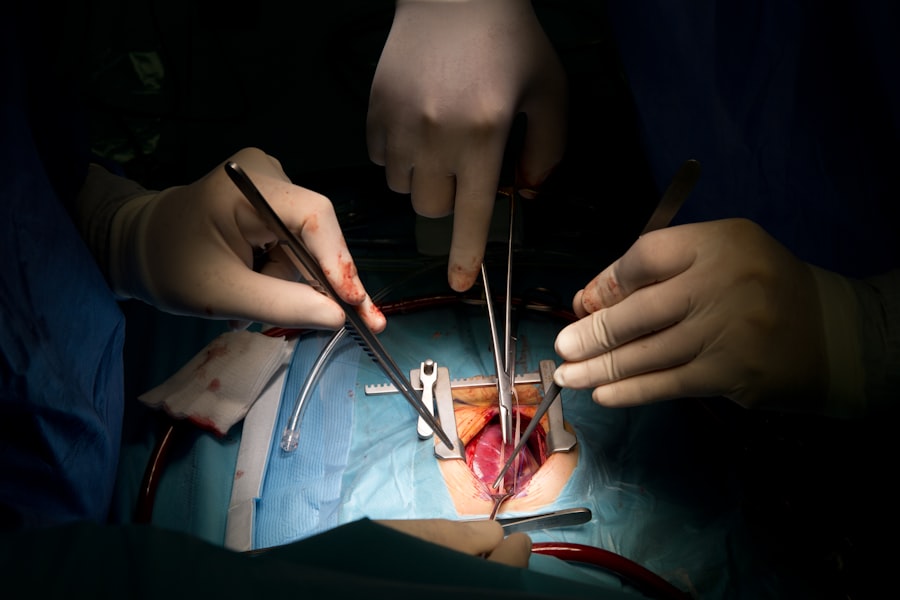
AI and robotics are proving instrumental in addressing several critical challenges faced by modern healthcare systems. One significant issue is the shortage of healthcare professionals in many regions, which can lead to increased wait times and reduced access to care. By automating routine tasks and providing support through telehealth solutions, AI can help alleviate some of this pressure on healthcare workers.
Moreover, these technologies are essential in managing chronic diseases that require ongoing monitoring and intervention. Wearable devices equipped with AI capabilities can track vital signs and alert healthcare providers to any concerning changes in a patient’s condition. This proactive approach enables timely interventions that can prevent complications and hospitalisations.
As a result, AI and robotics are not only enhancing individual patient care but also contributing to the overall efficiency of healthcare systems.
Ethical Considerations and Concerns in AI and Robotics in Healthcare
While the benefits of AI and robotics in healthcare are substantial, they also raise important ethical considerations that must be addressed. One primary concern is data privacy; as AI systems rely on vast amounts of personal health information to function effectively, safeguarding this data from breaches is paramount. Healthcare organisations must implement robust security measures to protect patient confidentiality while ensuring compliance with regulations such as GDPR.
Another ethical issue revolves around the potential for bias in AI algorithms. If these systems are trained on datasets that do not adequately represent diverse populations, there is a risk that they may produce skewed results that could adversely affect certain groups of patients. It is crucial for developers to ensure that AI models are trained on comprehensive datasets that reflect the diversity of the population they serve.
Ongoing monitoring and evaluation will be necessary to mitigate these risks as technology continues to evolve.
The Future of AI and Robotics in Healthcare
Looking ahead, the future of AI and robotics in healthcare appears promising yet complex. As technology continues to advance at an unprecedented pace, we can expect further integration of these tools into everyday medical practice. Innovations such as advanced predictive analytics will enable healthcare providers to anticipate patient needs more accurately than ever before, leading to proactive care models that prioritise prevention over treatment.
Furthermore, as public acceptance of AI and robotics grows, we may see an expansion in their applications across various domains within healthcare. From mental health support through virtual therapists to enhanced surgical robots capable of performing intricate procedures autonomously, the possibilities are vast. However, it will be essential for stakeholders—including policymakers, healthcare providers, and technologists—to collaborate closely to ensure that these advancements are implemented ethically and equitably.
In conclusion, while the integration of AI and robotics into healthcare presents numerous opportunities for improvement in patient care, efficiency, and accuracy, it also necessitates careful consideration of ethical implications. As we navigate this evolving landscape, a balanced approach will be crucial in harnessing the full potential of these technologies while safeguarding the interests of patients and society at large.
Artificial intelligence and robotics are revolutionizing the healthcare industry, with advancements in technology paving the way for more efficient and accurate patient care. In a related article, SpaceX’s plans to launch a Mars rocket go ahead, we see how cutting-edge technology is also being used to explore new frontiers in space. Just as AI is transforming healthcare, it is also playing a crucial role in the future of space exploration. The possibilities are endless as we continue to push the boundaries of what is possible with technology.
FAQs
What is AI and robotics in healthcare?
AI and robotics in healthcare refer to the use of artificial intelligence and robotic technology to improve and enhance medical processes, patient care, and overall healthcare delivery.
How is AI and robotics being used in healthcare?
AI and robotics are being used in healthcare for a variety of purposes, including surgical assistance, patient monitoring, medication management, data analysis, and administrative tasks.
What are the benefits of AI and robotics in healthcare?
The benefits of AI and robotics in healthcare include improved accuracy and precision in medical procedures, enhanced patient care and safety, increased efficiency in healthcare delivery, and the ability to handle repetitive tasks, allowing healthcare professionals to focus on more complex issues.
What are the potential challenges of AI and robotics in healthcare?
Challenges of AI and robotics in healthcare include concerns about data privacy and security, potential job displacement for healthcare workers, ethical considerations surrounding the use of AI in decision-making, and the high cost of implementing and maintaining AI and robotic systems.
How is AI and robotics expected to impact the future of healthcare?
AI and robotics are expected to have a significant impact on the future of healthcare by revolutionising medical procedures, improving patient outcomes, reducing healthcare costs, and transforming the way healthcare is delivered and managed.


 and robotics into the healthcare sector has ushered in a transformative era, fundamentally altering..)