
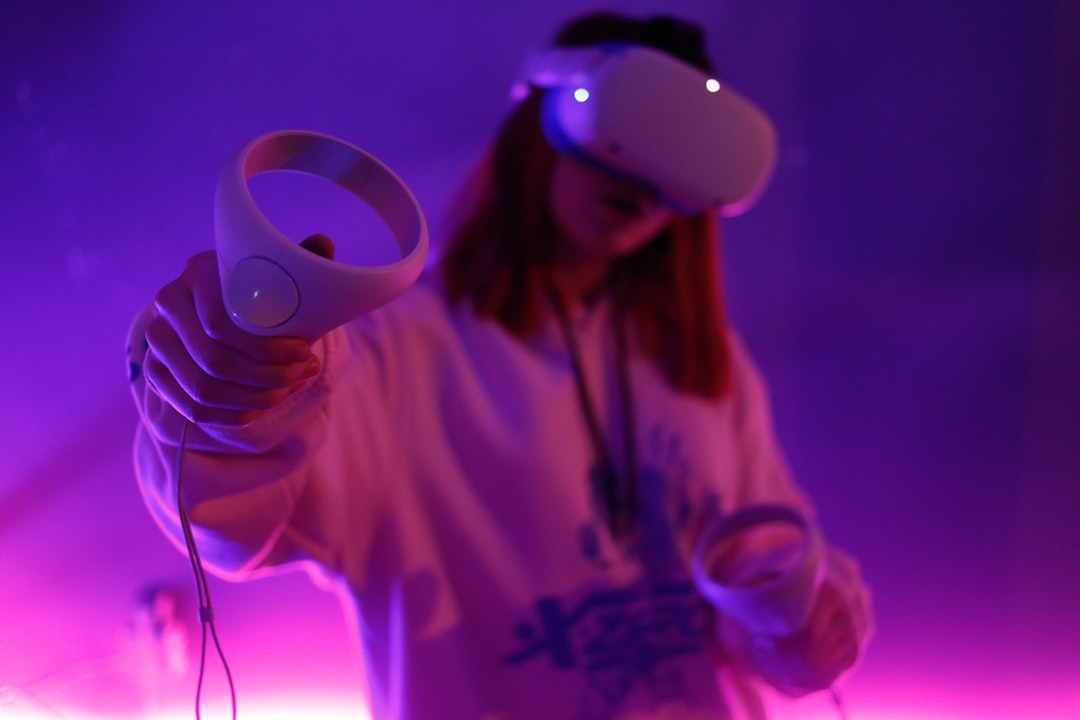
Human-Computer Interaction (HCI) is a multidisciplinary field that focuses on the design and use of computer technology, particularly the interfaces through which users interact with computers. It encompasses a wide range of disciplines, including computer science, cognitive psychology, design, and social sciences. The primary goal of HCI is to improve the usability and user experience of computer systems, ensuring that they are accessible, efficient, and enjoyable for users.
As technology continues to evolve, the integration of Artificial Intelligence (AI) into HCI has become increasingly significant, transforming the way users engage with digital systems. AI refers to the simulation of human intelligence processes by machines, particularly computer systems. These processes include learning, reasoning, problem-solving, perception, and language understanding.
The convergence of HCI and AI has led to innovative applications that enhance user interaction by making systems more intuitive and responsive. This synergy not only improves user satisfaction but also opens up new avenues for research and development in both fields. As we delve deeper into the role of AI in HCI, it becomes evident that this relationship is reshaping the landscape of technology and user engagement. Have you read the latest blog post on artificial intelligence?
Summary
- HCI is the study of how people interact with computers and to what extent computers are or are not developed for successful interaction with human beings.
- AI plays a crucial role in enhancing human-computer interaction by enabling machines to understand, interpret, and respond to human language and behaviour.
- Natural Language Processing (NLP) has advanced significantly, allowing for more seamless communication between humans and machines.
- Machine learning has had a profound impact on HCI, enabling personalised user experiences and more intuitive interfaces.
- Ethical considerations are paramount in AI-driven HCI, including issues of privacy, bias, and the potential for misuse of personal data.
The Role of AI in Human-Computer Interaction
AI plays a pivotal role in enhancing Human-Computer Interaction by enabling systems to understand and respond to user inputs in a more human-like manner. One of the most significant contributions of AI to HCI is the development of intelligent user interfaces that can adapt to individual user preferences and behaviours. These interfaces leverage machine learning algorithms to analyse user interactions, allowing them to personalise experiences based on past behaviour and contextual information.
This level of personalisation not only improves usability but also fosters a deeper connection between users and technology. Moreover, AI facilitates the creation of conversational agents, such as chatbots and virtual assistants, which have become integral to modern HCI. These agents utilise natural language processing (NLP) to understand and respond to user queries in real-time, providing assistance and information in a conversational format.
This shift towards more natural forms of interaction reduces the cognitive load on users, making technology more accessible to individuals with varying levels of technical expertise. As AI continues to evolve, its role in HCI will likely expand further, leading to even more sophisticated interactions that blur the lines between human and machine communication.
Advancements in Natural Language Processing

Natural Language Processing (NLP) has witnessed remarkable advancements in recent years, significantly impacting the field of HCI. NLP enables computers to understand, interpret, and generate human language in a way that is both meaningful and contextually relevant. This capability is crucial for creating more intuitive user interfaces that can engage users through natural dialogue.
Recent developments in deep learning techniques have enhanced the accuracy and efficiency of NLP systems, allowing them to process vast amounts of text data and learn from it effectively. One notable advancement in NLP is the emergence of transformer models, such as OpenAI’s GPT series and Google’s BERT. These models have revolutionised the way machines understand language by enabling them to capture context and nuances in communication.
As a result, applications powered by these models can provide more accurate responses to user queries, making interactions feel more fluid and human-like. The integration of such advanced NLP technologies into HCI not only improves user satisfaction but also expands the potential for applications across various domains, including customer service, education, and healthcare.
The Impact of Machine Learning on HCI
| Metrics | Data |
|---|---|
| Accuracy | Percentage of correctly predicted outcomes |
| Response Time | Time taken for the system to respond to user input |
| User Satisfaction | Ratings or feedback from users on the system’s usability |
| Error Rate | Frequency of incorrect predictions or system errors |
| Task Completion Time | Time taken for users to complete a specific task using the system |
Machine learning (ML), a subset of AI, has profoundly influenced Human-Computer Interaction by enabling systems to learn from data and improve their performance over time without explicit programming. This capability allows for the development of adaptive interfaces that can evolve based on user interactions. For instance, ML algorithms can analyse user behaviour patterns to optimise interface layouts or recommend content tailored to individual preferences.
Such adaptability enhances user engagement and satisfaction by providing a more personalised experience. Furthermore, machine learning has facilitated the emergence of predictive analytics within HCI. By leveraging historical data, ML models can anticipate user needs and actions, allowing systems to proactively offer assistance or suggestions.
This predictive capability not only streamlines workflows but also empowers users by reducing the effort required to navigate complex systems. As machine learning continues to advance, its integration into HCI will likely lead to even more innovative solutions that enhance usability and foster seamless interactions between humans and computers.
Ethical Considerations in AI-driven HCI
As AI becomes increasingly integrated into Human-Computer Interaction, ethical considerations surrounding its use have come to the forefront. One major concern is the potential for bias in AI algorithms, which can lead to unfair treatment of certain user groups. If machine learning models are trained on biased data sets, they may perpetuate existing inequalities or reinforce stereotypes in their interactions with users.
It is essential for developers and researchers in HCI to prioritise fairness and inclusivity when designing AI-driven systems. Another ethical consideration is the issue of privacy and data security. AI systems often rely on vast amounts of personal data to function effectively, raising concerns about how this data is collected, stored, and used.
Users must be informed about data practices and given control over their information to ensure transparency and build trust in AI technologies. As HCI continues to evolve alongside AI advancements, addressing these ethical challenges will be crucial for fostering responsible innovation that prioritises user welfare.
The Future of Gesture and Voice Recognition

Gesture Recognition: Enhancing Accessibility
Gesture recognition allows users to interact with devices through physical movements, offering a hands-free alternative that can enhance accessibility for individuals with disabilities or those in environments where traditional input methods are impractical. As sensors become more sophisticated and machine learning algorithms improve their ability to interpret gestures accurately, we can expect a broader adoption of this technology across various applications.
Voice Recognition: Revolutionising Human-Machine Interaction
Voice recognition technology has also made remarkable strides, enabling users to control devices and access information through spoken commands. The integration of advanced NLP techniques has improved the accuracy of voice recognition systems, making them more reliable for everyday use. As these technologies continue to develop, we may see a future where voice commands become the primary mode of interaction with devices, further blurring the lines between human communication and machine understanding.
A New Era of Convenience and Innovation
This evolution will not only enhance user convenience but also create new opportunities for innovative applications across diverse sectors.
The Integration of Virtual and Augmented Reality with AI
The integration of Artificial Intelligence with Virtual Reality (VR) and Augmented Reality (AR) represents a significant frontier in Human-Computer Interaction. By combining these technologies, developers can create immersive experiences that are not only visually engaging but also responsive to user actions in real-time. AI can enhance VR and AR environments by enabling dynamic content generation based on user interactions or preferences, creating a more personalised experience that adapts as users engage with the virtual world.
Moreover, AI-driven analytics can provide insights into user behaviour within VR and AR environments, allowing designers to refine experiences based on how users interact with virtual elements. This feedback loop can lead to more effective training simulations in professional settings or more engaging educational tools for learners. As VR and AR technologies continue to mature alongside AI advancements, we can anticipate a future where these integrated systems redefine how we interact with digital content, offering unprecedented levels of immersion and interactivity.
The Potential of Brain-Computer Interfaces in HCI
Brain-Computer Interfaces (BCIs) represent one of the most exciting developments in Human-Computer Interaction, offering direct communication pathways between the human brain and external devices. By interpreting neural signals through advanced algorithms, BCIs have the potential to revolutionise how individuals interact with technology, particularly for those with mobility impairments or neurological conditions. This technology could enable users to control devices using their thoughts alone, significantly enhancing independence and quality of life.
The integration of AI into BCIs further amplifies their potential by improving signal interpretation accuracy and enabling adaptive responses based on individual brain activity patterns. As research progresses in this area, we may witness breakthroughs that allow for seamless interaction between humans and machines at an unprecedented level. However, as with other AI-driven technologies, ethical considerations surrounding privacy, consent, and potential misuse must be carefully addressed as BCIs become more prevalent in society.
In conclusion, the intersection of Human-Computer Interaction and Artificial Intelligence is paving the way for innovative solutions that enhance user experiences across various domains. From natural language processing advancements to ethical considerations surrounding AI use, this evolving landscape presents both opportunities and challenges that require careful navigation as we move forward into an increasingly interconnected digital future.
In a recent article discussing the evolution of human-computer interfaces with the advancement of AI, researchers have demonstrated the potential risks of ransomware for IoT devices that target both IT and OT networks. This highlights the importance of understanding the vulnerabilities in our increasingly interconnected world. To read more about this concerning issue, click here.
FAQs
What is AI?
AI stands for Artificial Intelligence, which refers to the simulation of human intelligence in machines that are programmed to think and act like humans.
What are Human-Computer Interfaces?
Human-Computer Interfaces (HCI) are the point of interaction between the human user and the computer. This includes the hardware and software that enable communication between the user and the computer.
How is AI impacting Human-Computer Interfaces?
AI is impacting Human-Computer Interfaces by enabling more natural and intuitive interactions between humans and computers. This includes voice recognition, facial recognition, and natural language processing.
What are some examples of AI-powered Human-Computer Interfaces?
Examples of AI-powered Human-Computer Interfaces include virtual assistants like Siri and Alexa, facial recognition technology in smartphones, and chatbots that can understand and respond to natural language.
How is AI improving user experience in Human-Computer Interfaces?
AI is improving user experience in Human-Computer Interfaces by enabling more personalised and context-aware interactions, as well as by automating repetitive tasks and providing intelligent recommendations.
What are the potential challenges of AI in Human-Computer Interfaces?
Challenges of AI in Human-Computer Interfaces include concerns about privacy and data security, as well as the potential for AI to perpetuate biases and discrimination if not carefully designed and implemented.


 is a multidisciplinary field that focuses on the design and use of computer technology, particularly the interfaces..)