
Artificial Intelligence (AI) is increasingly becoming a transformative force in the agricultural sector, reshaping traditional farming practices and enhancing productivity. By leveraging advanced algorithms and machine learning techniques, AI systems can analyse vast amounts of data, enabling farmers to make informed decisions that optimise crop yields and resource management. The integration of AI technologies into agriculture is not merely a trend; it represents a fundamental shift towards more efficient and sustainable farming practices.
From predictive analytics to automated machinery, AI is revolutionising how agricultural operations are conducted. The role of AI in agriculture extends beyond mere data analysis. It encompasses a wide range of applications, including soil health monitoring, pest detection, and weather forecasting.
For instance, AI-driven tools can assess soil conditions in real-time, providing farmers with insights into nutrient levels and moisture content. This information is crucial for determining the optimal times for planting and harvesting, ultimately leading to increased efficiency and reduced waste. Furthermore, AI can facilitate precision farming techniques, allowing for targeted interventions that minimise the use of chemicals and water, thereby promoting environmental sustainability. Have you read the latest blog post on artificial intelligence?
Summary
- AI plays a crucial role in agriculture by enabling farmers to make data-driven decisions, optimize resource allocation, and increase productivity.
- Precision farming offers advantages such as improved crop yield, reduced environmental impact, and cost savings through the use of AI technologies.
- AI in crop monitoring allows for real-time analysis of crop health, early detection of diseases, and precise application of fertilizers and pesticides.
- AI facilitates livestock management by monitoring animal health, predicting breeding patterns, and optimizing feed and nutrition plans for better productivity.
- The impact of AI on sustainable agriculture includes reduced water and resource usage, minimized environmental impact, and improved overall efficiency in farming practices.
- Challenges and limitations of AI in agriculture include high initial investment costs, data privacy concerns, and the need for technical expertise among farmers.
- Future prospects of AI in agriculture involve advancements in autonomous farming machinery, enhanced predictive analytics, and wider adoption of AI-driven solutions in the industry.
- Ethical considerations in AI-driven agriculture encompass issues such as data ownership, algorithm bias, and the potential displacement of human labour in farming.
Advantages of Precision Farming
Maximising Crop Yields and Minimising Resource Consumption
One of the primary advantages of precision farming is its ability to maximise crop yields while minimising resource consumption. By employing data-driven insights, farmers can tailor their approaches to meet the specific needs of their crops, resulting in healthier plants and higher productivity.
Optimising Resource Use and Reducing Costs
This targeted approach not only optimises the use of inputs such as fertilisers and pesticides but also reduces costs associated with over-application. Another significant advantage of precision farming is its contribution to environmental sustainability.
Environmental Sustainability and Ecological Preservation
By using artificial intelligence to monitor and manage resources more effectively, farmers can significantly reduce their ecological footprint. For example, precision irrigation systems can deliver water directly to the roots of plants based on real-time data, conserving water and reducing runoff. Additionally, precision farming practices can lead to improved soil health by minimising soil erosion and maintaining nutrient balance. As a result, farmers can achieve higher yields while simultaneously protecting the environment, creating a win-win scenario for both agricultural productivity and ecological preservation.
Implementing AI in Crop Monitoring

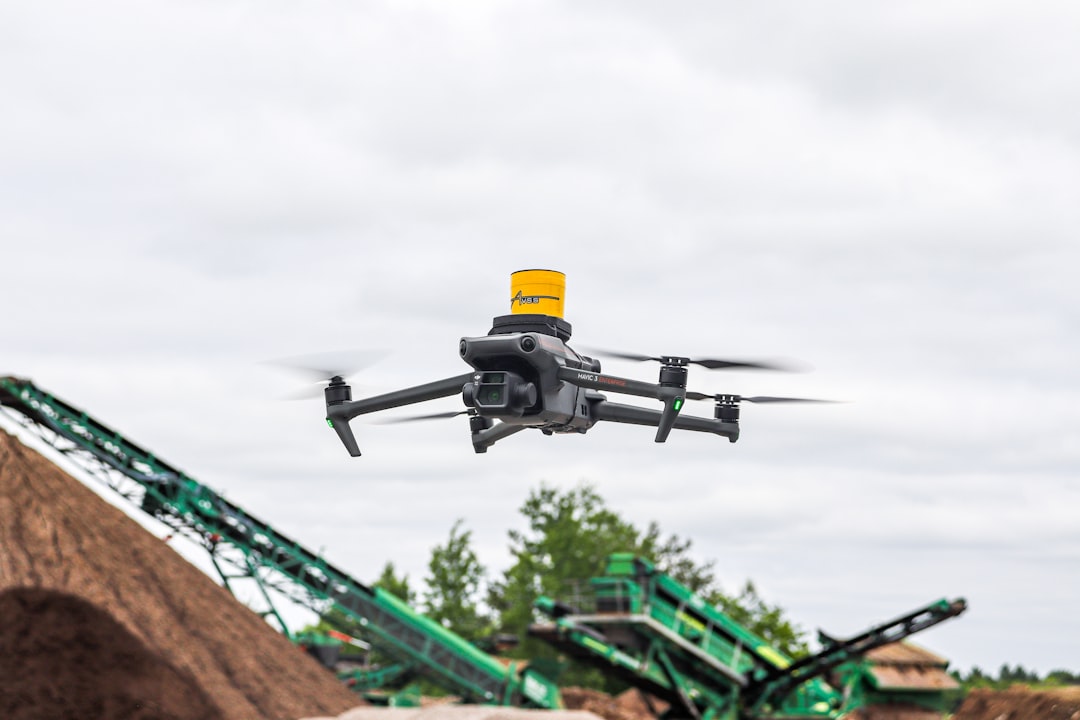
The implementation of AI in crop monitoring has revolutionised how farmers assess the health and growth of their crops. Traditional methods of monitoring often relied on manual inspections, which could be time-consuming and prone to human error. In contrast, AI technologies such as drones equipped with multispectral cameras can capture high-resolution images of fields, allowing for detailed analysis of crop conditions.
These images can be processed using machine learning algorithms to identify issues such as pest infestations or nutrient deficiencies before they become critical problems. Moreover, AI-driven crop monitoring systems can provide real-time feedback to farmers, enabling them to respond swiftly to emerging challenges. For instance, if a drone detects signs of disease in a specific area of a field, farmers can take immediate action to mitigate the spread, potentially saving a significant portion of their crop.
This proactive approach not only enhances productivity but also reduces the reliance on chemical treatments, aligning with sustainable agricultural practices. As technology continues to advance, the capabilities of AI in crop monitoring are expected to expand further, offering even more sophisticated tools for farmers.
AI and Livestock Management
| Metrics | 2018 | 2019 | 2020 |
|---|---|---|---|
| Number of farms using AI | 100 | 150 | 200 |
| AI adoption rate | 20% | 30% | 40% |
| Reduction in labour costs | 10% | 15% | 20% |
| Improvement in livestock health | 5% | 8% | 12% |
AI’s impact on livestock management is equally profound, offering innovative solutions that enhance animal welfare and farm efficiency. One of the key applications of AI in this area is the use of predictive analytics to monitor animal health. By analysing data from wearable sensors that track vital signs and behaviour patterns, farmers can identify early signs of illness or distress in their livestock.
This early detection allows for timely interventions, improving animal welfare and reducing losses due to disease. In addition to health monitoring, AI can optimise feeding practices for livestock. By analysing data on animal growth rates and nutritional needs, AI systems can recommend tailored feeding regimens that maximise growth while minimising feed costs.
This not only improves the economic viability of livestock operations but also contributes to sustainability by reducing feed waste. Furthermore, AI can assist in breeding programmes by analysing genetic data to identify desirable traits, ultimately leading to healthier and more productive livestock populations.
The Impact of AI on Sustainable Agriculture
The integration of AI into agricultural practices has significant implications for sustainability. As global populations continue to rise, the demand for food is increasing at an unprecedented rate. AI technologies offer solutions that enable farmers to produce more food with fewer resources, addressing the challenge of food security while minimising environmental impact.
For instance, precision agriculture techniques powered by AI can lead to more efficient use of water and fertilisers, reducing runoff and preserving natural ecosystems. Moreover, AI can facilitate sustainable land management practices by providing insights into soil health and biodiversity. By analysing data on soil composition and microbial activity, farmers can implement practices that enhance soil fertility and promote biodiversity on their farms.
This holistic approach not only supports sustainable agriculture but also contributes to climate change mitigation by sequestering carbon in healthy soils. As the agricultural sector continues to evolve, the role of AI in promoting sustainability will become increasingly critical.
Challenges and Limitations of AI in Agriculture
Accessibility of Technology for Smallholder Farmers
One major concern is the accessibility of technology for smallholder farmers who may lack the resources or technical expertise to implement AI solutions effectively. The high costs associated with advanced technologies can create disparities within the agricultural sector, potentially widening the gap between large agribusinesses and smaller farms.
Data Privacy and Security Concerns
Additionally, there are concerns regarding data privacy and security in AI-driven agriculture. The collection and analysis of vast amounts of data raise questions about who owns this information and how it is used. Farmers may be hesitant to adopt AI technologies if they feel that their data could be exploited or misused by third parties.
Vulnerabilities of Technology-Reliant Agriculture
Furthermore, reliance on technology can lead to vulnerabilities; for instance, technical failures or cyberattacks could disrupt agricultural operations and have far-reaching consequences.
Future Prospects of AI in Agriculture
Looking ahead, the future prospects of AI in agriculture appear promising as technology continues to advance at a rapid pace. Innovations such as autonomous vehicles and robotics are set to play an increasingly important role in farming operations. These technologies can perform tasks such as planting, harvesting, and weeding with precision and efficiency, reducing labour costs and increasing productivity.
Moreover, as machine learning algorithms become more sophisticated, they will enable even deeper insights into agricultural practices. For example, predictive modelling could help farmers anticipate market trends or climate variations, allowing them to make proactive decisions that enhance resilience against uncertainties. The potential for integrating AI with other emerging technologies such as blockchain could further revolutionise supply chain management in agriculture, ensuring transparency and traceability from farm to table.
Ethical Considerations in AI-driven Agriculture
As with any technological advancement, the integration of AI into agriculture raises important ethical considerations that must be addressed. One key issue is the potential for bias in AI algorithms, which could lead to unequal treatment of different farming communities or practices. Ensuring that AI systems are developed with fairness and inclusivity in mind is essential for fostering trust among farmers and stakeholders.
Additionally, there is a need for ongoing dialogue about the implications of automation on employment within the agricultural sector. While AI has the potential to enhance efficiency and productivity, it may also displace certain jobs traditionally held by farmworkers. Balancing technological advancement with social responsibility will be crucial in ensuring that the benefits of AI are shared equitably across all segments of society.
In conclusion, while the role of AI in agriculture presents numerous opportunities for enhancing productivity and sustainability, it also necessitates careful consideration of ethical implications and challenges associated with its implementation. As we move forward into an era where technology plays an increasingly central role in food production, it is imperative that stakeholders work collaboratively to harness the potential of AI while addressing its limitations responsibly.
In a recent article on precision farming and AI in agriculture, the importance of sustainable practices for the future of farming was highlighted. This aligns with another interesting read on the best tips for CSS found to be productive in web development. The article discusses how CSS can be optimised for better user experience and design. To read more about this, click here.
FAQs
What is precision farming?
Precision farming, also known as precision agriculture, is a farming management concept that uses technology to ensure that crops and soil receive exactly what they need for optimum health and productivity. This approach involves using data, such as soil mapping, GPS, and remote sensing, to tailor farming practices to specific areas within a field.
How is AI used in agriculture?
AI is used in agriculture to improve efficiency and productivity through various applications such as precision farming, crop monitoring, predictive analytics, and autonomous farming equipment. AI technologies can analyse large amounts of data to provide insights and recommendations for farmers, helping them make better decisions and manage their resources more effectively.
What are the benefits of AI in agriculture?
The use of AI in agriculture can lead to several benefits, including increased crop yields, reduced resource wastage, improved pest and disease management, and more sustainable farming practices. AI can also help farmers make data-driven decisions, leading to better overall farm management and profitability.
What is the role of precision farming in sustainable agriculture?
Precision farming plays a crucial role in sustainable agriculture by enabling farmers to use resources more efficiently, reduce environmental impact, and improve overall farm productivity. By tailoring farming practices to specific areas within a field, precision farming helps minimise the use of water, fertilisers, and pesticides, while maximising crop yields.
How does AI contribute to the future of agriculture?
AI is expected to play a significant role in the future of agriculture by enabling more efficient and sustainable farming practices. With the ability to process and analyse large amounts of data, AI can help farmers make better decisions, improve crop management, and adapt to changing environmental conditions, ultimately leading to a more sustainable and productive agricultural sector.


 is increasingly becoming a transformative force in the agricultural sector, reshaping traditional farming practices and..)