
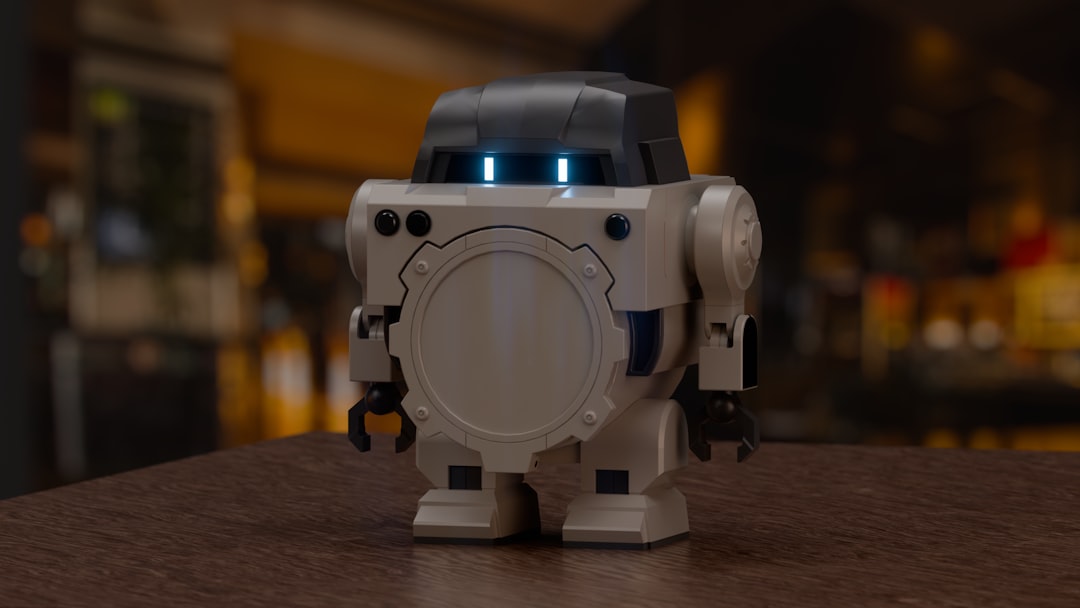
Human-robot interaction (HRI) is an interdisciplinary field that explores the ways in which humans and robots communicate and collaborate. As robotics technology continues to advance, the integration of robots into everyday life has become increasingly prevalent. This interaction encompasses a wide range of scenarios, from industrial automation to personal assistance, and even social companionship.
The study of HRI not only focuses on the technical aspects of robot design and functionality but also delves into the psychological and social implications of these interactions. Understanding how humans perceive and respond to robots is crucial for developing systems that are effective, safe, and beneficial. The significance of HRI is underscored by the growing presence of robots in various sectors, including healthcare, manufacturing, and education.
As robots become more sophisticated, their ability to understand and respond to human emotions, intentions, and behaviours is paramount. This evolution raises important questions about the nature of human-robot relationships and the potential for robots to enhance or disrupt social dynamics. As we navigate this complex landscape, it is essential to consider not only the technological advancements but also the ethical and societal implications that accompany the integration of robots into our daily lives. Have you read the latest blog post on artificial intelligence?
Summary
- Human-robot interaction refers to the study and development of robots that can interact with humans in a meaningful way.
- Current state of human-robot interaction includes robots in manufacturing, healthcare, and customer service industries.
- Advancements in robotics technology have led to the development of more sophisticated and versatile robots, such as social robots and collaborative robots.
- Ethical considerations in human-robot interaction include issues of privacy, safety, and the impact on human employment.
- Artificial intelligence plays a crucial role in human-robot interaction by enabling robots to understand and respond to human behaviour.
Current State of Human-Robot Interaction
The current state of human-robot interaction reflects a diverse array of applications and technologies that are shaping how humans engage with machines. In industrial settings, robots have been employed for tasks such as assembly, welding, and material handling, often working alongside human operators. Collaborative robots, or cobots, are designed to work in tandem with humans, enhancing productivity while ensuring safety.
These systems are equipped with advanced sensors and algorithms that allow them to adapt to human movements and intentions, fostering a more intuitive working environment. In domestic settings, robots are increasingly being used for household chores, companionship, and even caregiving. Robotic vacuum cleaners and lawn mowers have become commonplace, while more advanced systems are being developed to assist the elderly or individuals with disabilities.
Social robots, such as those designed for educational purposes or emotional support, are also gaining traction. These robots are programmed to engage with users in a manner that mimics human interaction, utilising speech recognition and natural language processing to facilitate communication. The current landscape of HRI is characterised by a blend of practical applications and emerging technologies that continue to evolve.
Advancements in Robotics Technology

Recent advancements in robotics technology have significantly enhanced the capabilities of robots in various domains. Innovations in artificial intelligence (AI), machine learning, and sensor technology have enabled robots to perform complex tasks with greater autonomy and efficiency. For instance, improvements in computer vision allow robots to better perceive their environment, recognising objects and navigating spaces with increased accuracy.
This has profound implications for applications ranging from autonomous vehicles to robotic assistants in healthcare settings. Moreover, advancements in haptic feedback technology have improved the tactile interaction between humans and robots. This technology allows users to feel sensations through robotic interfaces, creating a more immersive experience.
In fields such as telemedicine, where surgeons may operate remotely using robotic systems, haptic feedback can provide critical sensory information that enhances precision and control. As robotics technology continues to advance, the potential for creating more responsive and adaptable systems grows, paving the way for more sophisticated human-robot interactions.
Ethical Considerations in Human-Robot Interaction
| Ethical Considerations in Human-Robot Interaction | Metrics |
|---|---|
| Privacy | Percentage of users concerned about their privacy when interacting with robots |
| Transparency | Number of companies providing transparent information about the capabilities and limitations of their robots |
| Autonomy | Percentage of robots designed to respect human autonomy and decision-making |
| Accountability | Instances of robots being held accountable for their actions in human-robot interactions |
| Bias | Number of cases where robots exhibit bias in their interactions with different demographic groups |
As human-robot interaction becomes more prevalent, ethical considerations surrounding this integration are increasingly important. One major concern is the potential for dependency on robots, particularly in caregiving roles. While robots can provide valuable assistance to individuals with disabilities or the elderly, there is a risk that over-reliance on these systems may diminish human interaction and social engagement.
It is essential to strike a balance between utilising robotic assistance and maintaining meaningful human connections. Another ethical consideration involves privacy and data security. Many robots collect data on user behaviour and preferences to improve their functionality.
However, this raises questions about how this data is stored, used, and protected. Ensuring that users’ privacy is respected while still allowing for effective robot operation is a critical challenge that must be addressed as HRI continues to evolve. Furthermore, there are concerns regarding accountability in cases where robots cause harm or make decisions that negatively impact individuals or society at large.
Establishing clear guidelines and regulations will be vital in navigating these ethical dilemmas.
The Role of Artificial Intelligence in Human-Robot Interaction
Artificial intelligence plays a pivotal role in enhancing human-robot interaction by enabling robots to learn from their experiences and adapt their behaviours accordingly. Machine learning algorithms allow robots to analyse vast amounts of data, improving their ability to recognise patterns and make informed decisions based on user interactions. This capability is particularly valuable in applications such as customer service robots, which can learn from previous interactions to provide more personalised responses.
Moreover, AI facilitates natural language processing (NLP), enabling robots to understand and respond to human speech more effectively. This advancement has led to the development of conversational agents that can engage users in meaningful dialogue, making interactions feel more intuitive and human-like. As AI continues to advance, its integration into HRI will likely lead to even more sophisticated systems capable of understanding context, emotions, and social cues, thereby enhancing the overall user experience.
Potential Applications of Human-Robot Interaction
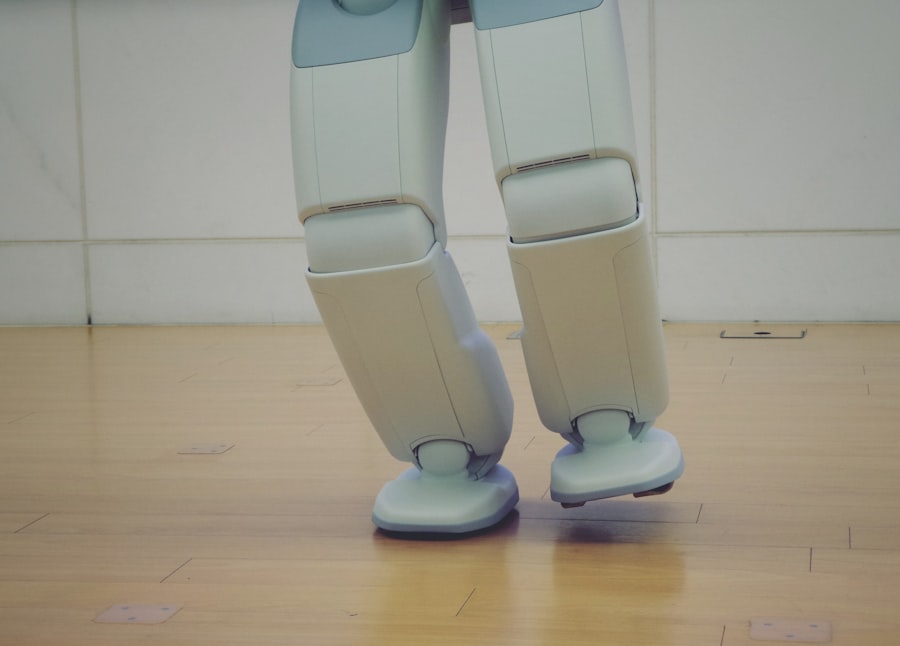
The potential applications of human-robot interaction are vast and varied, spanning numerous industries and sectors. In healthcare, robots are being utilised for surgical assistance, rehabilitation support, and patient monitoring. Surgical robots can perform intricate procedures with precision while minimising invasiveness, leading to quicker recovery times for patients.
Additionally, rehabilitation robots can assist individuals recovering from injuries by providing tailored exercises that adapt to their progress. In education, social robots are being employed as teaching assistants or companions for children with special needs. These robots can engage students through interactive learning experiences, fostering social skills and emotional development.
Furthermore, in the realm of entertainment, robots are being designed for companionship or as interactive characters in video games and theme parks. The versatility of HRI applications highlights its potential to enhance various aspects of daily life while addressing specific needs across different demographics.
Challenges and Limitations in Human-Robot Interaction
Despite the promising advancements in human-robot interaction, several challenges and limitations persist that must be addressed for successful integration into society. One significant challenge is the issue of trust between humans and robots. Users may be hesitant to rely on robotic systems due to concerns about reliability or safety.
Building trust requires transparency in how robots operate and make decisions, as well as ensuring consistent performance over time. Another limitation lies in the complexity of human behaviour itself. Humans exhibit a wide range of emotions and responses that can be difficult for robots to interpret accurately.
Misunderstandings can lead to frustration or negative experiences during interactions. Developing robots that can effectively recognise and respond to human emotions remains a significant hurdle in advancing HRI technology. Addressing these challenges will be crucial for fostering positive relationships between humans and robots.
The Future of Human-Robot Interaction
Looking ahead, the future of human-robot interaction holds immense potential for transforming how we live and work. As technology continues to advance at an unprecedented pace, we can expect robots to become increasingly integrated into our daily lives. Future developments may include more sophisticated AI algorithms that enable robots to understand context better and engage in more nuanced conversations with users.
Moreover, advancements in robotics may lead to the creation of highly specialised robots tailored for specific tasks or industries. For instance, we may see the emergence of personal assistant robots capable of managing household tasks while also providing companionship or emotional support. Additionally, as societal attitudes towards robots evolve, we may witness a greater acceptance of their roles in various aspects of life.
In conclusion, human-robot interaction is a dynamic field that encompasses a wide range of applications and implications. As we continue to explore the intersection of technology and human behaviour, it is essential to address ethical considerations while harnessing the potential benefits that robotics can offer. The future promises exciting developments that could redefine our relationship with machines, ultimately enhancing our quality of life through innovative solutions tailored to our needs.
In a recent article discussing the future of human-robot interaction, researchers have highlighted the importance of designing intuitive interfaces to enhance user experience. This aligns with the findings of a study conducted by infographic design websites, which emphasises the significance of visual communication in simplifying complex information. As technology continues to advance, it is crucial for designers to create engaging and user-friendly interfaces that facilitate seamless interaction between humans and robots.
FAQs
What is human-robot interaction?
Human-robot interaction (HRI) is the study of interactions between humans and robots. It encompasses the design, development, and evaluation of robotic systems that are intended to interact with humans in various settings, such as homes, workplaces, and public spaces.
What are the current trends in human-robot interaction?
Current trends in human-robot interaction include the development of socially assistive robots, collaborative robots (cobots) in industrial settings, and the integration of artificial intelligence and machine learning to enhance the capabilities of robots in understanding and responding to human behaviour.
What are the potential applications of human-robot interaction in the future?
The potential applications of human-robot interaction in the future are vast and diverse, including healthcare (assistive robots for the elderly and disabled), education (robotic tutors and companions for children), entertainment (interactive robots in theme parks and museums), and customer service (robots in retail and hospitality).
What are the challenges in human-robot interaction?
Challenges in human-robot interaction include ensuring safety and trust in robot behaviour, addressing ethical and privacy concerns, designing intuitive and natural interfaces for communication, and understanding the social and cultural implications of integrating robots into human environments.
How can human-robot interaction be improved in the future?
Human-robot interaction can be improved in the future through interdisciplinary research and collaboration between robotics, psychology, sociology, and other relevant fields. This can lead to the development of more user-friendly and socially intelligent robots that can seamlessly integrate into various aspects of human life.


 is an interdisciplinary field that explores the ways in which humans and robots communicate and collaborate. As..)