
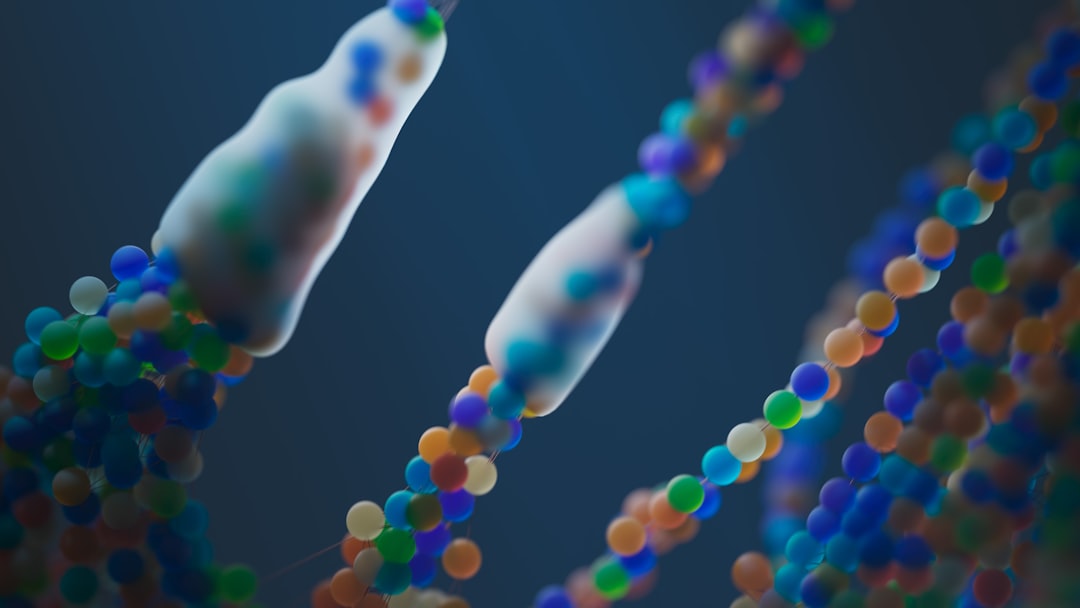
Biotechnology is a multidisciplinary field that harnesses biological systems, living organisms, or derivatives thereof to develop or create products and technologies that improve the quality of life. This dynamic area of science combines principles from biology, chemistry, physics, engineering, and computer science to address complex challenges in various sectors, including healthcare, agriculture, and environmental management. The roots of biotechnology can be traced back to ancient practices such as fermentation and selective breeding, but the modern era has seen exponential growth in its applications, particularly with the advent of molecular biology techniques.
The significance of biotechnology in contemporary society cannot be overstated. It plays a crucial role in addressing pressing global issues such as food security, disease management, and environmental degradation. As the world grapples with an increasing population and the associated demands on resources, biotechnology offers innovative solutions that can enhance productivity and sustainability.
This article will explore the current advancements in biotechnology, the pivotal role of CRISPR technology, innovations in biopharmaceuticals, the future of agriculture and food production, environmental sustainability, ethical considerations, and the impact on healthcare and medicine. Have you read the latest blog post on artificial intelligence?
Summary
- Biotechnology is a rapidly advancing field that uses living organisms and biological systems to develop new products and technologies.
- Current advancements in biotechnology include gene editing, synthetic biology, and bioinformatics, which have revolutionized various industries such as healthcare, agriculture, and environmental sustainability.
- CRISPR technology has played a significant role in biotechnology by enabling precise gene editing and manipulation, leading to potential breakthroughs in treating genetic diseases and developing new therapies.
- Innovations in biopharmaceuticals have led to the development of advanced therapies, such as gene and cell therapies, monoclonal antibodies, and personalised medicine, offering new treatment options for various diseases.
- The future of agriculture and food production with biotechnology includes genetically modified crops, precision agriculture, and sustainable farming practices, which aim to increase crop yields, improve nutritional content, and reduce environmental impact.
Current Advancements in Biotechnology
The Integration of Artificial Intelligence and Machine Learning
One of the most notable developments is the integration of artificial intelligence (AI) and machine learning into biotechnological research. These technologies enable researchers to analyse vast datasets more efficiently, leading to faster discoveries in drug development, genomics, and personalised medicine.
Predictive Capabilities and Synthetic Biology
For instance, AI algorithms can predict how different compounds will interact with biological targets, significantly reducing the time and cost associated with traditional experimental methods. Moreover, advancements in synthetic biology have opened new avenues for innovation. Scientists are now able to design and construct new biological parts, devices, and systems that do not exist in nature.
Transforming Industries with Engineered Microorganisms
This capability has led to the creation of engineered microorganisms that can produce biofuels, biodegradable plastics, and even pharmaceuticals. The ability to manipulate genetic material with precision has transformed the landscape of biotechnology, allowing for the development of novel solutions to longstanding problems. As these technologies continue to evolve, they promise to revolutionise various industries by enhancing efficiency and sustainability.
The Role of CRISPR Technology in Biotechnology
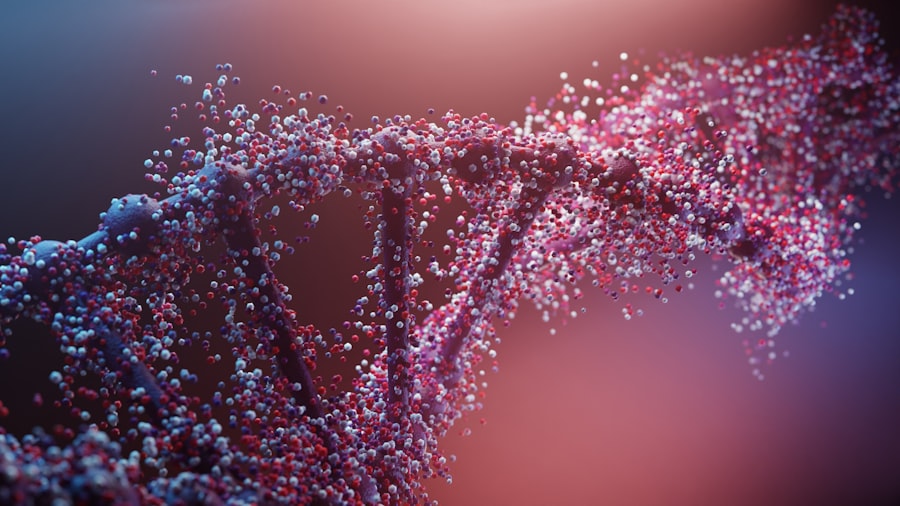
CRISPR (Clustered Regularly Interspaced Short Palindromic Repeats) technology has emerged as a groundbreaking tool in biotechnology, enabling precise editing of genetic material. This revolutionary technique allows scientists to modify DNA sequences with unprecedented accuracy and efficiency. By utilising a guide RNA to direct the Cas9 enzyme to specific locations in the genome, researchers can add, delete, or alter genes in a variety of organisms.
The implications of CRISPR technology are vast, ranging from agricultural improvements to potential cures for genetic diseases. In agriculture, CRISPR has been employed to develop crops that are more resilient to environmental stresses such as drought or disease. By enhancing traits such as yield and nutritional content, this technology holds the promise of improving food security in a world facing climate change challenges.
Additionally, CRISPR’s potential in medicine is equally compelling; it offers hope for treating genetic disorders by correcting mutations at their source. However, while the benefits are substantial, the technology also raises important questions regarding safety and ethical considerations that must be addressed as it becomes more widely adopted.
Innovations in Biopharmaceuticals
| Company | Number of Innovations | Investment in R&D |
|---|---|---|
| Roche | 15 | £11 billion |
| Novartis | 10 | £9.5 billion |
| Pfizer | 12 | £10.2 billion |
The biopharmaceutical sector has experienced significant innovations driven by advancements in biotechnology. Biopharmaceuticals are products derived from biological sources that are used for therapeutic purposes. These include monoclonal antibodies, vaccines, and gene therapies that target specific diseases at the molecular level.
The development of biologics has transformed treatment paradigms for conditions such as cancer, autoimmune disorders, and infectious diseases. One notable innovation is the rise of personalised medicine, which tailors treatments based on an individual’s genetic makeup. By leveraging genomic information, biopharmaceutical companies can develop targeted therapies that are more effective and have fewer side effects than traditional treatments.
Furthermore, the rapid development of mRNA vaccines during the COVID-19 pandemic exemplifies how biotechnology can respond swiftly to emerging health threats. This technology not only provided a means to combat the virus but also paved the way for future vaccine development against other infectious diseases and even cancer.
The Future of Agriculture and Food Production with Biotechnology
Biotechnology is poised to play a transformative role in the future of agriculture and food production. As global populations continue to rise, there is an urgent need for sustainable agricultural practices that can meet increasing food demands without compromising environmental integrity. Biotechnology offers innovative solutions such as genetically modified organisms (GMOs) that can enhance crop yields while reducing reliance on chemical pesticides and fertilisers.
In addition to GMOs, advancements in precision agriculture are revolutionising farming practices. Technologies such as drones, sensors, and data analytics enable farmers to monitor crop health and optimise resource use more effectively. By integrating biotechnology with these technologies, farmers can make informed decisions that enhance productivity while minimising environmental impact.
The potential for biotechnology to contribute to sustainable food systems is immense; it not only addresses food security but also promotes biodiversity and soil health.
Biotechnology and Environmental Sustainability
Bioremediation: A Sustainable Solution
For instance, bioremediation employs microorganisms to clean up contaminated environments by breaking down pollutants into less harmful substances. This approach offers a sustainable alternative to traditional chemical remediation methods.
Renewable Energy Sources
Furthermore, biotechnology plays a vital role in developing renewable energy sources. Biofuels derived from biomass can reduce dependence on fossil fuels while lowering greenhouse gas emissions. Advances in metabolic engineering allow for the optimisation of microorganisms that produce biofuels more efficiently.
A Sustainable Future
As society seeks sustainable solutions to combat climate change and preserve natural resources, biotechnology will be instrumental in creating a more sustainable future.
Ethical Considerations in Biotechnology
As biotechnology continues to advance at a rapid pace, ethical considerations surrounding its applications become increasingly important. The ability to manipulate genetic material raises profound questions about safety, consent, and the potential consequences of altering living organisms. For instance, gene editing technologies like CRISPR have sparked debates about “designer babies” and the implications of editing human embryos for desired traits.
Moreover, the use of GMOs in agriculture has generated public concern regarding their long-term effects on health and biodiversity. Ethical frameworks must be established to guide research and application in biotechnology to ensure that innovations are developed responsibly and transparently. Engaging stakeholders—including scientists, ethicists, policymakers, and the public—in discussions about these issues is essential for fostering trust and ensuring that biotechnological advancements align with societal values.
The Impact of Biotechnology on Healthcare and Medicine
The impact of biotechnology on healthcare and medicine is profound and far-reaching. From diagnostics to therapeutics, biotechnological innovations have transformed how diseases are understood and treated. The development of targeted therapies has revolutionised cancer treatment by allowing clinicians to tailor interventions based on individual patient profiles.
This shift towards personalised medicine enhances treatment efficacy while minimising adverse effects. Additionally, biotechnology has facilitated advancements in diagnostics through the development of highly sensitive tests that can detect diseases at earlier stages. Techniques such as polymerase chain reaction (PCR) have become standard tools in laboratories worldwide for identifying pathogens quickly and accurately.
As research continues to advance in areas such as gene therapy and regenerative medicine, biotechnology holds the promise of not only treating but potentially curing previously untreatable conditions. In conclusion, biotechnology stands at the forefront of scientific innovation with far-reaching implications across various sectors. Its advancements offer solutions to some of humanity’s most pressing challenges while also raising important ethical considerations that must be navigated carefully.
As we look towards the future, it is clear that biotechnology will play a pivotal role in shaping a sustainable world where health care is personalised, agriculture is efficient and environmentally friendly, and our understanding of life itself continues to expand.
In a recent article on Microsoft stopping the sale of emotion-reading technology, it is evident that the future of biotechnology is constantly evolving and facing ethical dilemmas. As advancements in technology continue to push boundaries, it is crucial for companies to consider the implications of their products on society. This decision by Microsoft highlights the importance of ethical considerations in the development and implementation of biotechnological innovations. The article serves as a reminder that progress in biotechnology must be accompanied by responsible decision-making to ensure the well-being of individuals and society as a whole.
FAQs
What is biotechnology?
Biotechnology is the use of living organisms or their products to create or modify products, improve plants or animals, or develop microorganisms for specific uses.
What are the potential applications of biotechnology in the future?
The future of biotechnology holds potential for advancements in medicine, agriculture, environmental protection, and industrial processes. This includes the development of new drugs, genetically modified crops, biofuels, and bioremediation techniques.
How is biotechnology expected to impact healthcare in the future?
Biotechnology is expected to revolutionize healthcare by enabling the development of personalized medicine, gene therapies, and advanced diagnostic tools. It may also lead to the creation of more effective and targeted treatments for various diseases.
What are the ethical considerations surrounding biotechnology?
Ethical considerations in biotechnology include issues related to genetic engineering, cloning, and the use of biotechnology in agriculture. There are also concerns about the potential misuse of biotechnology for harmful purposes.
What are some challenges facing the future of biotechnology?
Challenges facing the future of biotechnology include regulatory hurdles, public acceptance, intellectual property rights, and the potential environmental impact of biotechnological advancements. Additionally, there are concerns about the equitable distribution of biotechnological benefits globally.


