
The relationship between technology and the arts has undergone a remarkable transformation over the centuries. From the invention of the printing press in the 15th century, which revolutionised the dissemination of literature and visual art, to the advent of digital media in the late 20th century, technological advancements have consistently reshaped artistic practices. The introduction of photography in the 19th century, for instance, not only altered the way artists approached realism but also gave rise to new genres and movements, such as Impressionism, which sought to capture fleeting moments in time.
As technology evolved, so too did the tools available to artists, enabling them to explore new forms of expression and creativity. In recent decades, the rapid advancement of digital technology has further accelerated this evolution. The rise of computers and software applications has opened up a plethora of possibilities for artists across various disciplines.
Digital painting, 3D modelling, and animation are just a few examples of how technology has expanded the creative toolkit available to artists. Moreover, the internet has transformed the way art is shared and consumed, allowing for global collaboration and exposure that was previously unimaginable. This ongoing evolution continues to challenge traditional notions of art and creativity, prompting artists to adapt and innovate in response to new technological landscapes. Have you read the latest blog post on artificial intelligence?
Summary
- Technology has revolutionised the arts, from traditional forms to digital platforms, allowing for new and innovative artistic expressions.
- The impact of technology on artistic expression has led to the creation of immersive and interactive experiences, blurring the lines between the physical and digital worlds.
- Virtual and augmented reality have opened up new possibilities for artists to create immersive and interactive artworks, transforming the way audiences engage with art.
- Artificial intelligence is playing an increasingly significant role in the creative process, from generating art to enhancing artistic capabilities and pushing the boundaries of creativity.
- Digital tools and techniques in music production have transformed the way music is created, recorded, and distributed, leading to a new era of music production and consumption.
The Impact of Technology on Artistic Expression
The impact of technology on artistic expression is profound and multifaceted. One of the most significant changes has been the democratization of art creation and distribution. With the proliferation of digital tools and platforms, individuals from diverse backgrounds can now create and share their work with a global audience.
This shift has led to an explosion of creativity, as artists are no longer confined to traditional galleries or institutions. Social media platforms, such as Instagram and TikTok, have become vital spaces for artists to showcase their work, engage with audiences, and even sell their creations directly. Furthermore, technology has enabled artists to experiment with new mediums and techniques that were previously inaccessible.
For example, digital art allows for endless manipulation and iteration, giving artists the freedom to explore concepts without the constraints of physical materials. This flexibility encourages innovation and risk-taking, resulting in unique artistic expressions that challenge conventional boundaries. Additionally, technology facilitates collaboration across disciplines; musicians can work with visual artists to create immersive experiences that blend sound and imagery, pushing the limits of what art can be.
Exploring Virtual and Augmented Reality in Art
Virtual reality (VR) and augmented reality (AR) have emerged as groundbreaking technologies that are reshaping the landscape of contemporary art. VR immerses users in entirely digital environments, allowing them to experience art in ways that transcend traditional viewing methods. Artists can create fully interactive installations where viewers can engage with their work on a sensory level, exploring virtual worlds that respond to their movements and actions.
This immersive quality not only enhances the viewer’s experience but also invites them to become active participants in the artistic narrative. On the other hand, AR overlays digital elements onto the real world, creating a hybrid experience that blends physical and virtual realms. This technology has been employed by artists to enhance public installations or transform everyday spaces into interactive canvases.
For instance, AR applications can bring static artworks to life by adding animations or soundscapes that enrich the viewer’s understanding of the piece. Both VR and AR challenge traditional notions of space and interaction in art, encouraging audiences to reconsider their relationship with artistic works and the environments in which they exist.
The Role of Artificial Intelligence in the Creative Process
| Metrics | Statistics |
|---|---|
| Percentage of creative professionals using AI | 45% |
| Impact of AI on creative productivity | 30% increase |
| AI’s role in generating new ideas | 20% contribution |
| Improvement in content personalisation with AI | 50% |
Artificial intelligence (AI) is increasingly becoming a significant player in the creative process, offering new avenues for artistic exploration. AI algorithms can analyse vast amounts of data to generate original compositions, whether in visual art, music, or literature. This capability raises intriguing questions about authorship and creativity: if a machine can produce art, what does it mean for human artists?
Some creators embrace AI as a collaborative tool that enhances their work rather than replacing it. By leveraging AI’s analytical power, artists can uncover patterns or generate ideas that inspire their creative direction. Moreover, AI can assist in refining artistic techniques by providing feedback based on established aesthetic principles.
For instance, AI-driven software can analyse a painting’s composition or colour palette and suggest adjustments that align with recognised artistic standards. This feedback loop allows artists to experiment with their styles while benefiting from data-driven insights. As AI continues to evolve, its role in the creative process will likely expand, prompting ongoing discussions about the nature of creativity itself and how technology can coexist with human expression.
Digital Tools and Techniques in Music Production
The music industry has been profoundly transformed by digital tools and techniques that have revolutionised music production. The advent of digital audio workstations (DAWs) has made it possible for musicians to record, edit, and produce music from virtually anywhere. This accessibility has led to a surge in independent music production, allowing artists to create high-quality recordings without the need for expensive studio time.
As a result, a diverse array of voices and genres have emerged, enriching the musical landscape. In addition to recording capabilities, digital tools have introduced innovative techniques for sound manipulation and composition. Musicians can now experiment with synthesizers, samplers, and effects processors to create unique sounds that push the boundaries of traditional music genres.
The ability to layer tracks digitally enables complex arrangements that were once challenging to achieve in live settings. Furthermore, online collaboration tools allow musicians from different parts of the world to work together seamlessly, fostering a global community of creators who share ideas and influences across cultural boundaries.
The Intersection of Technology and Performance Art
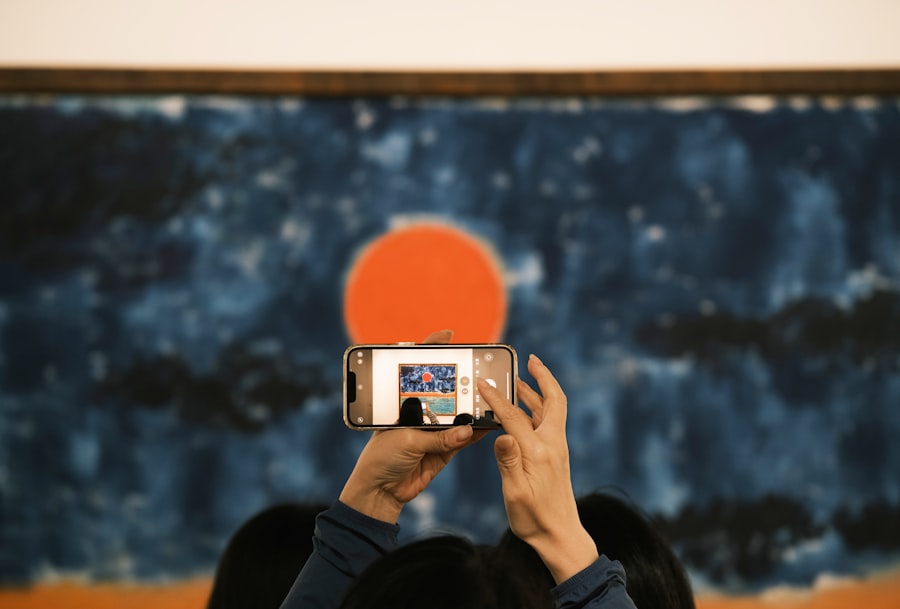
Performance art has also been significantly influenced by technological advancements, leading to new forms of expression that challenge conventional performance practices. The integration of multimedia elements—such as video projections, soundscapes, and interactive installations—has transformed live performances into immersive experiences that engage audiences on multiple sensory levels. Artists are increasingly using technology to blur the lines between performer and audience, inviting spectators to participate actively in the unfolding narrative.
Moreover, advancements in streaming technology have expanded the reach of performance art beyond physical venues. Artists can now broadcast their performances live online, allowing audiences from around the world to engage with their work in real-time. This shift not only democratizes access to performance art but also encourages artists to experiment with new formats that cater to virtual audiences.
As technology continues to evolve, it will undoubtedly shape the future of performance art, prompting artists to explore innovative ways of connecting with viewers.
The Influence of Technology on Visual Arts and Design
The visual arts have experienced a profound transformation due to technological advancements that have redefined artistic practices and design processes. Digital tools such as graphic design software have revolutionised how artists create visual content, enabling them to produce intricate designs with precision and ease. This shift has not only streamlined workflows but has also expanded creative possibilities; artists can manipulate images in ways that were previously unimaginable using traditional methods.
Furthermore, technology has facilitated new forms of artistic expression through digital installations and interactive artworks. Artists are increasingly incorporating elements such as projection mapping and generative design into their work, creating dynamic pieces that respond to viewer interaction or environmental factors. This interactivity fosters a deeper engagement with art, encouraging audiences to explore their surroundings while contemplating the themes presented by the artist.
As technology continues to advance, its influence on visual arts and design will likely lead to even more innovative approaches that challenge traditional boundaries.
The Future of Creativity: Innovations in Technology and the Arts
Looking ahead, the future of creativity is poised for further innovation as technology continues to evolve at an unprecedented pace. Emerging technologies such as blockchain are beginning to impact how art is created, sold, and authenticated. The rise of non-fungible tokens (NFTs) has opened new avenues for artists to monetise their work while providing collectors with verifiable ownership rights.
This shift could fundamentally alter the dynamics of the art market and how artists engage with their audiences. Moreover, as technologies like machine learning become more sophisticated, they will likely play an even greater role in shaping artistic practices across various disciplines. Artists may increasingly collaborate with AI systems not only as tools but as creative partners that challenge their perspectives and push them toward new horizons.
The intersection of technology and creativity will continue to inspire dialogue about authorship, originality, and the evolving nature of art itself. In conclusion, the evolution of technology in the arts has profoundly impacted artistic expression across multiple disciplines. From virtual reality experiences that immerse audiences in new worlds to AI-driven collaborations that redefine creativity’s boundaries, technology continues to shape how we understand and engage with art.
As we move forward into an era characterised by rapid technological advancements, it is essential for artists and audiences alike to embrace these changes while critically examining their implications for creativity and cultural expression.
Technology and the arts have always had a close relationship, with advancements in one often influencing the other. In a recent article on social networks for businesses, it explores how technology can be used to enhance creativity and reach a wider audience. The article highlights the importance of utilising platforms like Shopify, which has recently added over 100 new features to its platform, to showcase artistic work and connect with customers. Additionally, the article discusses the ten most popular content management systems used to build websites, demonstrating the variety of tools available for artists to showcase their work online. Overall, these resources show how technology can be a powerful tool for artists to express themselves and engage with their audience. Read more here.
FAQs
What is the relationship between technology and the arts?
Technology and the arts have a symbiotic relationship, with technology often being used as a tool for artistic expression and creativity. Artists use various forms of technology, such as digital media, virtual reality, and computer software, to create innovative and interactive art forms.
How has technology influenced the arts?
Technology has revolutionized the way art is created, presented, and experienced. It has enabled artists to explore new mediums, experiment with different techniques, and reach wider audiences through digital platforms and social media.
What are some examples of technology being used in the arts?
Examples of technology being used in the arts include digital art, interactive installations, virtual reality experiences, 3D printing, and computer-generated music and visuals. Artists also use technology to enhance traditional art forms, such as painting, sculpture, and performance art.
How has technology impacted the art industry?
Technology has disrupted the traditional art industry by changing the way art is produced, distributed, and consumed. Online platforms and digital marketplaces have made it easier for artists to showcase and sell their work, while also providing art enthusiasts with access to a wider range of artistic creations.
What are the benefits of the fusion of technology and the arts?
The fusion of technology and the arts has led to increased creativity, innovation, and collaboration. It has also expanded the possibilities for artistic expression and provided new opportunities for artists to engage with audiences in unique and immersive ways.


