
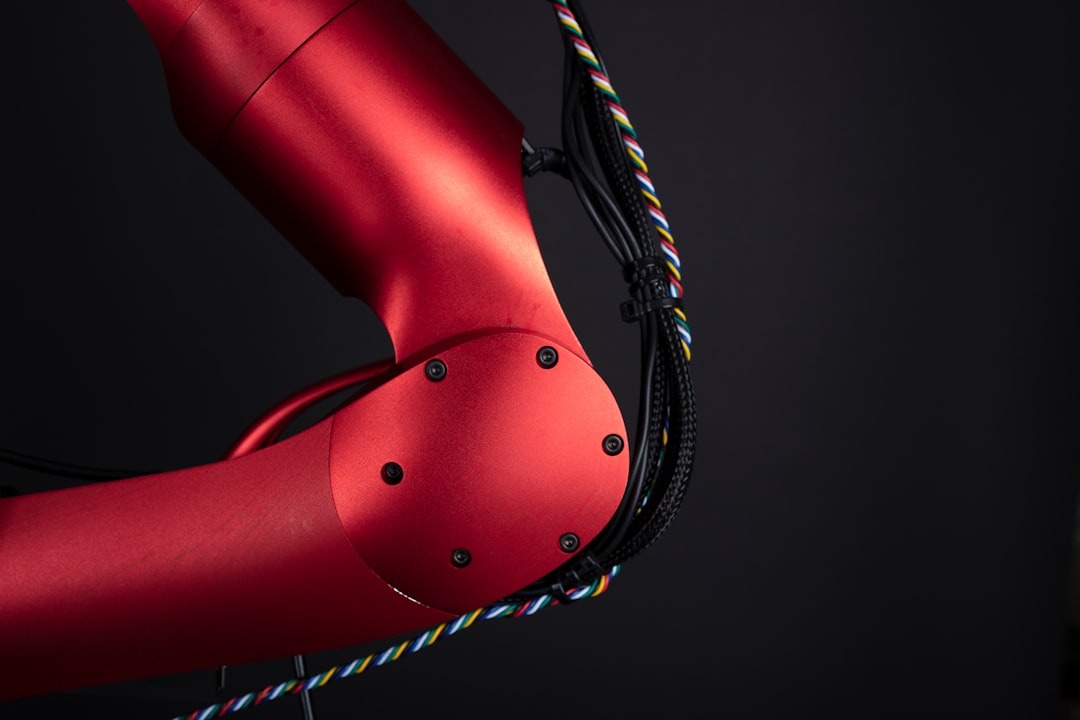
Robotics has emerged as a transformative force within various industrial sectors, revolutionising the way businesses operate and enhancing productivity. The integration of robotic systems into manufacturing processes has not only streamlined operations but has also introduced a new paradigm of efficiency and precision. As industries strive to remain competitive in an increasingly globalised market, the adoption of robotics has become a strategic imperative.
This article delves into the evolution, impact, advantages, challenges, and future trends of robotics in industry, providing a comprehensive overview of its significance. The advent of robotics in industry marks a significant milestone in technological advancement. From simple mechanical arms to sophisticated autonomous systems, robotics encompasses a wide range of applications that cater to diverse industrial needs.
As companies seek to optimise their operations, the role of robotics continues to expand, influencing everything from assembly lines to logistics and supply chain management. Understanding the trajectory of robotics in industry is essential for grasping its current and future implications. Have you read the latest blog post on artificial intelligence?
Summary
- Robotics in industry has revolutionised the way tasks are performed, leading to increased efficiency and productivity.
- The evolution of robotics in industry has seen a shift from simple, repetitive tasks to more complex and adaptive functions.
- Robotics has had a significant impact on efficiency in industry, reducing human error and increasing output.
- The advantages of robotics in industry include improved safety, cost savings, and the ability to perform tasks in hazardous environments.
- Challenges and limitations of robotics in industry include high initial costs, the need for skilled maintenance, and potential job displacement.
The Evolution of Robotics in Industry
The journey of robotics in industry can be traced back to the mid-20th century when the first industrial robots were introduced. Initially, these machines were designed for repetitive tasks such as welding and painting, primarily in the automotive sector. The introduction of programmable logic controllers (PLCs) allowed for greater flexibility and control over robotic systems, paving the way for more complex applications.
Over the decades, advancements in technology have led to the development of more sophisticated robots capable of performing intricate tasks with high precision. As technology progressed, so did the capabilities of industrial robots. The 1980s and 1990s saw the emergence of collaborative robots, or cobots, designed to work alongside human operators.
This marked a significant shift in the perception of robotics from mere automation tools to collaborative partners in the workplace. The integration of artificial intelligence (AI) and machine learning further enhanced the functionality of robots, enabling them to adapt to changing environments and learn from their experiences. Today, robotics encompasses a wide array of technologies, including vision systems, sensors, and advanced algorithms, making them indispensable in modern industrial settings.
The Impact of Robotics on Efficiency
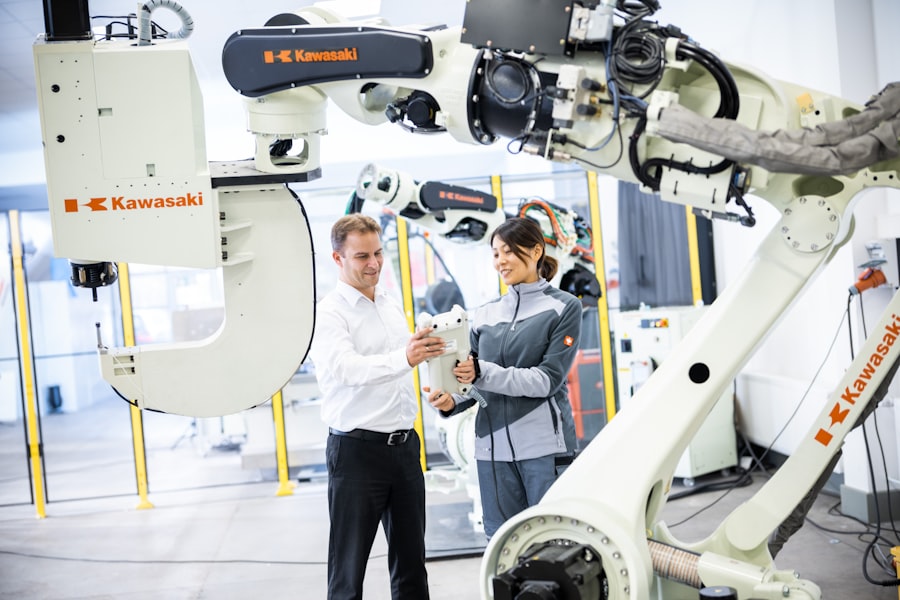
The impact of robotics on efficiency within industrial operations is profound and multifaceted. By automating repetitive and time-consuming tasks, robots significantly reduce production times and increase output levels. This heightened efficiency not only leads to cost savings but also allows companies to allocate human resources to more strategic roles that require creativity and problem-solving skills.
As a result, businesses can achieve higher levels of productivity while maintaining quality standards. Moreover, robotics enhances precision and consistency in manufacturing processes. Unlike human workers, robots are not prone to fatigue or errors caused by distraction.
This reliability ensures that products are manufactured to exact specifications, reducing waste and minimising defects. In industries where quality control is paramount, such as pharmaceuticals and aerospace, the role of robotics becomes even more critical. The ability to maintain high standards consistently contributes to customer satisfaction and strengthens brand reputation.
Advantages of Robotics in Industry
| Advantages of Robotics in Industry |
|---|
| Increased productivity |
| Improved quality and consistency |
| Enhanced workplace safety |
| Cost savings in the long run |
| Ability to work in hazardous environments |
| 24/7 production capability |
The advantages of incorporating robotics into industrial processes are numerous and varied. One of the most significant benefits is the ability to operate continuously without breaks or downtime. Robots can work around the clock, leading to increased production capacity and faster turnaround times.
This continuous operation is particularly advantageous in industries with high demand fluctuations, allowing companies to respond swiftly to market changes. Additionally, robotics contributes to improved workplace safety. By taking over hazardous tasks such as heavy lifting or working in extreme conditions, robots help reduce the risk of workplace injuries.
This not only protects employees but also lowers insurance costs and enhances overall morale within the workforce. Furthermore, the integration of robotics can lead to a more skilled workforce as employees are trained to manage and maintain advanced robotic systems rather than performing monotonous tasks.
Challenges and Limitations of Robotics in Industry
Despite the numerous advantages that robotics offers, there are also challenges and limitations that industries must navigate. One significant concern is the initial investment required for implementing robotic systems. The cost of purchasing, installing, and maintaining advanced robots can be substantial, particularly for small and medium-sized enterprises (SMEs).
This financial barrier may deter some businesses from adopting robotics, limiting their ability to compete effectively. Another challenge lies in the potential displacement of jobs due to automation. While robots can enhance productivity and safety, there is a growing concern about their impact on employment levels.
As robots take over routine tasks, there is a risk that certain job roles may become obsolete. This necessitates a proactive approach from both businesses and governments to ensure that workers are equipped with the skills needed for emerging roles in a more automated landscape.
Future Trends in Robotics and Industry
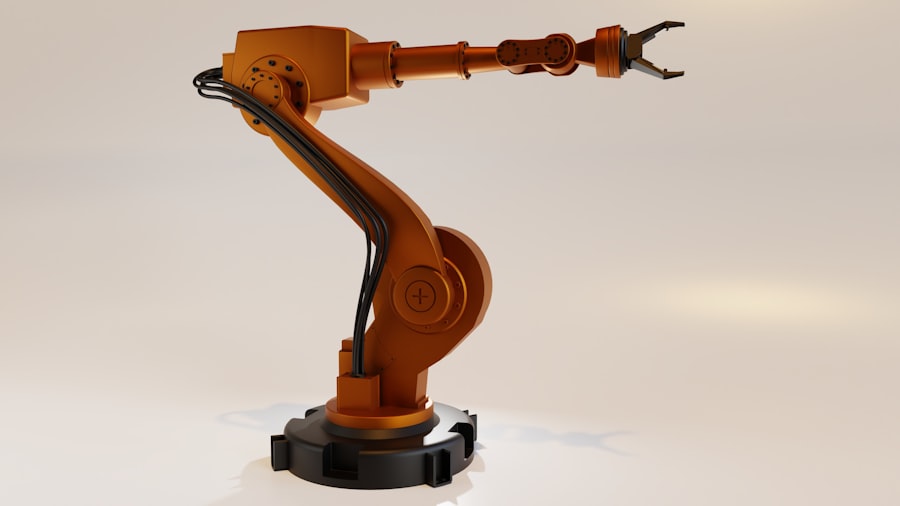
Looking ahead, several trends are poised to shape the future of robotics in industry. One notable trend is the increasing integration of artificial intelligence (AI) with robotic systems. As AI technologies continue to advance, robots will become more capable of performing complex tasks that require decision-making and adaptability.
This synergy between AI and robotics will enable industries to achieve unprecedented levels of efficiency and innovation. Another trend is the rise of autonomous mobile robots (AMRs) within logistics and warehousing operations. These robots are designed to navigate environments independently, transporting goods without human intervention.
As e-commerce continues to grow, the demand for efficient logistics solutions will drive further investment in AMRs. Additionally, advancements in 5G technology will facilitate real-time communication between robots and other devices, enhancing coordination and operational efficiency across supply chains.
Case Studies of Successful Implementation of Robotics in Industry
Numerous case studies illustrate the successful implementation of robotics across various industries. For instance, automotive manufacturers have long been at the forefront of robotic adoption. Companies like Toyota have integrated robotic systems into their assembly lines, resulting in increased production rates and improved quality control.
By utilising robots for tasks such as welding and painting, Toyota has been able to streamline its operations while maintaining high standards. In the food processing industry, companies like Nestlé have embraced robotics to enhance efficiency and safety. Automated systems are employed for packaging and sorting products, reducing manual handling and minimising contamination risks.
This not only improves operational efficiency but also ensures compliance with stringent food safety regulations. Such examples highlight how diverse industries can leverage robotics to achieve significant operational improvements.
The Ethical and Social Implications of Robotics in Industry
The rise of robotics in industry brings forth important ethical and social implications that warrant careful consideration. One primary concern revolves around job displacement and its impact on workers’ livelihoods. As automation becomes more prevalent, there is a pressing need for policies that support workforce transition through retraining programmes and education initiatives.
Ensuring that workers are equipped with relevant skills will be crucial in mitigating the negative effects of automation on employment. Moreover, ethical considerations surrounding data privacy and security must be addressed as industries increasingly rely on interconnected robotic systems. The collection and analysis of data generated by robots raise questions about ownership, consent, and potential misuse.
Establishing clear guidelines and regulations will be essential in fostering trust among consumers and employees alike. In conclusion, robotics has undeniably transformed the landscape of industry by enhancing efficiency, safety, and productivity. While challenges remain regarding investment costs and job displacement, the potential benefits far outweigh these concerns when approached thoughtfully.
As technology continues to evolve, industries must adapt by embracing innovation while prioritising ethical considerations to ensure a balanced future where humans and robots coexist harmoniously in the workplace.
In a recent article discussing the benefits of robotics in industry for automation and efficiency, it is interesting to note the increasing importance of data collection in various sectors. A related article on Google Play apps displaying information they collect about users sheds light on the growing concerns surrounding data privacy and transparency. As industries continue to embrace automation technologies, it is crucial to consider the ethical implications of data collection and usage. This article serves as a reminder of the need for responsible data practices in the age of robotics and automation.
FAQs
What is robotics in industry?
Robotics in industry refers to the use of automated machines and systems to perform tasks in various industrial settings. These machines are programmed to carry out specific functions, such as assembly, packaging, welding, and material handling, with minimal human intervention.
How does robotics in industry improve automation and efficiency?
Robotics in industry improves automation and efficiency by streamlining production processes, reducing human error, increasing productivity, and lowering operational costs. Automated machines can work continuously without breaks, leading to higher output and faster production cycles.
What are the benefits of using robotics in industry?
The benefits of using robotics in industry include improved productivity, enhanced product quality, reduced labour costs, increased workplace safety, and the ability to handle repetitive and dangerous tasks. Additionally, robotics can help businesses stay competitive in the global market by increasing efficiency and flexibility.
What are some examples of robotics in industry?
Examples of robotics in industry include robotic arms for assembly and welding, automated guided vehicles (AGVs) for material handling, robotic palletizers for packaging, and autonomous drones for inventory management. These technologies are used in various industries, such as manufacturing, logistics, automotive, and food processing.
What are the challenges of implementing robotics in industry?
Challenges of implementing robotics in industry include high initial investment costs, the need for skilled technicians to operate and maintain the machines, potential job displacement, and the integration of robotics with existing production systems. Additionally, ensuring the safety of human workers working alongside robots is a key consideration.


