
The integration of artificial intelligence (AI) into the renewable energy sector represents a transformative shift in how energy is produced, managed, and consumed. As the world grapples with the pressing challenges of climate change and the depletion of fossil fuels, the need for sustainable energy solutions has never been more urgent. AI technologies offer innovative approaches to enhance efficiency, optimise resource management, and improve decision-making processes across various renewable energy sources.
By harnessing vast amounts of data, AI can facilitate predictive analytics, automate operations, and enable real-time monitoring, thereby driving the transition towards a more sustainable energy future. The synergy between AI and renewable energy not only promises to enhance operational efficiencies but also to reduce costs significantly. As renewable energy sources become increasingly prevalent, the complexity of managing these systems grows.
AI can analyse patterns and trends in energy production and consumption, allowing for better forecasting and integration of renewable sources into existing grids. This capability is crucial for ensuring reliability and stability in energy supply, particularly as the share of renewables in the global energy mix continues to rise. The following sections will delve into specific applications of AI across various renewable energy sectors, illustrating its potential to revolutionise the industry. Have you read the latest blog post on artificial intelligence?
Summary
- AI is revolutionising the renewable energy sector by improving efficiency and reducing costs.
- In solar power, AI is used for predictive maintenance, performance optimisation, and solar panel tracking.
- AI in wind power helps in forecasting energy production, turbine maintenance, and blade inspection.
- AI applications in hydroelectric power include dam operation optimisation and environmental impact assessment.
- Geothermal, biomass, and other renewable energy sources also benefit from AI for resource assessment and plant optimisation.
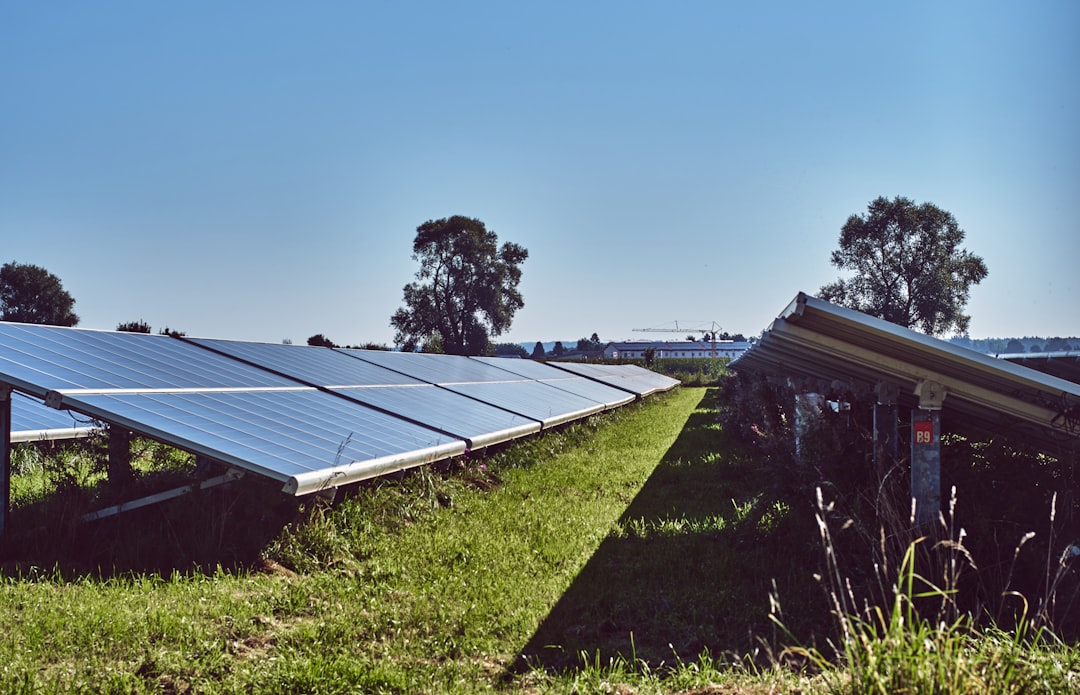
AI Applications in Solar Power
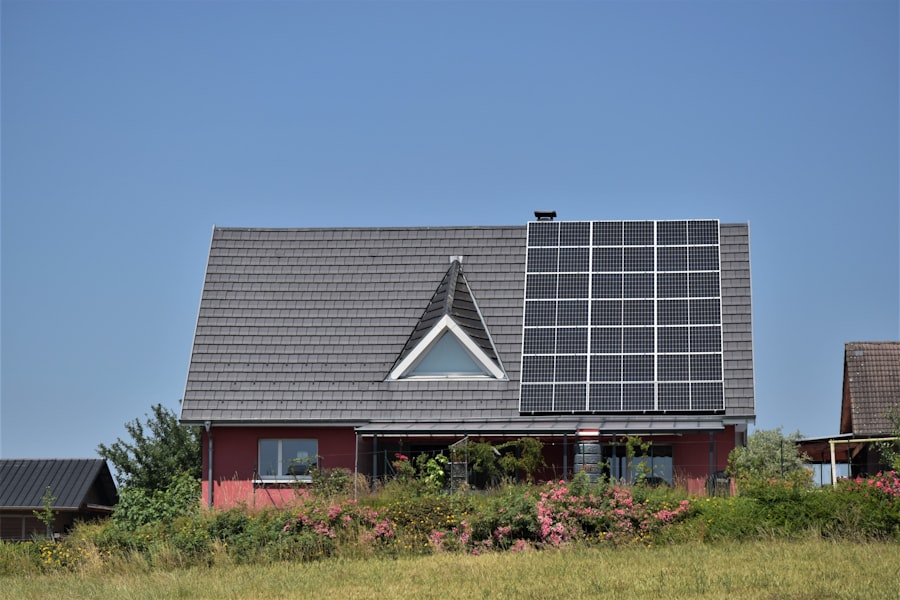
Solar power has emerged as one of the most rapidly growing sources of renewable energy worldwide. The application of AI in this sector is multifaceted, encompassing everything from predictive maintenance to performance optimisation. One significant area where AI is making an impact is in the monitoring and management of solar photovoltaic (PV) systems.
By employing machine learning algorithms, operators can analyse data from solar panels to identify inefficiencies or potential failures before they occur. This proactive approach not only extends the lifespan of solar installations but also maximises their energy output. Moreover, AI can enhance solar energy forecasting by analysing historical weather data and current atmospheric conditions.
Advanced algorithms can predict solar irradiance levels with remarkable accuracy, enabling energy producers to optimise their output based on expected sunlight availability. This capability is particularly beneficial for grid operators who must balance supply and demand effectively. By integrating AI-driven forecasting tools, solar energy providers can make informed decisions about when to store energy or when to release it into the grid, thus improving overall system reliability.
AI Applications in Wind Power
Wind power is another critical component of the renewable energy landscape, and AI plays a vital role in optimising its efficiency and reliability. One of the primary applications of AI in wind energy is in predictive maintenance. Wind turbines are complex machines that require regular upkeep to operate at peak performance.
By utilising AI algorithms to analyse data from sensors embedded within turbines, operators can predict when maintenance is needed, thereby reducing downtime and maintenance costs. This predictive capability allows for timely interventions that prevent costly failures and extend the operational life of wind assets. In addition to maintenance, AI can significantly enhance wind farm performance through advanced data analytics.
By processing vast amounts of data related to wind patterns, turbine performance, and environmental conditions, AI systems can optimise turbine positioning and operation strategies. For instance, machine learning models can determine the most efficient angles for turbine blades based on real-time wind conditions, maximising energy capture. Furthermore, AI can assist in site selection for new wind farms by analysing geographical and meteorological data to identify locations with the highest potential for energy generation.
AI Applications in Hydroelectric Power
| AI Application | Benefits | Challenges |
|---|---|---|
| Predictive Maintenance | Reduces downtime and maintenance costs | Integration with existing systems |
| Optimizing Power Generation | Maximizes energy output | Complex algorithms and data analysis |
| Environmental Monitoring | Improves ecosystem management | Data accuracy and interpretation |
Hydroelectric power remains one of the oldest and most established forms of renewable energy. The application of AI in this sector focuses primarily on optimising water resource management and enhancing operational efficiency. One significant use of AI is in the predictive modelling of water flow and reservoir levels.
By analysing historical data alongside real-time measurements, AI systems can forecast water availability and optimise turbine operations accordingly. This capability ensures that hydroelectric plants can generate electricity efficiently while also managing water resources sustainably. Additionally, AI can improve the management of hydroelectric infrastructure by monitoring structural health and performance.
Advanced sensors can collect data on vibrations, temperature changes, and other critical parameters that indicate the condition of dams and turbines. Machine learning algorithms can then analyse this data to detect anomalies or potential failures early on, allowing for timely maintenance interventions. This proactive approach not only enhances safety but also ensures that hydroelectric facilities operate at optimal capacity.
AI Applications in Geothermal Power
Geothermal power harnesses heat from beneath the Earth’s surface to generate electricity, offering a reliable and consistent source of renewable energy. The integration of AI into geothermal systems primarily focuses on resource exploration and optimisation of plant operations. One key application is in the analysis of geological data to identify potential geothermal reservoirs.
Machine learning algorithms can process vast datasets from geological surveys, seismic studies, and temperature measurements to predict the viability of geothermal sites more accurately than traditional methods. Furthermore, AI can optimise the operation of geothermal power plants by analysing real-time data on temperature, pressure, and flow rates. By employing advanced control systems powered by AI, operators can adjust operational parameters dynamically to maximise efficiency and output.
This capability is particularly important in maintaining optimal performance as geothermal resources can vary over time due to changes in subsurface conditions.
AI Applications in Biomass Power
Optimising Feedstock Management
One significant application is in feedstock management, where artificial intelligence can analyse data related to biomass supply chains to optimise logistics and reduce costs. By predicting fluctuations in biomass availability based on seasonal patterns or market demands, operators can make informed decisions about sourcing materials efficiently.
Enhancing the Combustion Process
Additionally, artificial intelligence can enhance the combustion process in biomass power plants by optimising fuel-to-air ratios and monitoring emissions in real-time. Machine learning algorithms can analyse combustion data to identify optimal operating conditions that maximise efficiency while minimising environmental impact.
Improving Sustainability and Compliance
This capability not only improves the sustainability of biomass power generation but also ensures compliance with increasingly stringent emissions regulations.
Challenges and Opportunities for AI in Renewable Energy
While the potential benefits of integrating AI into renewable energy systems are substantial, several challenges must be addressed to fully realise these opportunities. One significant hurdle is the need for high-quality data. Effective AI models rely on vast amounts of accurate and relevant data for training and validation.
In many cases, renewable energy systems may lack comprehensive datasets due to limitations in monitoring technologies or inconsistent data collection practices. Addressing this issue requires investment in advanced sensor technologies and robust data management systems. Another challenge lies in the integration of AI solutions into existing infrastructure.
Many renewable energy facilities were designed without considering modern digital technologies, making it difficult to implement AI-driven enhancements seamlessly. To overcome this barrier, stakeholders must prioritise investments in digital transformation initiatives that facilitate the adoption of AI across various renewable sectors. Despite these challenges, the opportunities presented by AI in renewable energy are immense.
As technology continues to evolve, new applications will emerge that further enhance efficiency and sustainability across all forms of renewable energy generation. The ongoing development of smart grids and energy management systems will create an environment where AI can thrive, enabling more effective integration of diverse energy sources.
The Promising Future of AI in Renewable Energy
The future of renewable energy is undoubtedly intertwined with advancements in artificial intelligence. As we face an increasingly urgent need for sustainable solutions to combat climate change, the role of AI will become even more critical in optimising energy production and consumption. From solar and wind power to hydroelectricity and biomass generation, AI applications are already demonstrating their potential to revolutionise how we harness natural resources.
As we continue to explore innovative ways to integrate AI into renewable energy systems, it is essential to address existing challenges while capitalising on emerging opportunities. By investing in data infrastructure, fostering collaboration between technology developers and energy providers, and prioritising digital transformation initiatives, we can unlock the full potential of AI in creating a sustainable energy future. The promise of a cleaner, more efficient world powered by renewable energy is within reach, driven by the transformative capabilities of artificial intelligence.
In a recent article discussing the future of AI in renewable energy, the potential benefits and challenges of integrating artificial intelligence into the renewable energy sector were explored. The article highlighted how AI technologies could help optimize energy production and distribution, ultimately leading to a more sustainable and efficient energy system. To read more about the intersection of technology and sustainability, check out this thought-provoking article on sexual assault in the metaverse.
FAQs
What is AI in renewable energy?
AI in renewable energy refers to the use of artificial intelligence technologies to optimize and improve the efficiency of renewable energy sources such as solar, wind, and hydro power. AI can be used to enhance the performance of renewable energy systems, predict energy production, and optimize energy storage and distribution.
How is AI being used in renewable energy?
AI is being used in renewable energy in various ways, including predictive maintenance of renewable energy infrastructure, optimization of energy production and distribution, and the development of smart grids. AI technologies can also be used to analyze and interpret data from renewable energy sources to improve their performance and efficiency.
What are the benefits of using AI in renewable energy?
The use of AI in renewable energy can lead to increased efficiency and reliability of renewable energy systems, reduced operational costs, and improved integration of renewable energy sources into the existing energy infrastructure. AI can also help to optimize energy production and distribution, leading to a more sustainable and reliable energy supply.
What are the challenges of using AI in renewable energy?
Challenges of using AI in renewable energy include the high initial investment required for implementing AI technologies, the need for skilled professionals to develop and maintain AI systems, and the potential for cybersecurity risks associated with AI-enabled renewable energy systems. Additionally, there may be regulatory and policy challenges to consider when integrating AI into renewable energy infrastructure.
What is the future outlook for AI in renewable energy?
The future of AI in renewable energy looks promising, with continued advancements in AI technologies expected to further improve the efficiency and reliability of renewable energy systems. As AI technologies continue to evolve, they are likely to play a key role in the transition towards a more sustainable and renewable energy future.


 into the renewable energy sector represents a transformative shift in how energy is produced,..)