

Predictive maintenance is an advanced approach to equipment management that leverages data analysis to forecast when maintenance should be performed. This proactive strategy aims to prevent unexpected equipment failures, thereby minimising downtime and optimising operational efficiency. Traditionally, maintenance practices have been reactive or scheduled based on time intervals, which can lead to unnecessary costs and inefficiencies.
In contrast, predictive maintenance utilises real-time data collected from various sensors and monitoring systems to assess the condition of machinery and predict potential failures before they occur. The evolution of predictive maintenance has been significantly influenced by advancements in technology, particularly in the realms of data analytics and machine learning. By harnessing vast amounts of operational data, organisations can gain insights into the health of their assets, allowing for timely interventions that can extend the lifespan of equipment and reduce maintenance costs.
As industries increasingly adopt this methodology, the integration of artificial intelligence (AI) has emerged as a pivotal factor in enhancing the effectiveness and accuracy of predictive maintenance strategies. Have you read the latest blog post on artificial intelligence?
Summary
- Predictive maintenance uses data analysis to predict when equipment maintenance is needed, reducing downtime and costs.
- Artificial intelligence plays a crucial role in predictive maintenance by analysing large volumes of data to identify patterns and predict equipment failures.
- The benefits of AI in predictive maintenance include improved equipment reliability, reduced maintenance costs, and increased operational efficiency.
- Challenges and limitations of AI in predictive maintenance include the need for high-quality data, potential algorithm biases, and the requirement for skilled personnel to interpret results.
- Case studies show successful AI implementation in predictive maintenance, such as using machine learning algorithms to predict equipment failures in manufacturing plants.
The Role of Artificial Intelligence in Predictive Maintenance
Artificial intelligence plays a crucial role in the realm of predictive maintenance by enabling the analysis of complex datasets that would be unmanageable for human operators alone. AI algorithms can process and interpret data from various sources, including sensors, historical maintenance records, and operational logs, to identify patterns and anomalies that may indicate impending failures. This capability allows organisations to move beyond simple statistical methods and embrace more sophisticated predictive models that can adapt to changing conditions in real time.
Moreover, AI enhances the predictive maintenance process through machine learning techniques, which allow systems to learn from new data continuously. As more data is collected over time, AI models can refine their predictions, improving accuracy and reliability. This iterative learning process is essential for industries where equipment operates under varying conditions, as it enables the development of tailored maintenance schedules that align with specific operational contexts.
Consequently, AI not only streamlines the predictive maintenance process but also empowers organisations to make informed decisions based on actionable insights derived from their data.
Benefits of AI in Predictive Maintenance

The integration of AI into predictive maintenance offers numerous benefits that can significantly enhance operational efficiency and reduce costs. One of the primary advantages is the reduction in unplanned downtime. By accurately predicting when equipment is likely to fail, organisations can schedule maintenance activities during non-peak hours, thereby minimising disruptions to production processes.
This proactive approach not only ensures that machinery operates at optimal levels but also extends the overall lifespan of assets. Additionally, AI-driven predictive maintenance can lead to substantial cost savings. By preventing unexpected breakdowns, companies can avoid the high costs associated with emergency repairs and lost productivity.
Furthermore, AI can optimise inventory management by predicting the necessary spare parts required for maintenance activities, reducing excess stock and associated holding costs. The ability to allocate resources more effectively translates into improved financial performance and a stronger competitive position in the market.
Challenges and Limitations of AI in Predictive Maintenance
| Challenges and Limitations of AI in Predictive Maintenance |
|---|
| 1. Data Quality |
| 2. Model Complexity |
| 3. Interpretability |
| 4. Scalability |
| 5. Cost of Implementation |
Despite its many advantages, the implementation of AI in predictive maintenance is not without challenges. One significant hurdle is the quality and availability of data. For AI algorithms to function effectively, they require large volumes of high-quality data that accurately reflect the operational conditions of equipment.
In many cases, organisations may struggle with incomplete or inconsistent data, which can hinder the performance of predictive models and lead to inaccurate predictions. Another challenge lies in the integration of AI systems with existing infrastructure. Many organisations operate with legacy systems that may not be compatible with modern AI technologies.
This incompatibility can create barriers to implementation, requiring significant investment in new technologies or extensive modifications to existing systems. Additionally, there may be resistance from employees who are accustomed to traditional maintenance practices, necessitating a cultural shift within the organisation to embrace data-driven decision-making.
Case Studies: AI Implementation in Predictive Maintenance
Several industries have successfully implemented AI-driven predictive maintenance strategies, showcasing the transformative potential of this approach. For instance, in the manufacturing sector, a leading automotive manufacturer adopted AI algorithms to monitor its production machinery continuously. By analysing sensor data in real time, the company was able to predict equipment failures with remarkable accuracy, resulting in a 30% reduction in unplanned downtime and significant cost savings associated with maintenance activities.
In another example, a major airline utilised AI for predictive maintenance on its fleet of aircraft. By integrating data from various sources, including flight logs and engine performance metrics, the airline developed a predictive model that could forecast potential mechanical issues before they became critical. This initiative not only enhanced safety but also improved operational efficiency by allowing for better scheduling of maintenance activities during layovers, ultimately leading to increased aircraft availability.
Future Trends in AI and Predictive Maintenance
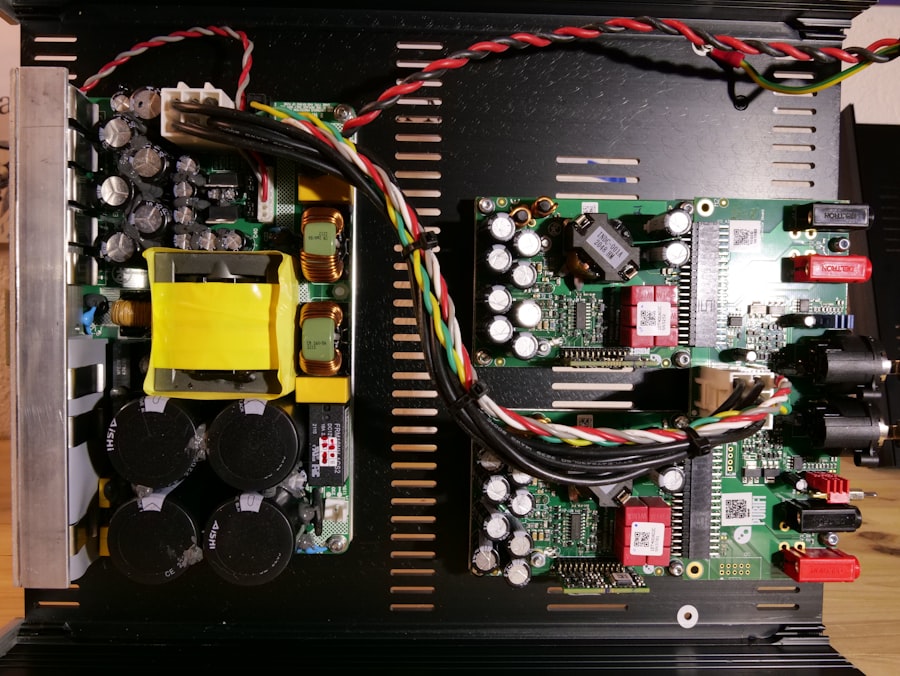
As technology continues to evolve, several trends are emerging that will shape the future of AI in predictive maintenance. One notable trend is the increasing use of edge computing, which allows data processing to occur closer to the source rather than relying solely on centralised cloud systems. This shift enables real-time analysis of data generated by equipment, facilitating quicker decision-making and more immediate responses to potential issues.
Another trend is the growing emphasis on digital twins—virtual replicas of physical assets that simulate their performance under various conditions. By leveraging digital twins alongside AI algorithms, organisations can conduct more sophisticated analyses and scenario planning, leading to enhanced predictive capabilities. This integration will likely result in even more accurate forecasts and optimised maintenance strategies tailored to specific operational environments.
Ethical Considerations in AI-driven Predictive Maintenance
The adoption of AI in predictive maintenance also raises important ethical considerations that organisations must address. One key concern is data privacy and security. As predictive maintenance relies heavily on collecting and analysing vast amounts of operational data, organisations must ensure that they comply with relevant regulations and protect sensitive information from potential breaches.
Establishing robust data governance frameworks will be essential in maintaining trust with stakeholders. Additionally, there is a need for transparency in how AI algorithms make decisions. As these systems become more autonomous, it is crucial for organisations to understand and communicate how predictions are generated.
This transparency will help mitigate concerns regarding accountability and bias in decision-making processes. Ensuring that AI systems are designed with fairness and inclusivity in mind will be vital for fostering a responsible approach to predictive maintenance.
The Potential Impact of AI on Predictive Maintenance
In conclusion, the integration of artificial intelligence into predictive maintenance represents a significant advancement in how organisations manage their assets and optimise operational efficiency. By harnessing the power of data analytics and machine learning, companies can transition from reactive maintenance strategies to proactive approaches that minimise downtime and reduce costs. While challenges remain—such as data quality issues and integration hurdles—the benefits of AI-driven predictive maintenance are substantial.
As industries continue to evolve and embrace digital transformation, the future of predictive maintenance will likely be characterised by enhanced capabilities driven by emerging technologies such as edge computing and digital twins. However, it is imperative for organisations to navigate ethical considerations carefully to ensure responsible implementation. Ultimately, the potential impact of AI on predictive maintenance is profound, promising not only improved operational performance but also a more sustainable approach to asset management across various sectors.
In a recent article discussing the role of AI in predictive maintenance, it was highlighted how technology is revolutionising the way companies approach equipment upkeep. This aligns with the recent announcement from Google I/O 2022, where advancements in AI and machine learning were showcased to improve various aspects of daily life. The integration of AI in predictive maintenance not only enhances efficiency but also reduces downtime and maintenance costs. To read more about the latest developments in AI technology, check out the article on Google I/O 2022.
FAQs
What is predictive maintenance?
Predictive maintenance is a proactive maintenance strategy that uses data analysis, machine learning, and AI to predict when equipment failure is likely to occur, allowing maintenance to be performed before the failure happens.
How does AI play a role in predictive maintenance?
AI plays a crucial role in predictive maintenance by analysing large amounts of data from sensors and equipment to identify patterns and trends that can indicate potential failures. AI algorithms can then predict when maintenance is needed, helping to prevent costly downtime and repairs.
What are the benefits of using AI for predictive maintenance?
Using AI for predictive maintenance can lead to reduced downtime, lower maintenance costs, increased equipment lifespan, and improved safety. It also allows for more efficient scheduling of maintenance activities, as maintenance can be performed when it is actually needed rather than on a fixed schedule.
What types of equipment can benefit from AI-driven predictive maintenance?
AI-driven predictive maintenance can be applied to a wide range of equipment, including manufacturing machinery, vehicles, HVAC systems, and more. Any equipment that generates data that can be analysed for patterns and trends can benefit from predictive maintenance.
Are there any challenges or limitations to using AI for predictive maintenance?
Challenges and limitations to using AI for predictive maintenance can include the need for high-quality data, the complexity of implementing AI algorithms, and the potential for false alarms or missed predictions. Additionally, there may be concerns about data privacy and security when using AI to collect and analyse equipment data.


