
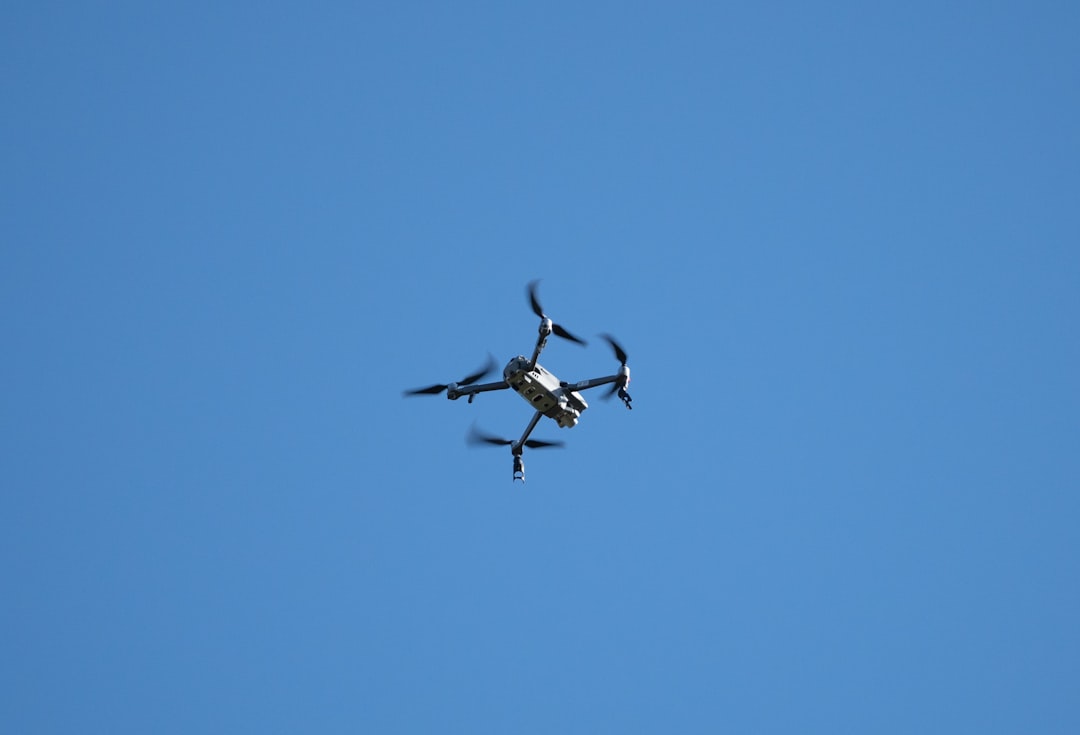
The emergence of autonomous weapons systems (AWS) marks a significant shift in the landscape of modern warfare. These systems, capable of selecting and engaging targets without human intervention, have gained traction due to advancements in artificial intelligence (AI) and robotics. The development of AWS has been accelerated by the increasing complexity of warfare, where rapid decision-making is crucial.
Nations are investing heavily in these technologies, driven by the potential for enhanced operational efficiency and reduced risk to human soldiers. As a result, the military capabilities of countries are evolving, leading to a new arms race focused on automation and AI. The proliferation of AWS is not limited to major powers; smaller nations and non-state actors are also exploring these technologies.
This democratization of military capabilities raises concerns about the accessibility and potential misuse of autonomous systems. The ability to deploy drones and robotic systems that can operate independently poses significant challenges to traditional military strategies and international security frameworks. As AWS become more prevalent, the implications for global conflict dynamics and military engagement strategies are profound, necessitating a thorough examination of their impact on warfare. Have you read the latest blog post on artificial intelligence?
Summary
- The rise of autonomous weapons systems is changing the landscape of modern warfare, with AI technology playing a crucial role in their development and deployment.
- Ethical and legal implications surrounding the use of autonomous weapons systems raise concerns about accountability, transparency, and adherence to international laws and norms.
- AI is increasingly being integrated into modern warfare, enabling autonomous weapons systems to make rapid decisions and carry out complex tasks with minimal human intervention.
- Advantages of autonomous weapons systems include increased precision, reduced human casualties, and enhanced operational capabilities, while disadvantages include potential misuse, lack of human judgement, and ethical concerns.
- Human control and accountability are essential in the use of autonomous weapons systems to ensure responsible decision-making and adherence to ethical and legal standards.
Ethical and Legal Implications
The deployment of autonomous weapons systems raises a myriad of ethical and legal questions that challenge existing frameworks governing armed conflict. One of the primary concerns is the moral responsibility associated with decisions made by machines. If an autonomous system engages a target that results in civilian casualties, who is accountable?
The ambiguity surrounding accountability complicates the application of international humanitarian law, which is predicated on the principles of distinction and proportionality. These principles require combatants to differentiate between military targets and civilians, a task that may be compromised when decisions are made by algorithms rather than human judgement. Moreover, the ethical implications extend beyond accountability to encompass broader questions about the nature of warfare itself.
The use of AWS could desensitise societies to the realities of conflict, as the physical and emotional distance created by technology may lead to a diminished sense of responsibility for the consequences of military actions. This detachment raises concerns about the potential for increased conflict, as states may be more willing to engage in warfare when human lives are not directly at risk. The challenge lies in reconciling technological advancements with ethical considerations that prioritise human dignity and the sanctity of life.
The Role of AI in Modern Warfare
Artificial intelligence plays a pivotal role in shaping the capabilities and functionalities of autonomous weapons systems. AI enhances the ability of these systems to process vast amounts of data, enabling them to make informed decisions in real-time. Machine learning algorithms allow AWS to adapt to changing battlefield conditions, improving their effectiveness in dynamic environments.
This capability not only increases operational efficiency but also poses significant challenges in terms of predictability and control. Furthermore, AI’s integration into warfare extends beyond autonomous weapons. It encompasses a range of applications, including intelligence analysis, logistics optimisation, and cyber warfare.
The ability to leverage AI for strategic advantage has transformed military operations, allowing for more precise targeting and resource allocation. However, this reliance on AI also introduces vulnerabilities, as adversaries may seek to exploit weaknesses in these systems or develop countermeasures against them. The interplay between AI and warfare necessitates ongoing research and development to ensure that military applications remain secure and effective.
Advantages and Disadvantages of Autonomous Weapons Systems
| Advantages | Disadvantages |
|---|---|
| Increased precision in targeting | Potential for misuse or malfunction |
| Reduced risk to human soldiers | Lack of human judgement and empathy |
| 24/7 operational capability | Ethical and legal concerns |
| Quick response time | Difficulty in assigning accountability |
The advantages of autonomous weapons systems are manifold, particularly in terms of operational efficiency and risk reduction for military personnel. AWS can conduct missions in environments that are too dangerous for human soldiers, such as urban combat zones or areas with high levels of contamination. Their ability to operate continuously without fatigue allows for sustained military operations that can overwhelm adversaries.
Additionally, the precision offered by advanced targeting algorithms can potentially reduce collateral damage when compared to traditional weaponry. However, the disadvantages associated with AWS cannot be overlooked. One significant concern is the potential for malfunction or unintended consequences resulting from flawed programming or decision-making processes.
The reliance on technology introduces risks related to cybersecurity; adversaries may attempt to hack or manipulate autonomous systems, leading to catastrophic outcomes. Furthermore, the ethical implications surrounding the use of AWS raise questions about the moral fabric of warfare itself. As machines take on roles traditionally held by humans, there is a risk that the very essence of combat—human judgement—may be lost.
Human Control and Accountability
The question of human control over autonomous weapons systems is central to discussions about their ethical deployment. While AWS can operate independently, there is a growing consensus that human oversight is essential to ensure accountability and adherence to legal standards. The concept of meaningful human control suggests that operators should retain the ability to intervene in decision-making processes, particularly in situations where ethical dilemmas arise.
This principle aims to bridge the gap between technological capabilities and moral responsibility. Establishing clear lines of accountability is crucial in addressing concerns about the use of AWS in armed conflict. Legal frameworks must evolve to define the responsibilities of developers, operators, and military commanders in relation to autonomous systems.
Without such clarity, there is a risk that accountability will be obscured, leading to a lack of recourse for victims of unlawful actions taken by AWS. Ensuring that human judgement remains integral to military operations is vital for maintaining ethical standards and upholding international law.
The Impact on International Relations
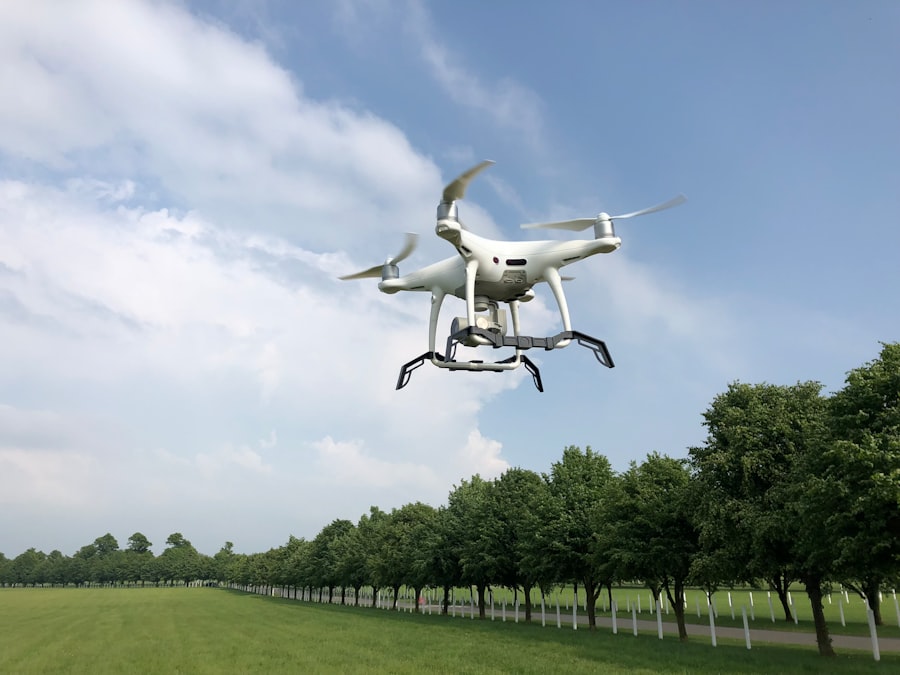
The rise of autonomous weapons systems has significant implications for international relations and global security dynamics. As nations invest in these technologies, power imbalances may emerge based on access to advanced military capabilities. Countries with robust AI research and development programmes may gain strategic advantages over those that lag behind, potentially leading to increased tensions and competition on the global stage.
This technological disparity could exacerbate existing geopolitical rivalries and fuel an arms race centred around automation. Moreover, the proliferation of AWS may alter traditional alliances and partnerships among nations. Countries may seek to collaborate on developing countermeasures against autonomous systems or establish norms governing their use in conflict.
The potential for miscalculation or misunderstanding during military engagements involving AWS raises concerns about escalation and unintended consequences. As states navigate this new landscape, diplomatic efforts will be essential in fostering dialogue around the responsible use of autonomous weapons and mitigating risks associated with their deployment.
The Future of Warfare: Autonomous Weapons Systems
Looking ahead, the future of warfare is likely to be increasingly characterised by the integration of autonomous weapons systems into military strategies. As technology continues to advance, we can expect further developments in AI capabilities that enhance the effectiveness and autonomy of these systems. This evolution will not only reshape how conflicts are fought but also redefine concepts such as deterrence and defence strategies.
Nations may increasingly rely on AWS as a means of projecting power while minimising risks to their personnel. However, this shift towards automation also necessitates careful consideration of its implications for global security. The potential for AWS to operate without human oversight raises concerns about escalation dynamics and the risk of unintended engagements between states or non-state actors.
As warfare becomes more automated, it will be crucial for policymakers to establish frameworks that govern the use of these technologies while ensuring compliance with international law and ethical standards.
The Need for Regulation and Governance
In light of the rapid advancements in autonomous weapons systems, there is an urgent need for comprehensive regulation and governance at both national and international levels. Establishing clear guidelines for the development, deployment, and use of AWS is essential to mitigate risks associated with their proliferation. International treaties or agreements could provide a framework for responsible use while addressing concerns about accountability and ethical considerations.
Moreover, fostering collaboration among nations will be critical in developing norms surrounding autonomous weapons systems. Engaging stakeholders from various sectors—including governments, military organisations, academia, and civil society—can facilitate dialogue on best practices and shared responsibilities in managing these technologies. As we navigate this complex landscape, proactive governance will play a vital role in ensuring that advancements in military technology align with humanitarian principles and contribute positively to global security.
In conclusion, while autonomous weapons systems present opportunities for enhanced military capabilities, they also pose significant ethical, legal, and strategic challenges that must be addressed through thoughtful regulation and governance. As we move forward into an era defined by automation in warfare, it is imperative that we prioritise human oversight, accountability, and international cooperation to ensure that these technologies are used responsibly and ethically in pursuit of peace and security.
In a recent article on how secrets lurking in source code lead to major breaches, the potential risks of autonomous weapons systems in warfare were further highlighted. The use of AI in military technology raises concerns about the ethical implications and the potential for unintended consequences. As we move towards a future where technology plays an increasingly dominant role in warfare, it is crucial to consider the implications of these advancements on global security and stability.
FAQs
What are autonomous weapons systems (AWS)?
Autonomous weapons systems (AWS) are military weapons that can operate without human intervention. These systems can independently select and engage targets based on predefined criteria and are capable of making decisions without human input.
How are AI and autonomous weapons systems related?
AI (artificial intelligence) is a key component of autonomous weapons systems. AI enables these systems to process and analyse data, identify targets, and make decisions without human intervention.
What are the potential advantages of autonomous weapons systems?
Advantages of autonomous weapons systems include increased speed and accuracy in targeting, reduced risk to human soldiers, and the ability to operate in environments that may be too dangerous for human soldiers.
What are the ethical concerns surrounding autonomous weapons systems?
Ethical concerns surrounding autonomous weapons systems include the potential for indiscriminate targeting, lack of human judgement and empathy in decision-making, and the potential for these systems to be used in violation of international humanitarian law.
What is the current international stance on autonomous weapons systems?
There is ongoing debate within the international community about the use of autonomous weapons systems. Some countries and organisations are calling for a ban on these systems, while others argue for the development and use of such technology.
What are some proposed regulations for autonomous weapons systems?
Proposed regulations for autonomous weapons systems include the requirement for human oversight and control, the establishment of clear rules of engagement, and the development of international treaties to govern the use of these systems.


 marks a significant shift in the landscape of modern warfare. These systems, capable of selecting..)