
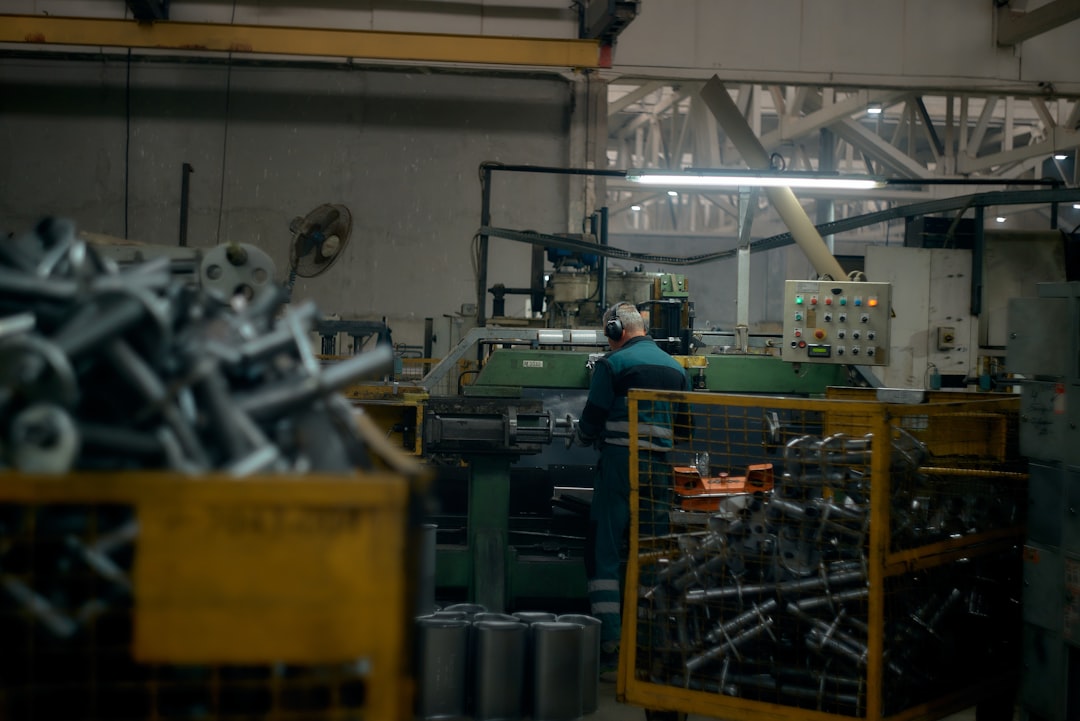
The manufacturing sector is undergoing a profound transformation, driven by the rapid advancement of artificial intelligence (AI) technologies. This revolution is not merely a trend; it represents a fundamental shift in how products are designed, produced, and delivered. As industries strive for greater efficiency, reduced costs, and enhanced quality, AI emerges as a pivotal force that is reshaping traditional manufacturing paradigms.
The integration of AI into manufacturing processes is enabling companies to harness vast amounts of data, automate complex tasks, and optimise operations in ways that were previously unimaginable. AI’s influence extends beyond mere automation; it encompasses a wide array of applications that enhance decision-making and improve overall productivity. From machine learning algorithms that analyse production data to robotics that perform intricate assembly tasks, AI is redefining the capabilities of manufacturing systems.
As businesses increasingly adopt these technologies, the potential for innovation and growth within the sector becomes more pronounced, setting the stage for a new era of manufacturing excellence. Have you read the latest blog post on artificial intelligence?
Summary
- AI is revolutionizing the manufacturing industry by introducing advanced technologies and automation processes.
- In smart factories, AI plays a crucial role in optimizing production processes, improving efficiency, and reducing downtime.
- Predictive maintenance and AI in manufacturing help in identifying potential equipment failures before they occur, saving time and costs.
- The benefits of AI in manufacturing include increased productivity, improved quality control, and enhanced safety measures.
- Despite its advantages, AI in manufacturing also presents challenges such as high initial investment and the need for skilled workforce.
The Role of AI in Smart Factories
Smart factories represent the pinnacle of modern manufacturing, characterised by interconnected systems and intelligent automation. At the heart of these facilities lies AI, which plays a crucial role in enabling real-time data analysis and decision-making. By leveraging the Internet of Things (IoT), smart factories can collect data from various sources, including machinery, sensors, and supply chain networks.
AI algorithms process this data to provide insights that drive operational efficiency and enhance production quality. Moreover, AI facilitates seamless communication between machines and human operators, creating a collaborative environment where both can work in tandem. For instance, AI-driven systems can predict equipment failures or suggest optimal production schedules based on current demand and resource availability.
This level of integration not only streamlines operations but also empowers manufacturers to respond swiftly to market changes, thereby maintaining a competitive edge in an increasingly dynamic landscape.
Predictive Maintenance and AI in Manufacturing
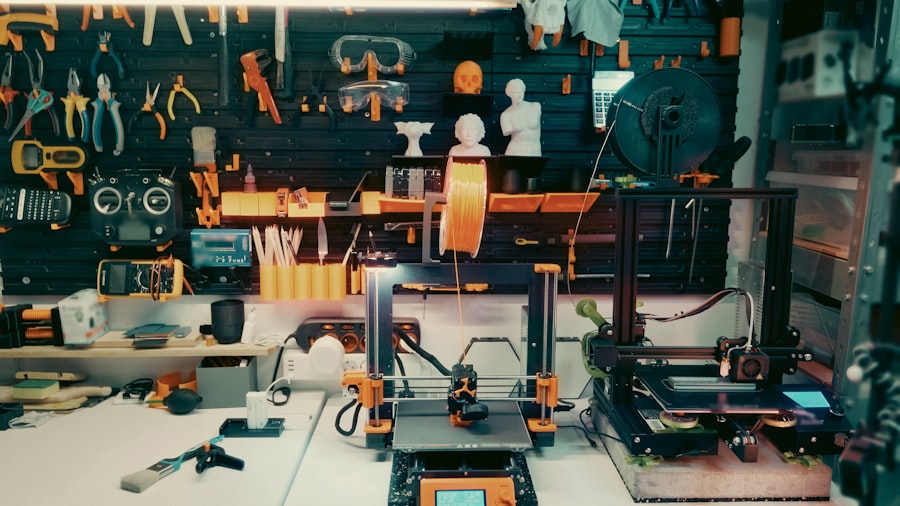
One of the most significant applications of AI in manufacturing is predictive maintenance. Traditional maintenance practices often rely on scheduled inspections or reactive measures following equipment failures, which can lead to costly downtime and inefficiencies. In contrast, predictive maintenance utilises AI algorithms to analyse historical data and monitor real-time performance metrics, allowing manufacturers to anticipate potential issues before they escalate.
By employing machine learning techniques, predictive maintenance systems can identify patterns and anomalies in equipment behaviour. This proactive approach enables manufacturers to schedule maintenance activities at optimal times, minimising disruptions to production while extending the lifespan of machinery. As a result, companies can achieve substantial cost savings and improve overall operational reliability.
The shift from reactive to predictive maintenance exemplifies how AI is transforming the manufacturing landscape by fostering a culture of continuous improvement.
Benefits of AI in Manufacturing
| Benefits of AI in Manufacturing |
|---|
| 1. Increased productivity |
| 2. Improved quality control |
| 3. Predictive maintenance |
| 4. Enhanced safety |
| 5. Cost savings |
| 6. Optimised supply chain management |
The benefits of integrating AI into manufacturing processes are manifold. Firstly, AI enhances productivity by automating repetitive tasks and optimising workflows. This not only reduces the burden on human workers but also allows them to focus on more complex and value-added activities.
As a result, manufacturers can achieve higher output levels while maintaining quality standards. Secondly, AI contributes to improved quality control through advanced data analytics. By continuously monitoring production processes and identifying deviations from established norms, AI systems can facilitate immediate corrective actions.
This capability not only reduces waste but also ensures that products meet stringent quality requirements, thereby enhancing customer satisfaction. Furthermore, AI-driven insights enable manufacturers to make informed decisions regarding resource allocation and supply chain management. By analysing market trends and consumer behaviour, companies can better anticipate demand fluctuations and adjust their production strategies accordingly.
This agility is crucial in today’s fast-paced market environment, where responsiveness can significantly impact a company’s success.
Challenges and Limitations of AI in Manufacturing
Despite the numerous advantages associated with AI in manufacturing, several challenges and limitations must be addressed. One significant hurdle is the initial investment required for implementing AI technologies. Many manufacturers may find it daunting to allocate resources for advanced systems, particularly small to medium-sized enterprises (SMEs) that operate on tighter budgets.
Additionally, there is a skills gap in the workforce when it comes to understanding and utilising AI technologies effectively. The successful implementation of AI requires not only technical expertise but also a cultural shift within organisations to embrace data-driven decision-making. Training existing employees and attracting new talent with the necessary skills can be a considerable challenge for many manufacturers.
Moreover, concerns regarding data security and privacy cannot be overlooked. As manufacturing processes become increasingly interconnected through IoT devices and cloud computing, the risk of cyberattacks rises significantly. Manufacturers must invest in robust cybersecurity measures to protect sensitive information and maintain operational integrity.
Case Studies of AI Implementation in Manufacturing
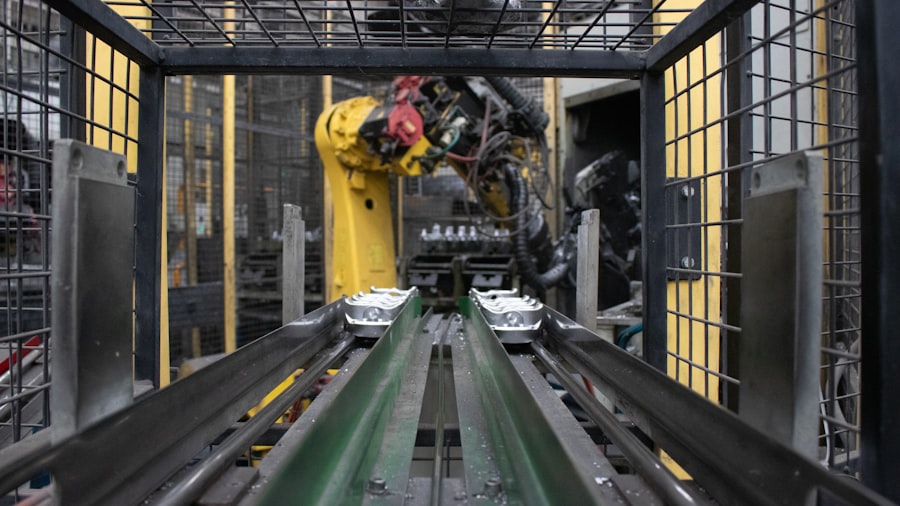
Several notable case studies illustrate the successful implementation of AI in manufacturing settings. One prominent example is Siemens, which has integrated AI into its production processes at its Amberg facility in Germany. By employing machine learning algorithms to analyse data from its assembly lines, Siemens has achieved remarkable improvements in efficiency and quality control.
The company reported a significant reduction in defect rates and an increase in overall productivity as a result of its AI initiatives. Another compelling case is that of General Electric (GE), which has utilised AI for predictive maintenance across its manufacturing plants. By implementing advanced analytics tools that monitor equipment performance in real-time, GE has been able to reduce unplanned downtime by up to 10%.
This proactive approach not only enhances operational efficiency but also contributes to substantial cost savings for the company. These case studies exemplify how leading manufacturers are leveraging AI technologies to drive innovation and achieve competitive advantages in their respective markets.
Future Trends and Developments in AI and Manufacturing
Looking ahead, several trends are poised to shape the future of AI in manufacturing. One such trend is the increasing adoption of collaborative robots, or cobots, which work alongside human operators to enhance productivity without replacing jobs. These robots are designed to assist with tasks that require precision or strength while allowing human workers to focus on more complex responsibilities.
Additionally, advancements in natural language processing (NLP) are expected to facilitate more intuitive interactions between humans and machines. As AI systems become better at understanding human language and context, manufacturers will be able to leverage these capabilities for improved communication and collaboration across teams. Furthermore, the integration of AI with other emerging technologies such as augmented reality (AR) and virtual reality (VR) holds great promise for training and operational efficiency.
By combining these technologies, manufacturers can create immersive training environments that enhance employee skills while reducing training costs.
The Impact of AI on the Manufacturing Industry
In conclusion, the impact of artificial intelligence on the manufacturing industry is profound and far-reaching. As companies continue to embrace AI technologies, they are not only enhancing operational efficiency but also fostering innovation and adaptability in an ever-evolving market landscape. While challenges remain—such as investment costs, skills gaps, and cybersecurity concerns—the potential benefits far outweigh these obstacles.
The future of manufacturing will undoubtedly be shaped by the ongoing integration of AI into various processes, from smart factories to predictive maintenance strategies. As organisations navigate this transformative journey, they will need to prioritise workforce development and invest in robust cybersecurity measures to fully realise the advantages that AI offers. Ultimately, the successful adoption of AI will empower manufacturers to thrive in an increasingly competitive global economy while delivering high-quality products that meet consumer demands.
In a recent article on password security, it was highlighted how vulnerabilities in code can make passwords susceptible to hackers. This is a crucial issue to consider when implementing AI in manufacturing, as data security is paramount in smart factories and predictive maintenance systems. As technology continues to advance, it is essential for companies to stay vigilant and ensure that their systems are protected from potential cyber threats.
FAQs
What is AI in manufacturing?
AI in manufacturing refers to the use of artificial intelligence technologies, such as machine learning and predictive analytics, to improve and automate various processes within the manufacturing industry. This includes smart factories, predictive maintenance, quality control, and supply chain management.
What are smart factories?
Smart factories are manufacturing facilities that utilize advanced technologies, such as AI, IoT (Internet of Things), and robotics, to automate and optimize production processes. These technologies enable real-time monitoring, data analysis, and decision-making, leading to increased efficiency, productivity, and flexibility in manufacturing operations.
What is predictive maintenance in manufacturing?
Predictive maintenance in manufacturing involves using AI and machine learning algorithms to predict when equipment or machinery is likely to fail, allowing for proactive maintenance to be carried out before a breakdown occurs. This approach helps to reduce downtime, extend the lifespan of assets, and lower maintenance costs.
How does AI improve manufacturing processes?
AI improves manufacturing processes by enabling real-time data analysis, predictive insights, and automation of repetitive tasks. This leads to better decision-making, increased efficiency, reduced waste, and improved product quality. AI also facilitates the development of new products and services through advanced simulations and design optimization.
What are the benefits of AI in manufacturing?
The benefits of AI in manufacturing include improved productivity, reduced downtime, lower maintenance costs, enhanced quality control, increased flexibility, and the ability to adapt to changing market demands. AI also enables the development of innovative products and services, as well as the creation of new business models within the manufacturing industry.


 technologies. This..)