
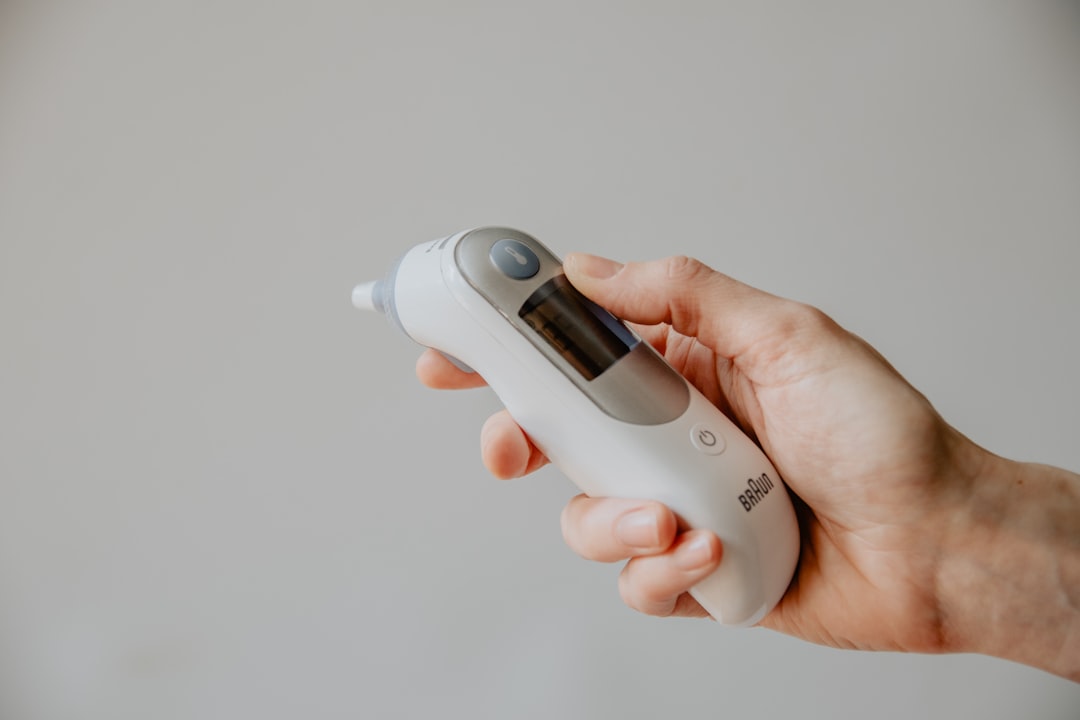
As we delve into the realm of artificial intelligence (AI), we find ourselves at the intersection of technology and healthcare, where innovation is reshaping the landscape of diagnostics. The integration of AI into medical diagnostics is not merely a trend; it represents a profound shift in how we approach disease detection and management. With the ability to analyze vast amounts of data at unprecedented speeds, AI systems are becoming indispensable tools for healthcare professionals.
They assist in identifying patterns that may elude even the most experienced clinicians, thereby enhancing the accuracy and efficiency of diagnoses. In recent years, we have witnessed a surge in the development and application of AI technologies within the healthcare sector. From machine learning algorithms that can predict patient outcomes to natural language processing systems that streamline patient records, AI is revolutionizing the way we understand and treat illnesses.
As we explore this fascinating intersection of technology and medicine, it becomes clear that AI is not just a supplementary tool; it is a catalyst for change that has the potential to improve patient care on a global scale.
Key Takeaways
- AI in diagnostics has the potential to revolutionize healthcare by improving accuracy and efficiency in disease detection and treatment.
- Advantages of AI in diagnostics include faster and more accurate diagnosis, while limitations include the need for large datasets and potential biases in algorithms.
- AI technologies in diagnostics include machine learning, natural language processing, and computer vision, which enable the analysis of medical images, patient records, and genetic data.
- The impact of AI in diagnostics on healthcare professionals includes the need for training and collaboration with AI systems, as well as potential changes in job roles and responsibilities.
- Ethical and legal considerations in AI diagnostics include patient privacy, data security, and the need for transparent and accountable AI algorithms.
The Role of AI in Revolutionizing Healthcare
AI’s role in revolutionizing healthcare cannot be overstated. By harnessing the power of machine learning and data analytics, we are witnessing a transformation in how diseases are diagnosed and treated. One of the most significant contributions of AI is its ability to process and analyze large datasets quickly and accurately.
This capability allows for early detection of diseases, which is crucial in conditions such as cancer, where timely intervention can significantly improve patient outcomes. For instance, AI algorithms can analyze medical imaging data to identify tumors that may be missed by the human eye, leading to earlier and more effective treatment options. Moreover, AI is enhancing personalized medicine by enabling tailored treatment plans based on individual patient data.
By analyzing genetic information, lifestyle factors, and previous health records, AI can help healthcare providers develop customized therapies that are more effective for specific patient populations. This shift towards personalized care not only improves treatment efficacy but also fosters a more patient-centered approach to healthcare, where individuals are actively involved in their treatment decisions.
Advantages and Limitations of AI in Diagnostics
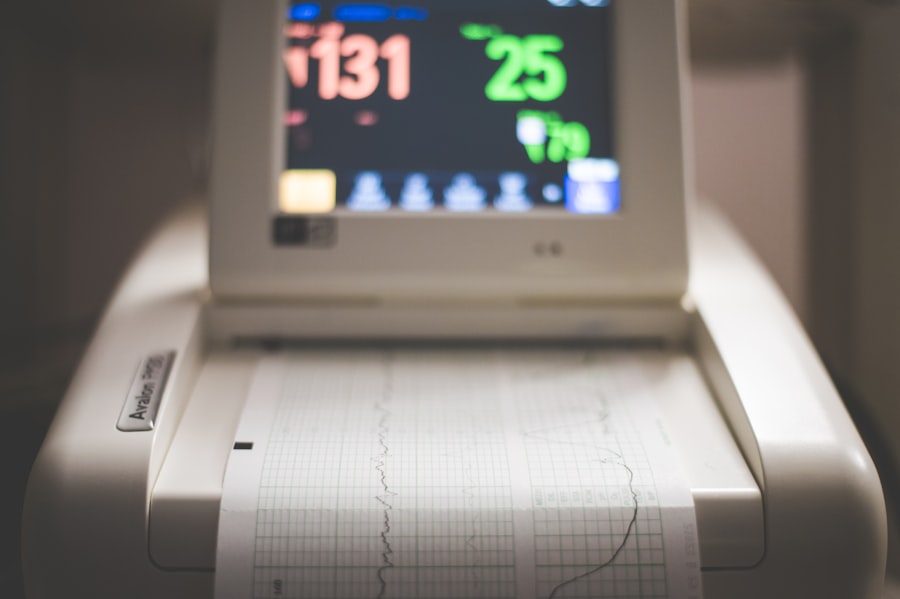
While the advantages of AI in diagnostics are numerous, it is essential to acknowledge the limitations that accompany this technology. On one hand, AI systems can significantly reduce diagnostic errors, streamline workflows, and enhance decision-making processes. For instance, by automating routine tasks such as data entry and analysis, healthcare professionals can focus more on patient care rather than administrative duties.
Additionally, AI can provide real-time insights that support clinical decision-making, ultimately leading to better patient outcomes. On the other hand, we must consider the challenges that come with implementing AI in diagnostics. One major concern is the potential for bias in AI algorithms, which can arise from training data that is not representative of diverse populations.
This bias can lead to disparities in healthcare outcomes, particularly for marginalized groups. Furthermore, the reliance on AI systems raises questions about accountability and transparency. If an AI system makes an incorrect diagnosis, who is responsible?
These limitations highlight the need for ongoing research and development to ensure that AI technologies are equitable and reliable.
AI Technologies in Diagnostics
| AI Technology | Diagnostic Application | Accuracy |
|---|---|---|
| Machine Learning | Medical Imaging | 90% |
| Natural Language Processing | Medical Records Analysis | 85% |
| Deep Learning | Cancer Detection | 95% |
The landscape of AI technologies in diagnostics is vast and continually evolving. Among the most prominent applications are image recognition systems that utilize deep learning algorithms to analyze medical images such as X-rays, MRIs, and CT scans. These systems have demonstrated remarkable accuracy in detecting abnormalities, often surpassing human radiologists in specific tasks.
By providing a second opinion or flagging potential issues for further review, these technologies enhance diagnostic precision and reduce the likelihood of missed diagnoses. In addition to imaging technologies, natural language processing (NLP) plays a crucial role in transforming unstructured data into actionable insights. By analyzing clinical notes, research articles, and patient records, NLP algorithms can extract relevant information that aids in diagnosis and treatment planning.
This capability not only saves time for healthcare providers but also ensures that critical information is not overlooked during patient evaluations. As we continue to explore these technologies, it becomes evident that their integration into clinical practice holds immense promise for improving diagnostic accuracy and efficiency.
Impact of AI in Diagnostics on Healthcare Professionals
The integration of AI into diagnostics has profound implications for healthcare professionals. As we embrace these advanced technologies, we find ourselves navigating a new landscape where collaboration between humans and machines becomes essential. Rather than replacing healthcare providers, AI serves as a powerful ally that enhances their capabilities.
By automating routine tasks and providing data-driven insights, AI allows clinicians to devote more time to direct patient care and complex decision-making. However, this shift also necessitates a reevaluation of the skills required for healthcare professionals. As AI systems become more prevalent, there is an increasing need for clinicians to develop proficiency in interpreting AI-generated data and understanding its implications for patient care.
This evolution calls for ongoing education and training programs that equip healthcare providers with the knowledge and skills needed to effectively leverage AI technologies in their practice. Ultimately, by embracing this partnership with AI, we can enhance our ability to deliver high-quality care while improving job satisfaction among healthcare professionals.
Ethical and Legal Considerations in AI Diagnostics

As we navigate the integration of AI into diagnostics, ethical and legal considerations come to the forefront of our discussions. One of the primary ethical concerns revolves around patient privacy and data security. The use of AI often requires access to sensitive health information, raising questions about how this data is collected, stored, and utilized.
We must ensure that robust safeguards are in place to protect patient confidentiality while still allowing for the advancement of diagnostic technologies. Additionally, issues related to accountability arise when AI systems are involved in clinical decision-making. If an AI algorithm makes an erroneous diagnosis or recommendation, determining liability becomes complex.
We must establish clear guidelines regarding the responsibilities of healthcare providers when utilizing AI tools in their practice. Furthermore, transparency in how AI algorithms function is crucial; patients should be informed about how their data is being used and how decisions are made based on AI analysis. Addressing these ethical and legal challenges will be essential as we continue to integrate AI into healthcare diagnostics.
Future Trends in AI Diagnostics
Looking ahead, we can anticipate several exciting trends in the field of AI diagnostics that will further shape the future of healthcare. One notable trend is the increasing use of predictive analytics to forecast disease outbreaks and patient outcomes. By analyzing historical data alongside real-time information, AI systems can identify patterns that may indicate emerging health threats or potential complications for individual patients.
This proactive approach has the potential to revolutionize public health initiatives and improve overall population health. Another trend we foresee is the continued advancement of telemedicine combined with AI diagnostics. As remote healthcare becomes more prevalent, integrating AI tools into telehealth platforms will enhance diagnostic capabilities even further.
Patients will benefit from timely access to expert opinions without needing to visit a physical clinic, making healthcare more accessible than ever before. As these trends unfold, we remain optimistic about the transformative potential of AI in diagnostics and its ability to improve health outcomes across diverse populations.
The Potential of AI in Transforming Healthcare
In conclusion, our exploration of artificial intelligence in diagnostics reveals its immense potential to transform healthcare as we know it. From enhancing diagnostic accuracy to personalizing treatment plans, AI technologies are paving the way for a new era of medical practice characterized by efficiency and precision. While challenges remain—such as addressing ethical concerns and ensuring equitable access—we believe that with careful consideration and collaboration among stakeholders, these obstacles can be overcome.
As we look toward the future, it is clear that embracing AI in diagnostics will not only improve patient care but also empower healthcare professionals to deliver better outcomes. By fostering a culture of innovation and continuous learning within the medical community, we can harness the full potential of AI technologies to create a healthier world for all. The journey ahead may be complex, but together we can navigate this exciting frontier with optimism and determination.
Artificial intelligence is revolutionizing healthcare diagnostics, allowing for more accurate and efficient patient care. One related article discussing the impact of AI in healthcare can be found here. This article delves into the importance of cybersecurity in the healthcare industry as AI technology becomes more prevalent in diagnosing and treating patients.


, we find ourselves at the intersection of technology and healthcare, where innovation is..)