
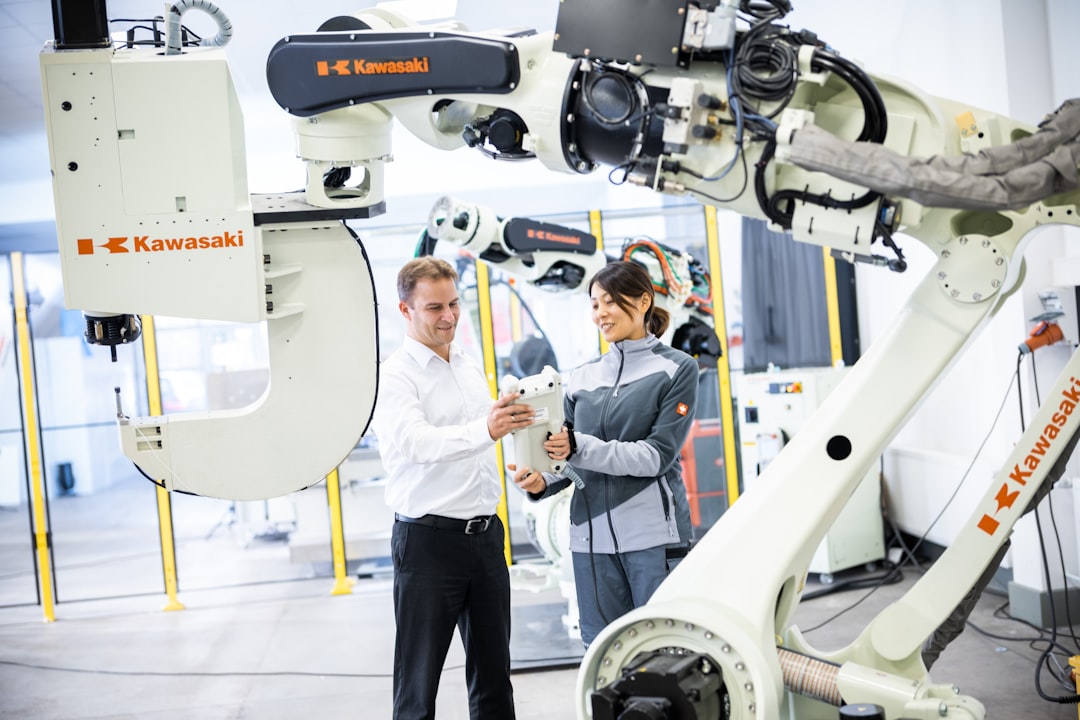
In today’s fast-paced business environment, the need for efficiency and agility has never been more critical.
IPA combines traditional automation with artificial intelligence (AI) capabilities, allowing organizations to automate complex processes that were once thought to require human intervention.
This fusion of technologies not only optimizes workflows but also enables us to make data-driven decisions that can significantly impact our bottom line.
By leveraging machine learning, natural language processing, and robotic process automation, we can create systems that learn and adapt over time.
This evolution in automation empowers us to focus on strategic initiatives rather than mundane tasks, ultimately fostering innovation and growth. In this article, we will explore the myriad benefits of IPA, how to implement it effectively in our businesses, and the best practices that can help us maximize its potential.
Key Takeaways
- Intelligent Process Automation (IPA) combines artificial intelligence and automation to streamline business processes and improve efficiency.
- The benefits of IPA include cost savings, improved accuracy, faster processing times, and enhanced customer experiences.
- Implementing IPA in your business requires careful planning, clear communication, and a focus on change management.
- Choosing the right tools for IPA involves evaluating your business needs, considering scalability, and selecting user-friendly solutions.
- Challenges in implementing IPA can be overcome by addressing resistance to change, providing adequate training, and continuously monitoring and adjusting the automation process.
Understanding the Benefits of Intelligent Process Automation
The advantages of Intelligent Process Automation are manifold, and they resonate across various sectors. One of the most significant benefits is the enhancement of operational efficiency. By automating repetitive tasks, we can reduce the time spent on manual processes, allowing our teams to concentrate on higher-value activities.
This shift not only boosts productivity but also minimizes the risk of human error, leading to improved accuracy in our operations. As we embrace IPA, we can expect a notable increase in throughput and a reduction in operational costs. Moreover, IPA facilitates better decision-making through data analysis and insights.
With the ability to process vast amounts of data quickly, intelligent systems can identify patterns and trends that may not be immediately apparent to us. This capability enables us to make informed decisions based on real-time information rather than relying solely on historical data or intuition. As a result, we can respond more effectively to market changes and customer needs, positioning ourselves as agile players in our respective industries.
Implementing Intelligent Process Automation in Your Business

When it comes to implementing Intelligent Process Automation in our business, a strategic approach is essential. First and foremost, we must identify the processes that are ripe for automation. This involves conducting a thorough analysis of our workflows to pinpoint repetitive tasks that consume valuable time and resources.
By engaging with our teams and gathering their insights, we can create a comprehensive list of potential candidates for automation. This collaborative effort ensures that we prioritize processes that will yield the most significant benefits. Once we have identified suitable processes for automation, we need to develop a clear roadmap for implementation.
This roadmap should outline our objectives, timelines, and key performance indicators (KPIs) to measure success. Additionally, it is crucial to involve stakeholders from various departments early in the process to foster buy-in and support. By communicating the benefits of IPA and addressing any concerns, we can create a culture that embraces change and innovation.
As we move forward with implementation, continuous monitoring and feedback will be vital to refine our approach and ensure that we are achieving our desired outcomes.
Choosing the Right Tools for Intelligent Process Automation
| Tool | Features | Integration | Cost |
|---|---|---|---|
| UiPath | Robust automation capabilities, AI integration | Seamless integration with various systems | Subscription-based pricing |
| Automation Anywhere | Cognitive automation, RPA, and analytics | Integration with ERP, CRM, and other systems | Enterprise pricing model |
| Blue Prism | Robotic process automation, AI, and analytics | Integration with legacy systems and cloud applications | License-based pricing |
| Microsoft Power Automate | Low-code automation, AI builder, and robotic process automation | Integration with Microsoft 365 and third-party apps | Subscription-based pricing |
Selecting the appropriate tools for Intelligent Process Automation is a critical step in our journey toward enhanced efficiency. With a plethora of options available in the market, it is essential for us to evaluate our specific needs and objectives before making a decision. We should consider factors such as scalability, ease of integration with existing systems, and user-friendliness when assessing potential tools.
Additionally, it is beneficial to look for solutions that offer robust analytics capabilities, as these features will enable us to track performance and make data-driven adjustments. Furthermore, we must also take into account the level of support and training provided by vendors. A successful implementation of IPA requires not only the right technology but also adequate training for our teams.
By choosing tools that come with comprehensive support resources, we can ensure that our employees feel confident in using the new systems. Ultimately, the right tools will empower us to harness the full potential of Intelligent Process Automation and drive meaningful change within our organization.
Overcoming Challenges in Implementing Intelligent Process Automation
While the benefits of Intelligent Process Automation are compelling, we must also acknowledge the challenges that may arise during implementation. One common hurdle is resistance to change among employees. As we introduce new technologies into our workflows, some team members may feel apprehensive about their roles being diminished or replaced.
To address this concern, it is crucial for us to foster an open dialogue about the purpose of IPA and how it can enhance their work rather than replace it. By emphasizing the value of automation in freeing up time for more strategic tasks, we can alleviate fears and encourage a positive mindset toward change. Another challenge we may encounter is ensuring data quality and security throughout the automation process.
As we integrate intelligent systems into our operations, we must be vigilant about maintaining data integrity and protecting sensitive information. This requires us to establish robust governance frameworks that outline data management practices and compliance measures. By prioritizing data security from the outset, we can build trust among our stakeholders and mitigate potential risks associated with automation.
Best Practices for Maximizing Efficiency with Intelligent Process Automation

To truly maximize the efficiency of Intelligent Process Automation, we should adopt several best practices that can enhance our implementation efforts. First and foremost, continuous improvement should be at the forefront of our strategy. As we deploy automated processes, it is essential for us to regularly review their performance against established KPIs.
By analyzing results and gathering feedback from users, we can identify areas for optimization and make necessary adjustments to improve outcomes. Additionally, fostering a culture of collaboration between IT and business units is vital for successful IPA implementation. By breaking down silos and encouraging cross-functional teamwork, we can ensure that automation initiatives align with broader business goals.
This collaborative approach not only enhances communication but also promotes knowledge sharing, enabling us to leverage diverse perspectives in refining our automation strategies.
Case Studies: Real-life Examples of Successful Intelligent Process Automation
Examining real-life case studies can provide us with valuable insights into the successful application of Intelligent Process Automation across various industries. For instance, a leading financial institution implemented IPA to streamline its loan processing system. By automating document verification and data entry tasks using AI-driven tools, they reduced processing time by 50%, significantly improving customer satisfaction rates.
This success story highlights how IPA can transform traditional processes into efficient workflows that benefit both organizations and their clients. Another compelling example comes from a global manufacturing company that adopted IPA to enhance its supply chain management. By integrating intelligent systems capable of analyzing demand patterns and inventory levels in real-time, they achieved a 30% reduction in excess inventory costs while improving order fulfillment rates.
This case illustrates how IPA can drive operational excellence by enabling organizations to respond swiftly to market dynamics while optimizing resource allocation.
The Future of Intelligent Process Automation: Trends and Innovations
As we look ahead to the future of Intelligent Process Automation, several trends and innovations are poised to shape its evolution. One notable trend is the increasing integration of AI technologies into automation solutions. As machine learning algorithms become more sophisticated, we can expect IPA systems to become even more capable of handling complex decision-making processes autonomously.
This advancement will further enhance efficiency while allowing us to focus on strategic initiatives that require human insight. Moreover, the rise of low-code and no-code platforms is democratizing access to automation tools. These user-friendly solutions empower non-technical users within our organizations to create automated workflows without extensive programming knowledge.
As a result, we can expect a surge in citizen developers who contribute to automation initiatives across various departments, fostering innovation at all levels of our organizations. In conclusion, Intelligent Process Automation represents a transformative opportunity for businesses seeking to enhance efficiency and drive growth in an increasingly competitive landscape. By understanding its benefits, implementing it strategically, choosing the right tools, overcoming challenges, adhering to best practices, learning from real-life examples, and staying attuned to future trends, we position ourselves at the forefront of this technological revolution.
Embracing IPA not only streamlines operations but also empowers us to innovate and adapt in an ever-changing world.
Intelligent process automation (IPA) is revolutionizing the way businesses operate by streamlining workflows and increasing efficiency. In a related article, TikTok promotes digital well-being with time management tools, discusses how technology can also be used to promote healthy habits and balance in our increasingly digital lives. By utilizing tools like IPA and time management apps, individuals can optimize their productivity while maintaining a healthy work-life balance.
FAQs
What is Intelligent Process Automation (IPA)?
Intelligent Process Automation (IPA) refers to the use of artificial intelligence (AI) and machine learning (ML) technologies to automate and optimize business processes. It combines robotic process automation (RPA) with cognitive technologies to improve efficiency and decision-making within an organization.
How does Intelligent Process Automation (IPA) work?
Intelligent Process Automation (IPA) works by using AI and ML algorithms to analyze and understand data, make decisions, and perform tasks that traditionally require human intelligence. It can automate repetitive tasks, extract and process unstructured data, and make complex decisions based on predefined rules and learning from historical data.
What are the benefits of Intelligent Process Automation (IPA)?
The benefits of Intelligent Process Automation (IPA) include increased efficiency, reduced errors, improved decision-making, cost savings, and the ability to handle complex and unstructured data. It also allows employees to focus on more strategic and value-added tasks, leading to overall business growth and competitiveness.
What are some examples of Intelligent Process Automation (IPA) applications?
Intelligent Process Automation (IPA) can be applied to various business processes such as customer service, finance and accounting, human resources, supply chain management, and data management. Examples include automated data entry, invoice processing, customer support chatbots, and predictive maintenance in manufacturing.
What are the challenges of implementing Intelligent Process Automation (IPA)?
Challenges of implementing Intelligent Process Automation (IPA) include the need for skilled personnel to develop and maintain the automation systems, integration with existing IT infrastructure, data security and privacy concerns, and the potential impact on the workforce. Organizations also need to carefully plan and manage the change brought about by automation.


